Cowl flaps are quite useful things.
How they work:
Imagine a house. On the upwind side you open a window and let a breeze in. This is like a closed cowl flap condition. Now you walk to the other end of the house and open the door. Now you have a forceful breeze rushing through the openings. This is the open cowl flap condition. (Try this sometime, it's pretty cool)
How you use them: (real-life info used, aircraft in example is a PA-31 Navajo (twin, 310HPx2 turbocharged, 175 knots))
On startup they are closed and stay that way until right before departure (to get the temps up, it takes a while). On climb they are open all the way to keep the temps down.
Once at cruise they are closed as temps permit, sometimes cracked open a little to add a little cooling.
On descent they stay closed, because we start reducing power well before the descent and there is no danger of shock-cooling.
On approach they stay closed unless you're fast or high. The cowl flaps on the Navajo are about 1 - 1.25 square feet total, so if you open them they're like speed brakes. You lose about 10-15 knots at cruise if they're left open.
Once on the ground they're open all the way, and stay that way until engine start the next time.
Here's a picture of the cowl flaps on the Navajo. They're the large doors hanging 2/3 of the way back the engine cowling, on the bottom:
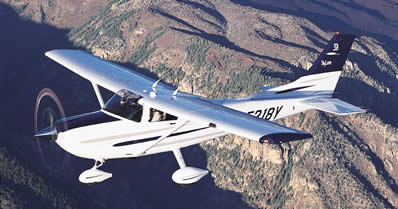
http://community.webshots.com/photo/237 ... 8407NXnnevFor a smaller plane example, see the two door-looking things hanging down off each side of the cowling here:
http://community.webshots.com/photo/237 ... 6281GZRpwYThese pictures are 2400x1800 so you can zoom in and see some great detail.
EDIT: fixed links

 by phil19golf » Sun Apr 24, 2005 12:52 pm