SYNOPSIS: Known as the most outstanding carrier-based fighter to be used operationally in WWII, the Corsair has become legendary. Known to the Japanese as "Whistling Death", the Corsair was famous for its bent gull-wings and its high kill ratios. The Corsair was the first U.S. single-engined fighter to exceed 400 m.p.h., and had much better performance than the F4F Wildcat, which was the current top-of-the-line Navy fighter when the Corsair was introduced. Unfortunately, due to its very long nose (which limited pilot visibility, especially during take-offs and landings), it was believed by the Navy high command to be unsuitable for carrier operations.
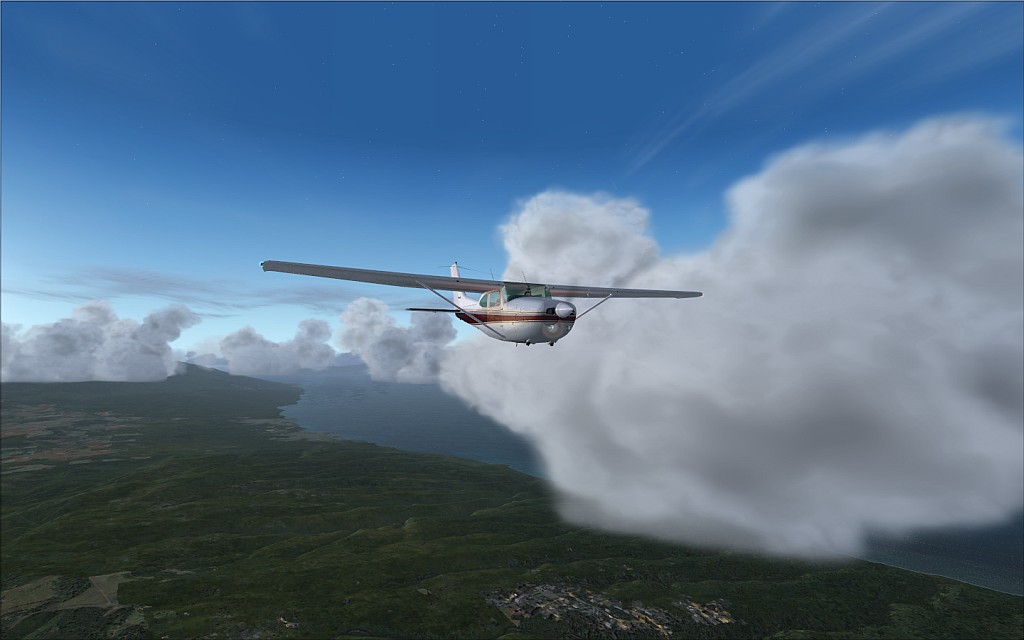
Typically, when the Navy had an aircraft that it did not want, it gave them to the Marines (the F2A Buffalo, and later the F7F Tigercat being further examples). This is what happened to the Corsairs, as they were restricted to land bases. The Marines were happy to replace their old Wildcats with this hot new fighter, and soon showed everyone what the Corsair was capable of.
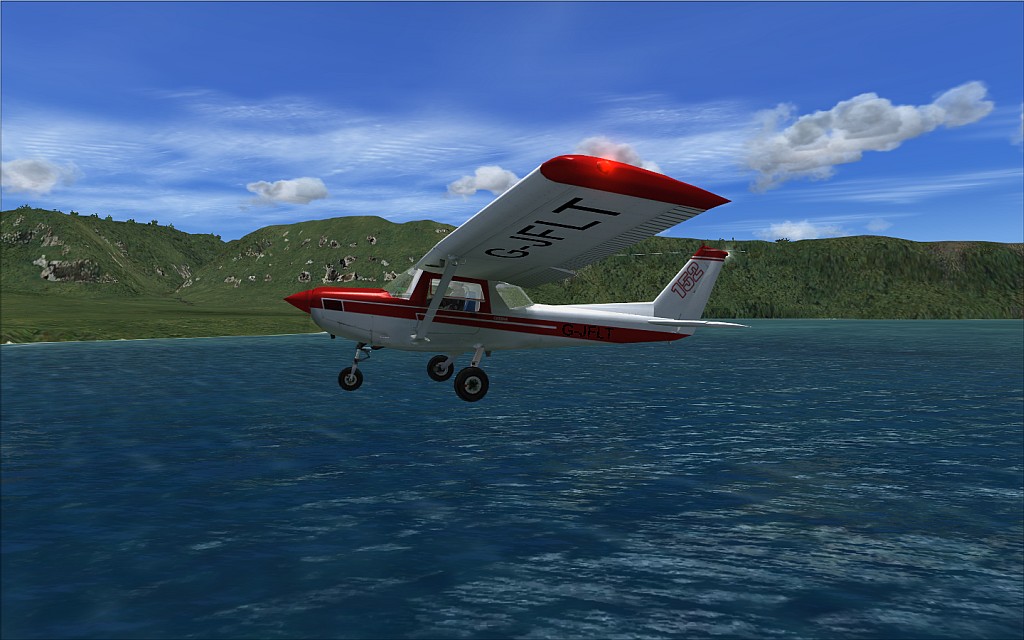
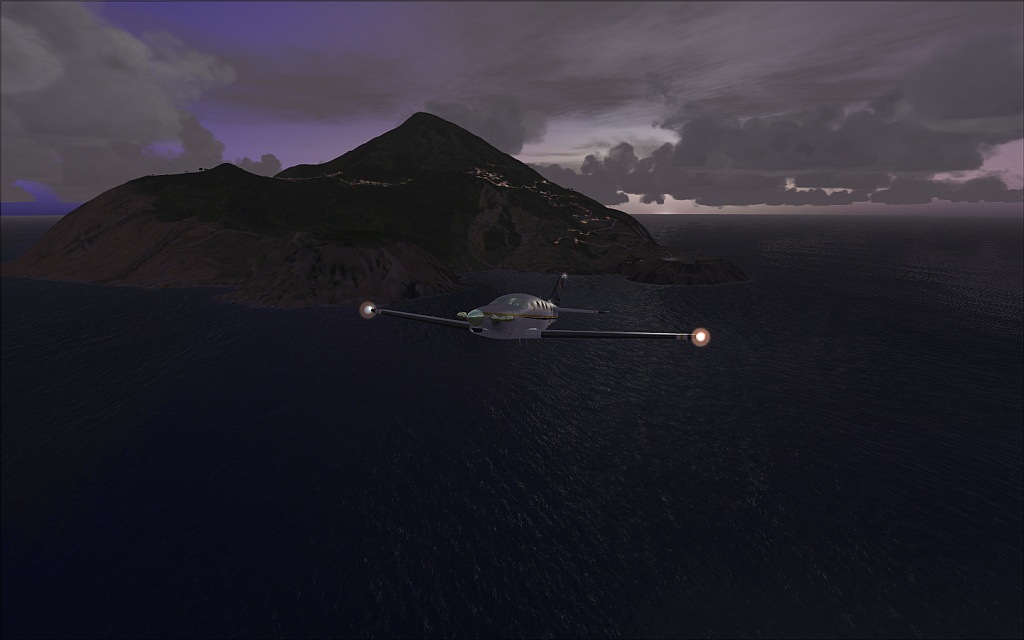
Pappy Boyington and his Black Sheep Squadron was one of many who used the Corsair's abilities to its fullest. Later in the war it was proven that the Corsairs could operate safely off of carriers, and the "bent-wing birds" were used very successfully in helping to thwart the kamikaze raids in the war's final months. Demand for the Corsairs was such that they were also produced by Brewster and Goodyear.
Vought F4U Corsair
Type:










 Bar by Mees