Mt. St. Helens: 25 years Later
 Posted: Tue Mar 29, 2005 3:23 am
It was 25 years ago that Mt. St. Helens rumbled back to life. A small crater in the summit later grew larger, as earthquake activity increased and a bulge began growing on the north side. On May 18th, the bulge collapsed as a 5.1 quake struck a mile beneath the peak, unleashing the largest recorded eruption of any volcano on the North American continent, killing 57 people.
Now, 25 years later, life is back to normal, and the once barren slopes of Mt. St. Helens are now starting to turn lush and green once again.
With this, I am introducing the latest version of my Mt. St. Helens flight experience scenery. The major feature is an all-new satellite image taken in 2003. A 15M per-pixel resolution photo, I've enhanced it to 7M per-pixel, and it covers more terrain than the previous scenery package. LWM aplha channels are used to actually allow for "landable" water surfaces, and a relandclassed waterclass brings out the correct water color for the area.
I've also completely revamped all of the AFCADs, and the RWY12-generated scenery, adding more details.
I've also included autogen over the entire 600-square-mile area, and a current Digital Elevation Mesh BGL file now brings out the most famous feature of the mountain itself; the Lava Dome in the crater.
Here are some preview shots. I still have some autogen to add, but I thought I'd show some of the best features.
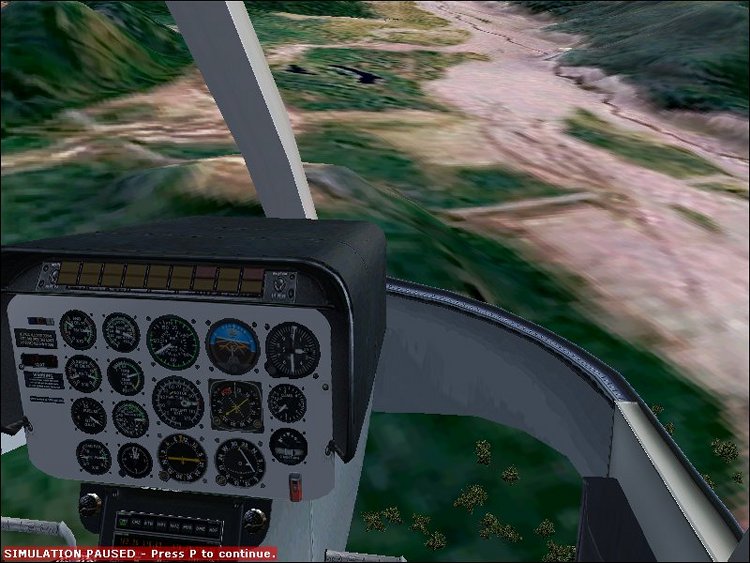
The abandoned Sediment Retention Dam on the Toutle River, now shows up much better.
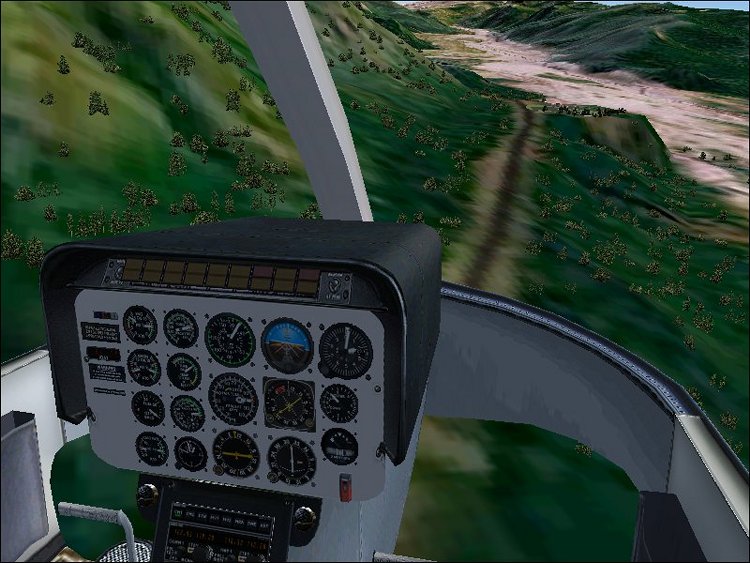
Autogen is now an integral part. Here, you see Highway 504 leading up to Hoffstadt Bluffs.
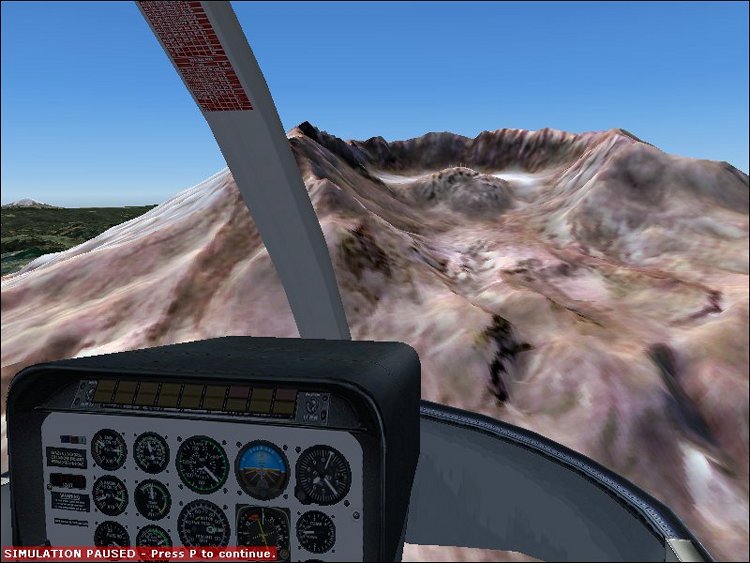
The lava dome and crater wall detail. Note the crater clacier behind the dome.
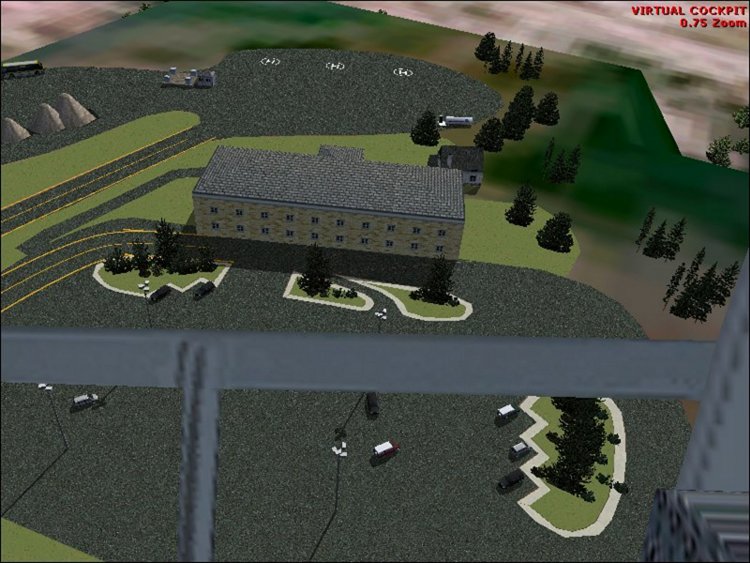
The new, resized, and relocated Hoffstadt Bluffs Visitor Center. It now sits in its true location and is its true size!
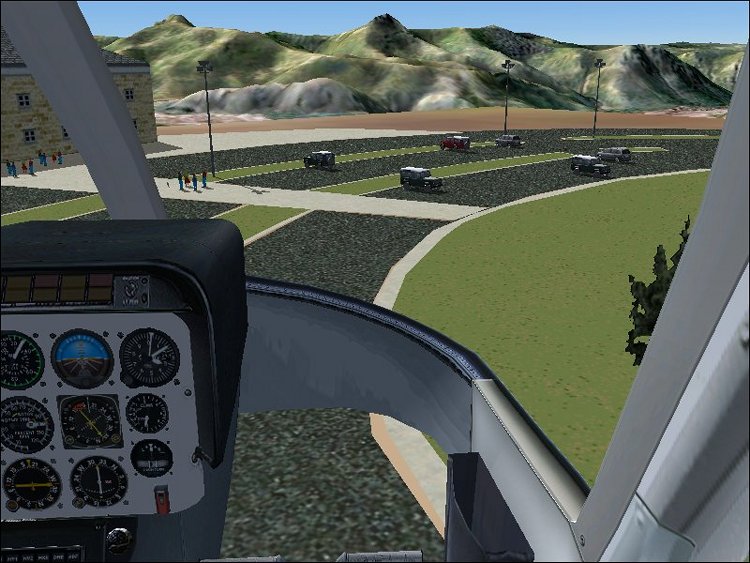
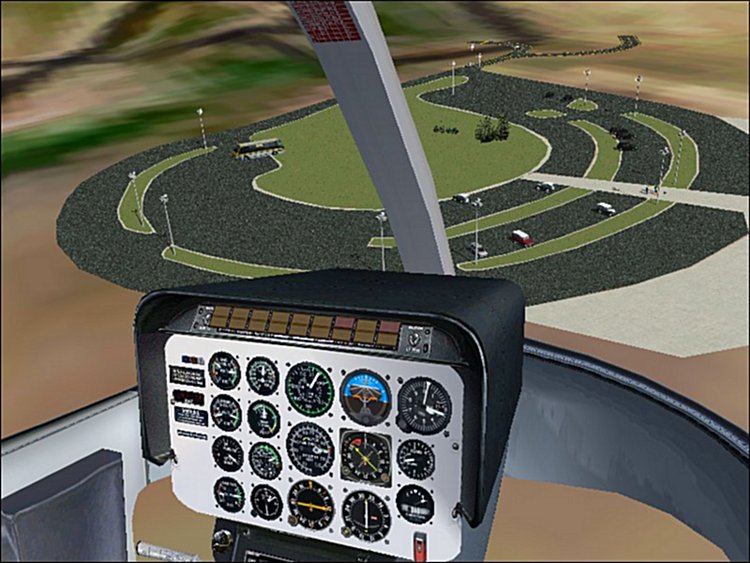
The new and improved (not to mention correctly oriented) Coldwater Ridge Visitor Center.
Note the islands of grass and the addition of lightpoles (which actually work at night!)
Look for a release in May!
Now, 25 years later, life is back to normal, and the once barren slopes of Mt. St. Helens are now starting to turn lush and green once again.
With this, I am introducing the latest version of my Mt. St. Helens flight experience scenery. The major feature is an all-new satellite image taken in 2003. A 15M per-pixel resolution photo, I've enhanced it to 7M per-pixel, and it covers more terrain than the previous scenery package. LWM aplha channels are used to actually allow for "landable" water surfaces, and a relandclassed waterclass brings out the correct water color for the area.
I've also completely revamped all of the AFCADs, and the RWY12-generated scenery, adding more details.
I've also included autogen over the entire 600-square-mile area, and a current Digital Elevation Mesh BGL file now brings out the most famous feature of the mountain itself; the Lava Dome in the crater.
Here are some preview shots. I still have some autogen to add, but I thought I'd show some of the best features.
The abandoned Sediment Retention Dam on the Toutle River, now shows up much better.
Autogen is now an integral part. Here, you see Highway 504 leading up to Hoffstadt Bluffs.
The lava dome and crater wall detail. Note the crater clacier behind the dome.
The new, resized, and relocated Hoffstadt Bluffs Visitor Center. It now sits in its true location and is its true size!
The new and improved (not to mention correctly oriented) Coldwater Ridge Visitor Center.
Note the islands of grass and the addition of lightpoles (which actually work at night!)
Look for a release in May!
