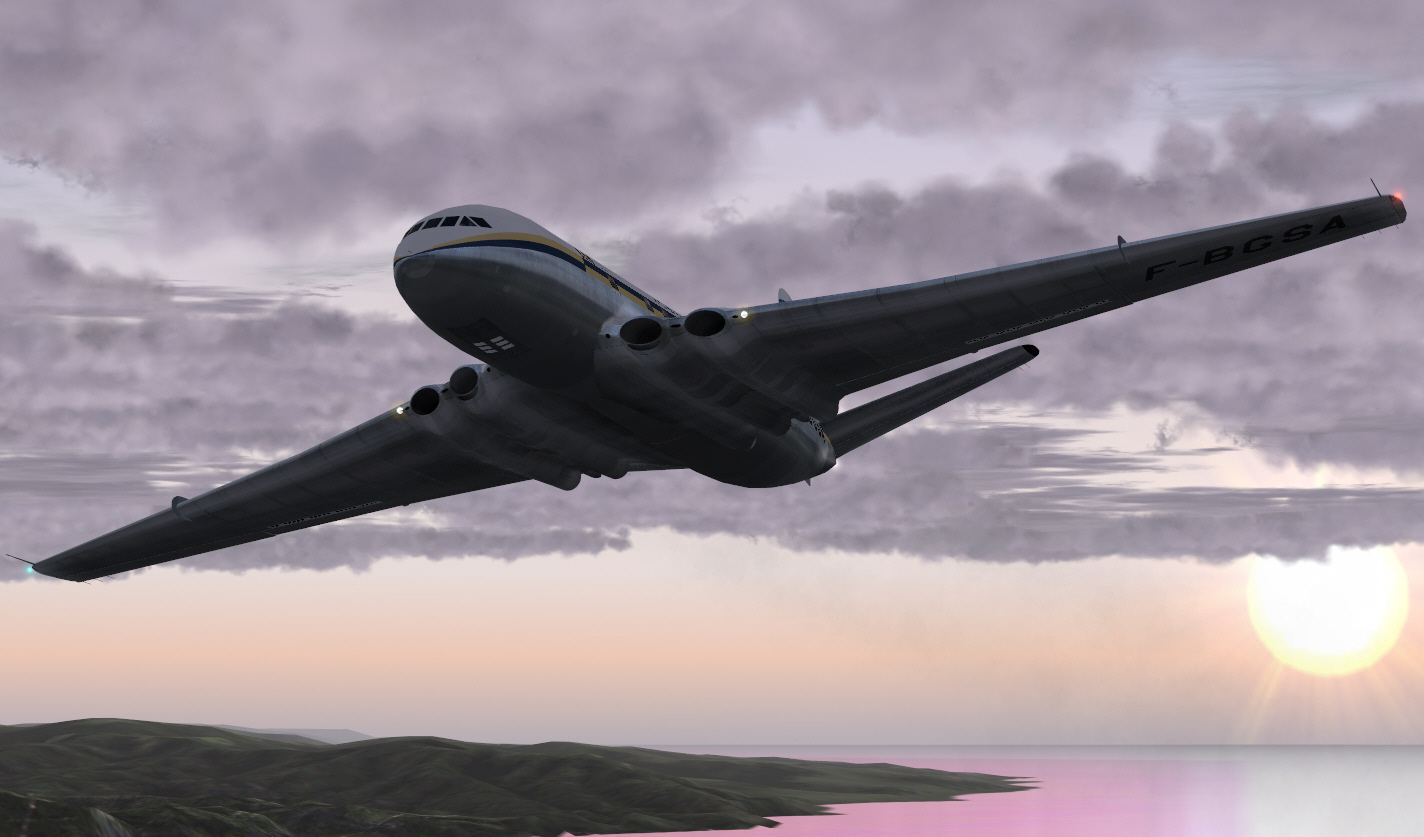
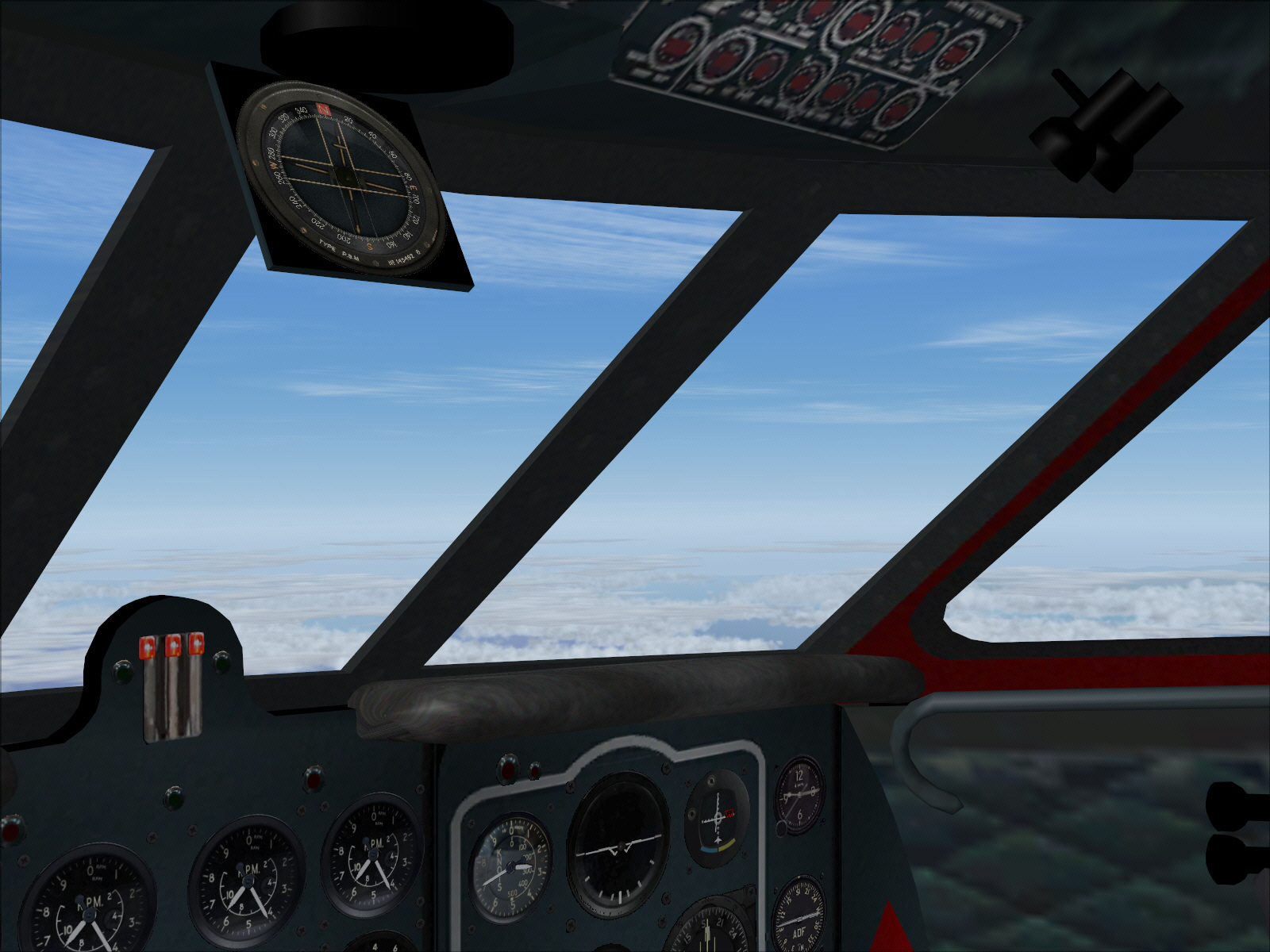
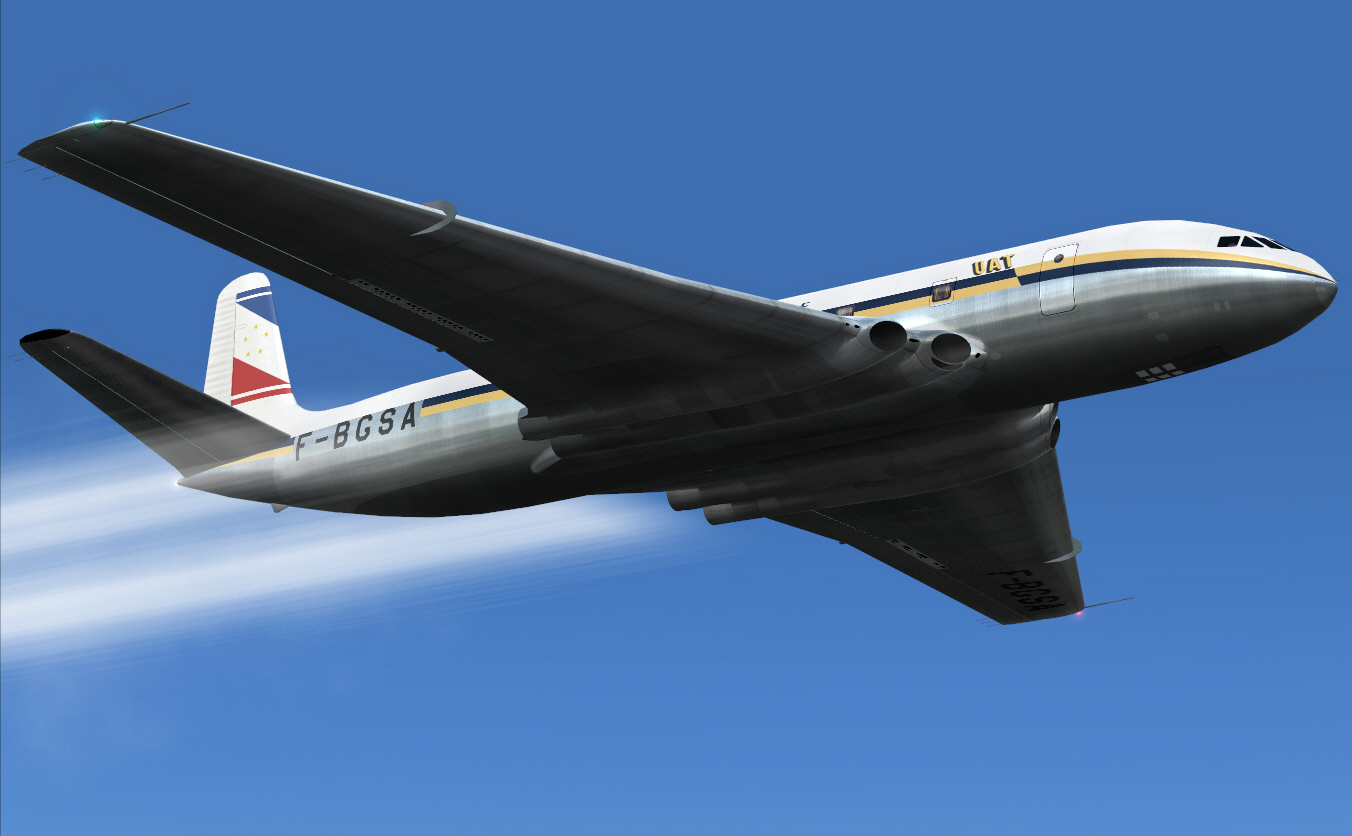
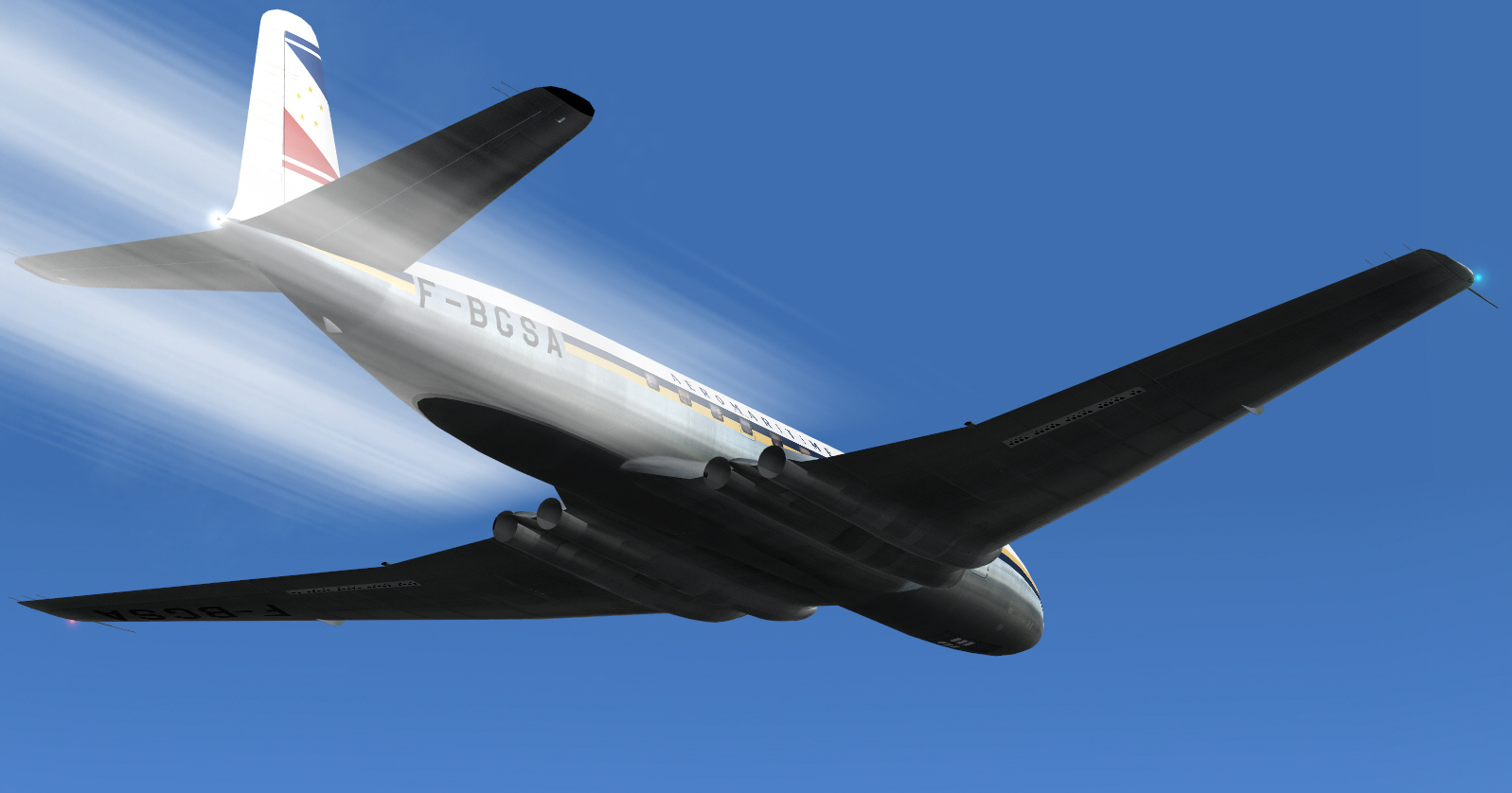
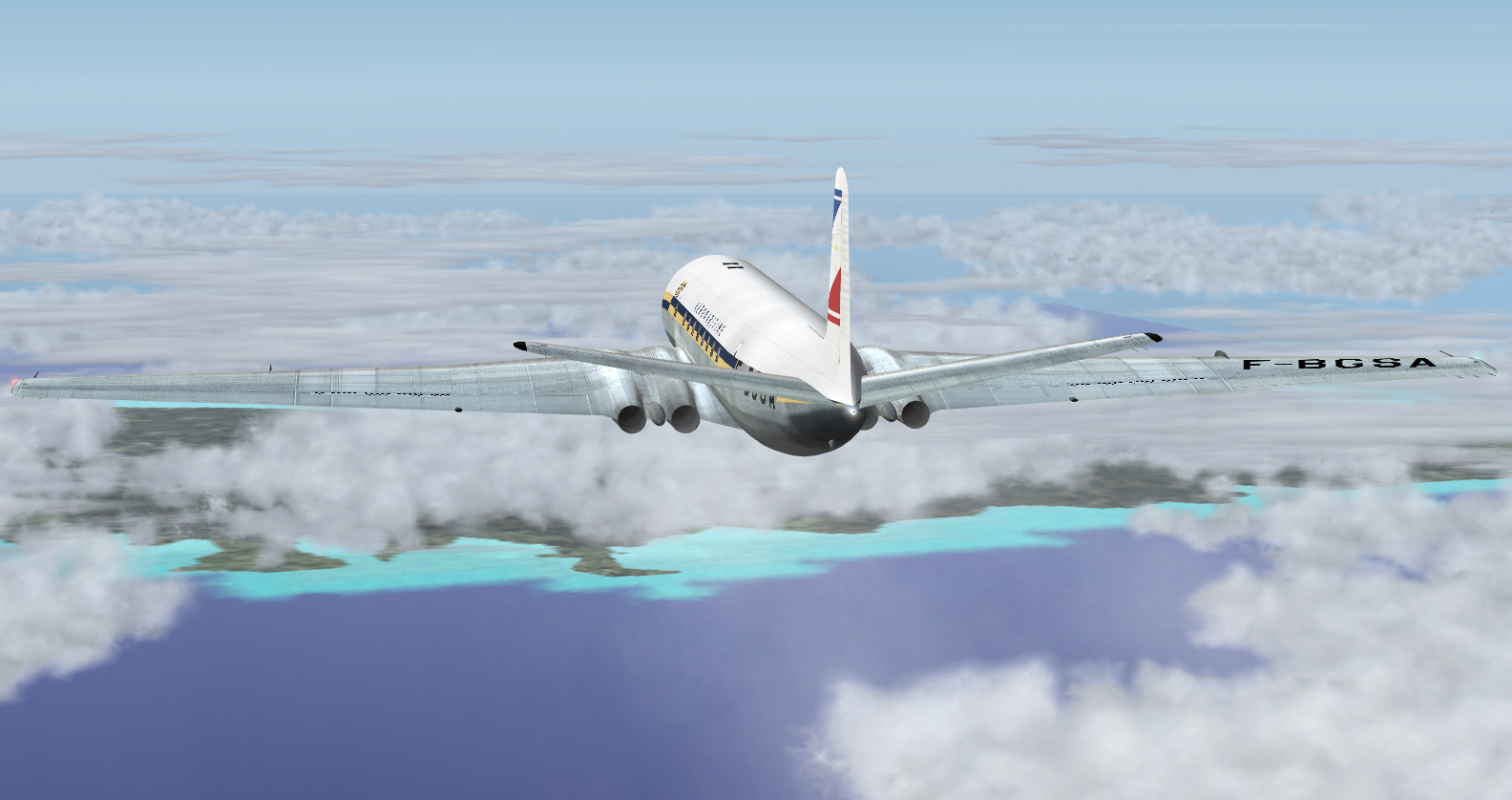
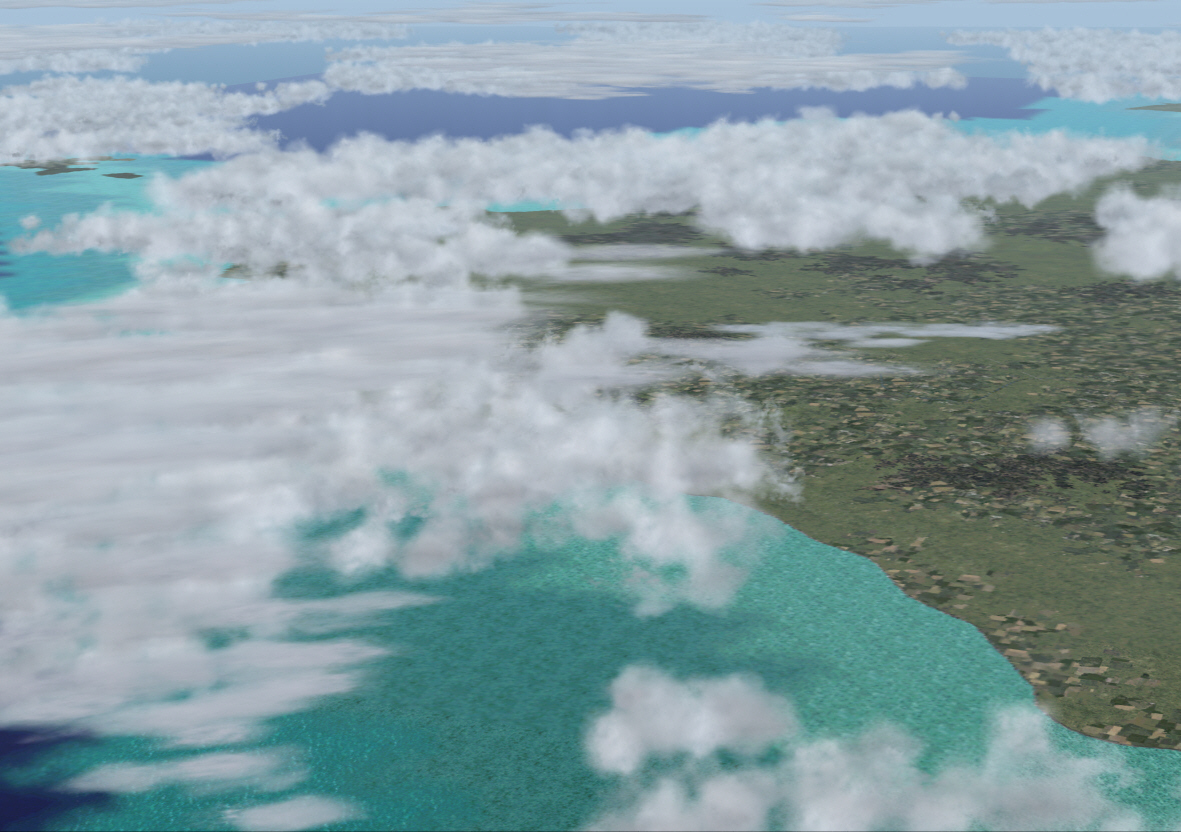
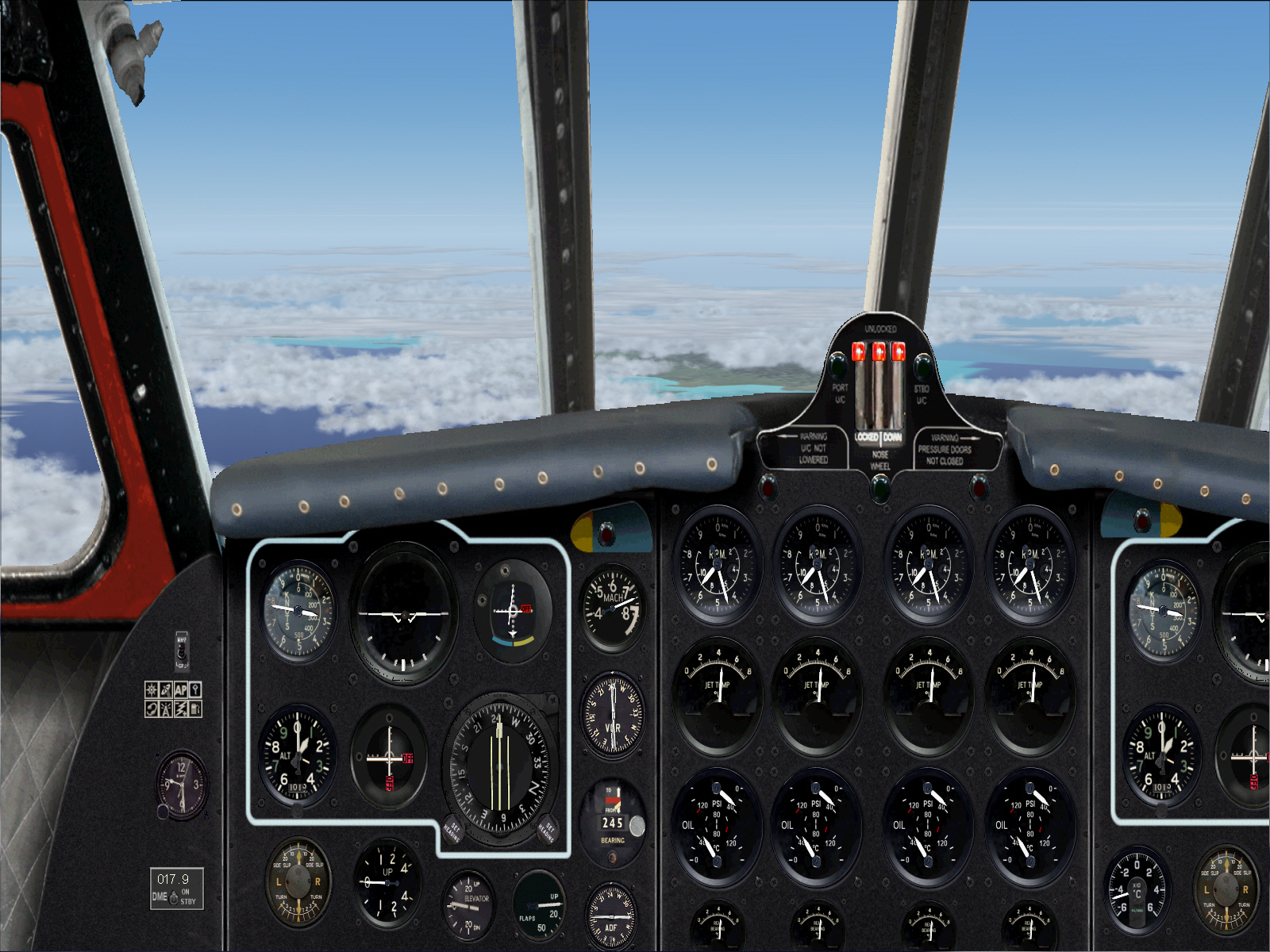
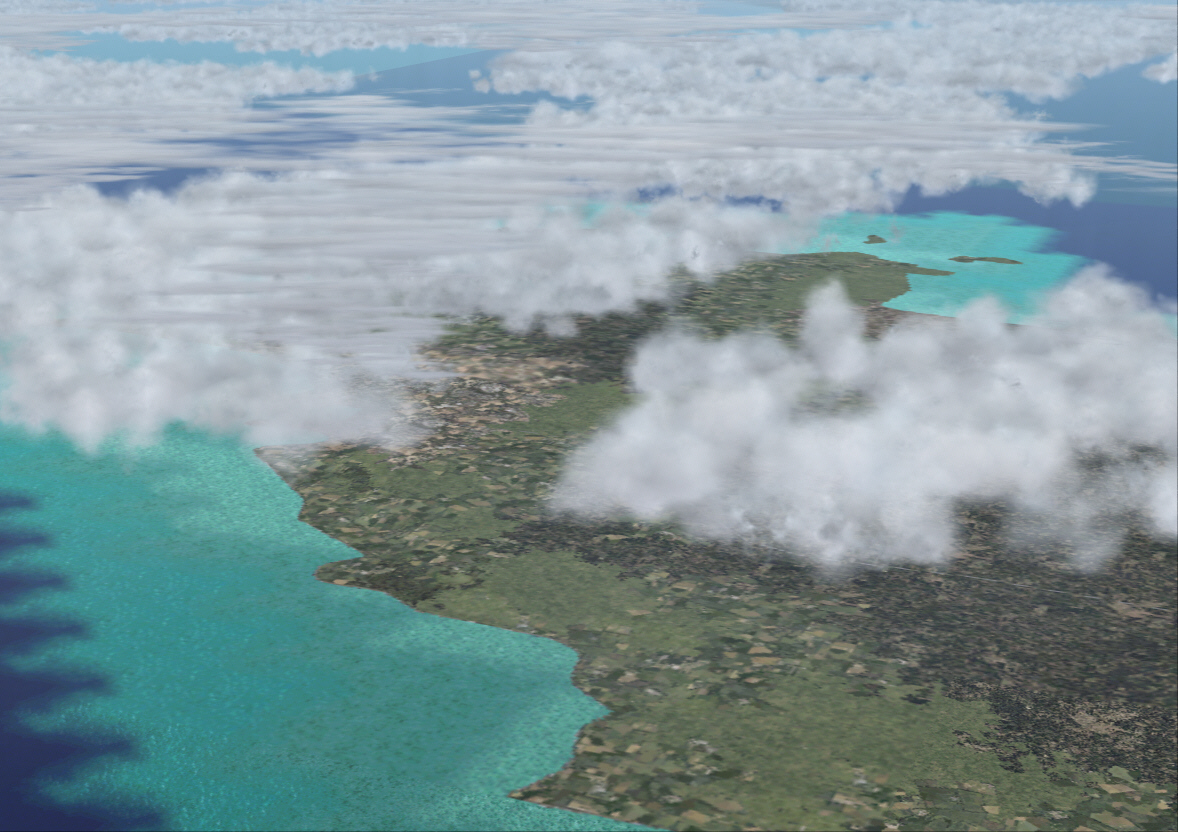
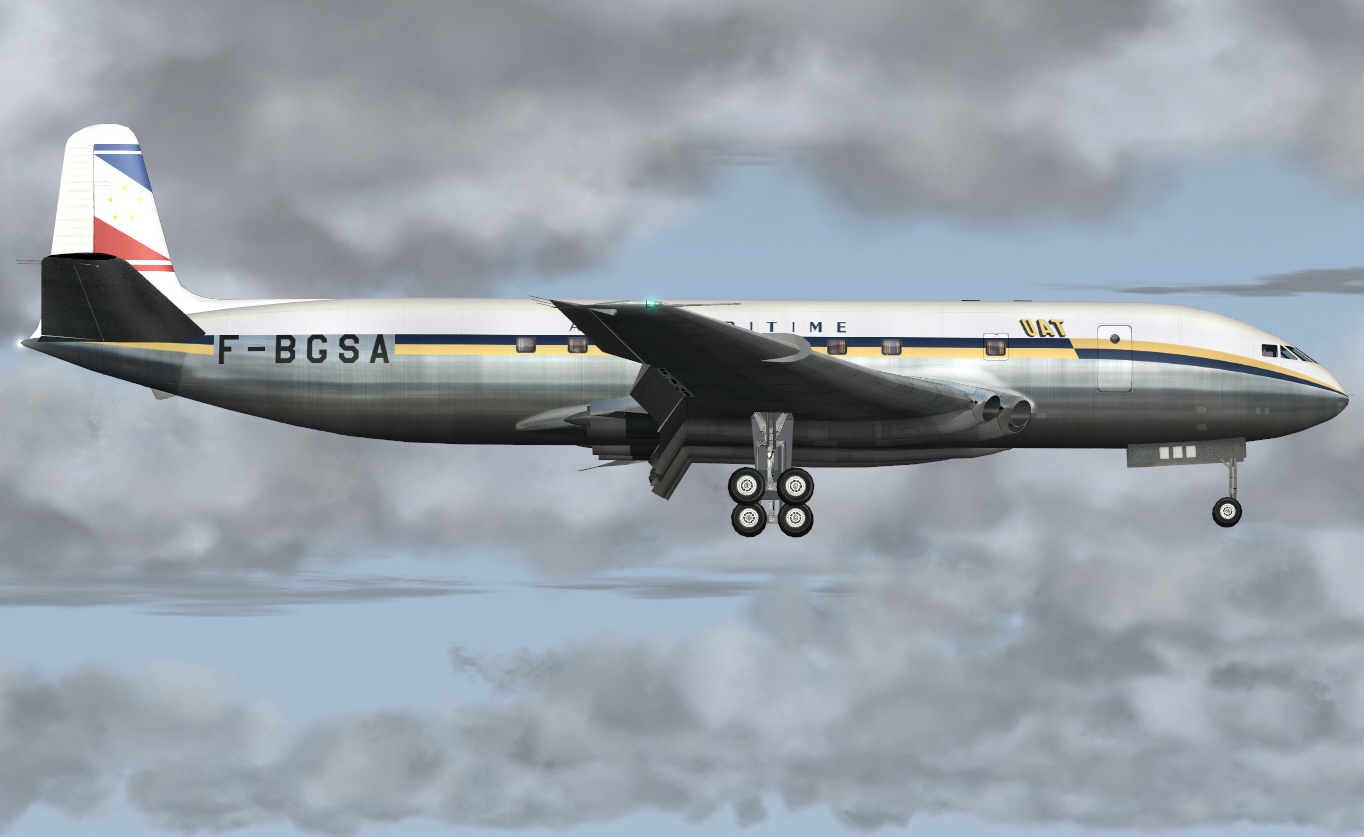
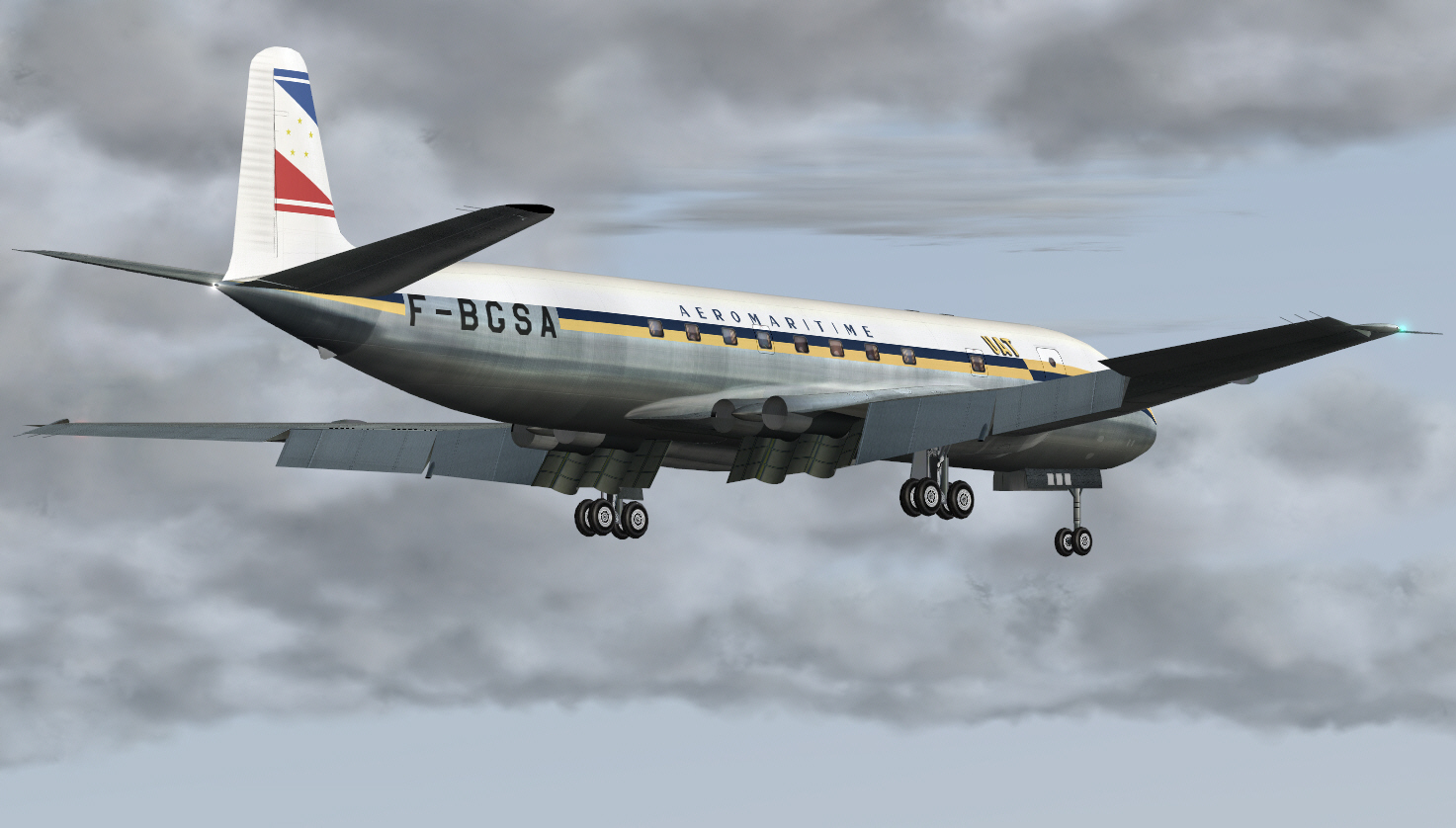
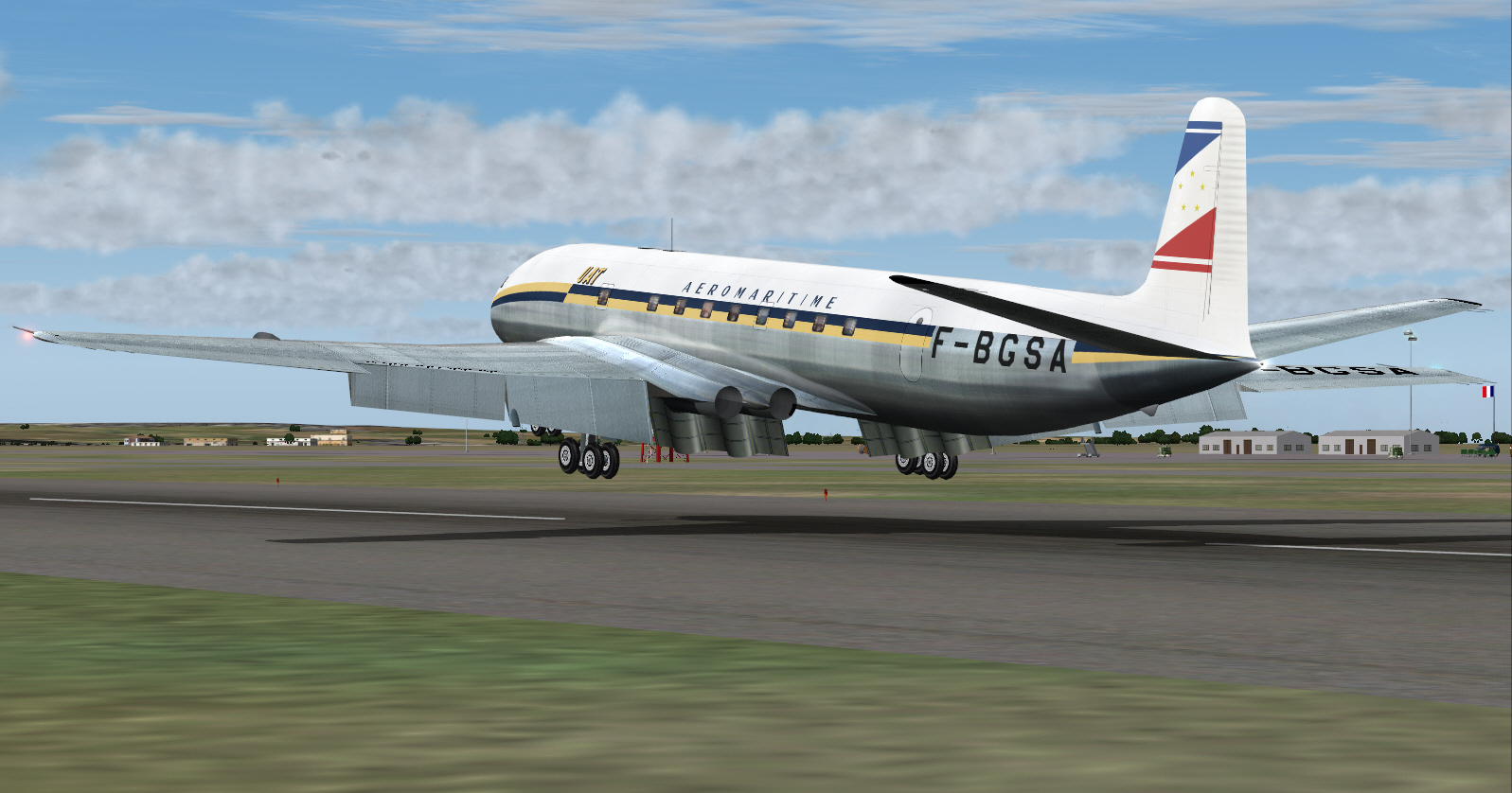
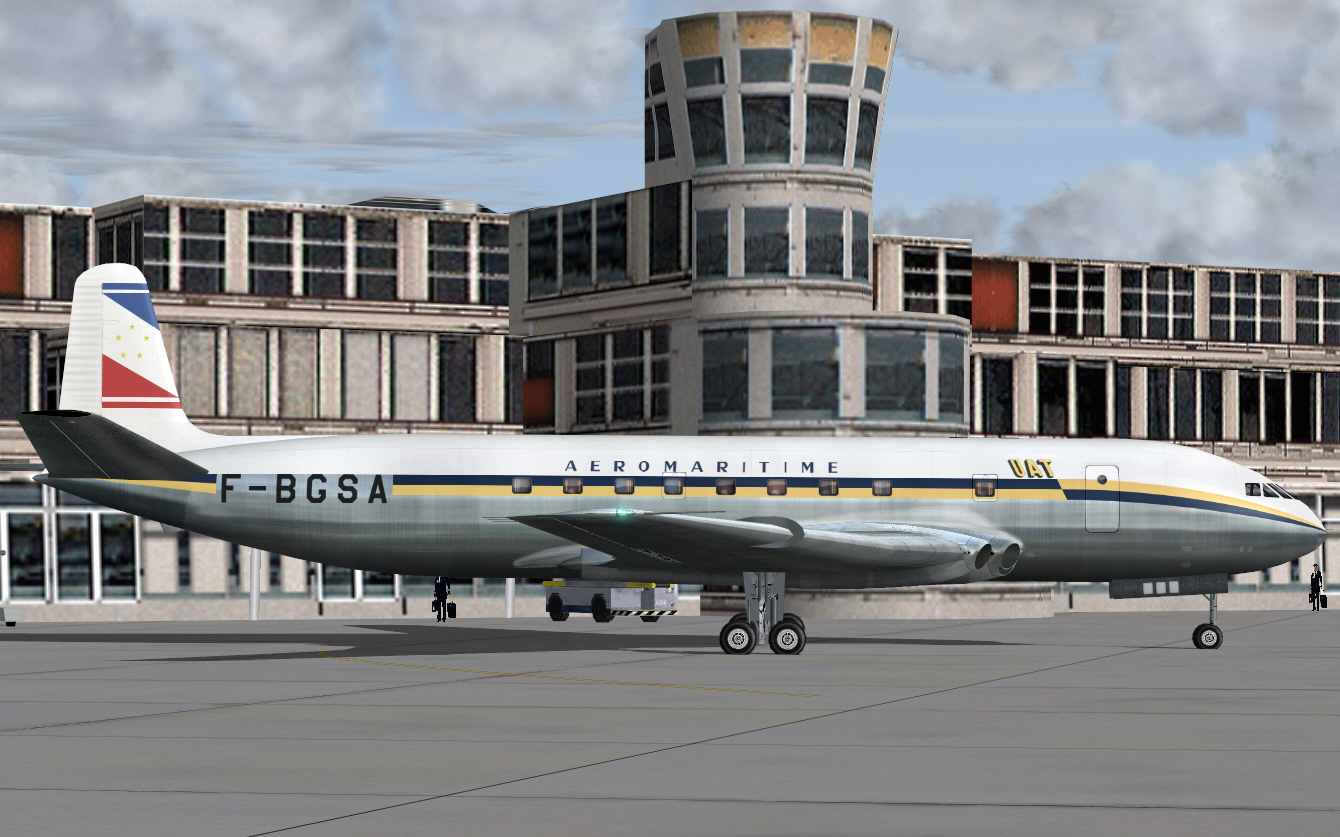
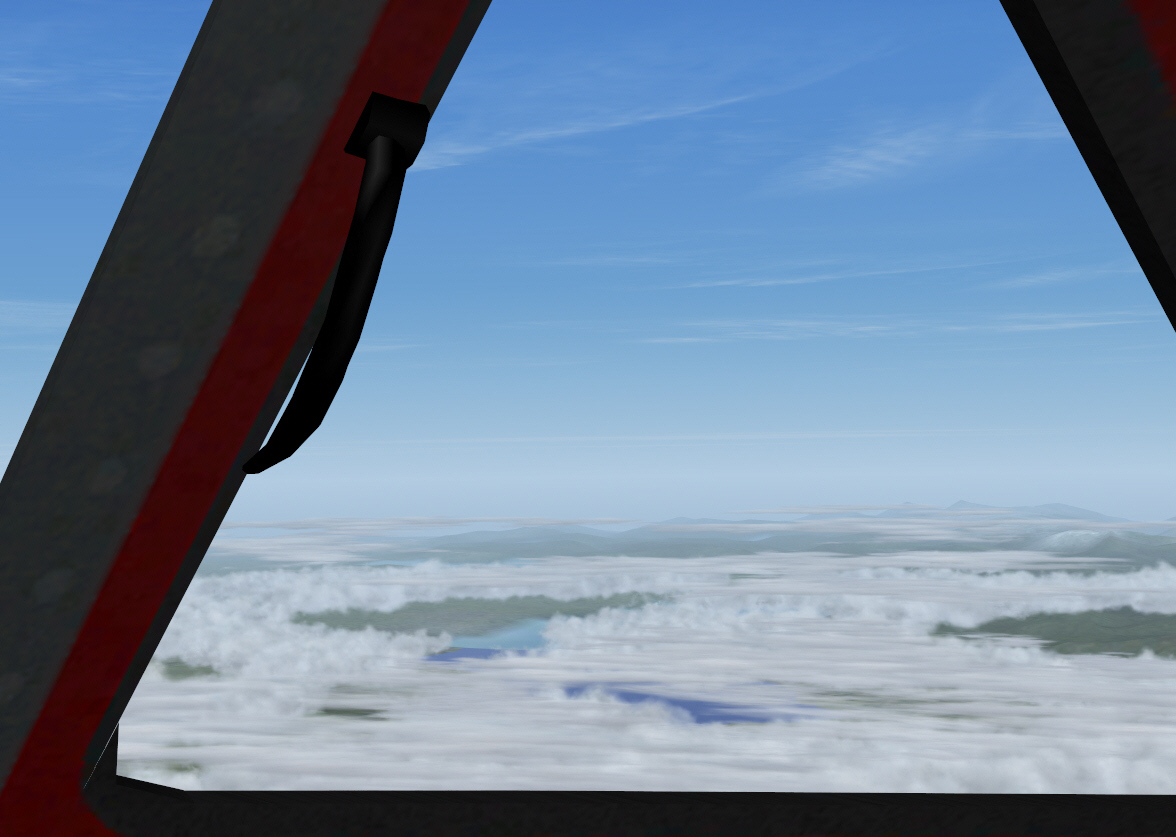
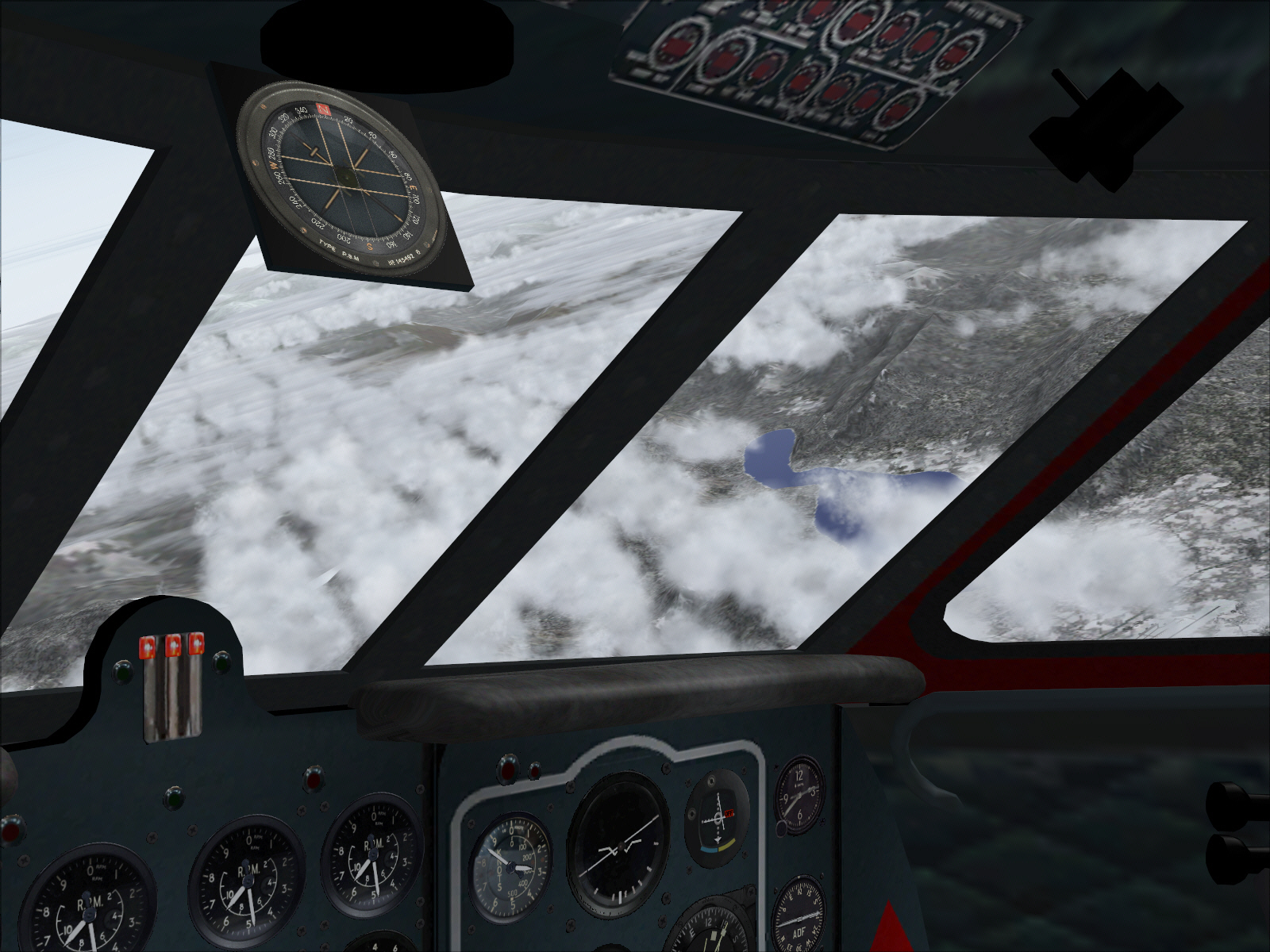
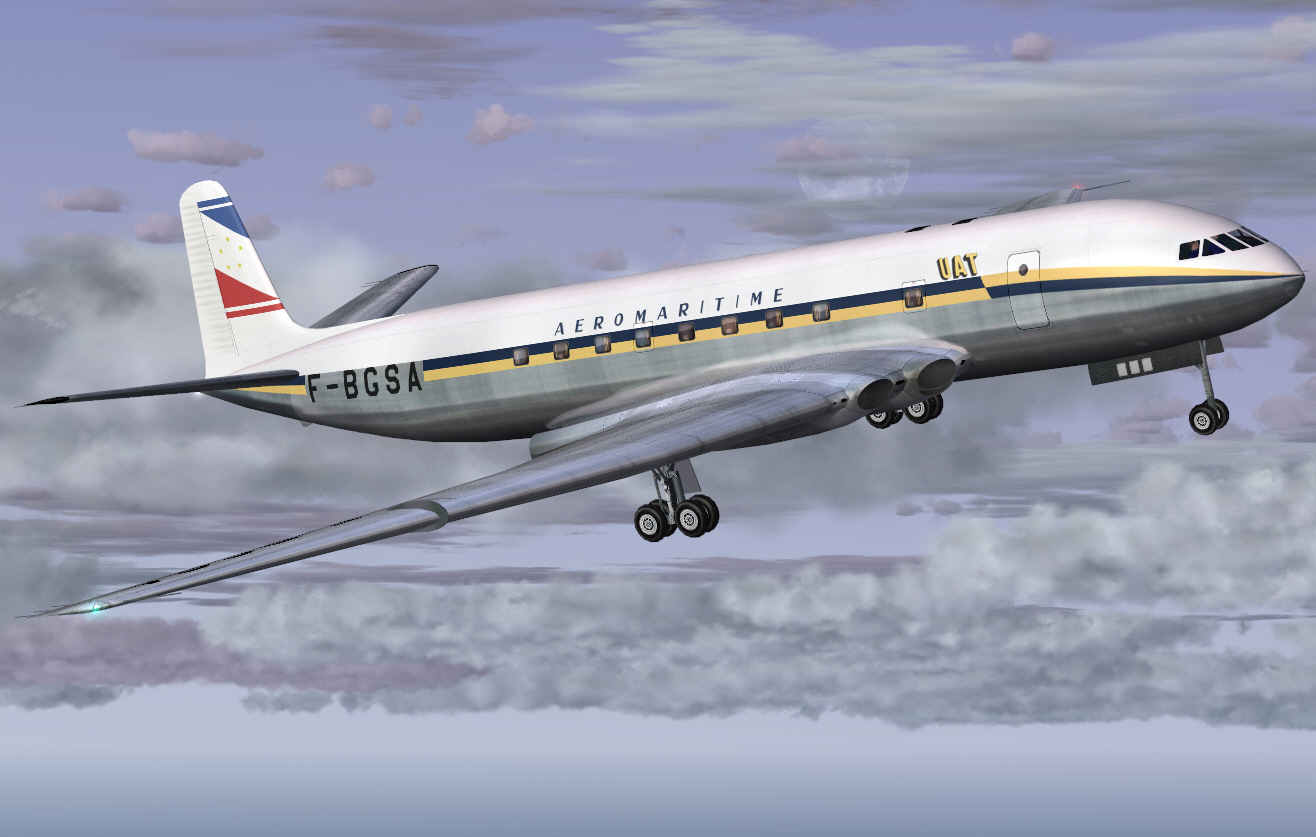
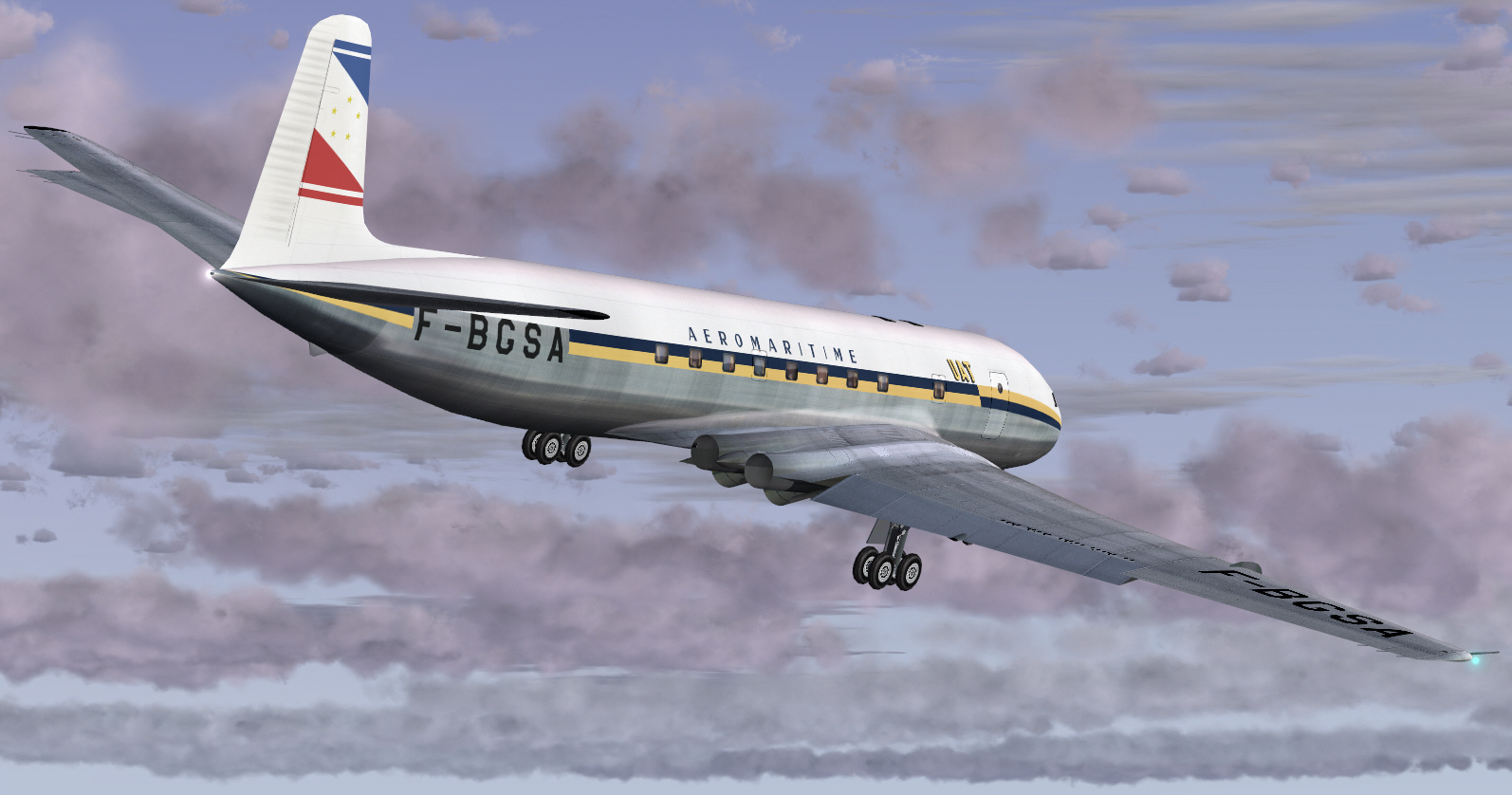
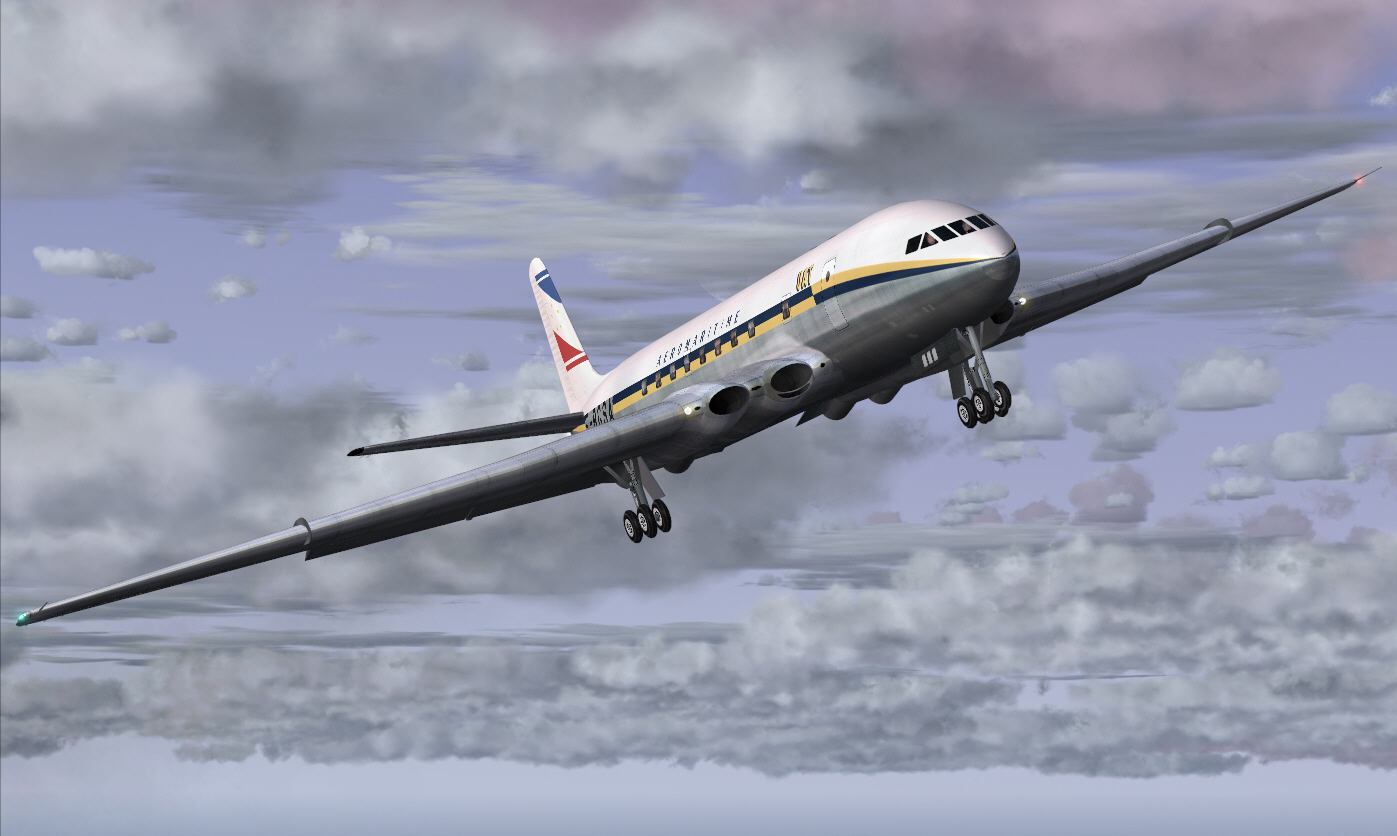
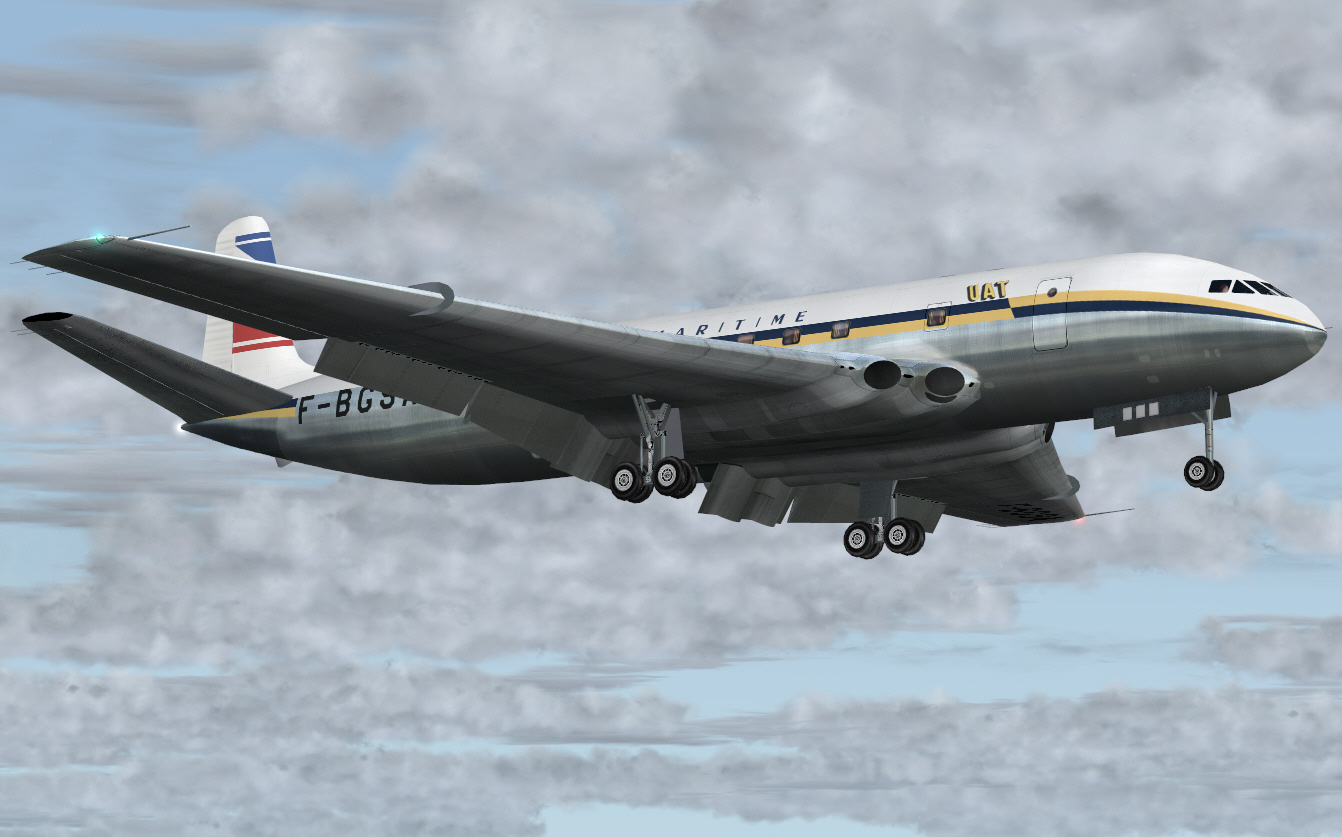
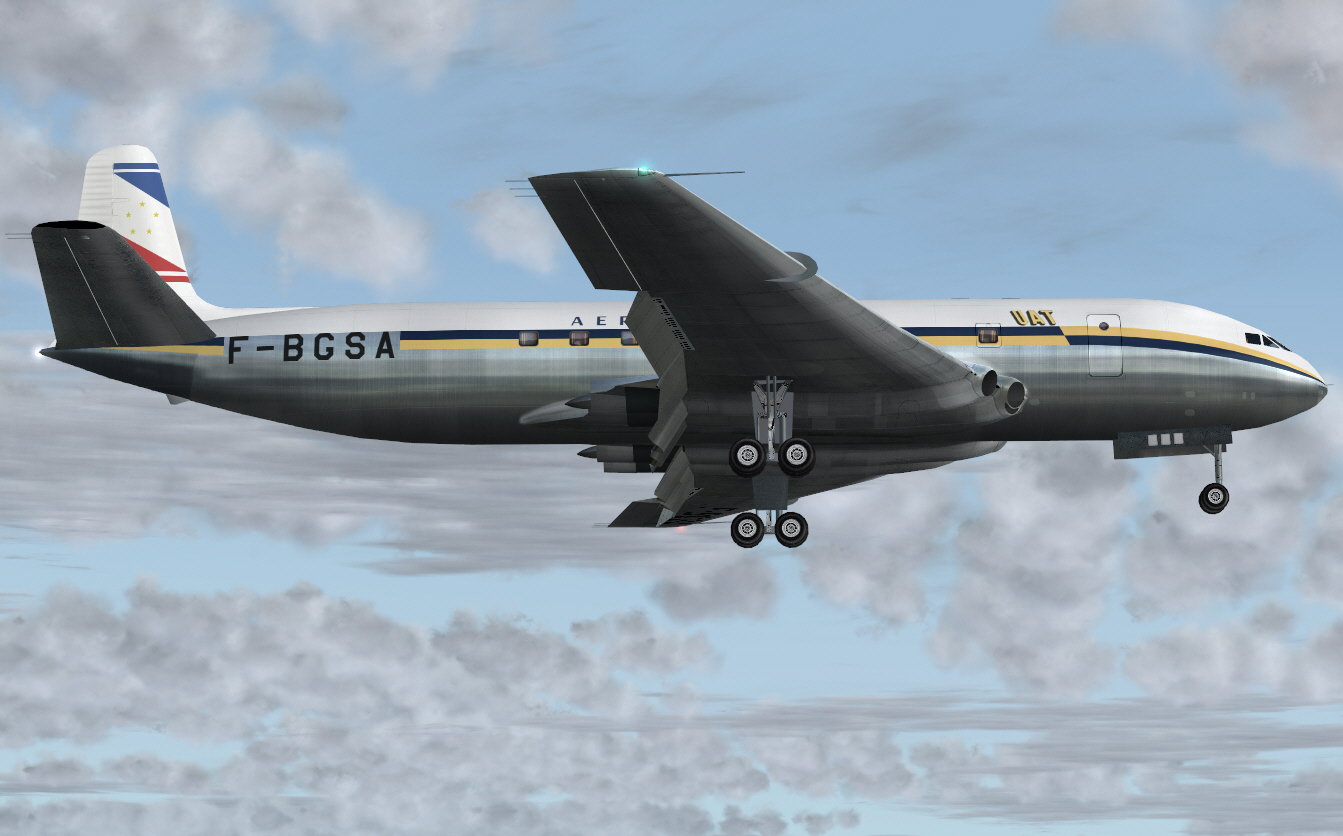
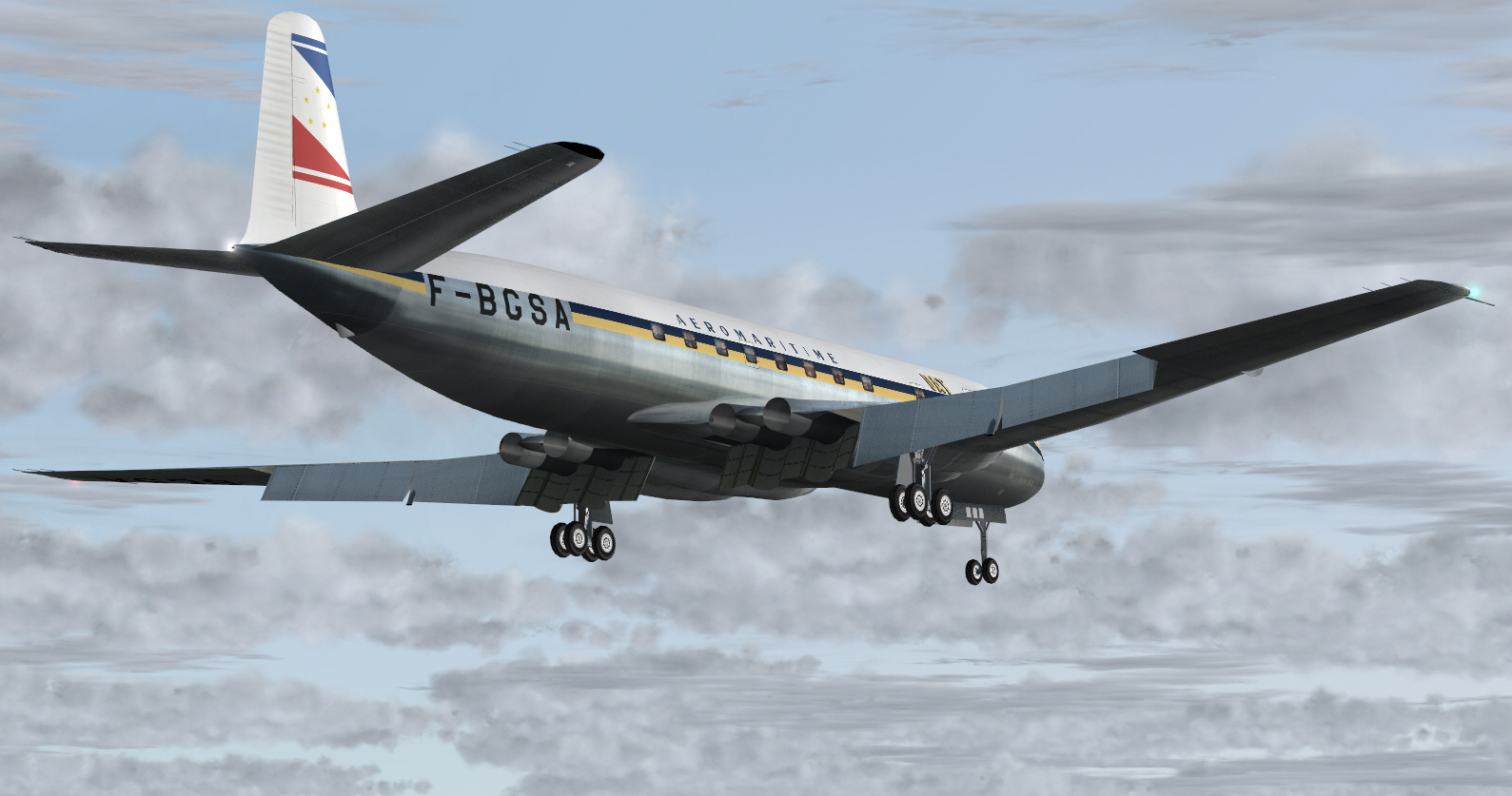
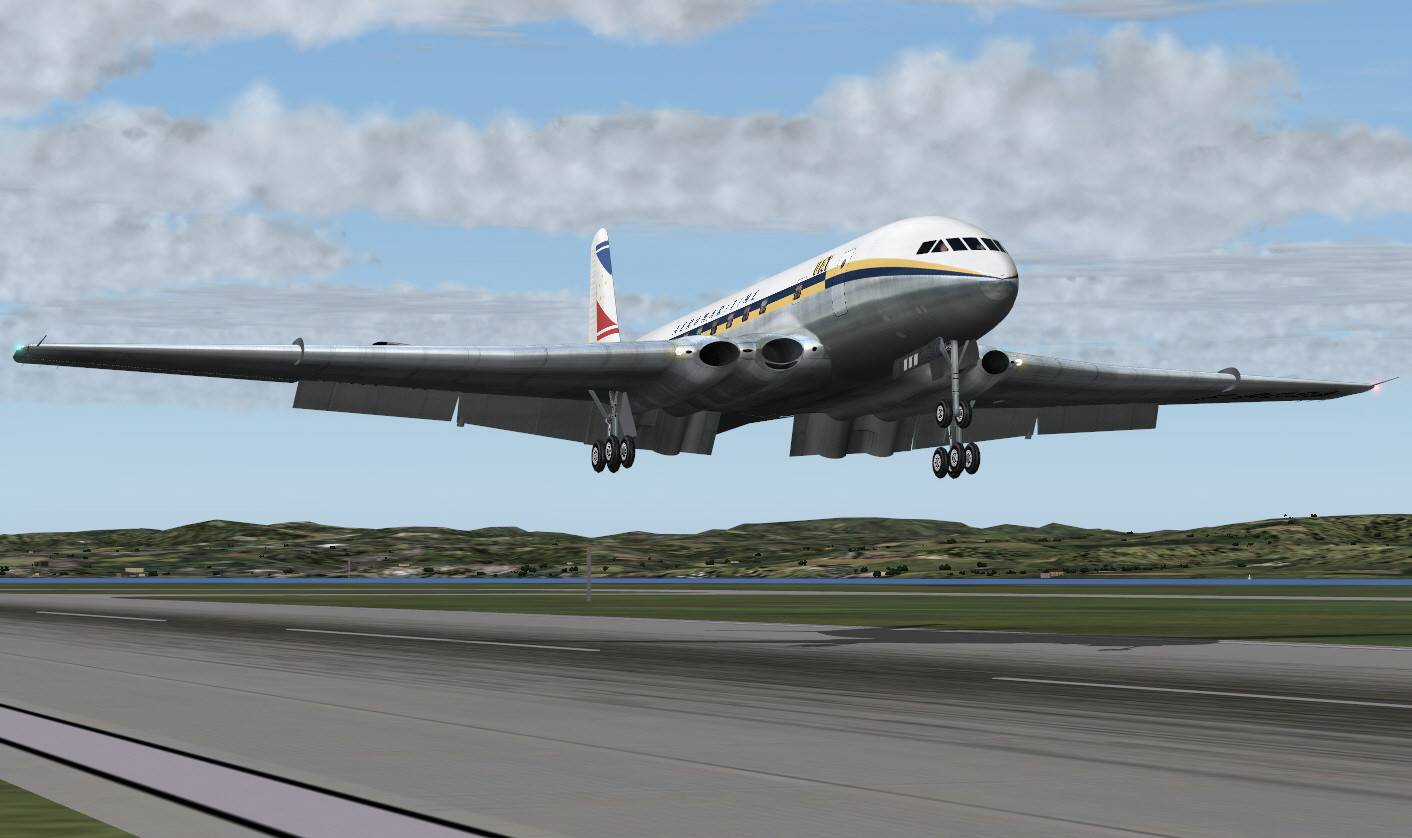
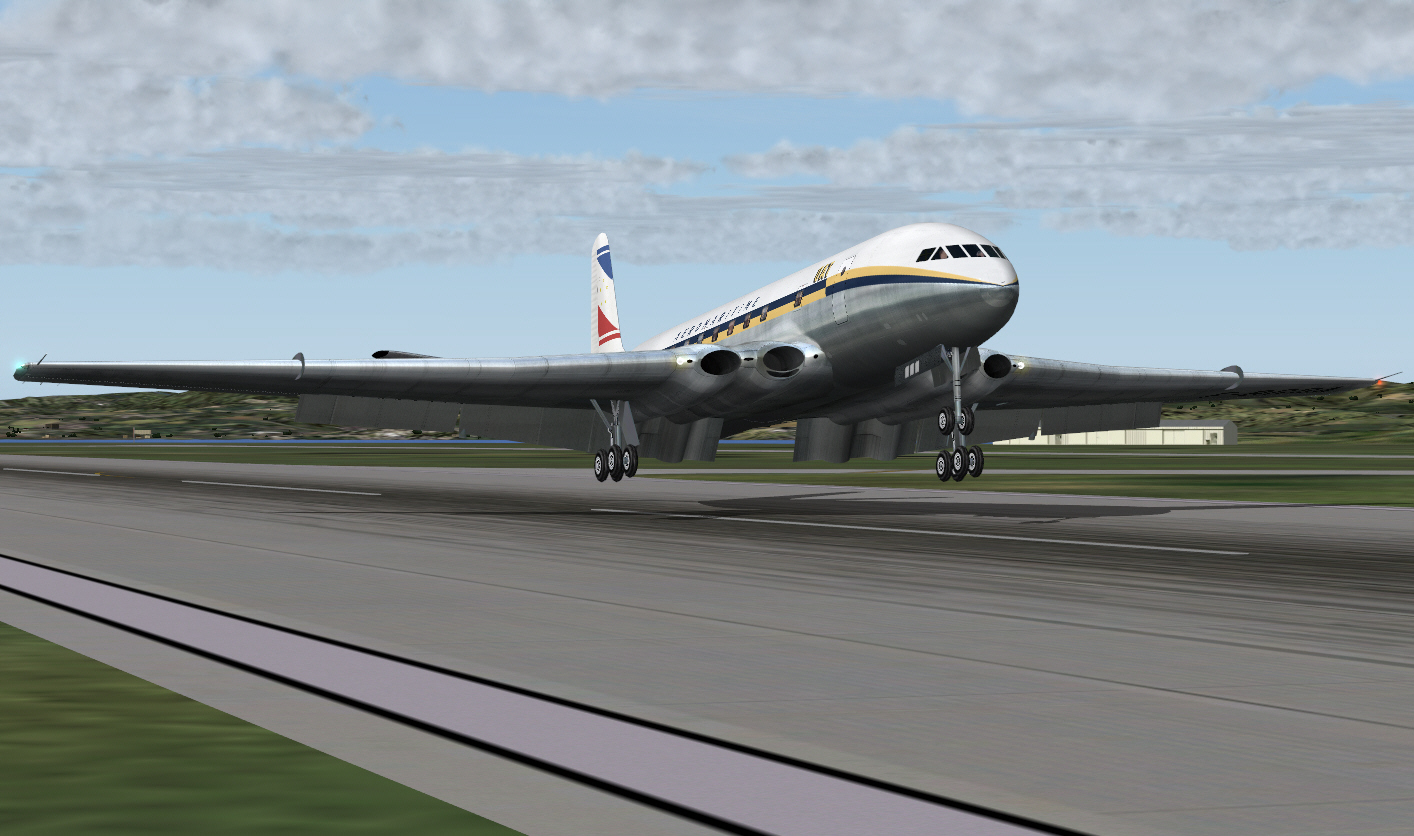
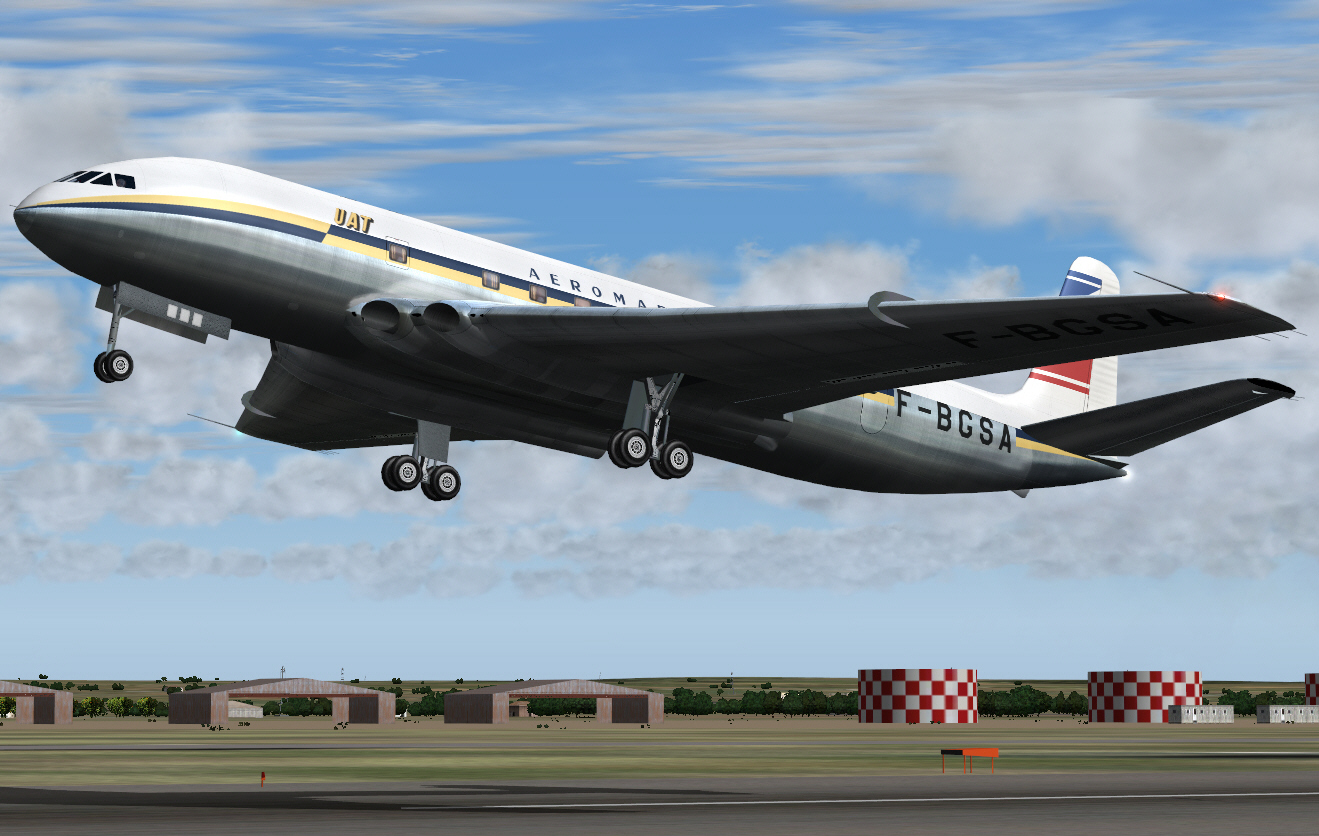
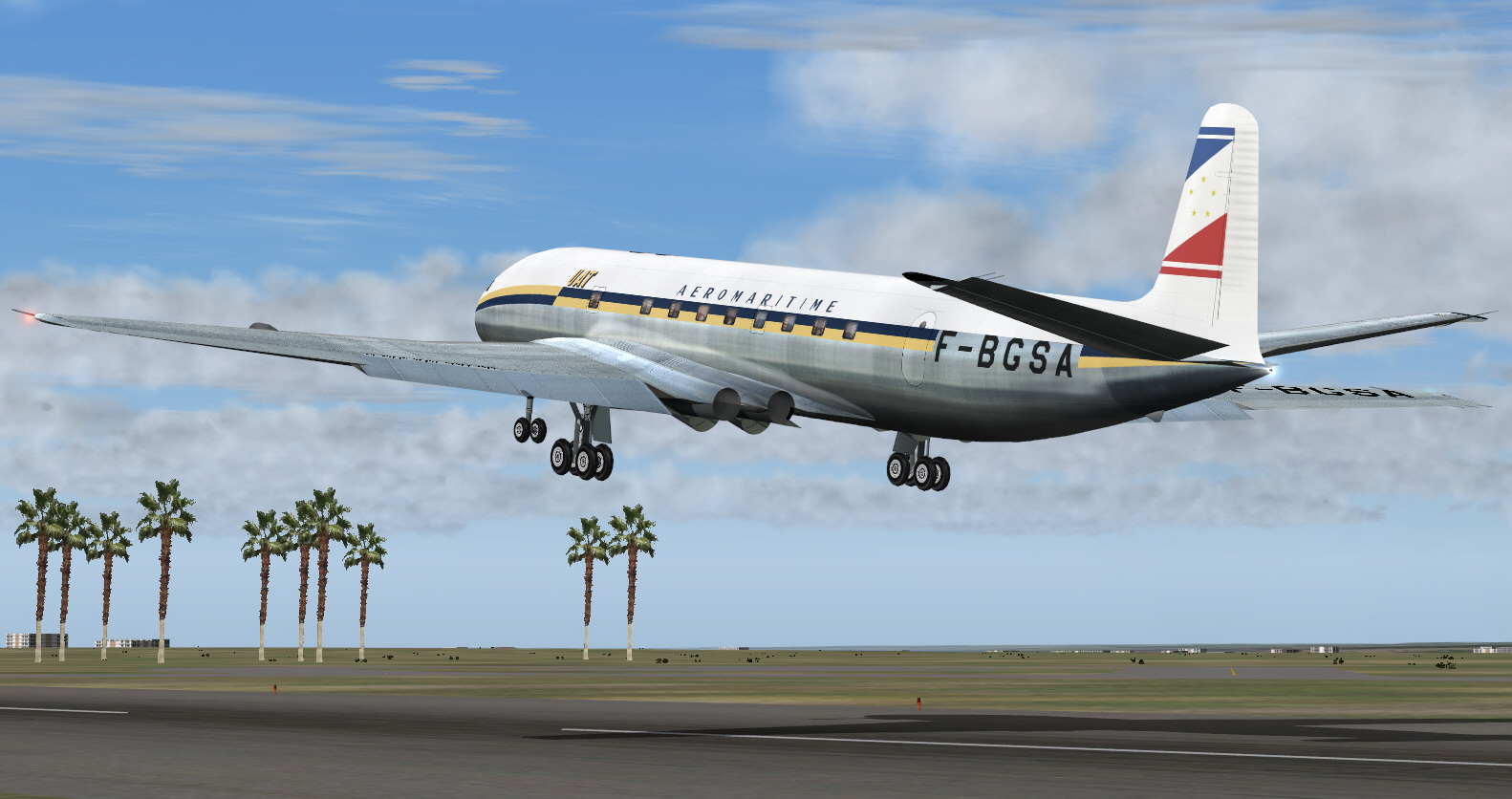
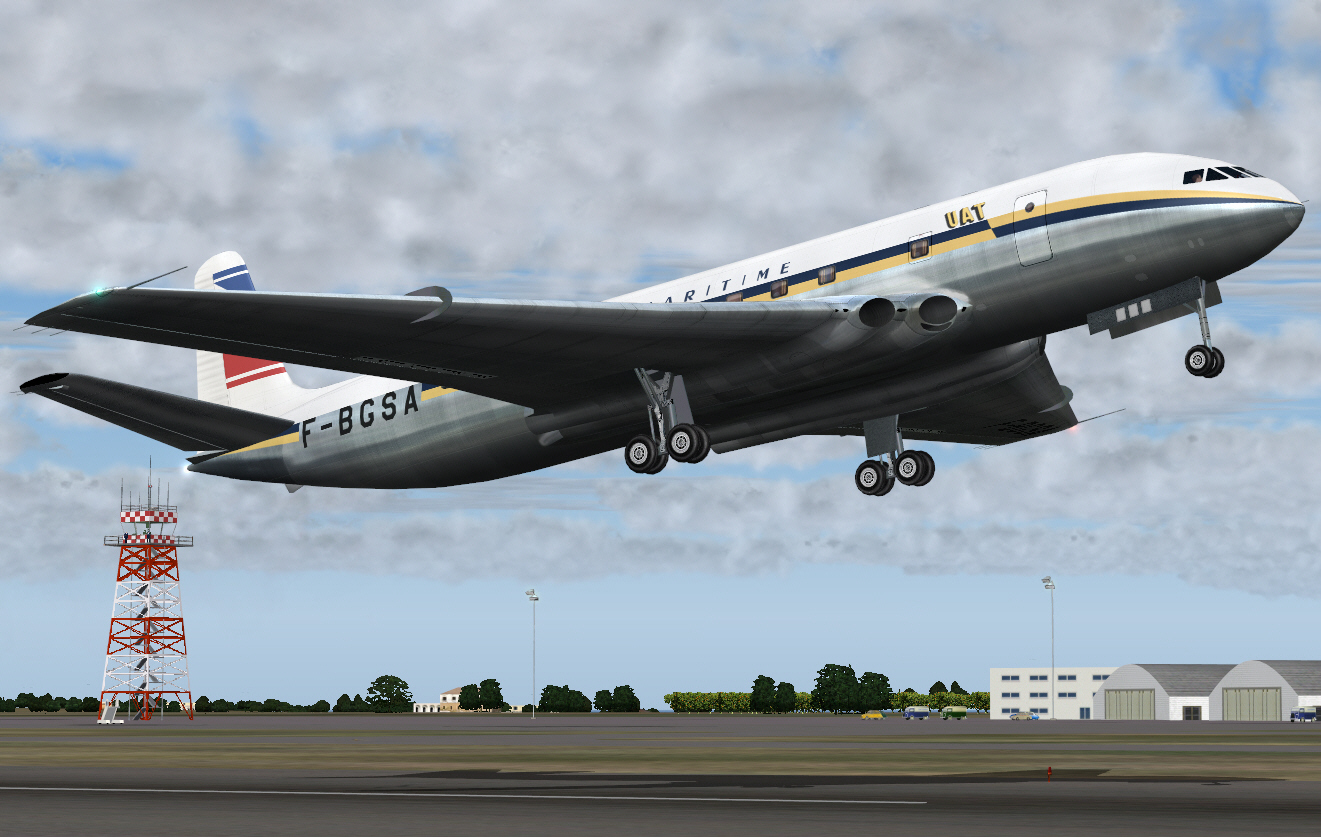
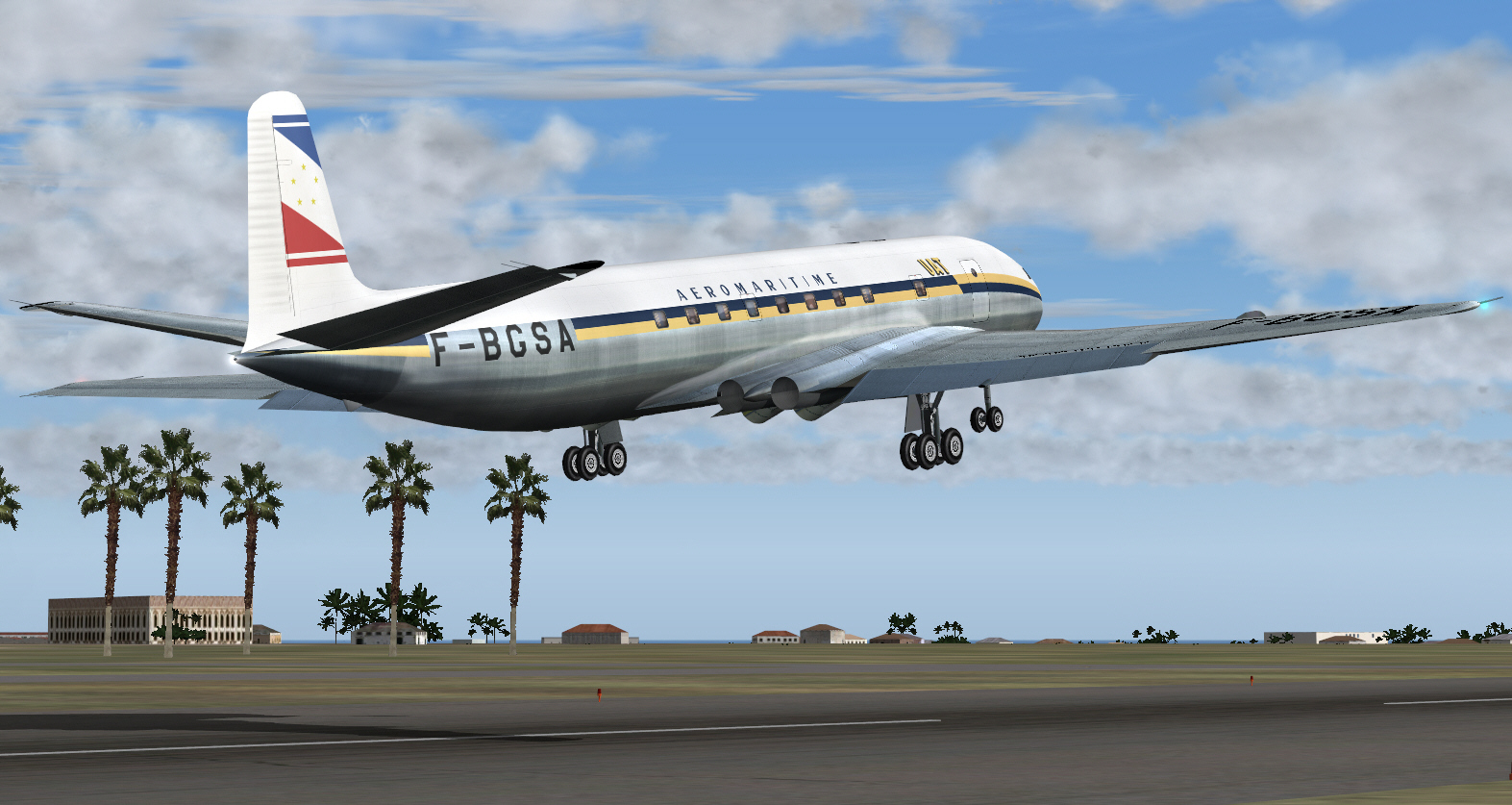
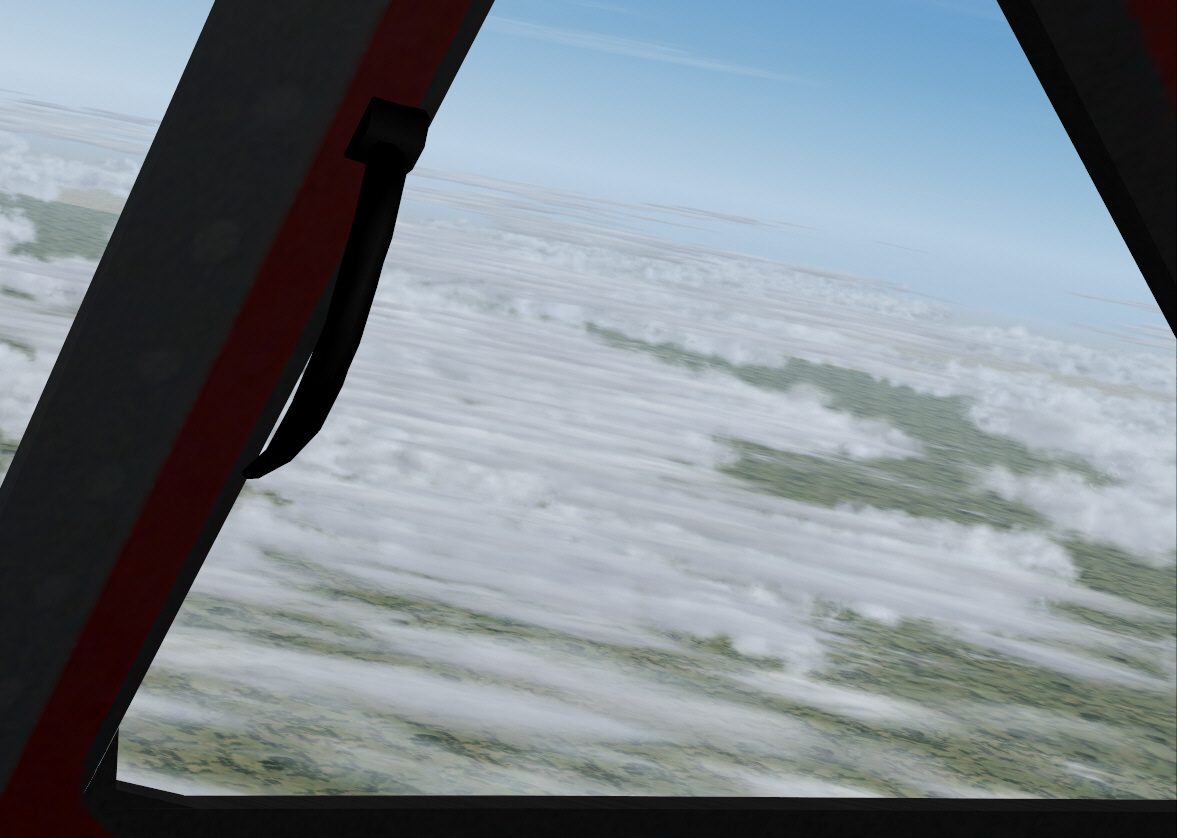
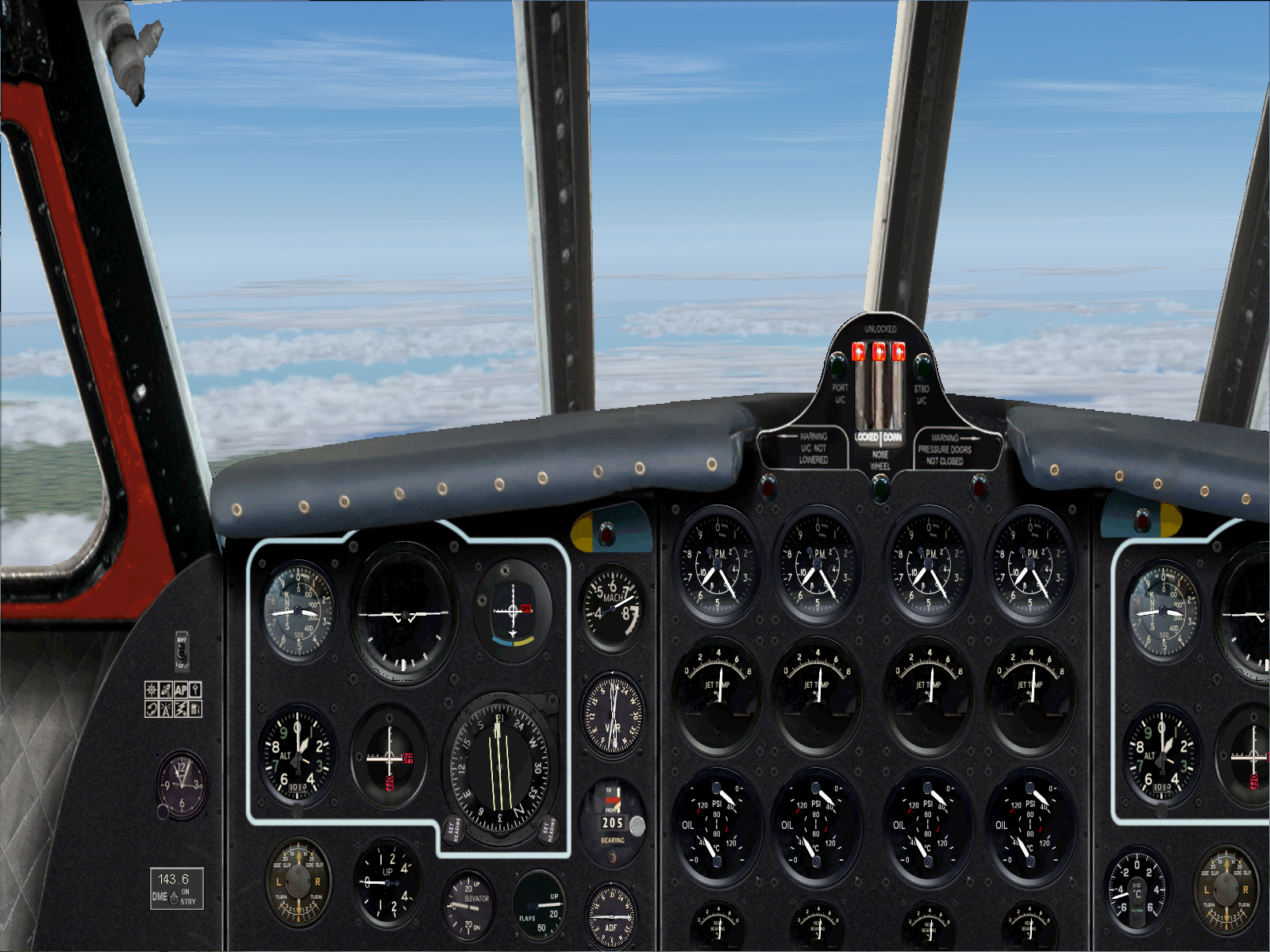
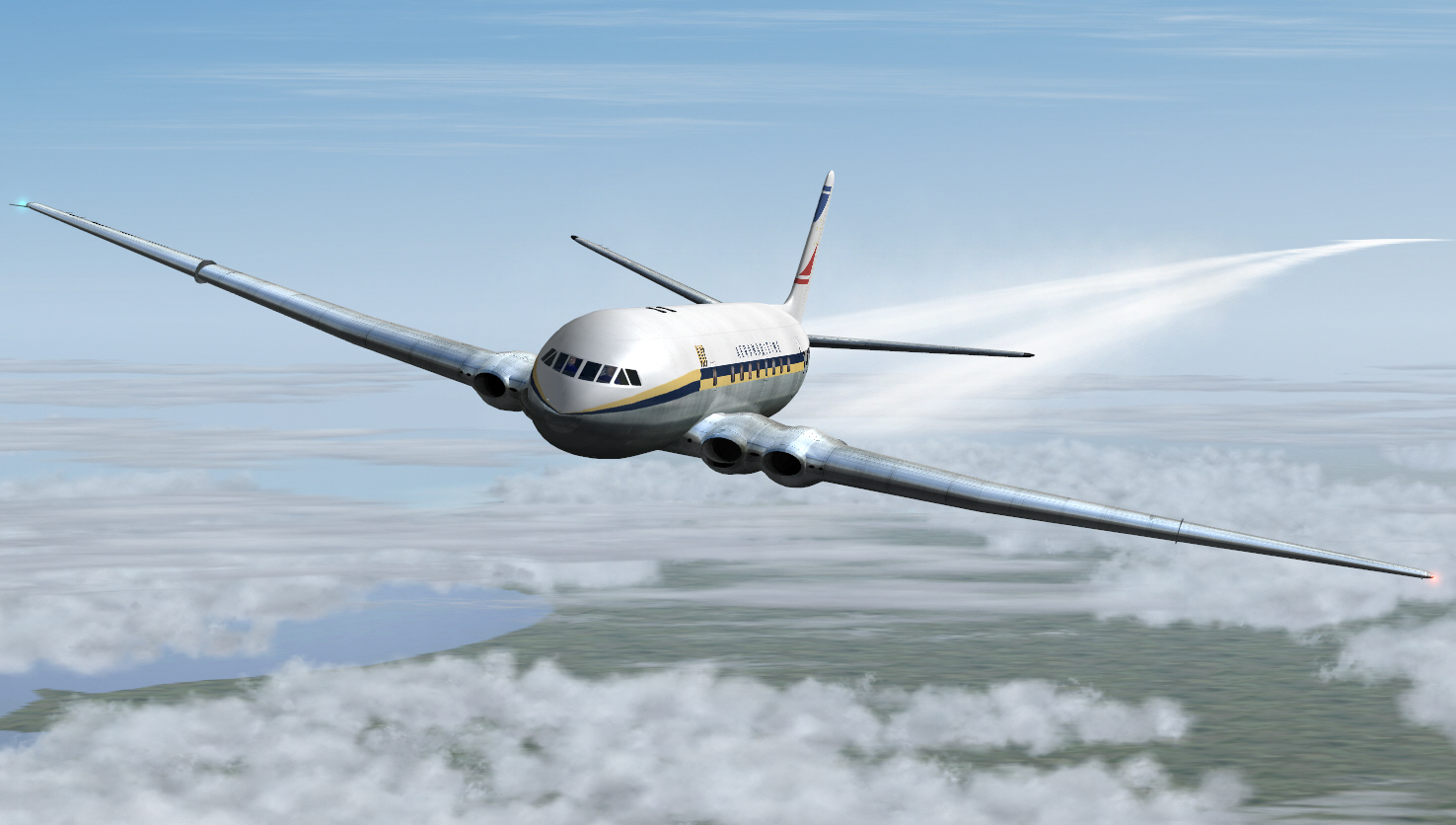
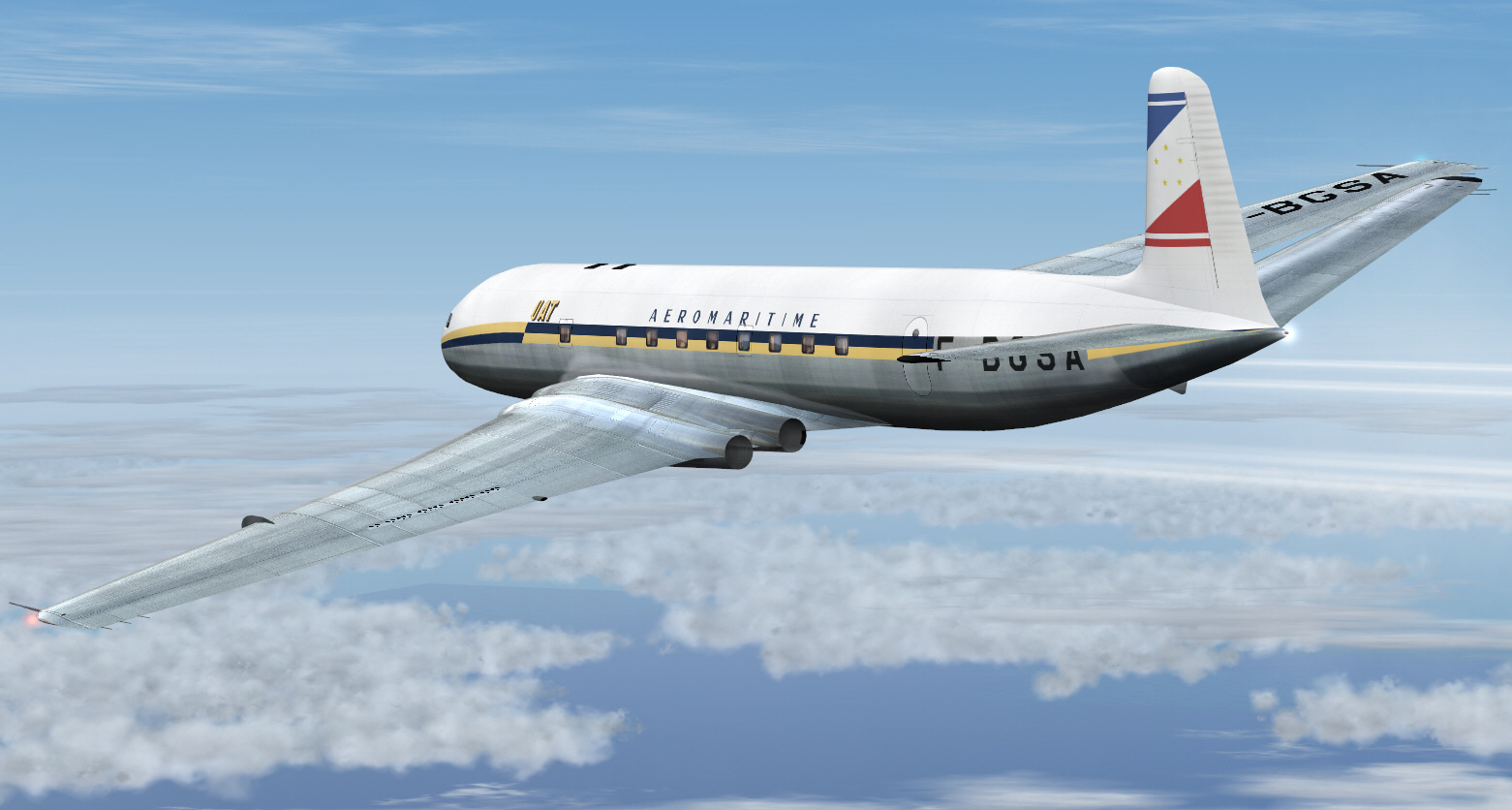
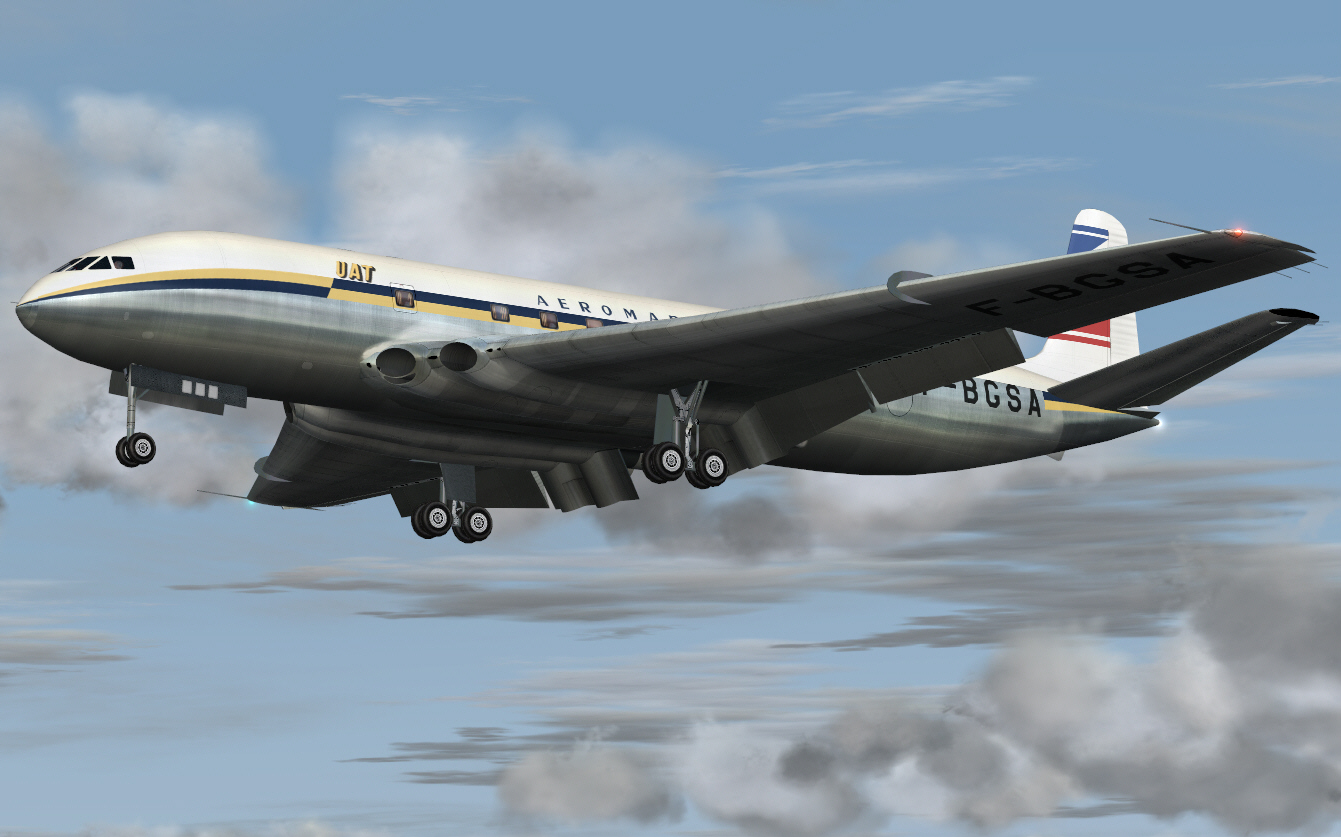
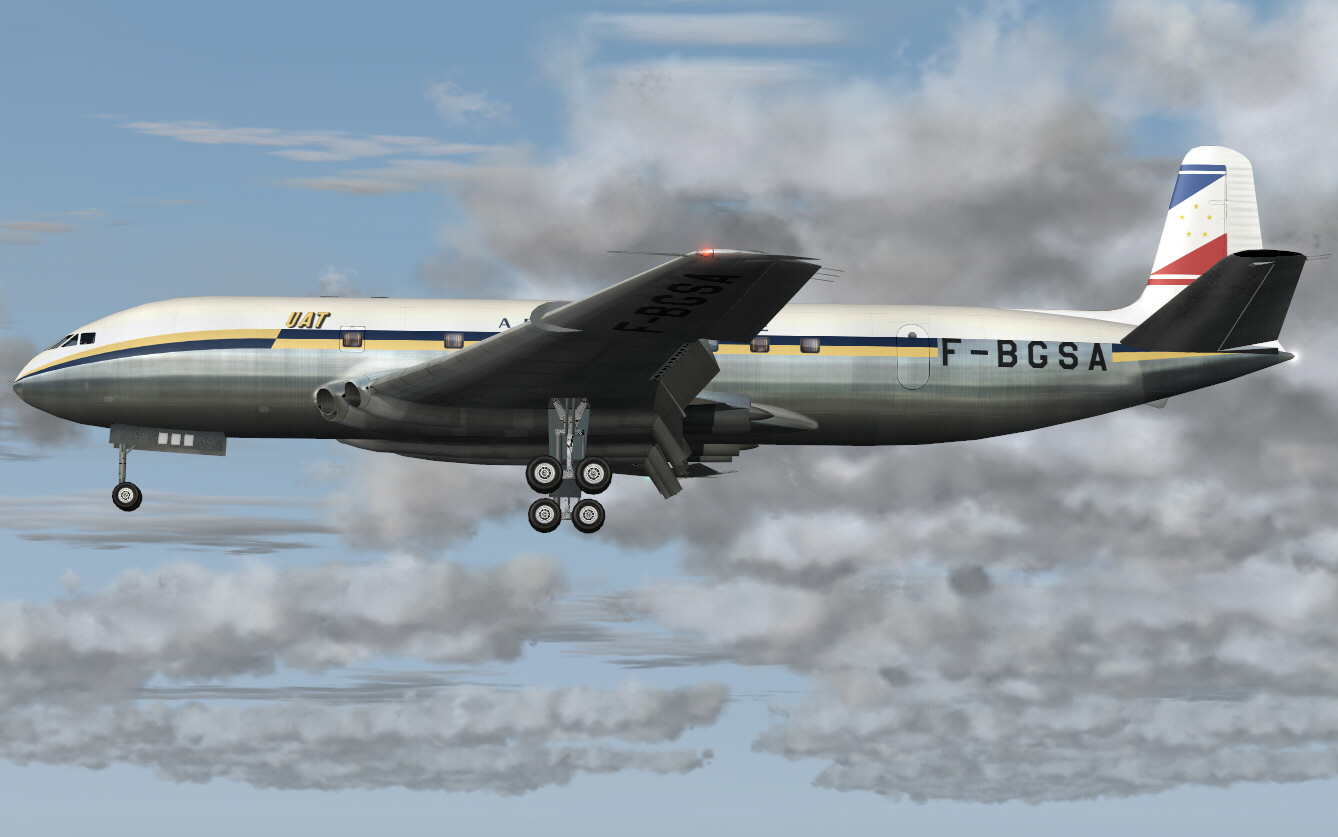
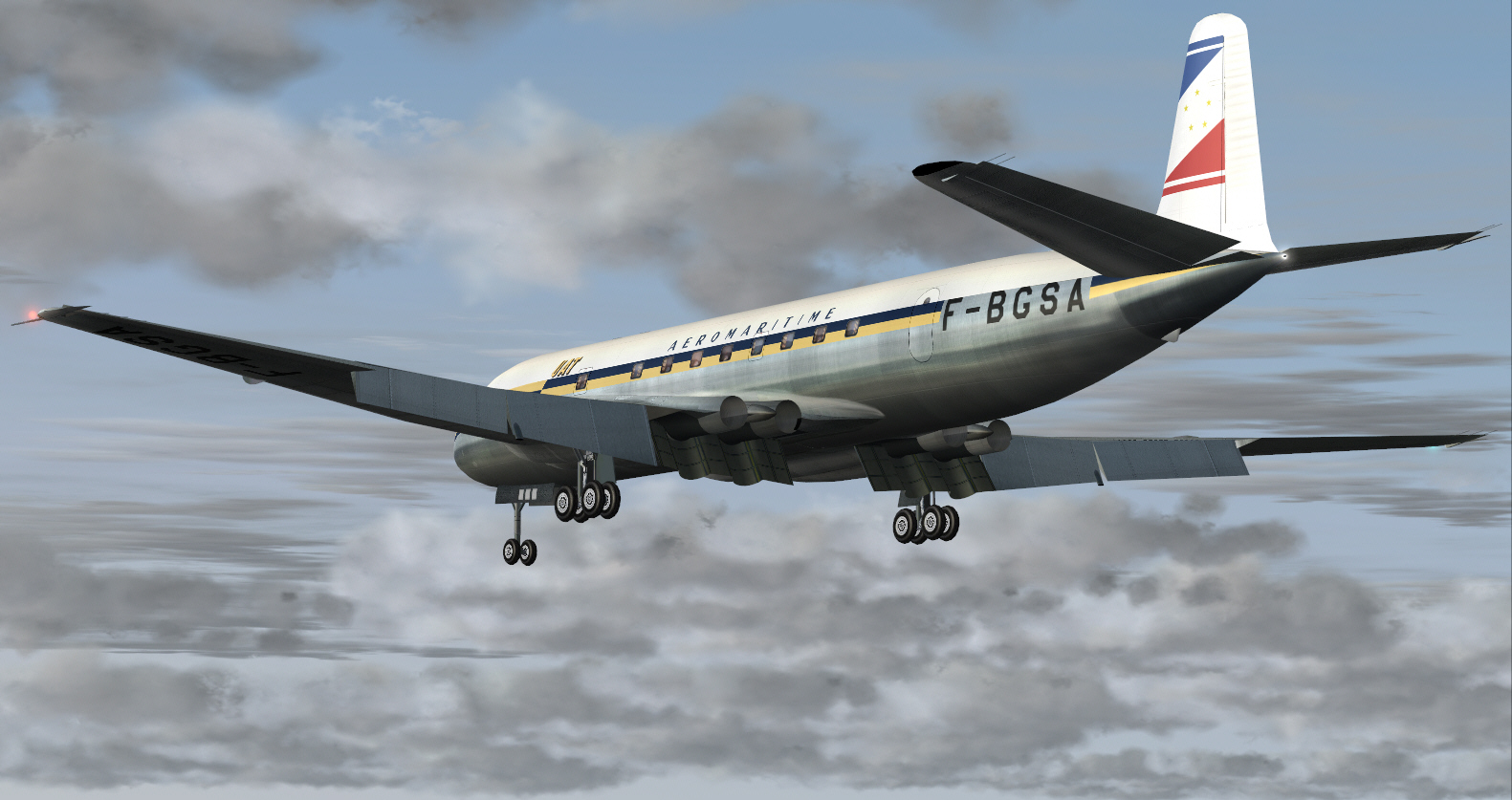
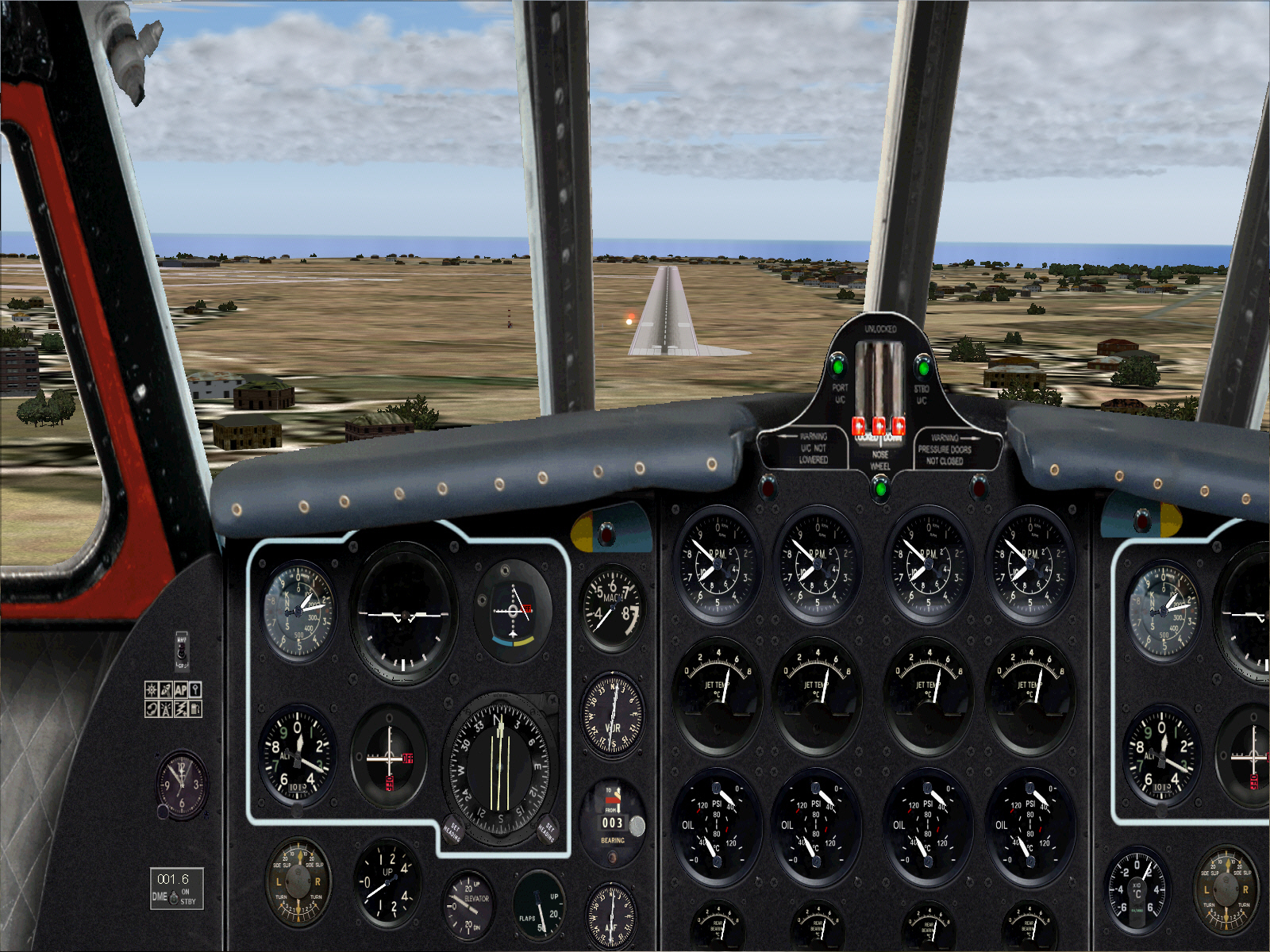
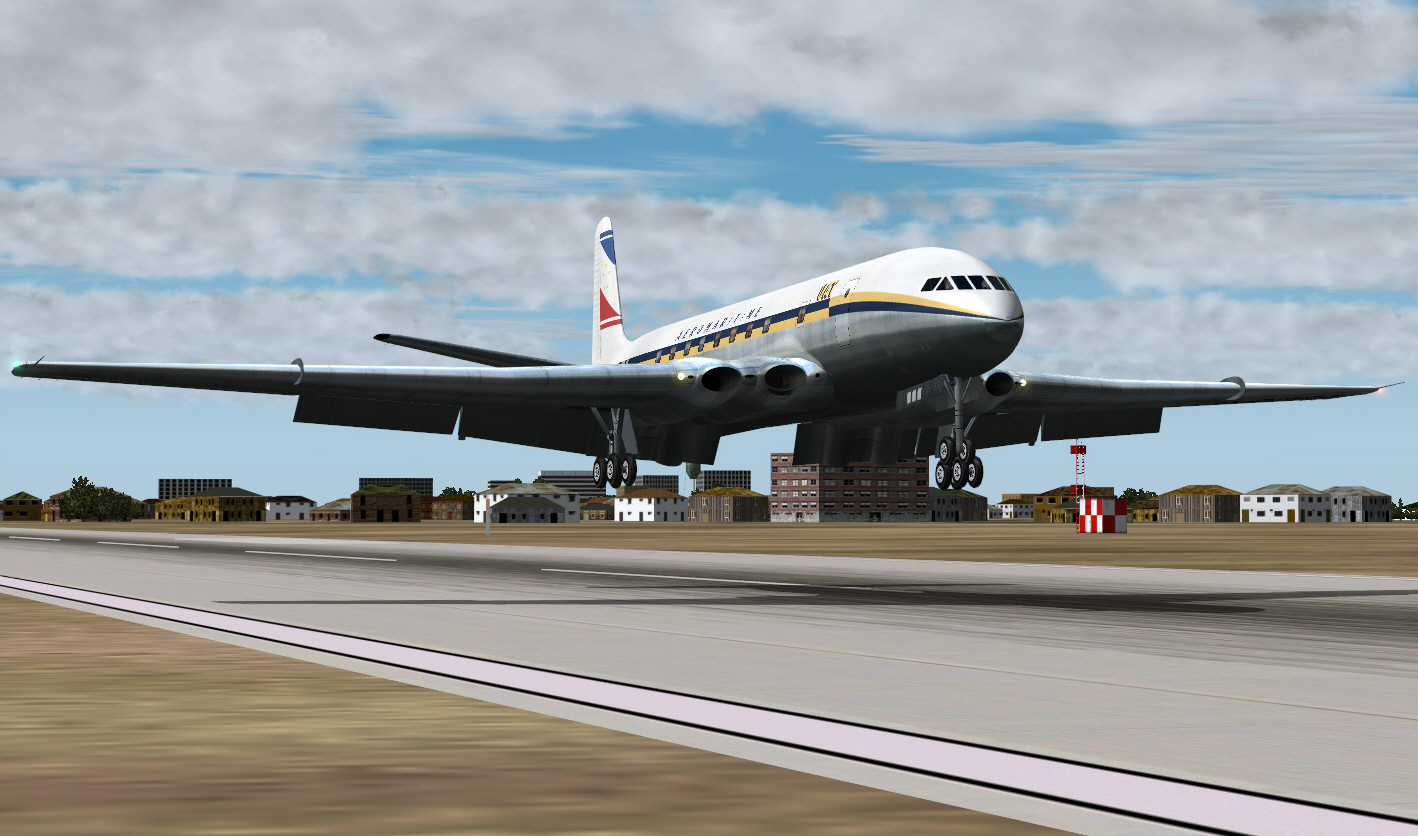
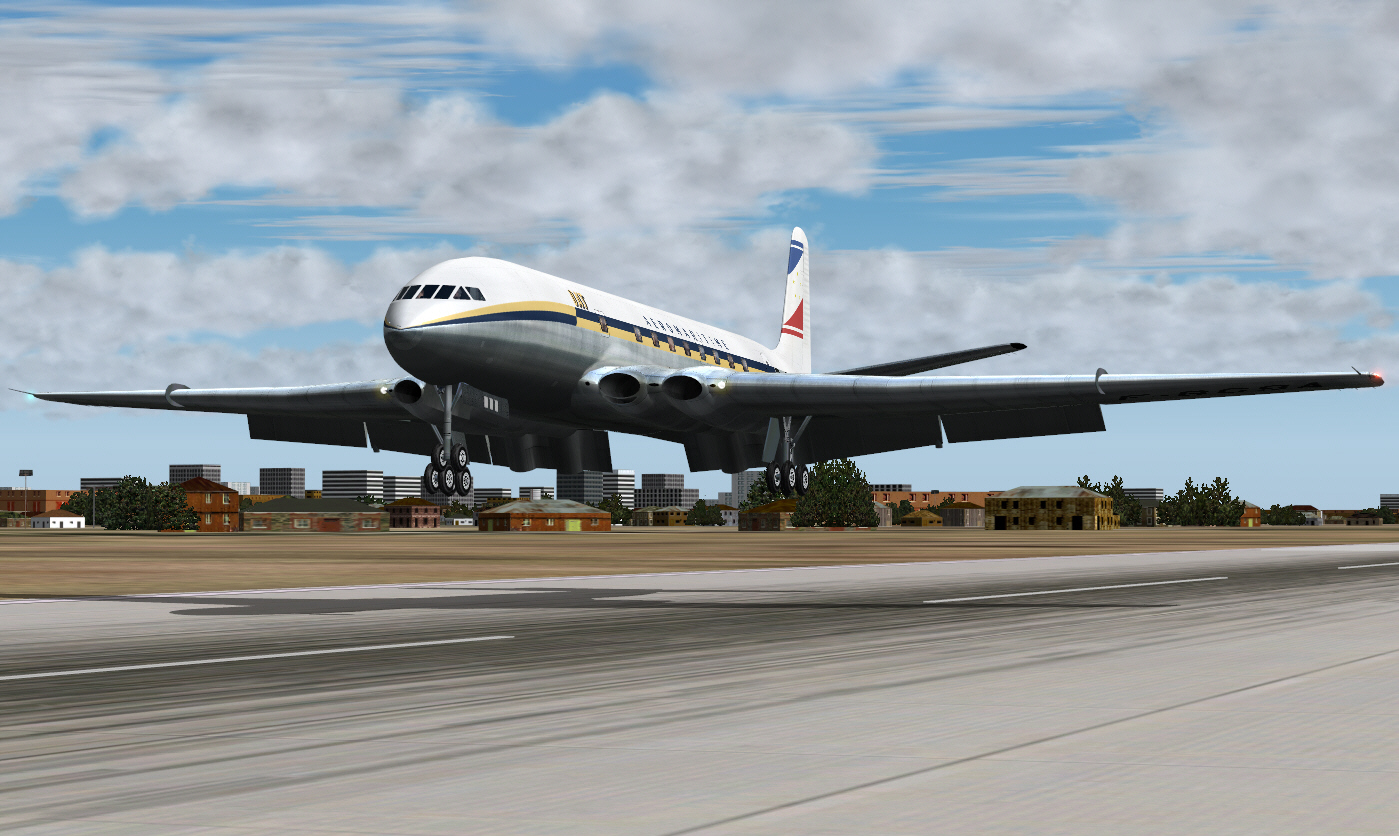
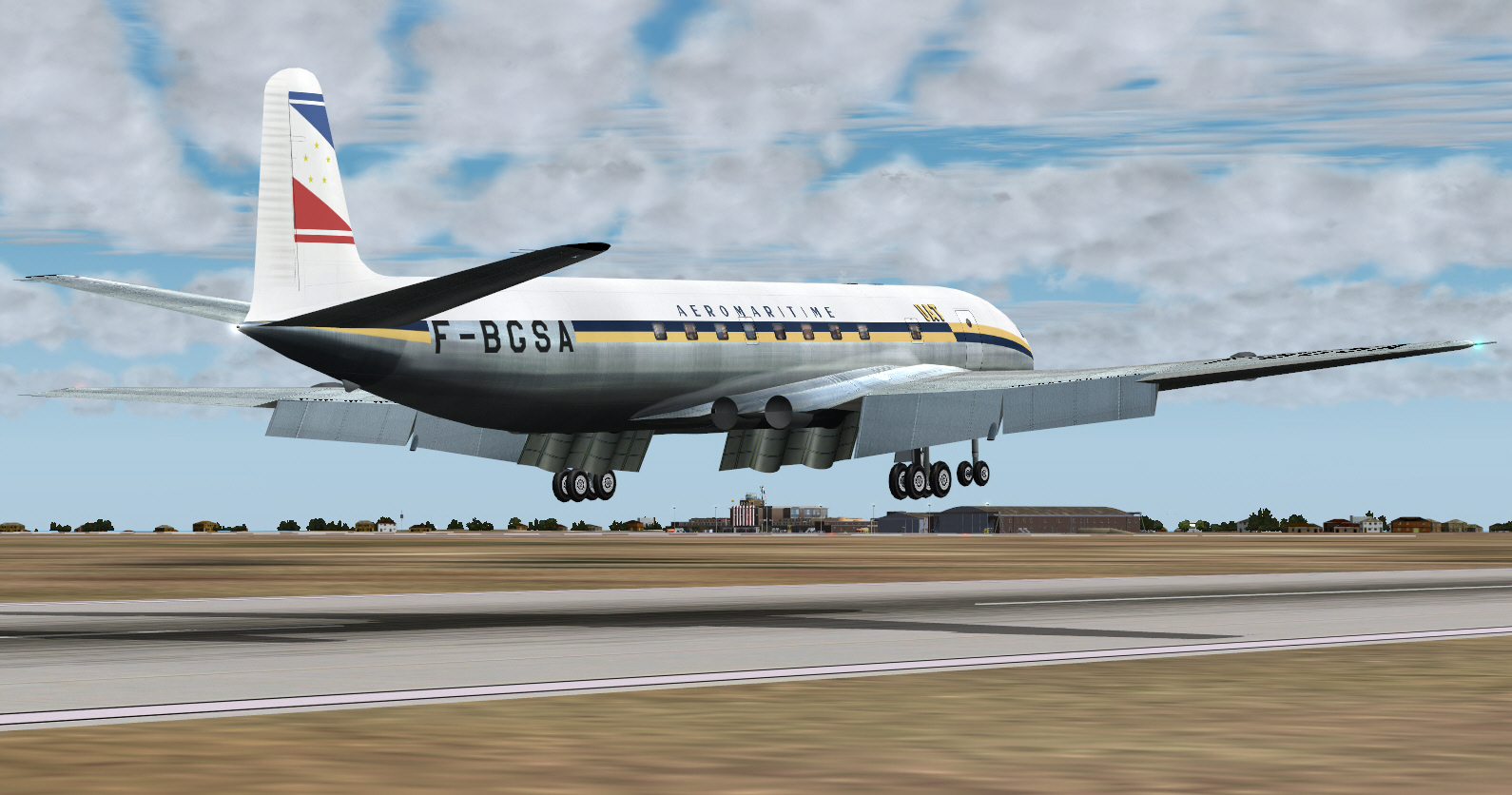
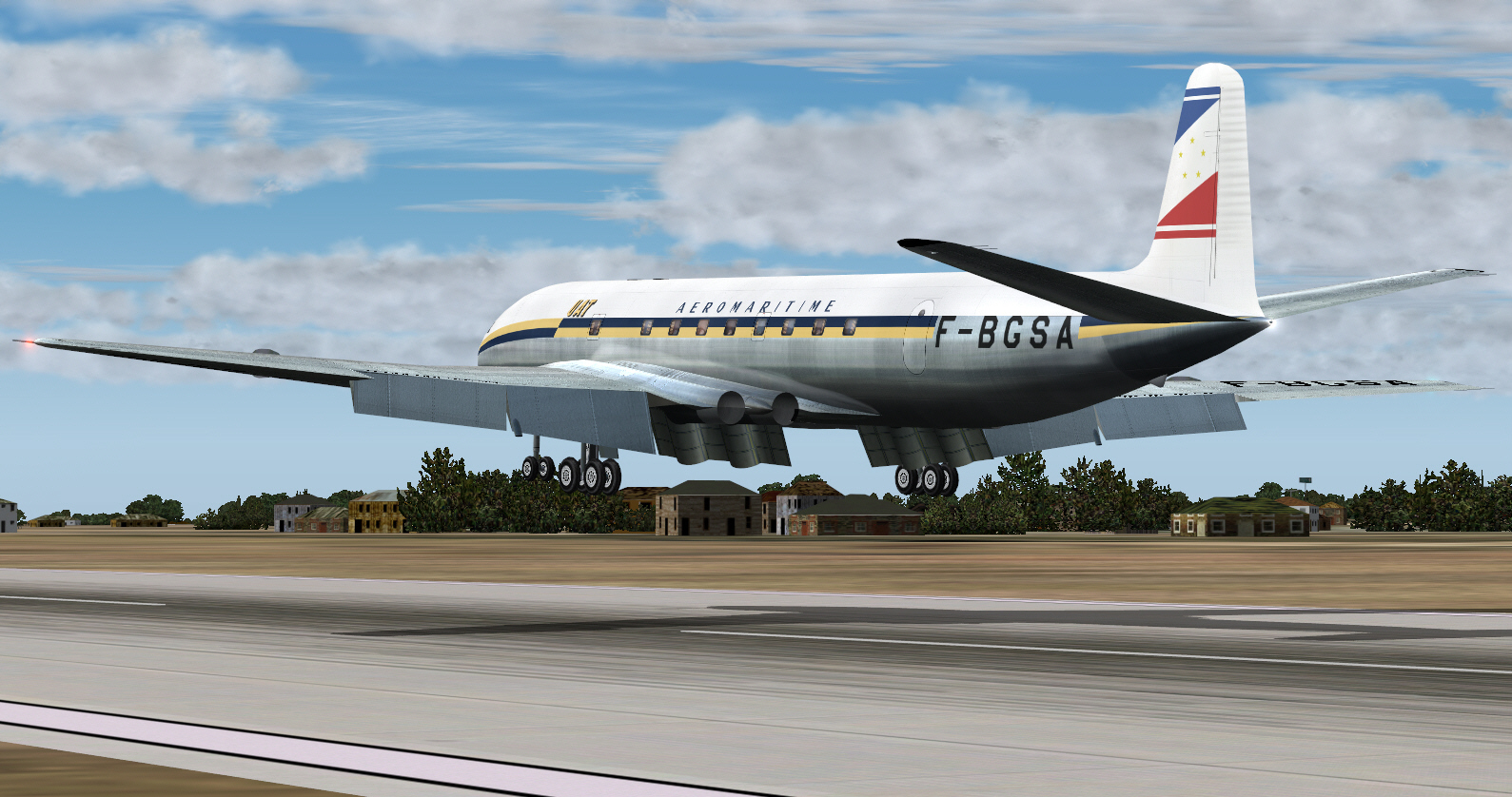
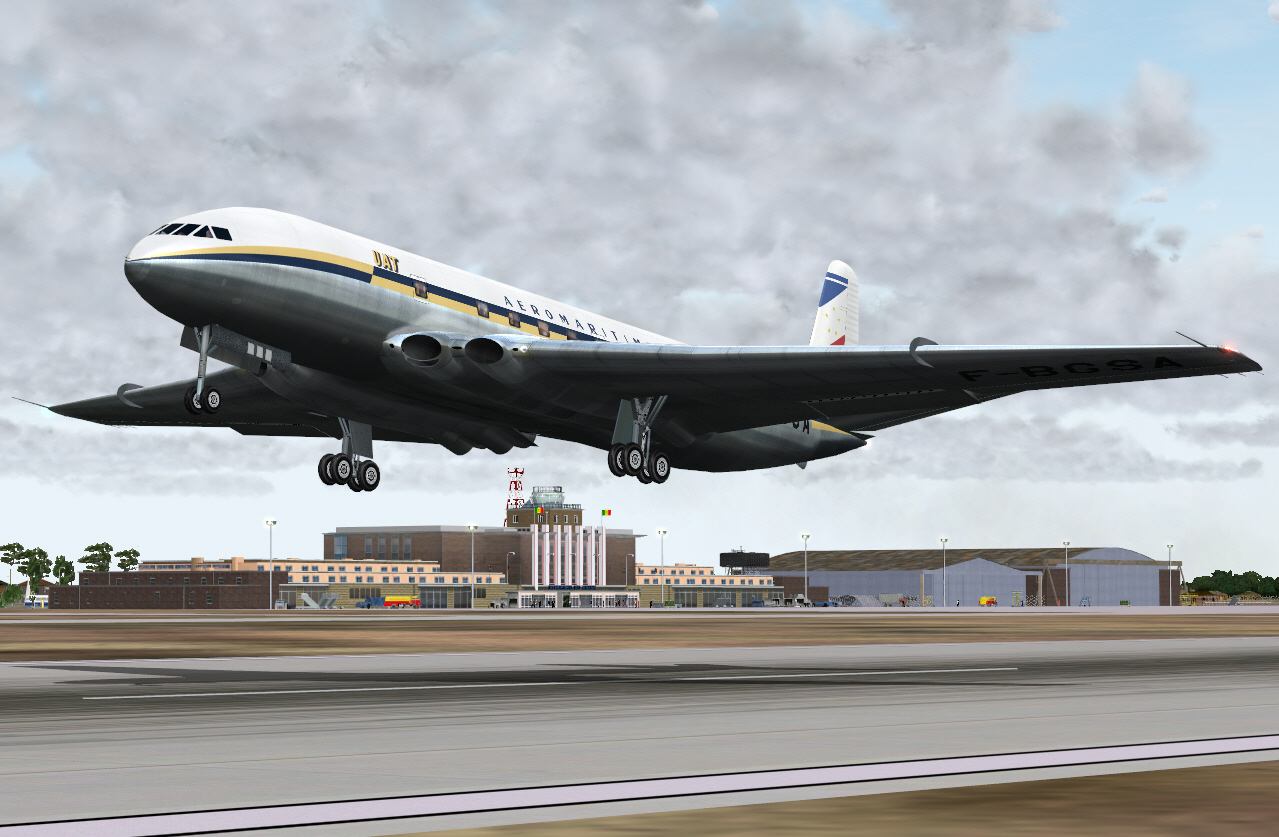
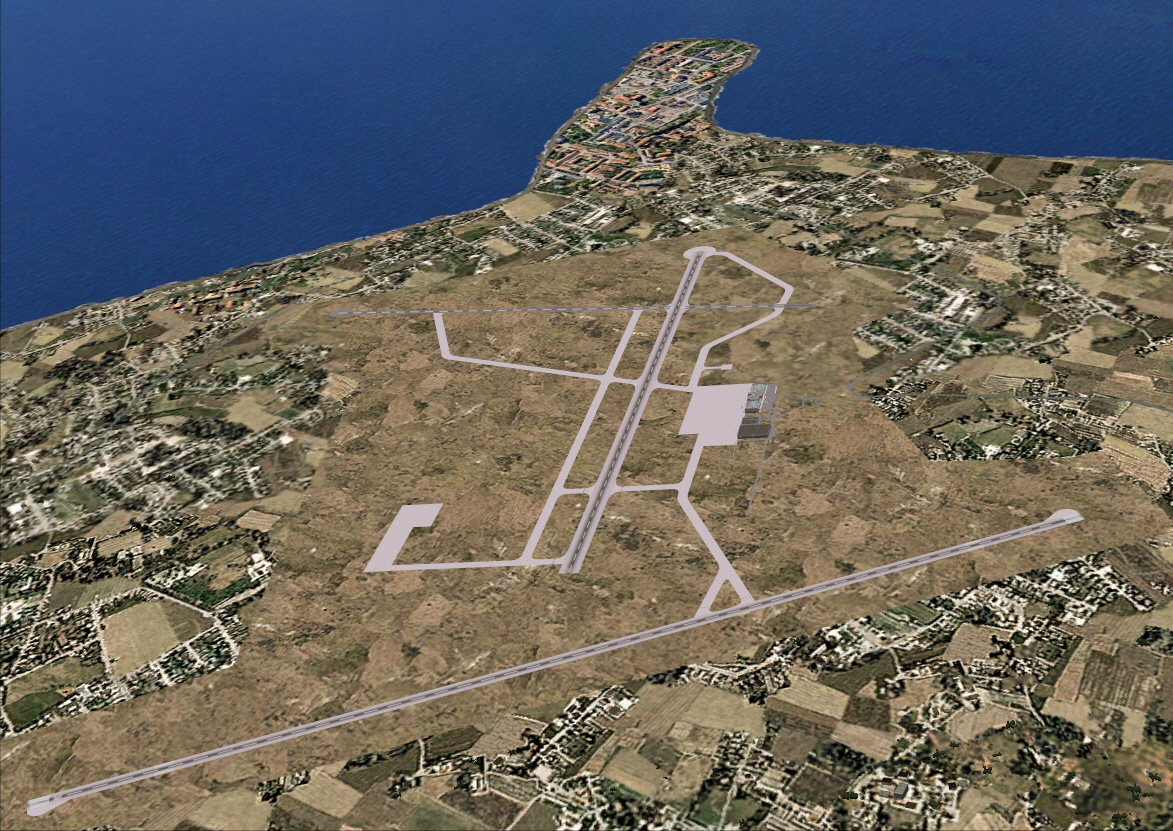
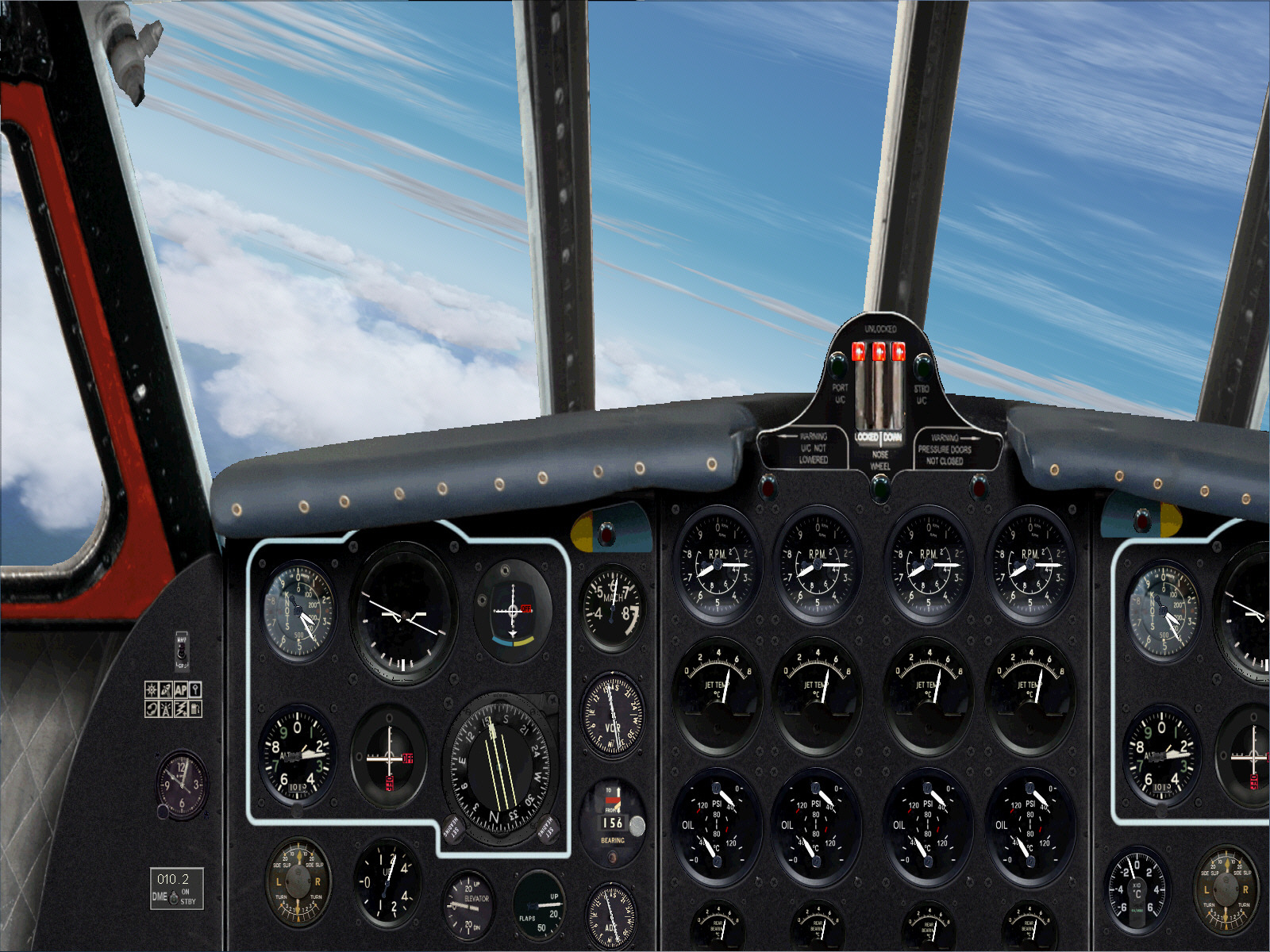
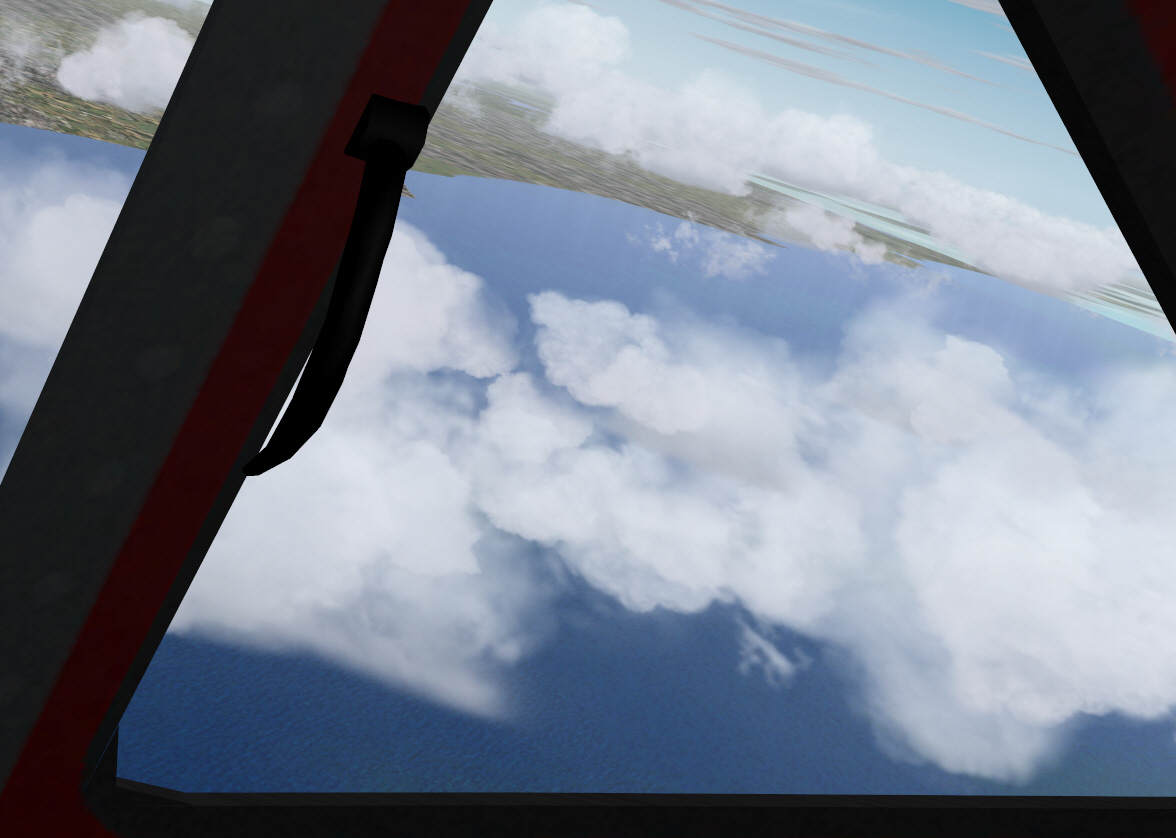
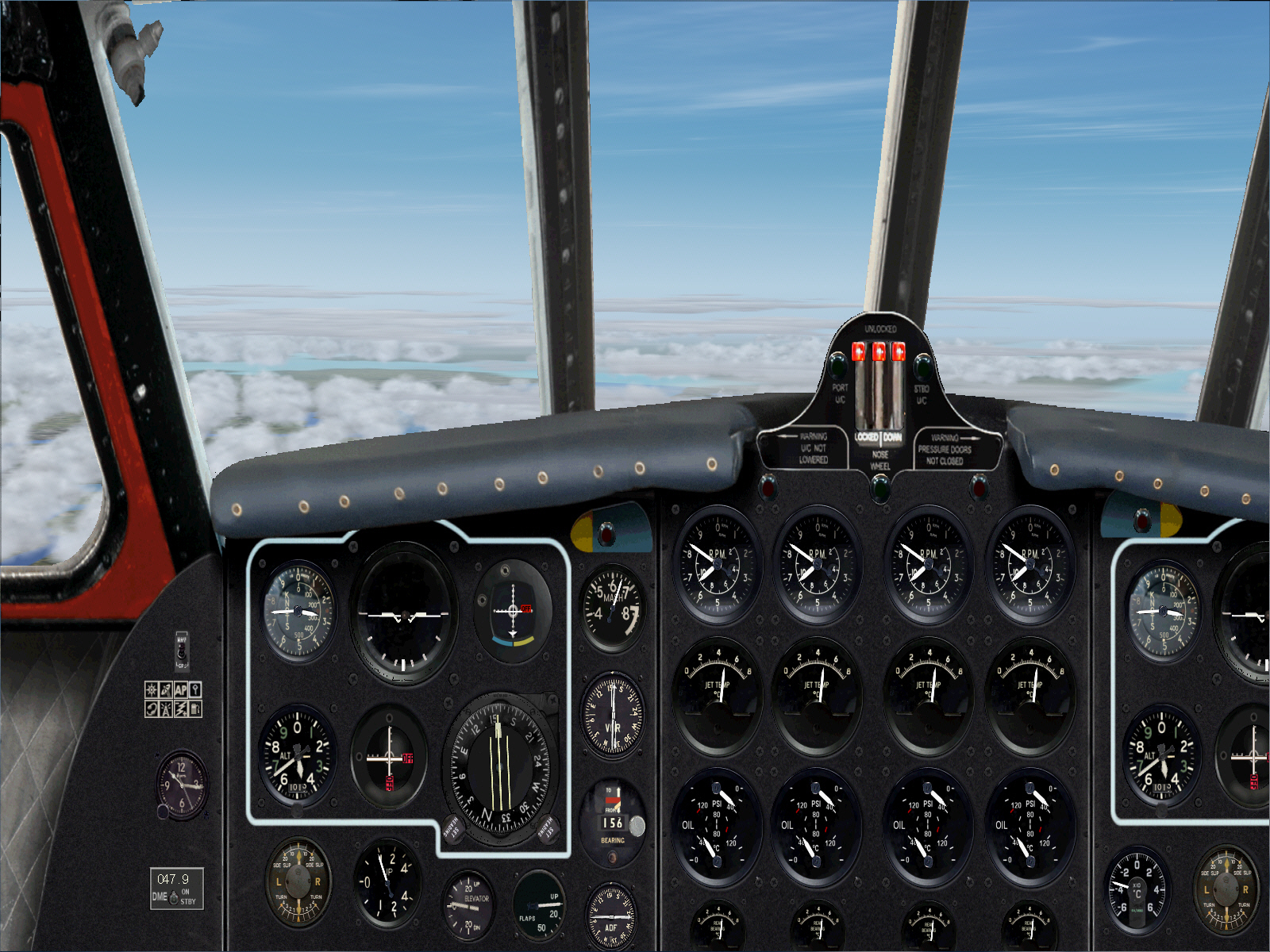
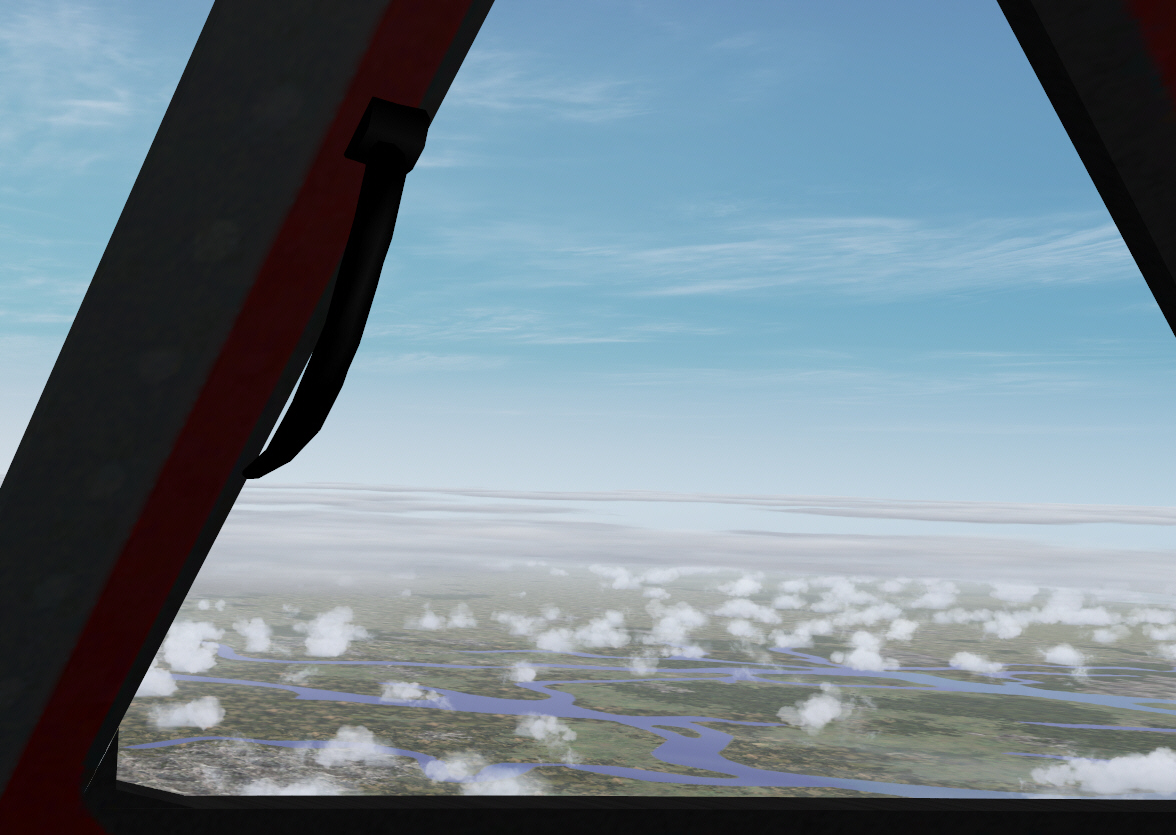
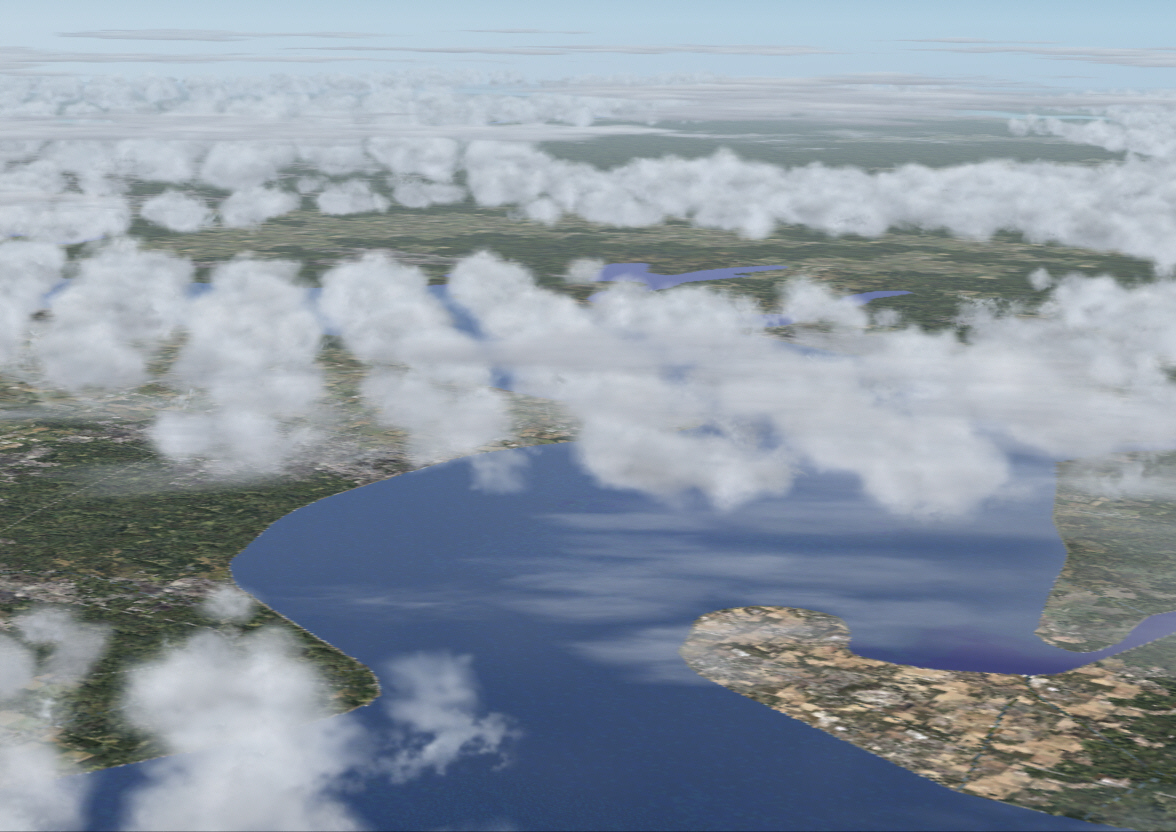
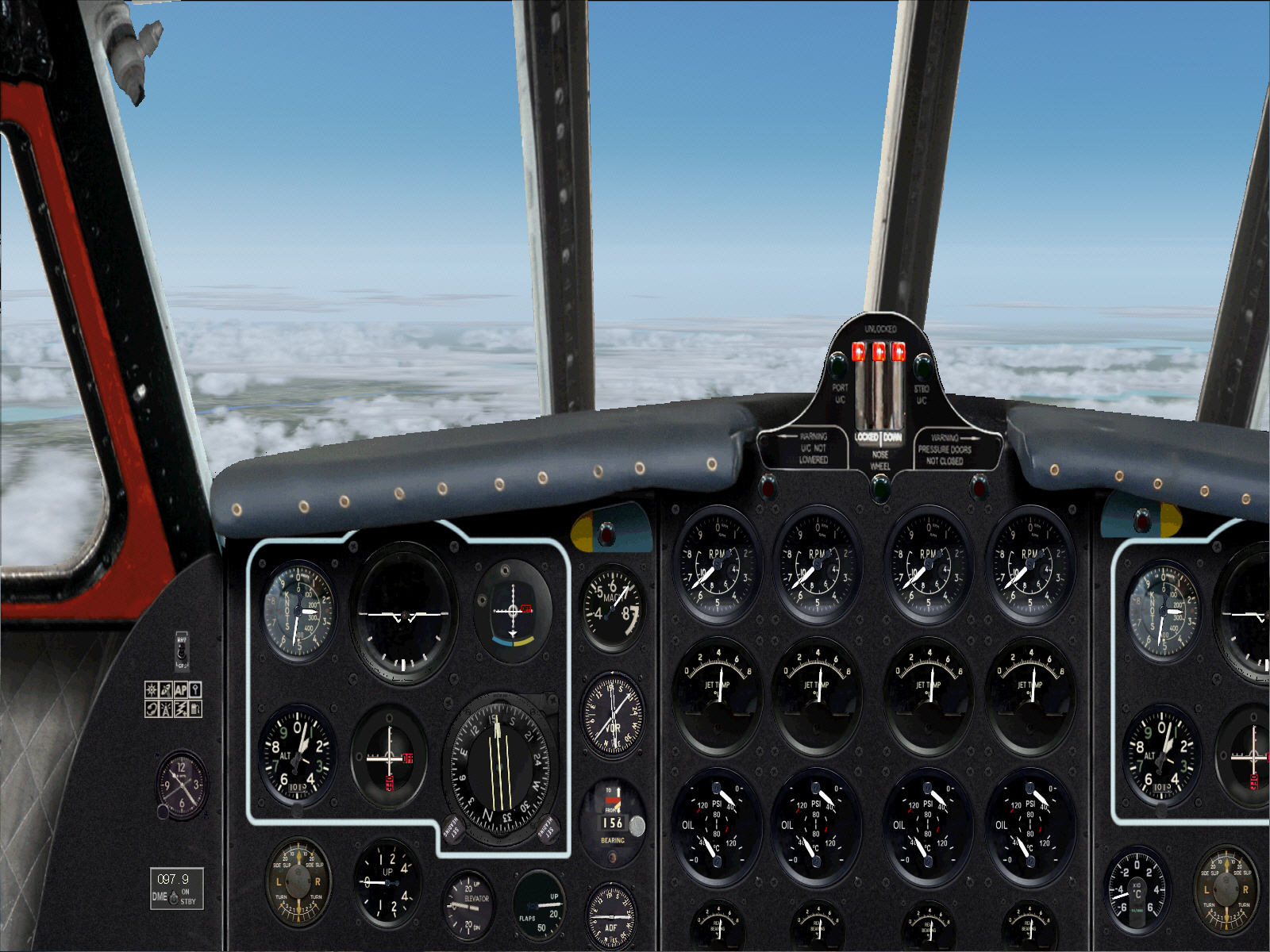
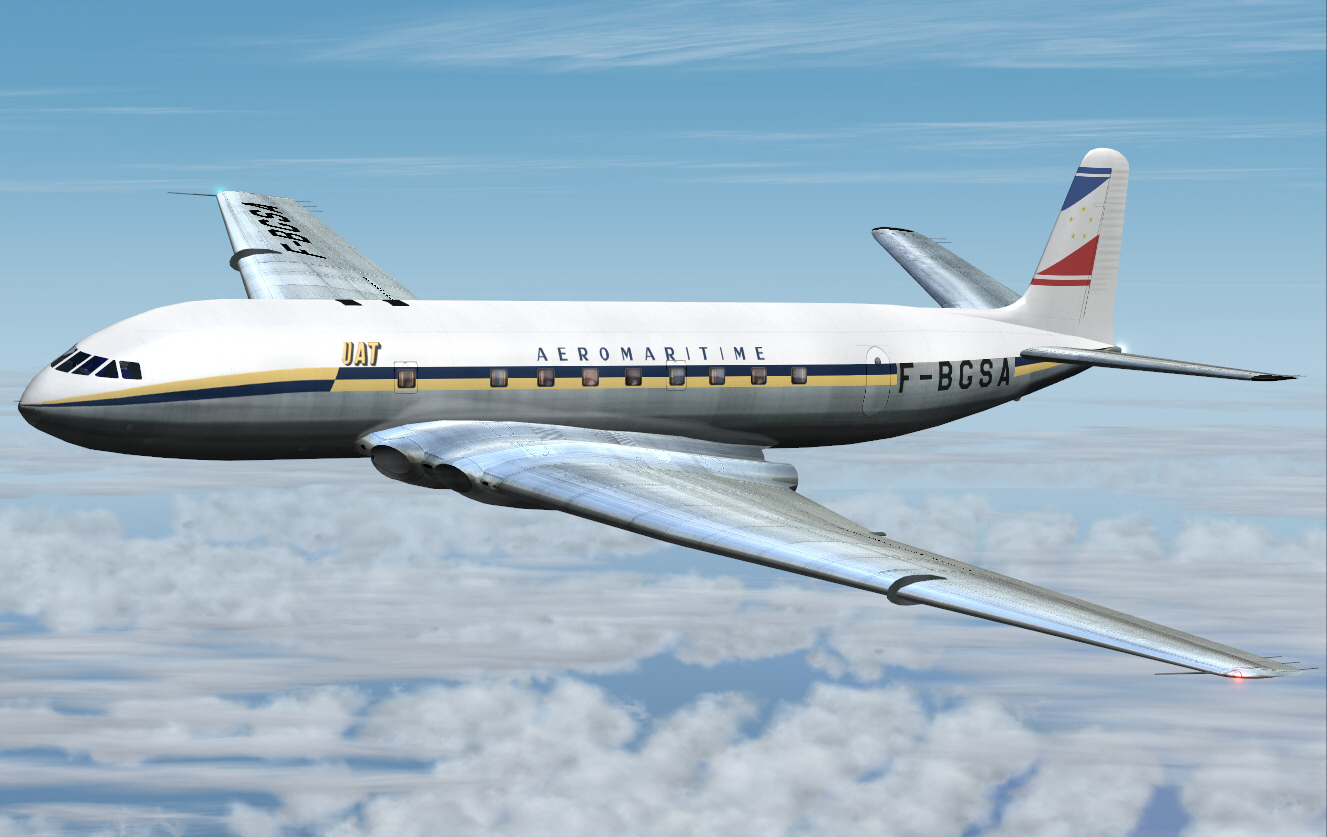
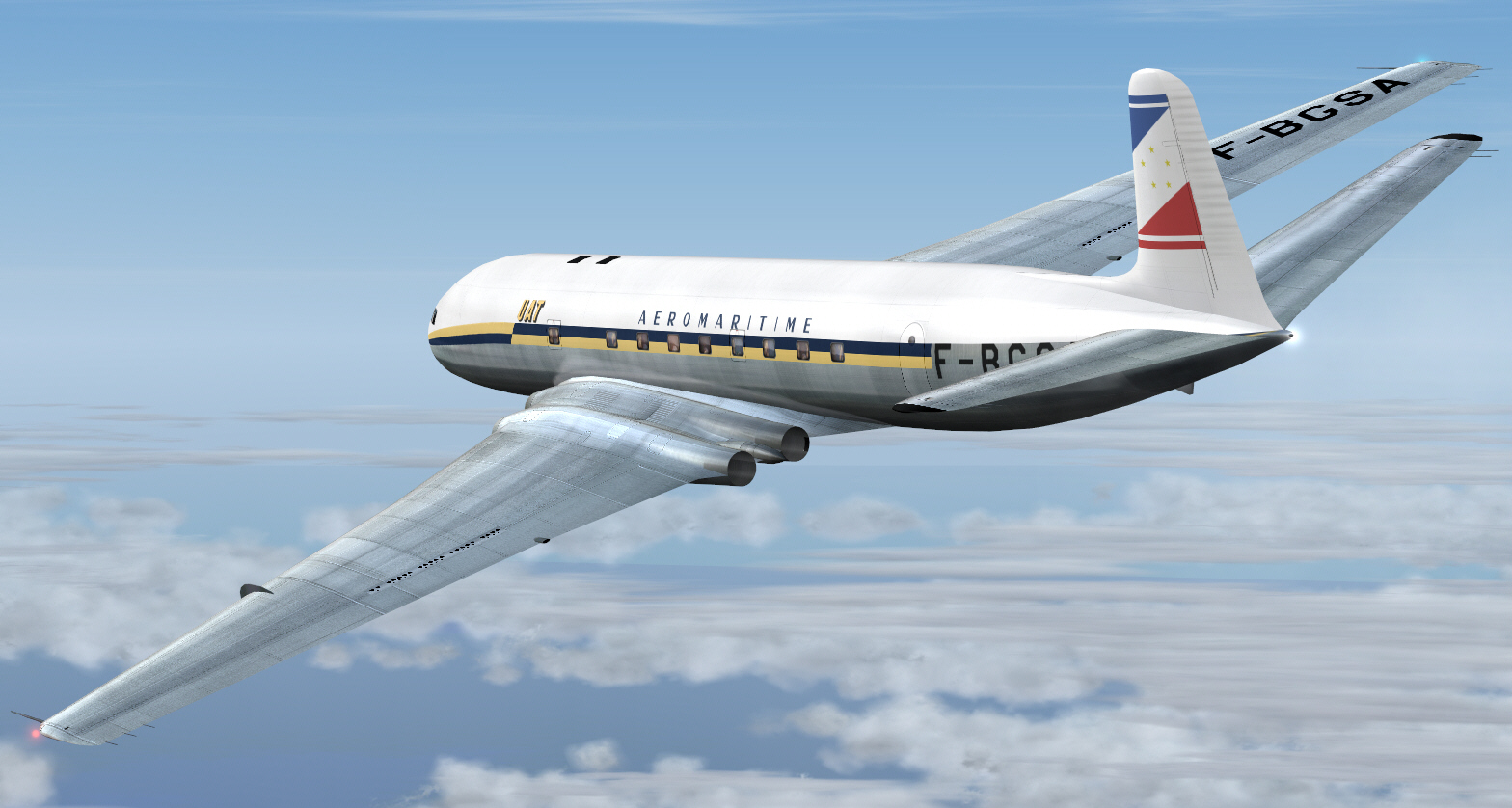
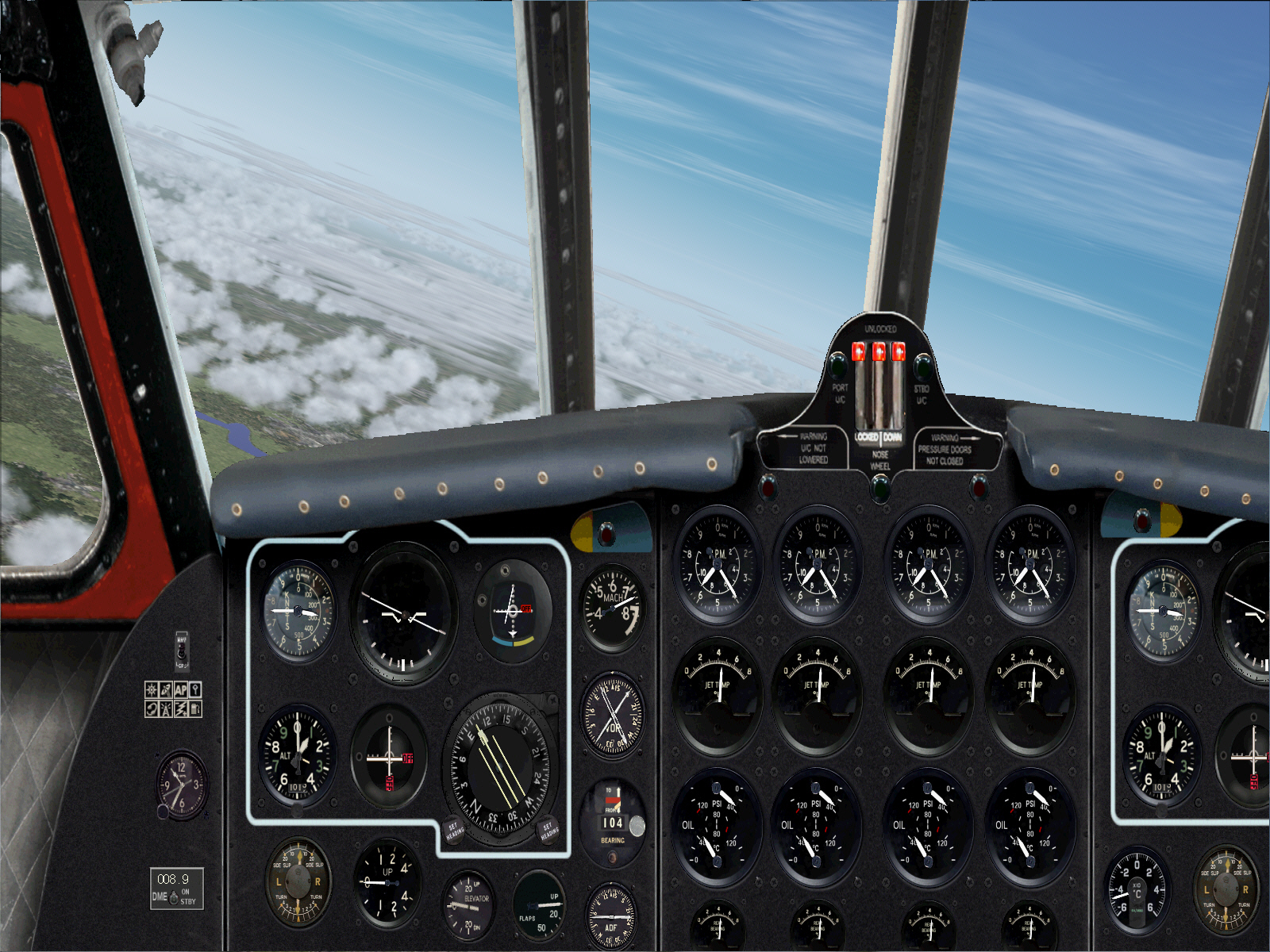
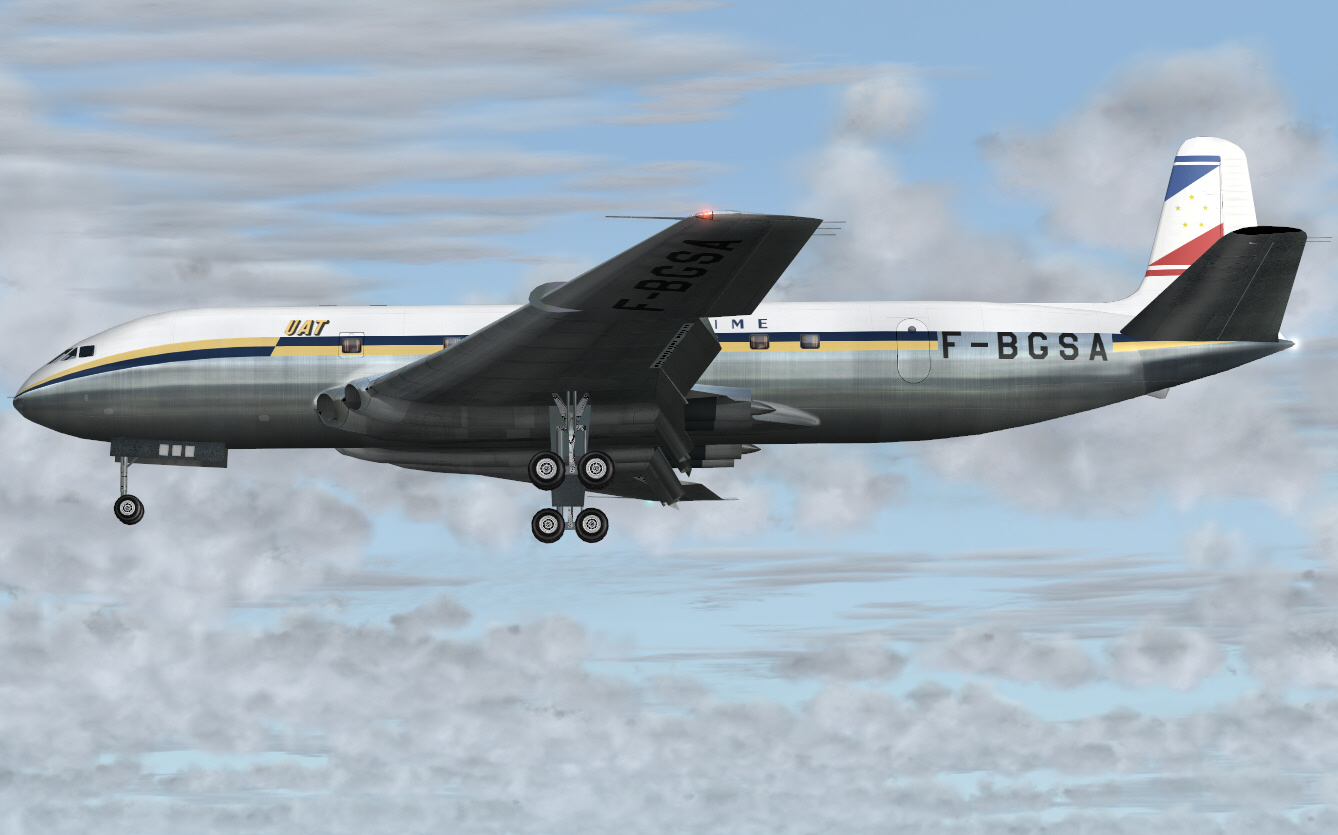
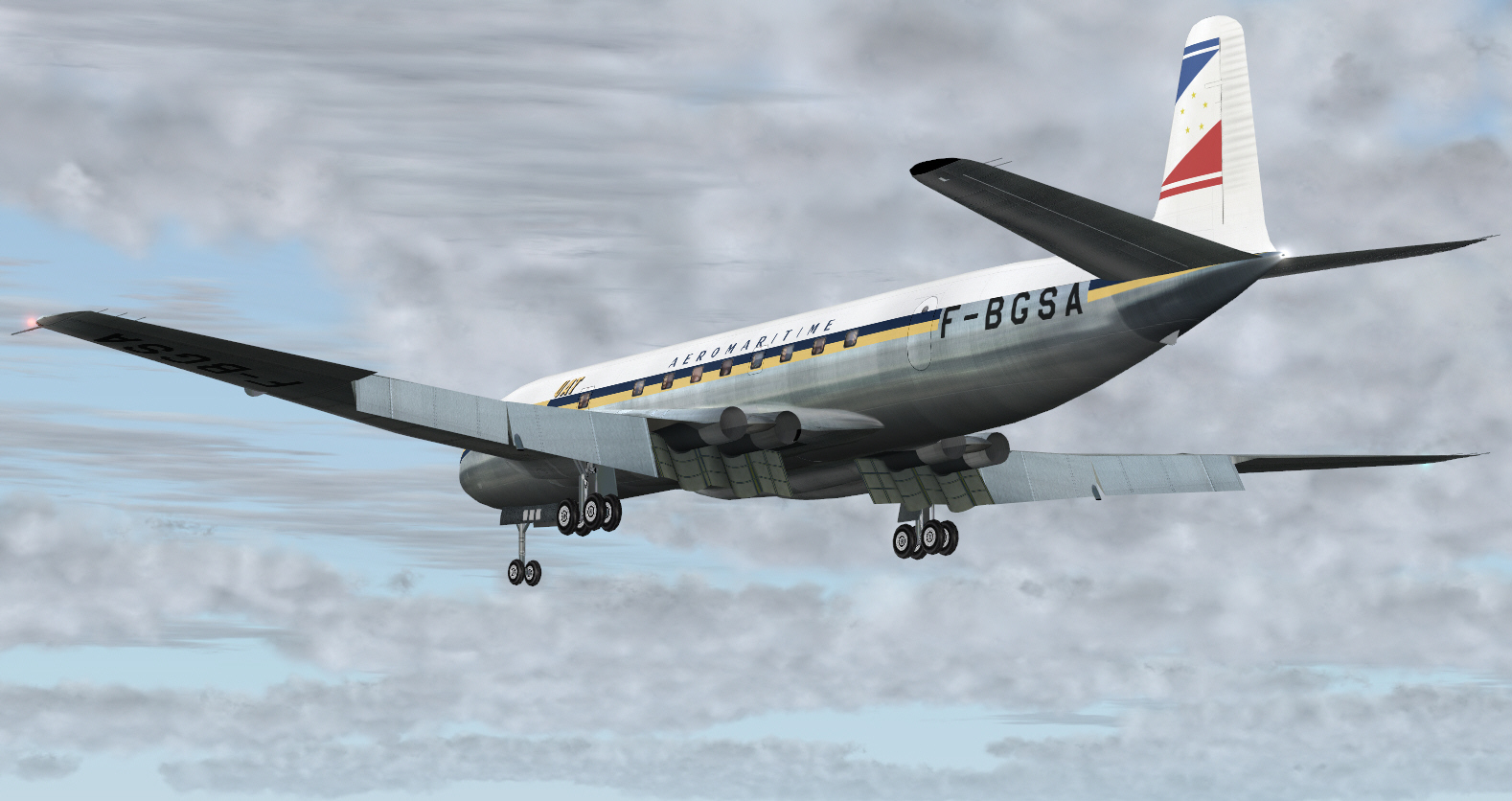
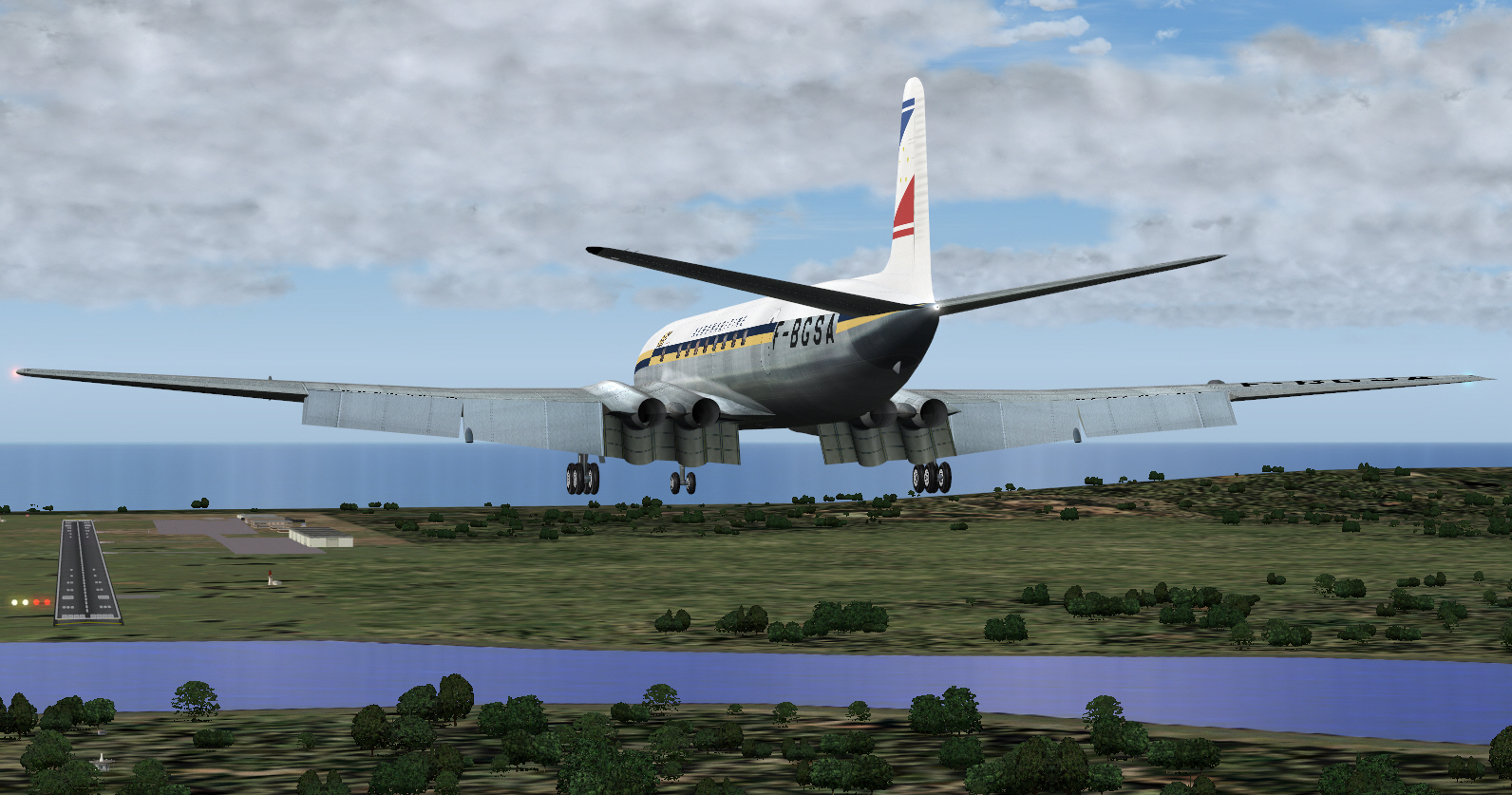
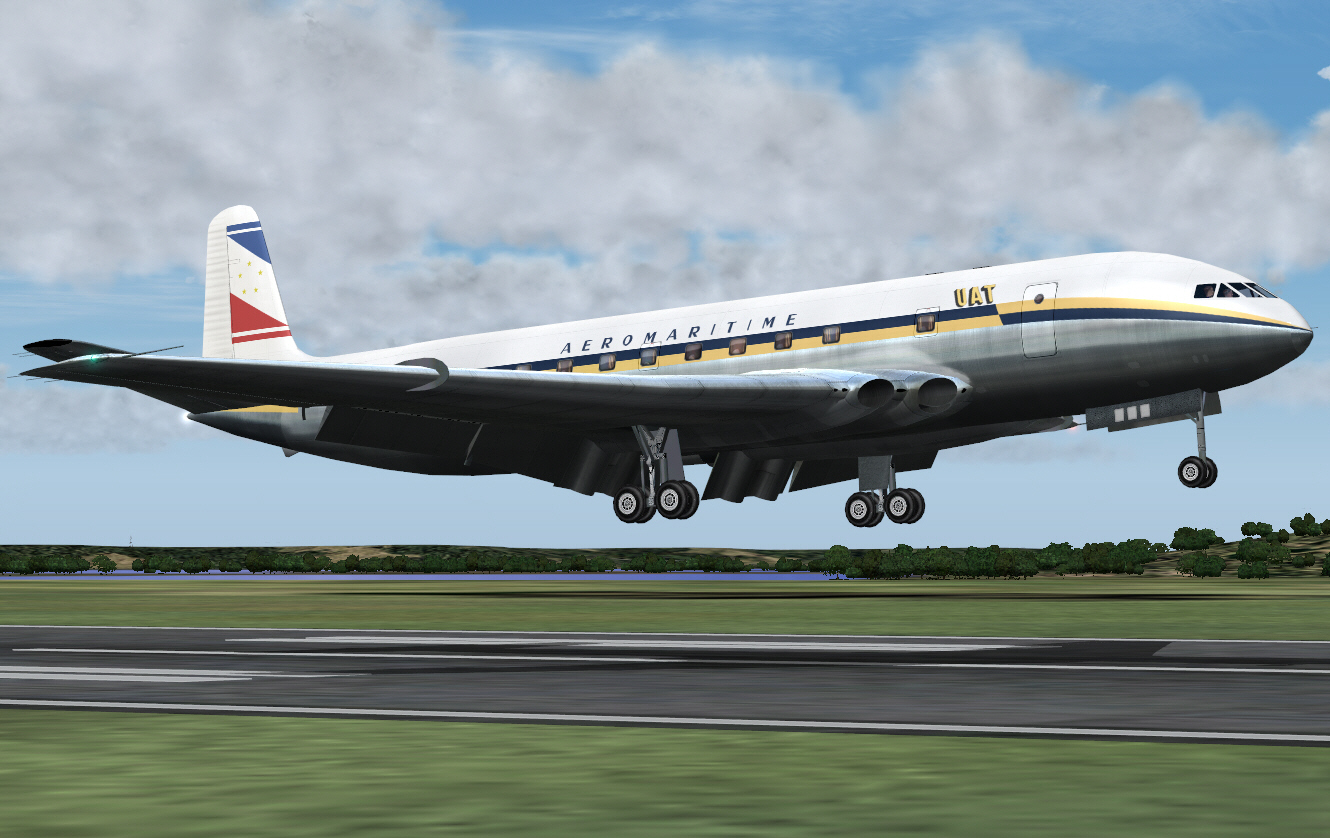
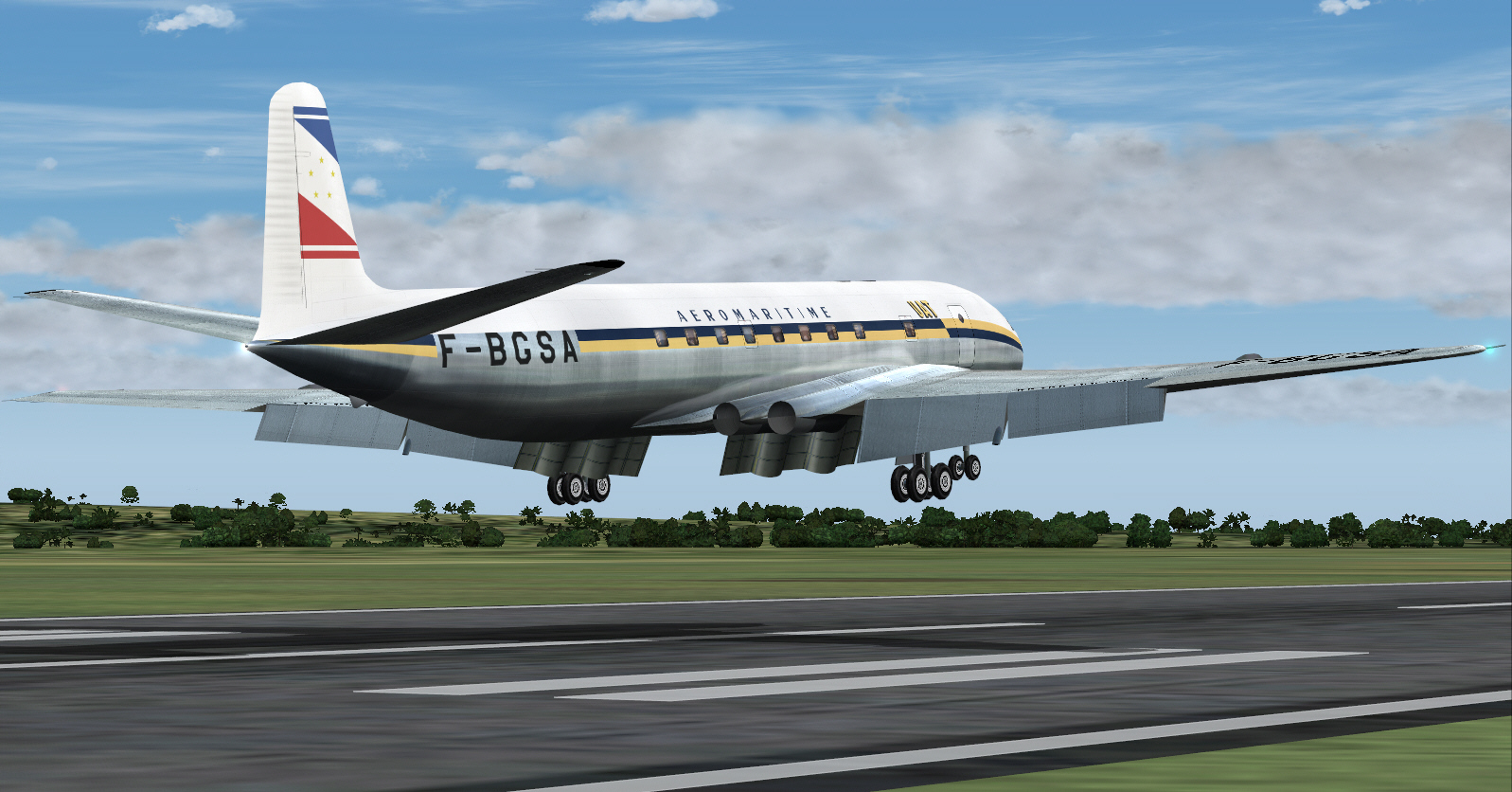
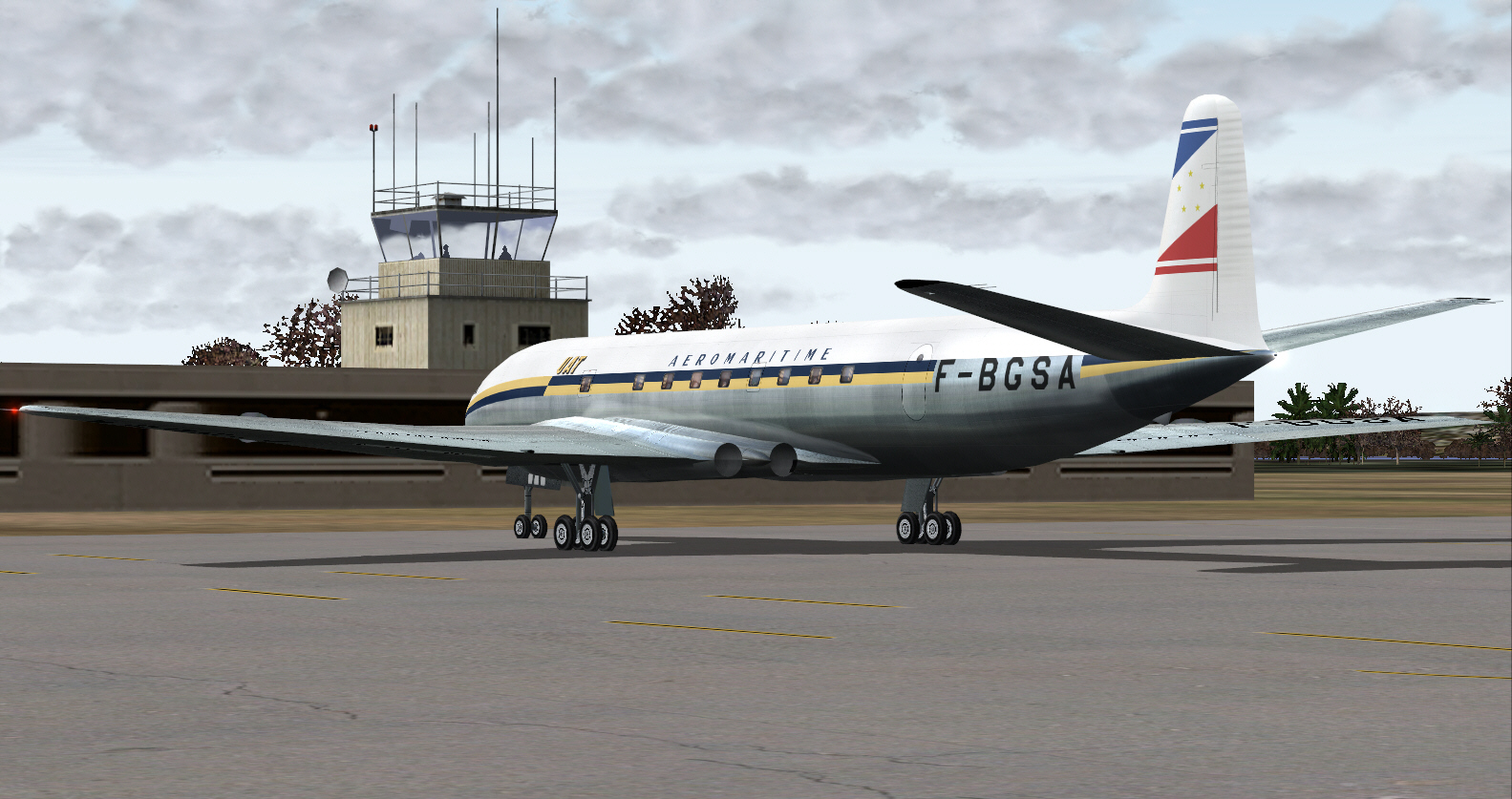
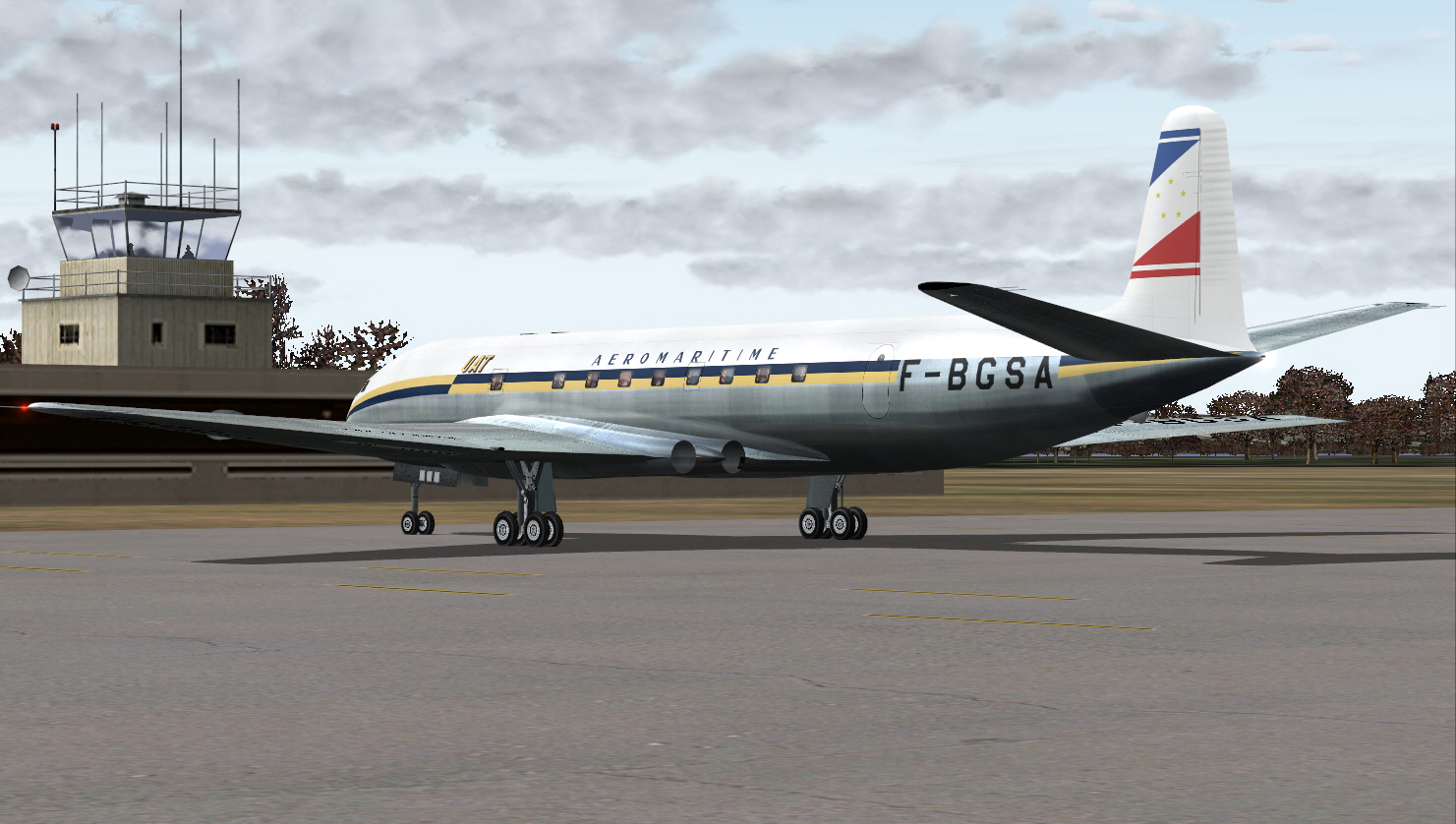
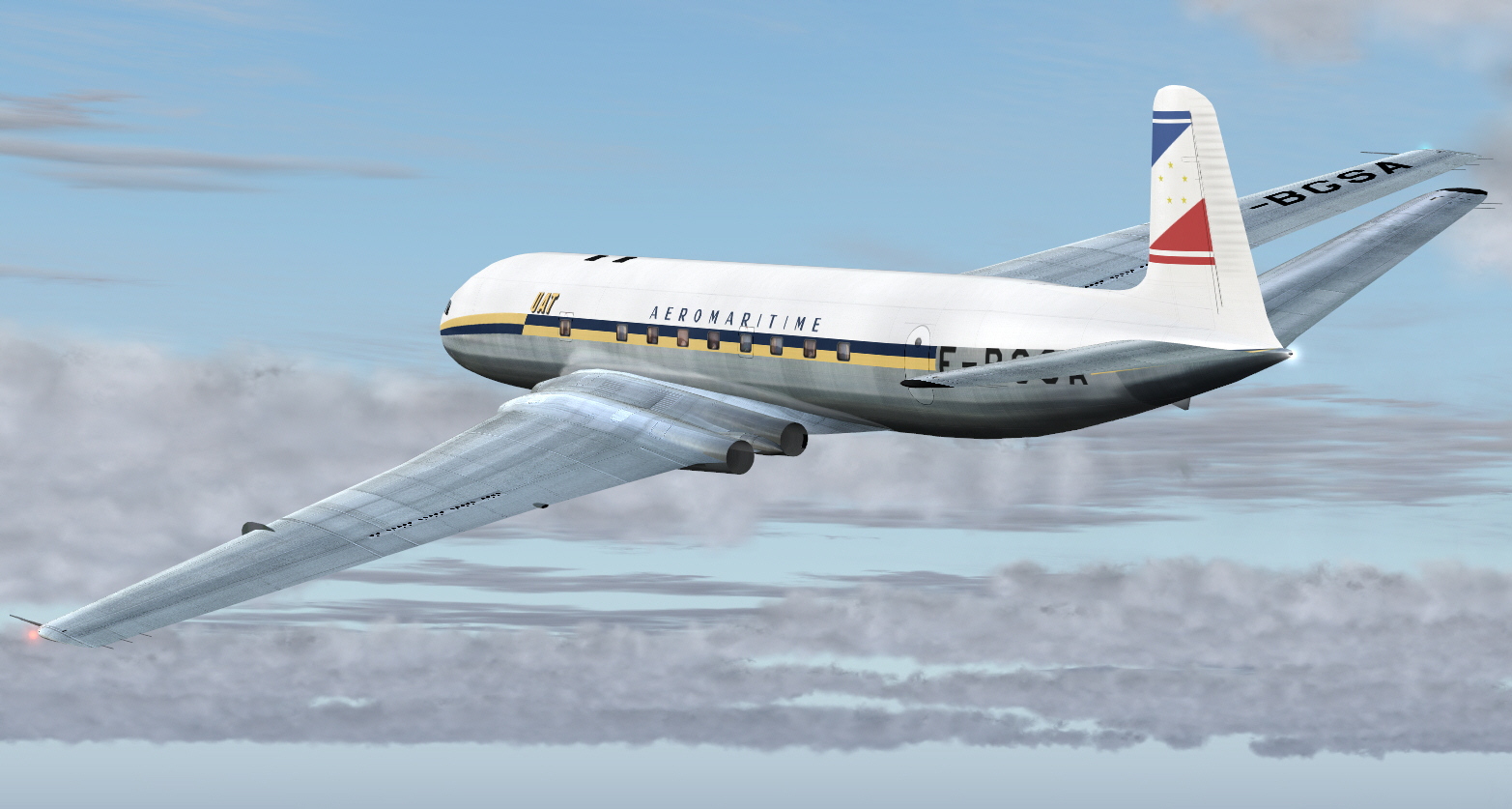
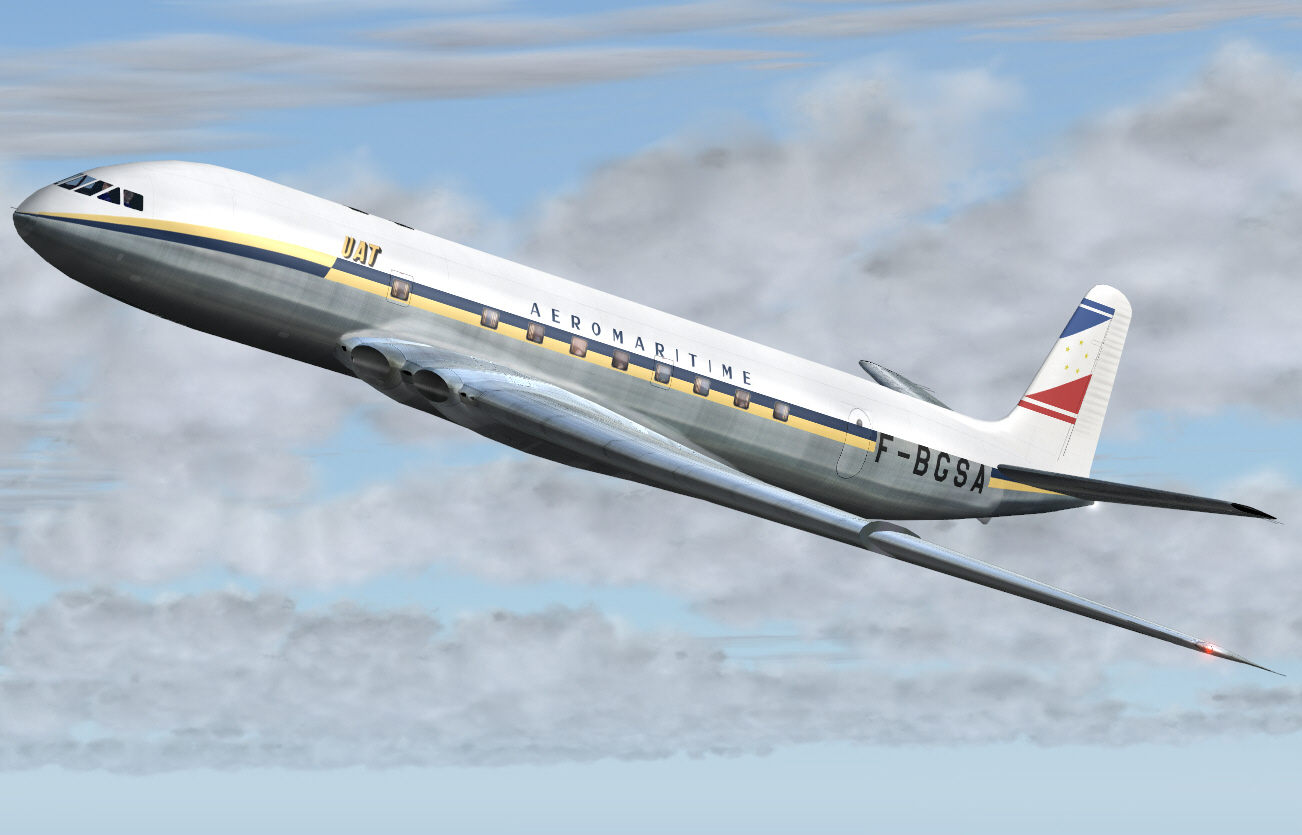
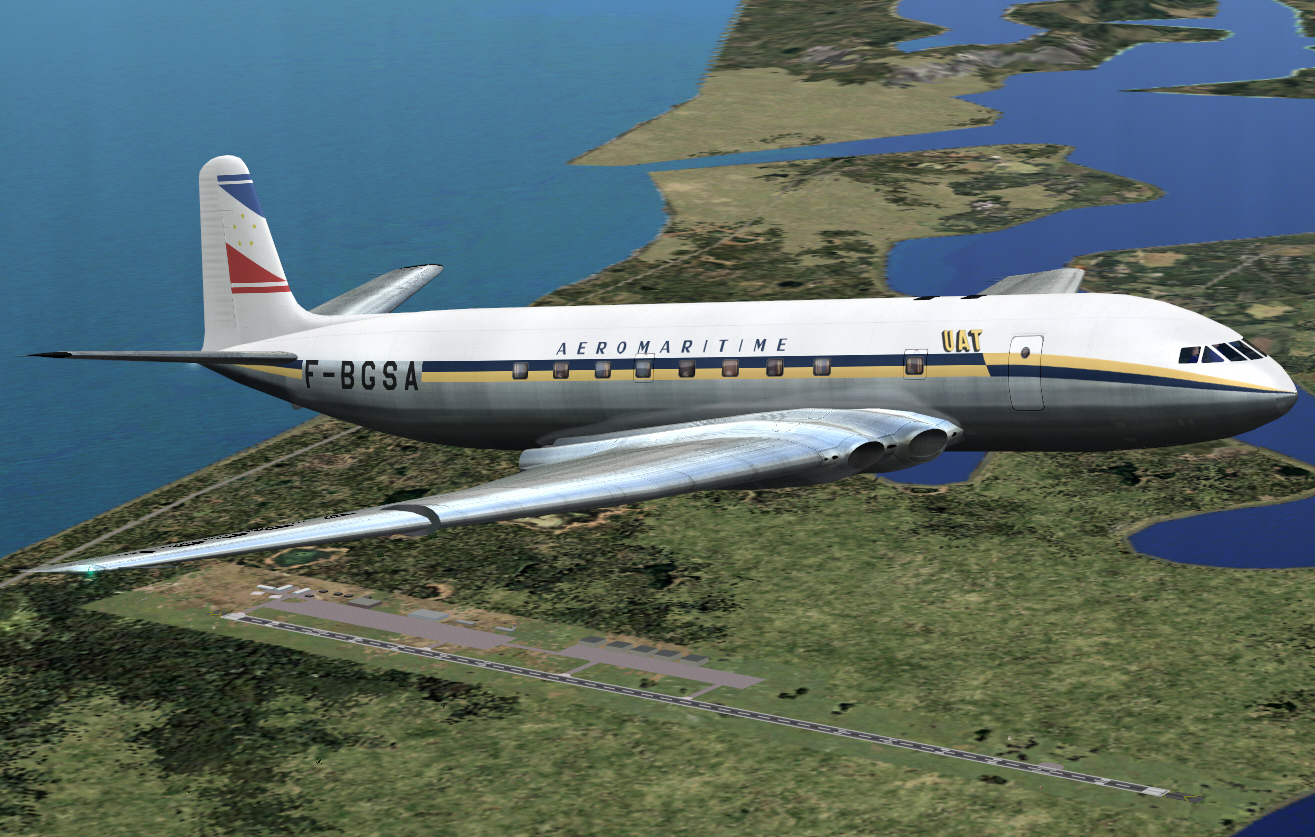
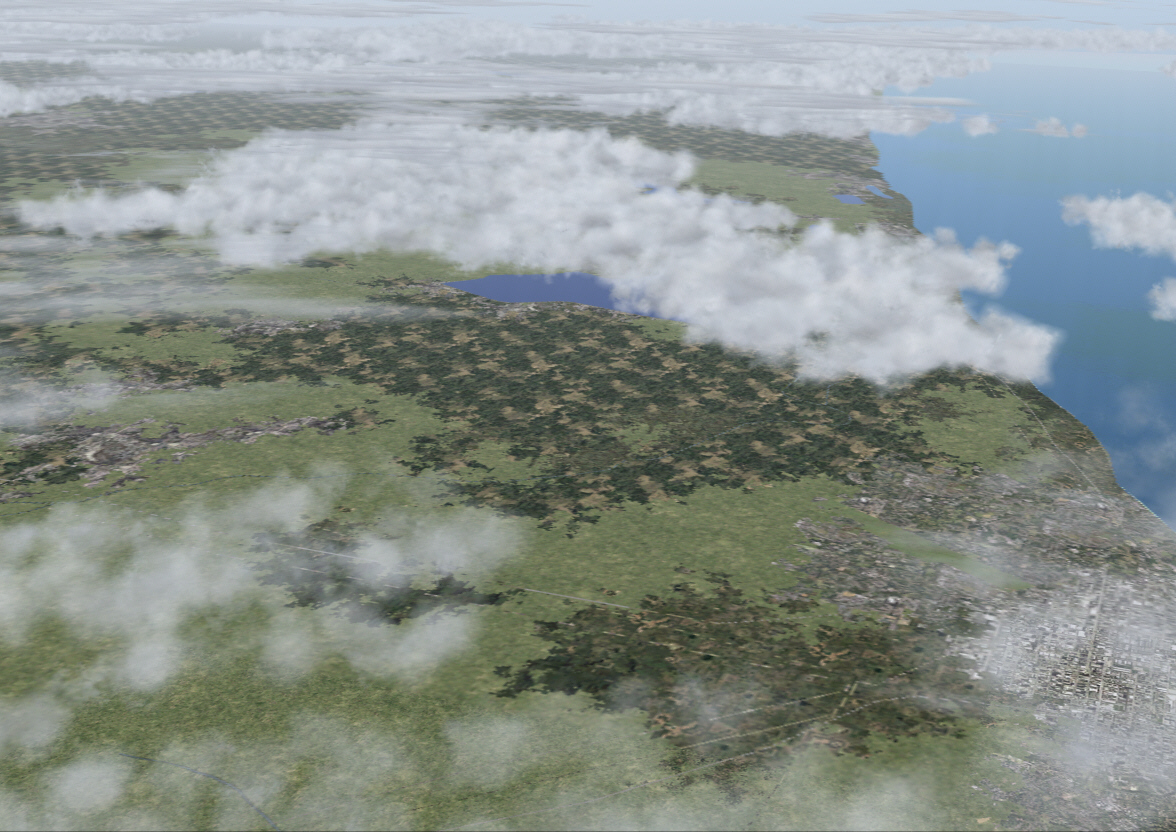
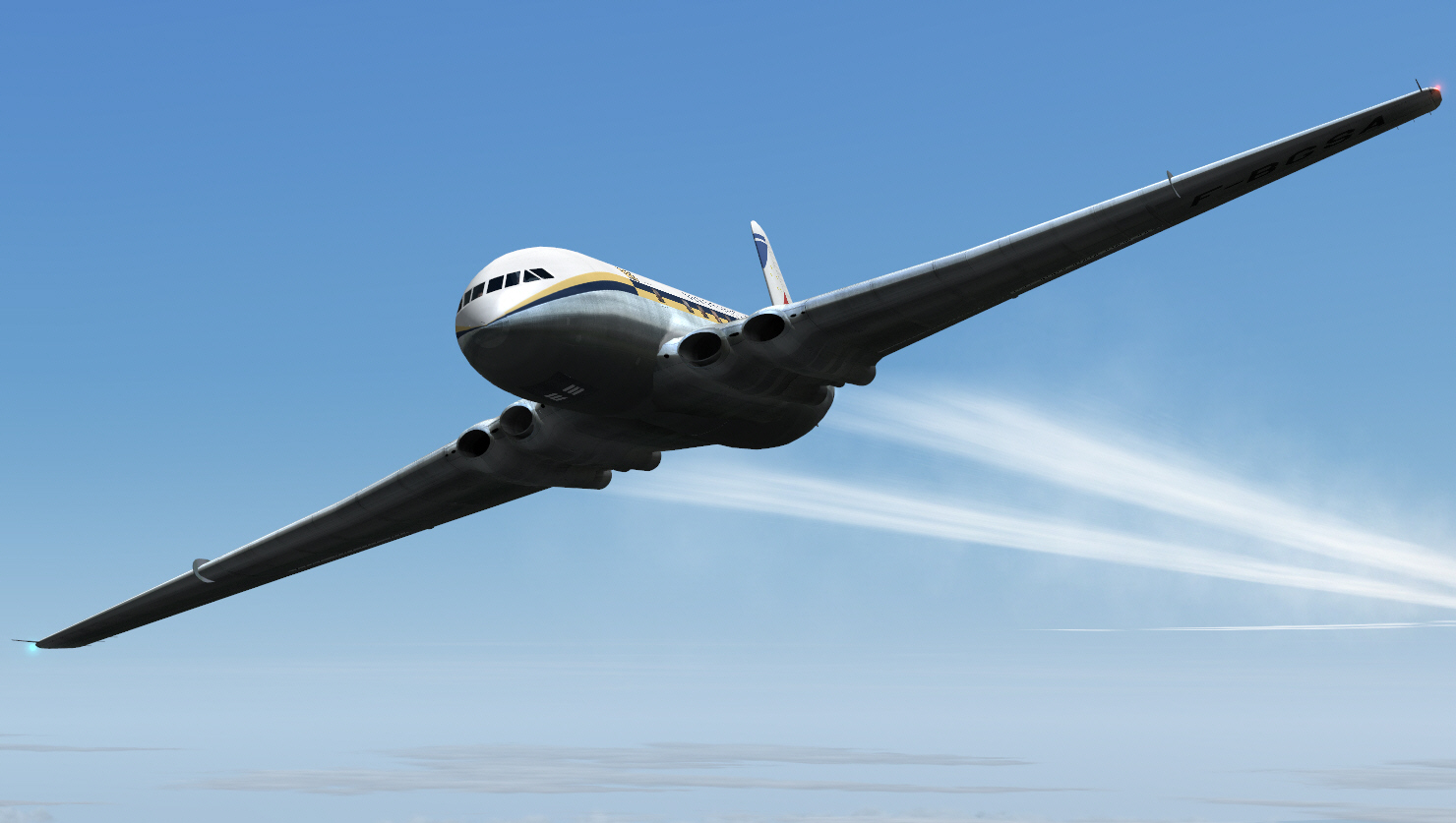
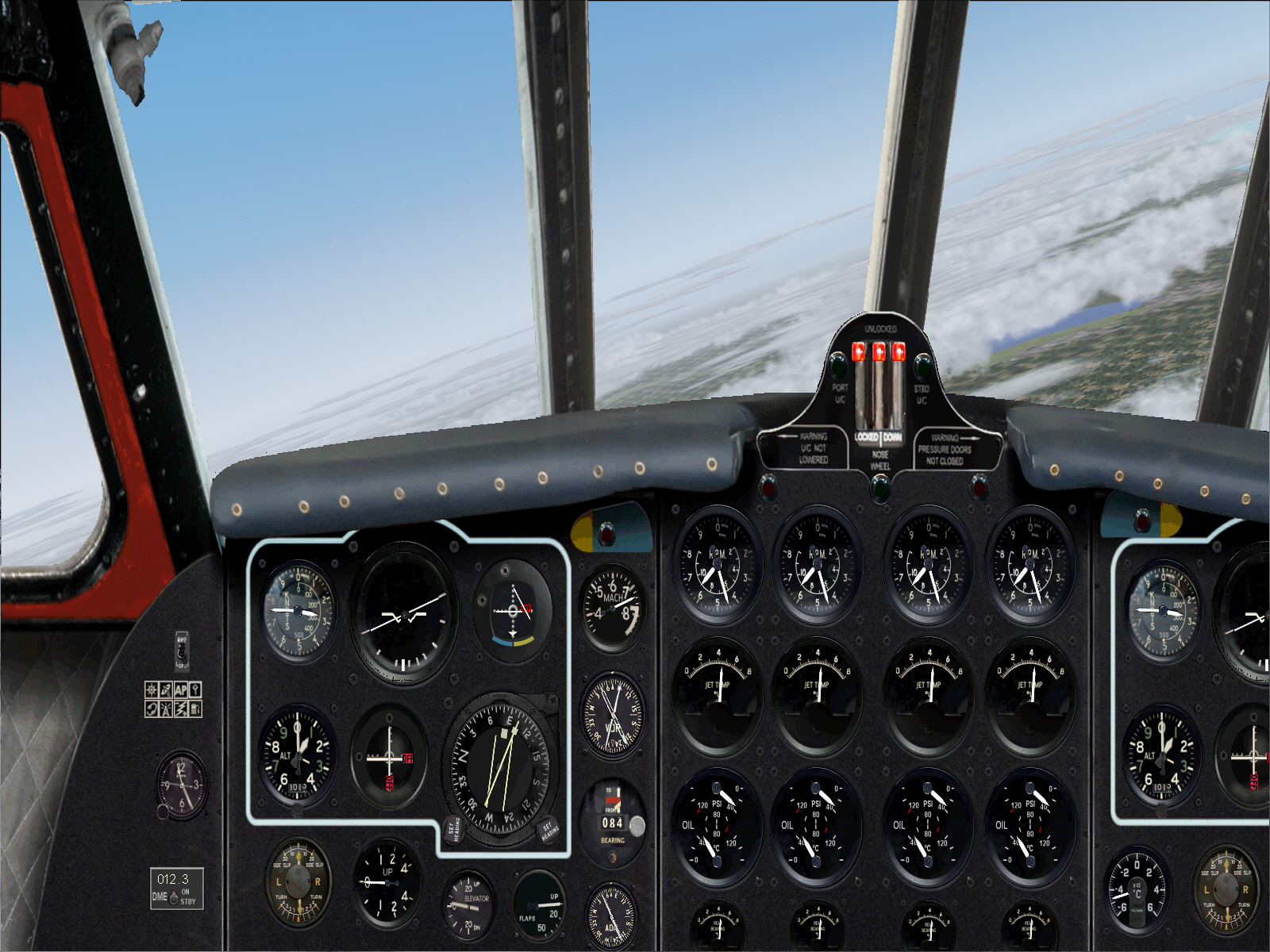
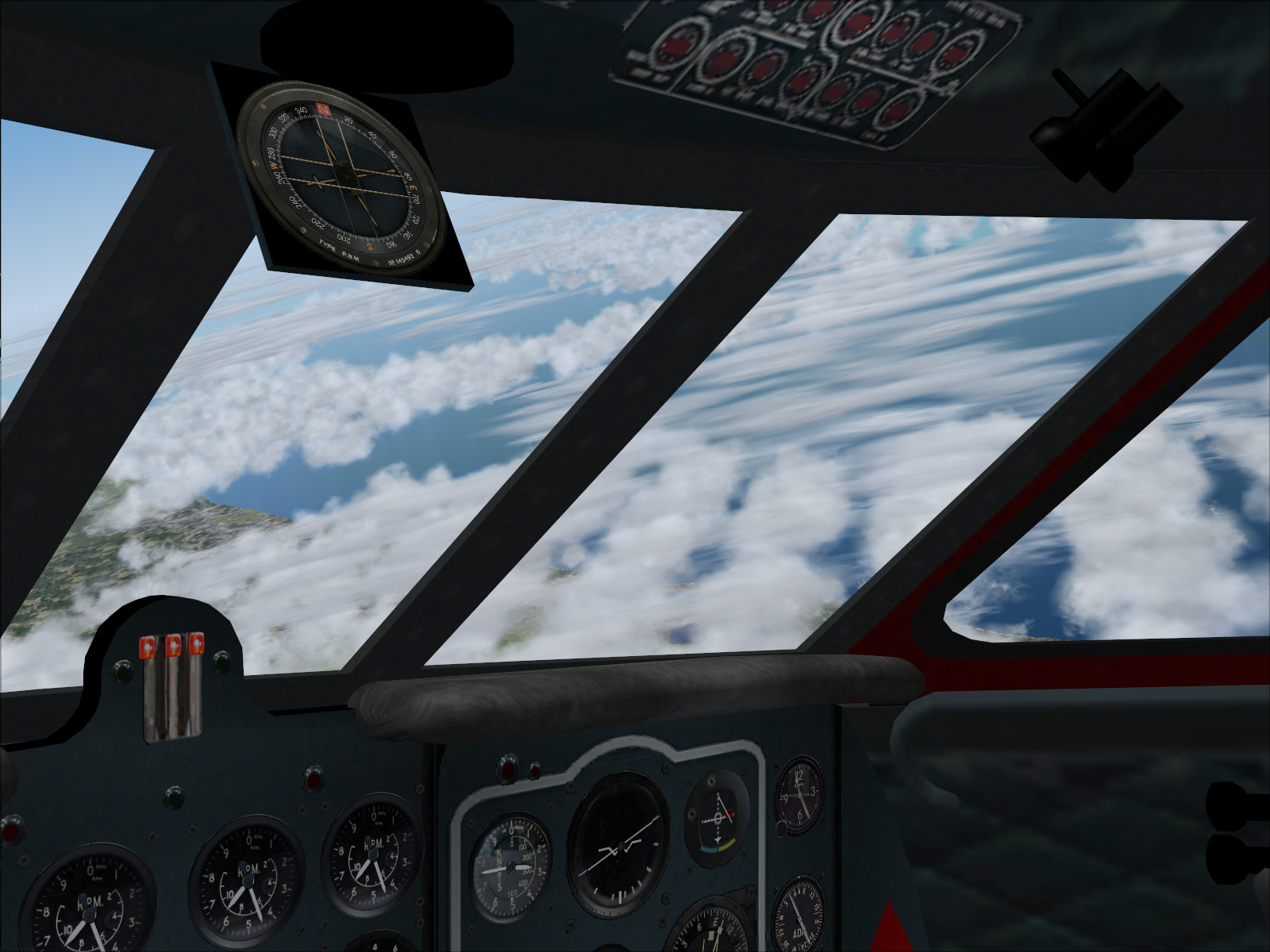
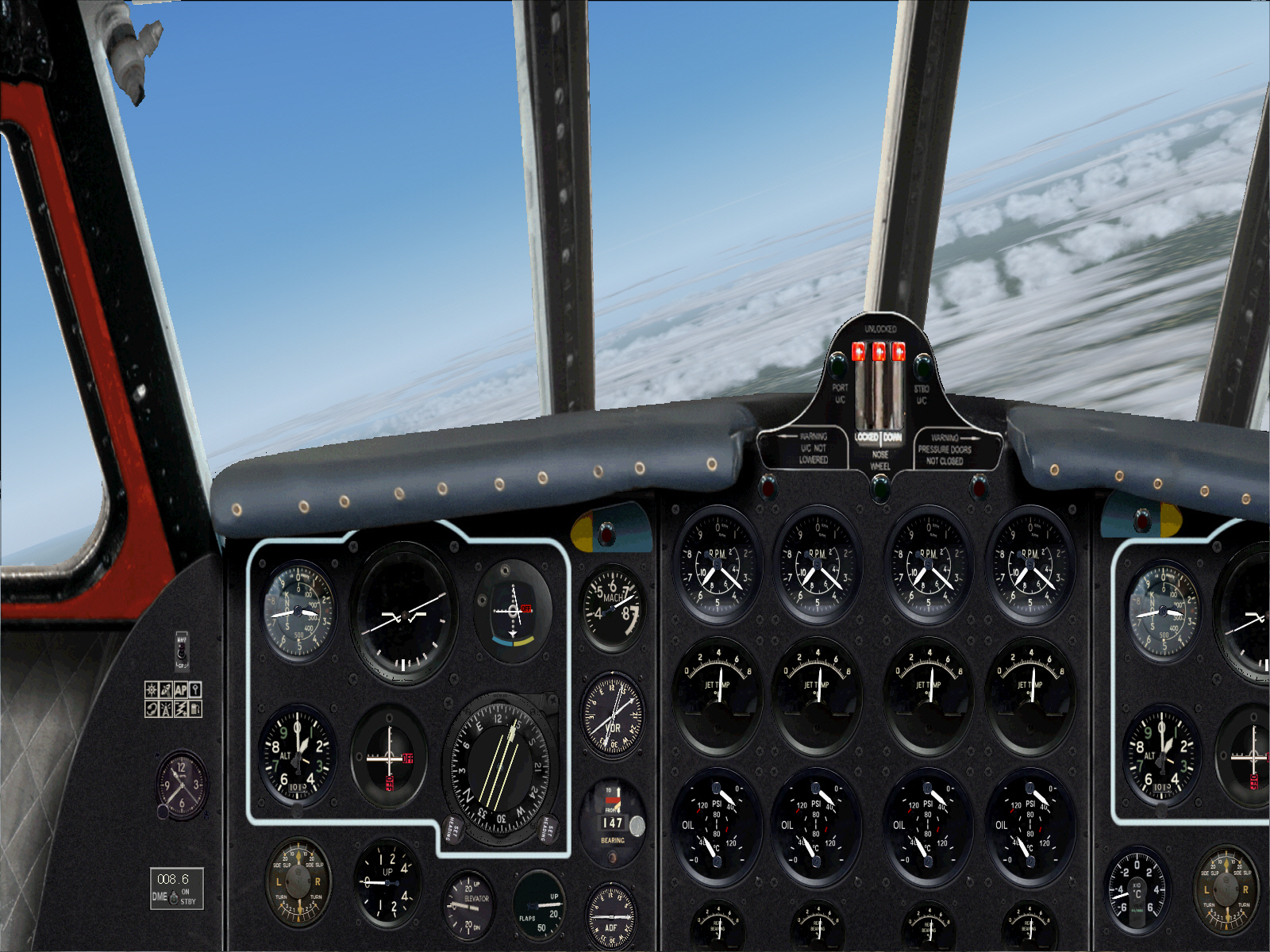
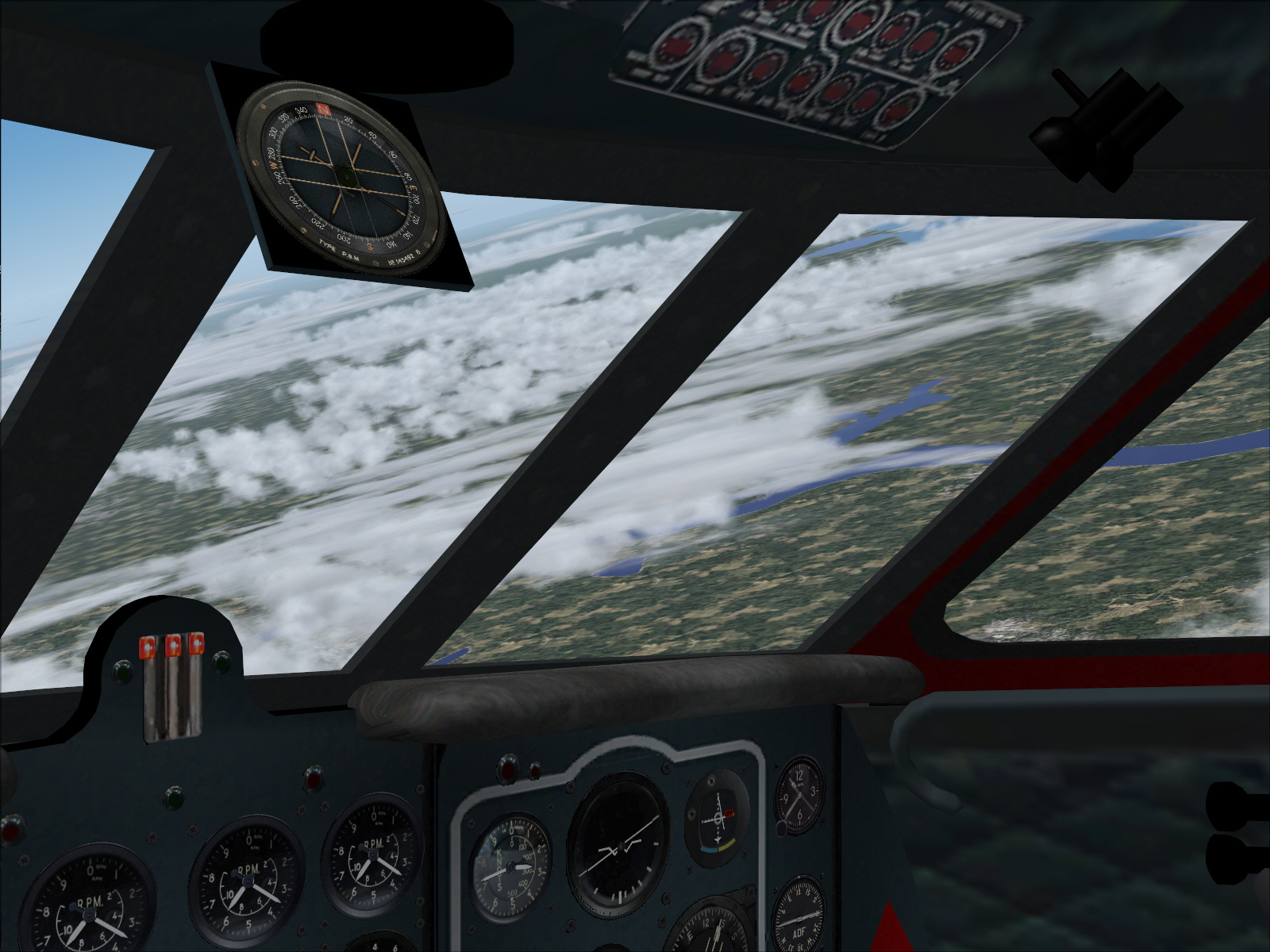
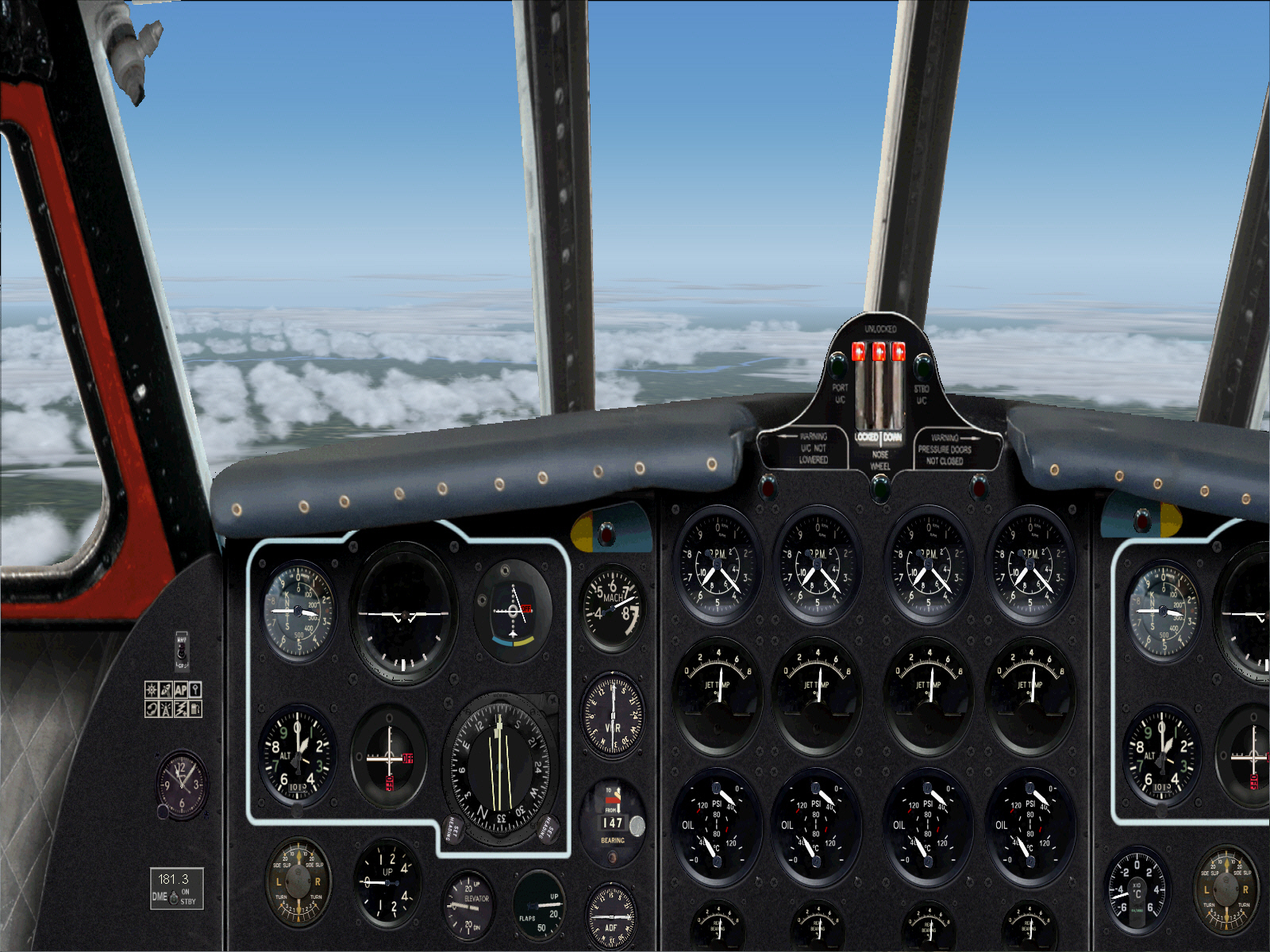
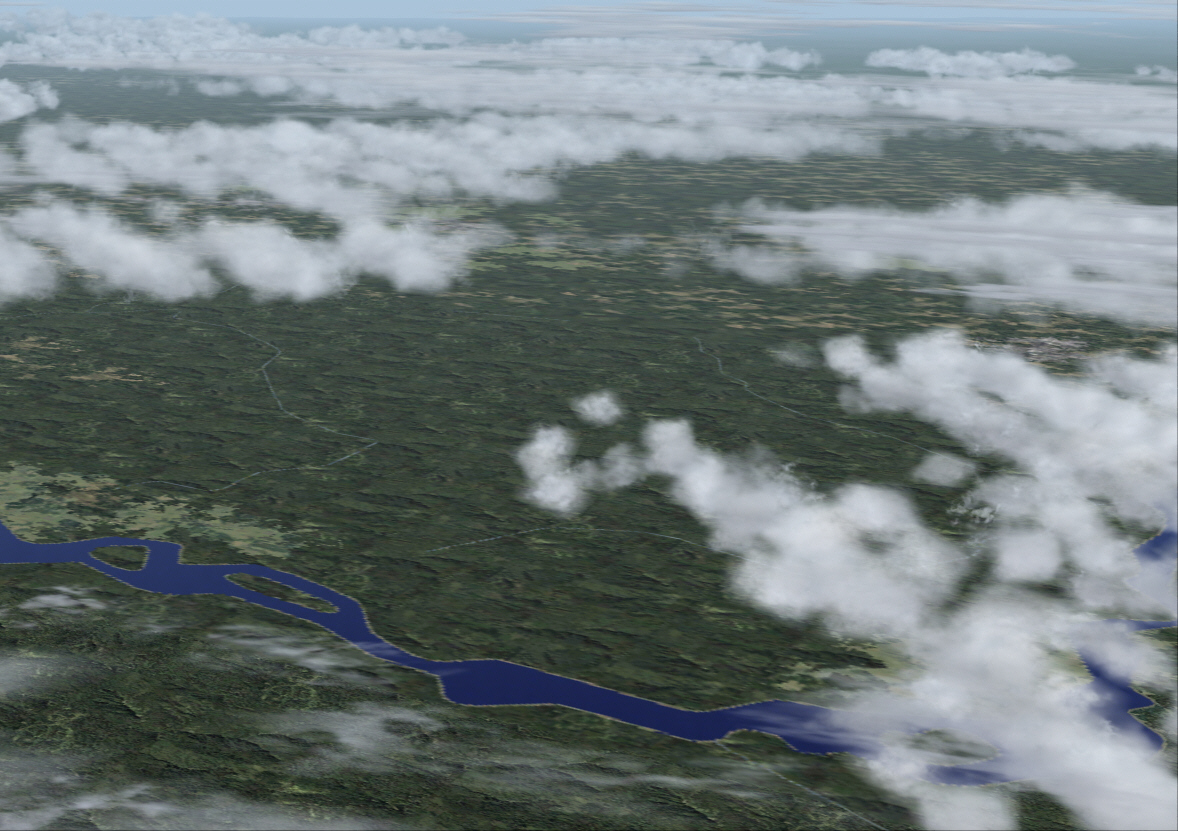
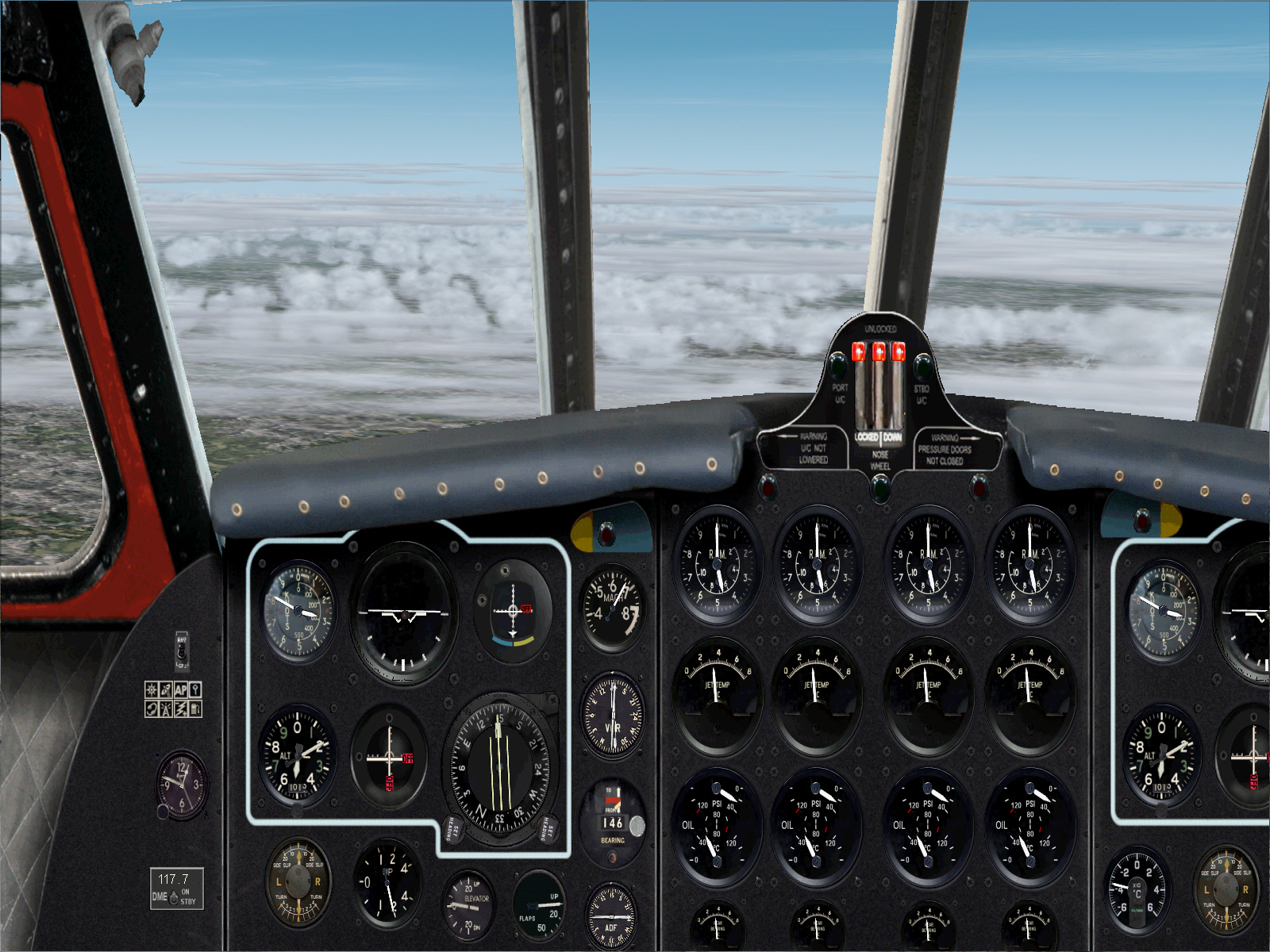
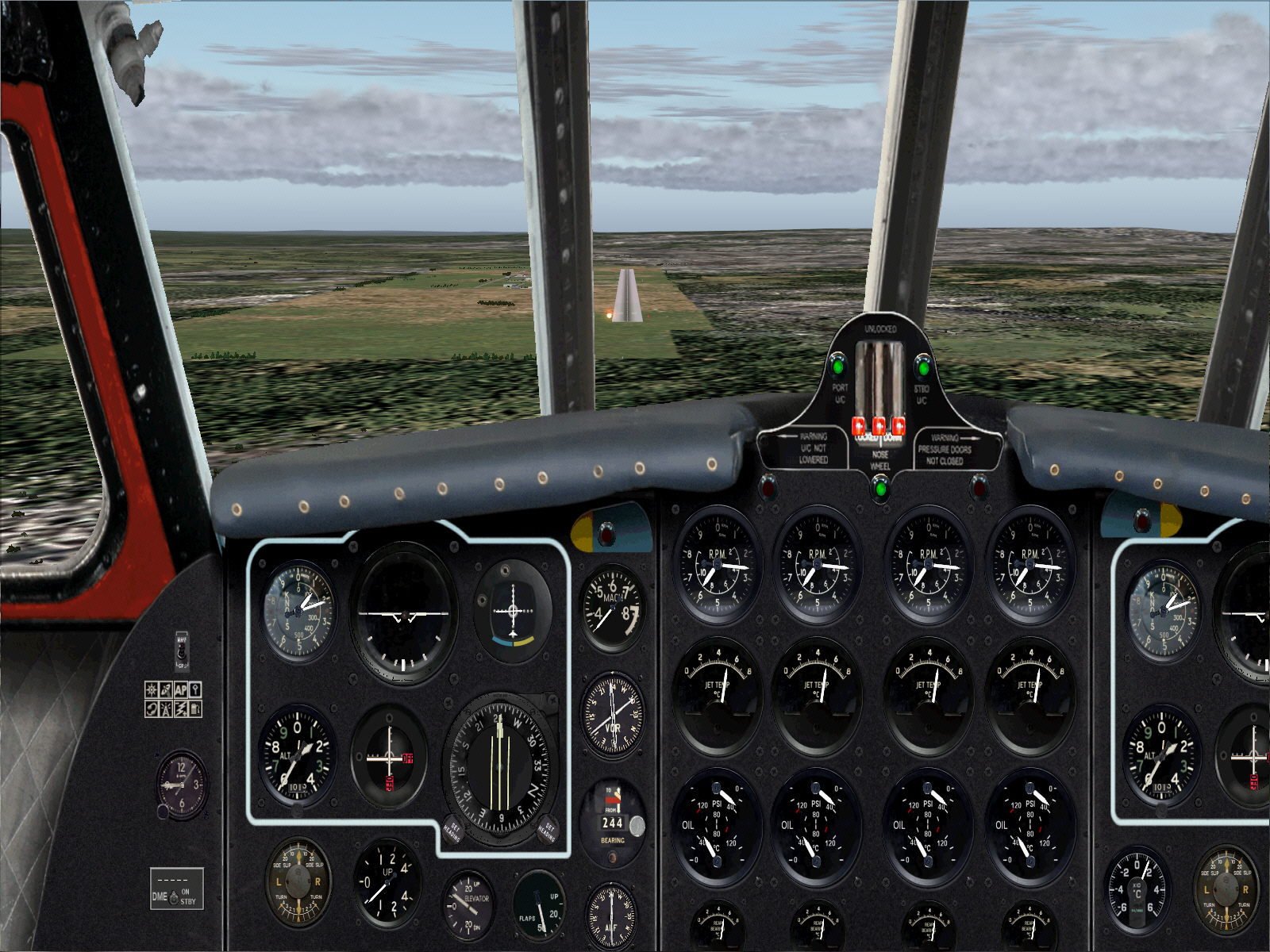
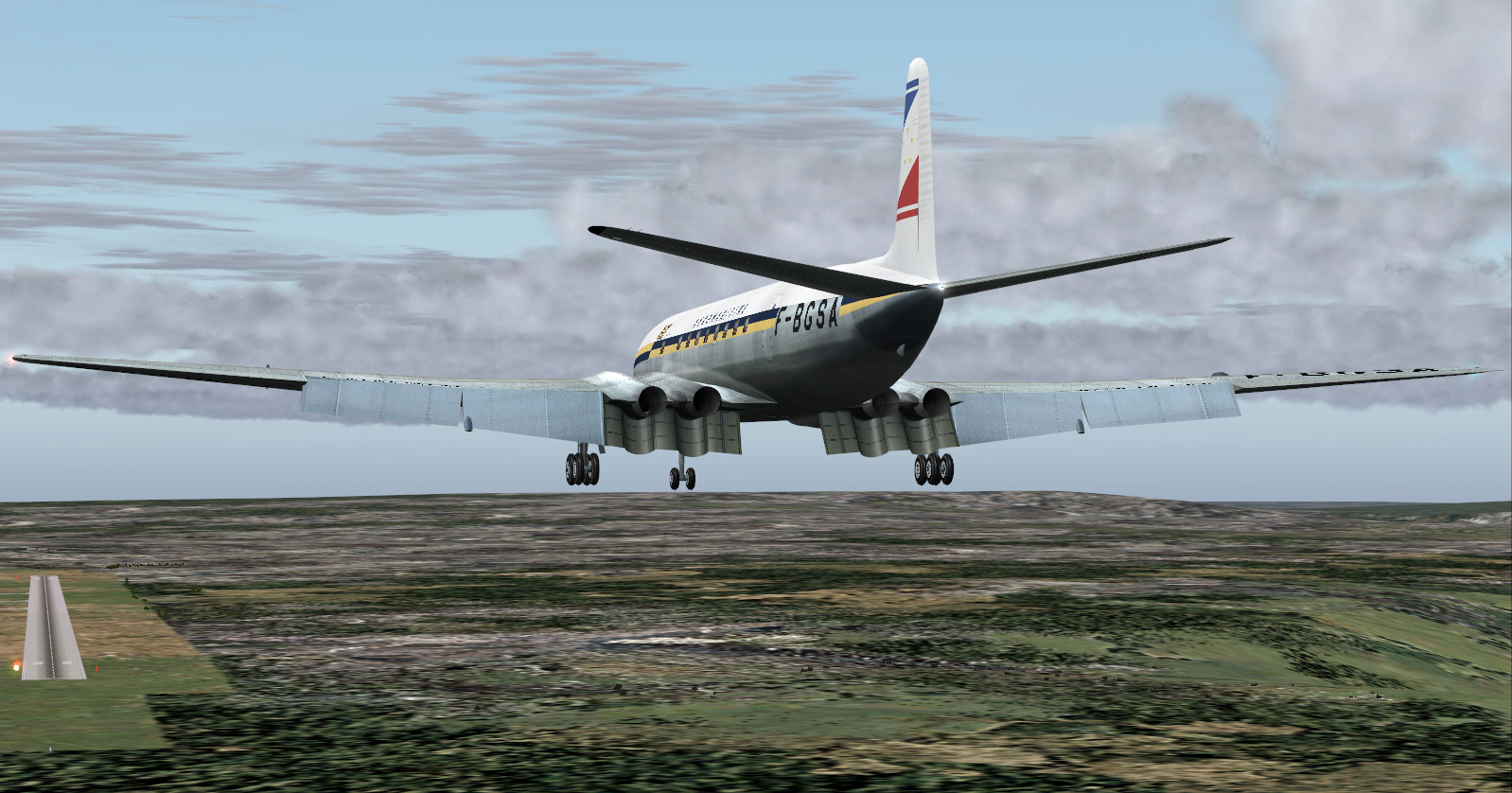
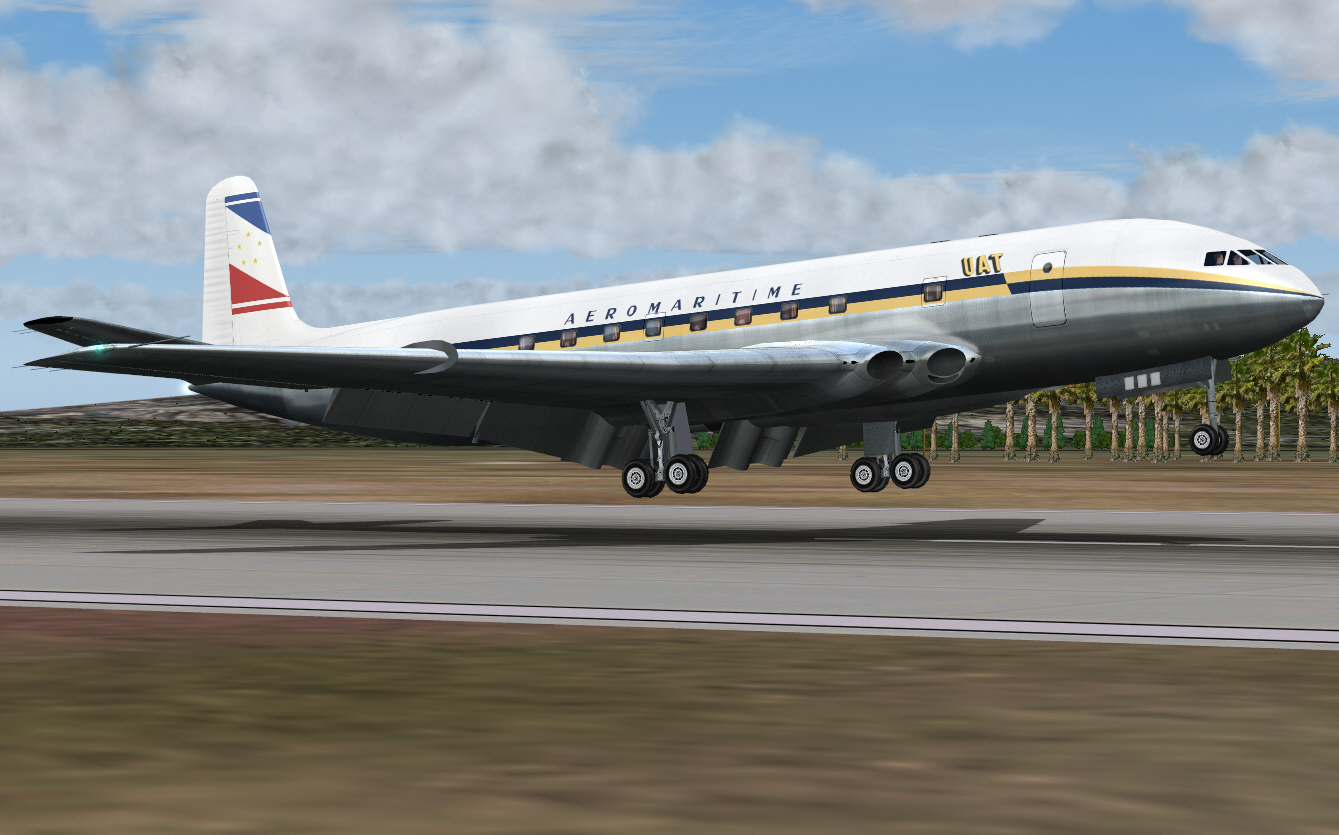
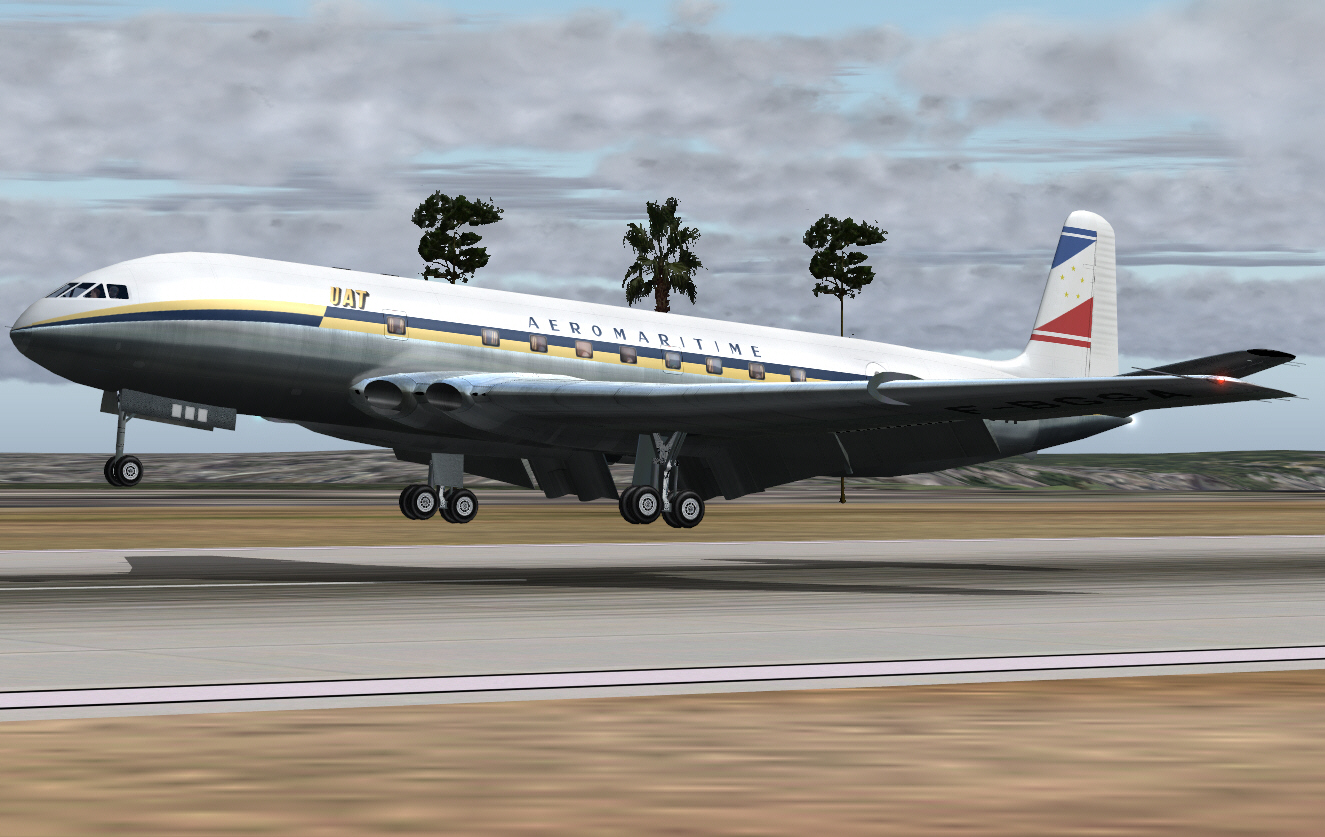
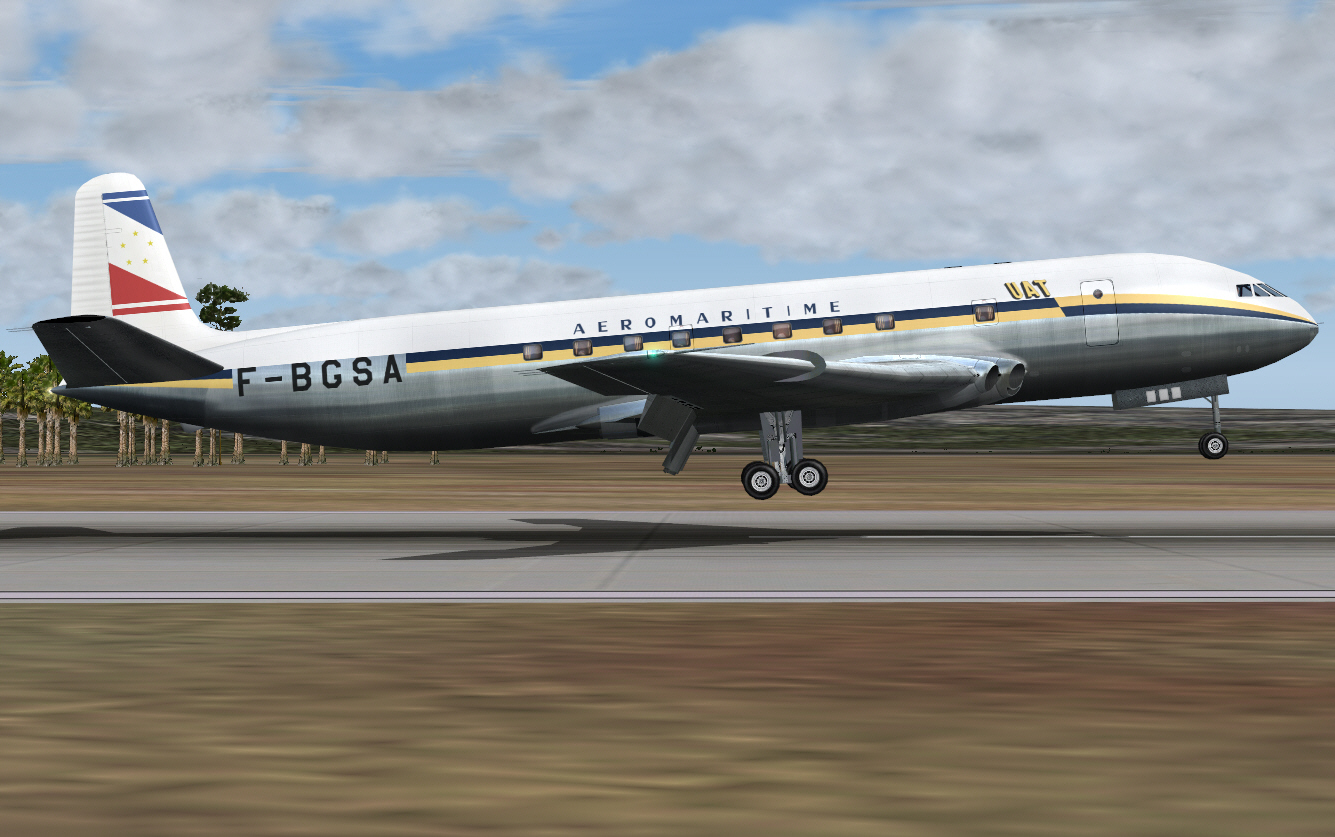
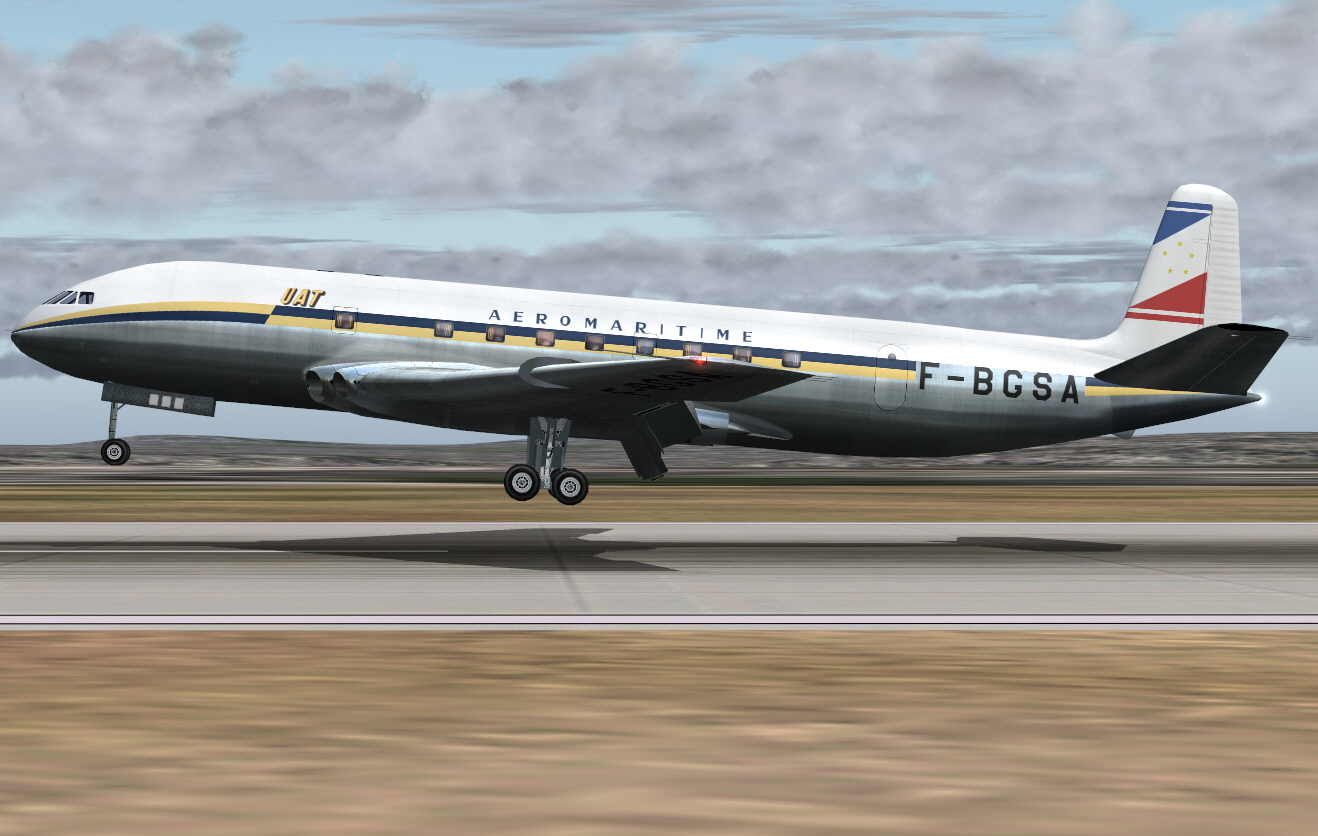
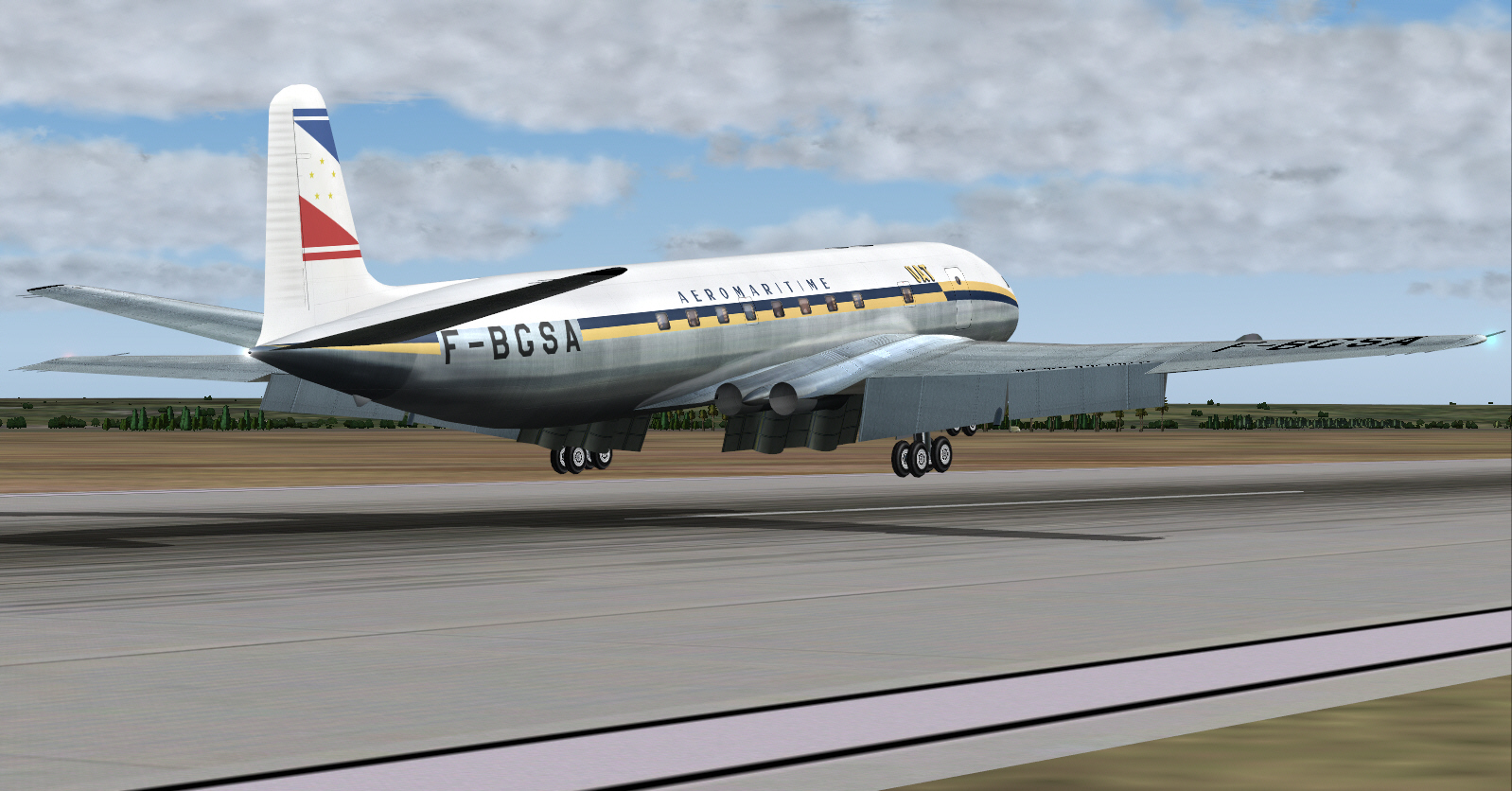
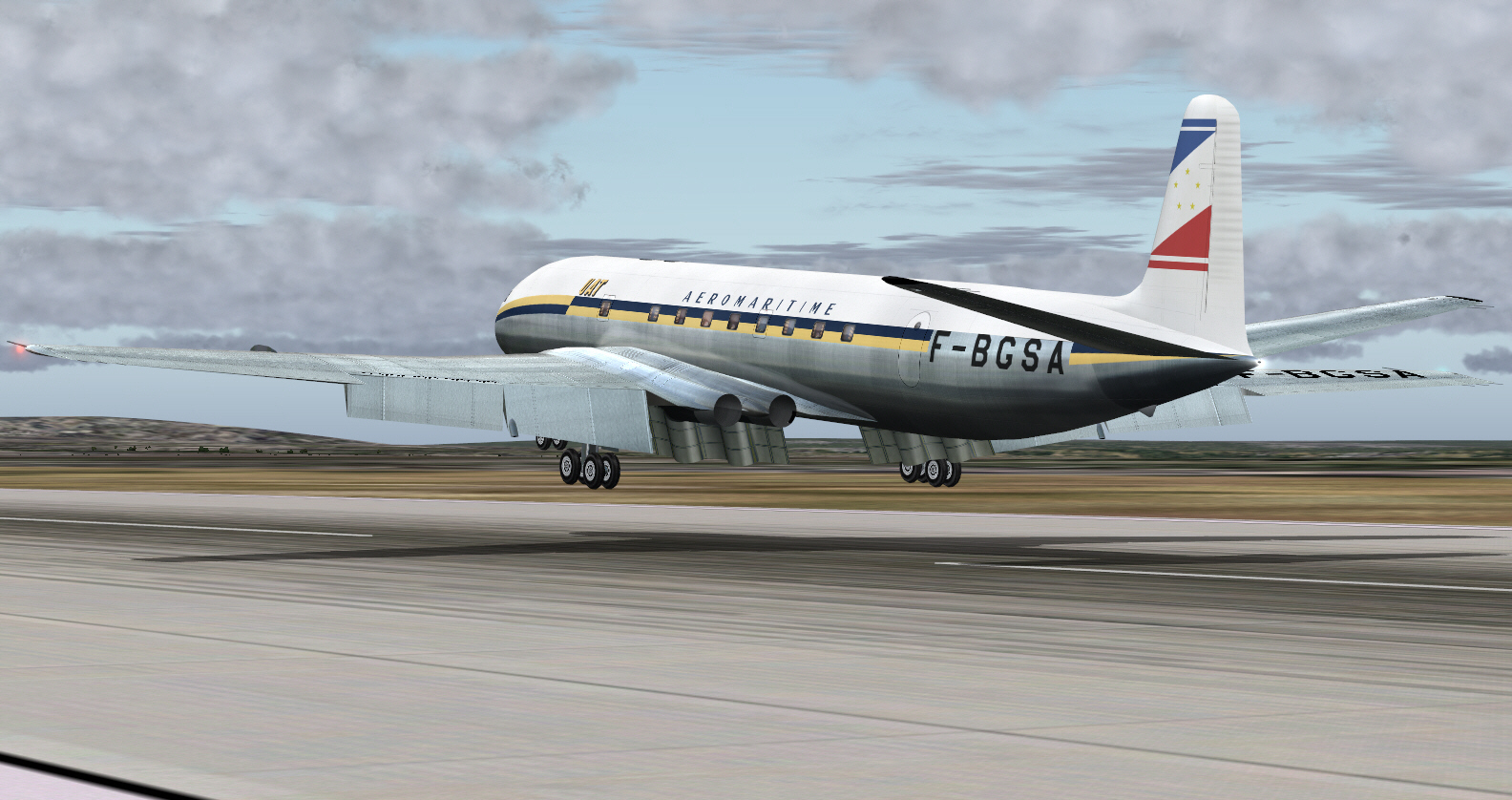
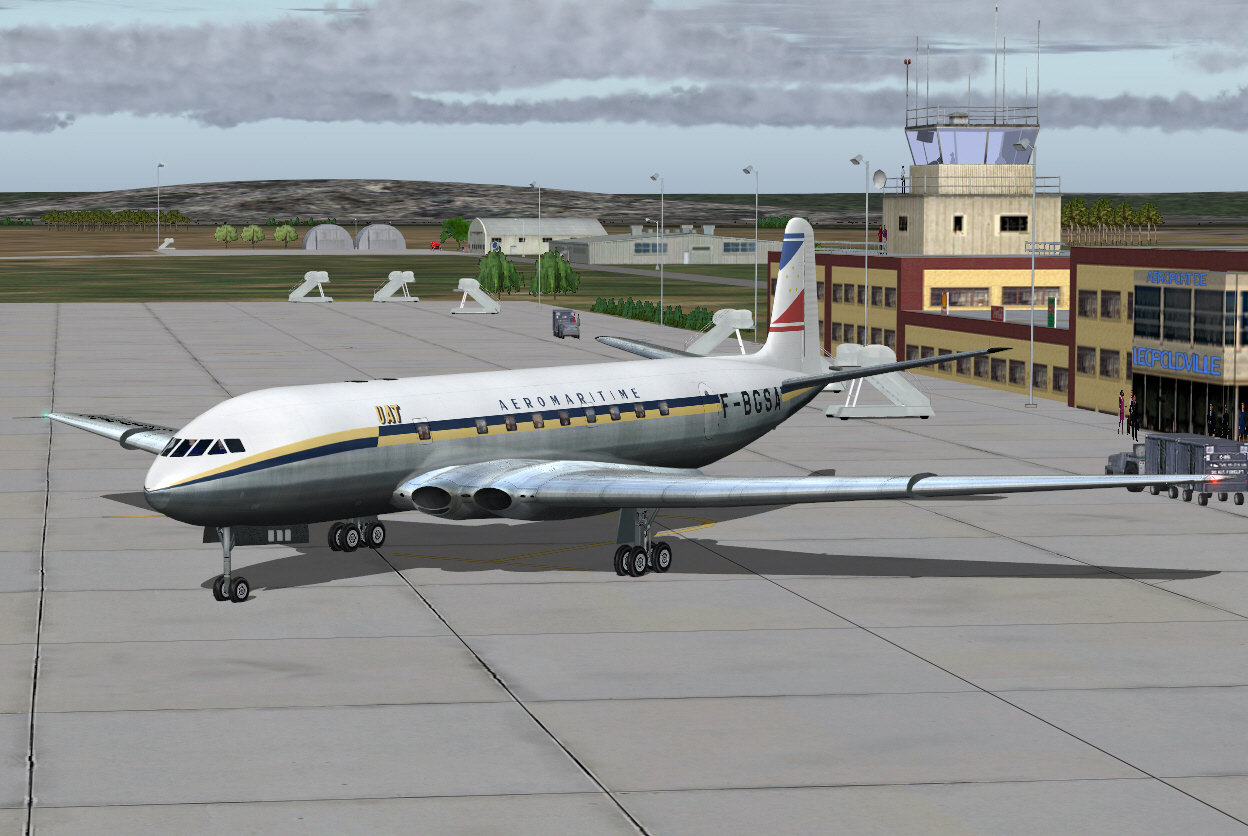
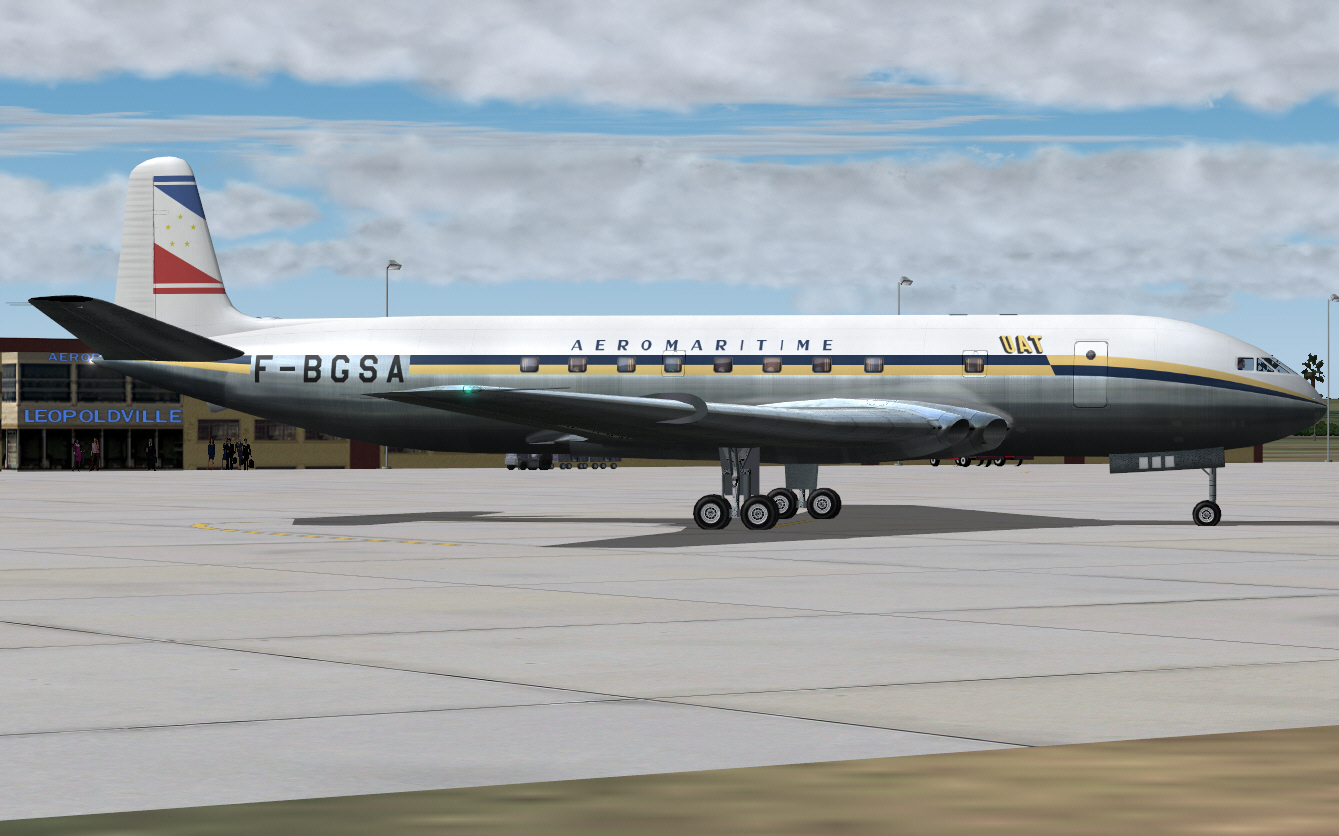
UAT AEROMARITIME - Paris To Brazzaville - 1953

Flight Simulation Screenshots displaying your Flight Simulation Experience. MSFS, FSX, Prepar3D, XPlane and other Flight Simulators. Focus is your Flight Simulator Experience. Please upload to Simviation (Button at top right)

UAT AEROMARITIME - Paris To Brazzaville - 1953

Postby aerofoto » Sat May 09, 2026 3:57 am

Time to do it all again .... or rather something similar albeit a bit more challenging this time too.

The following's another classic route re-enactment

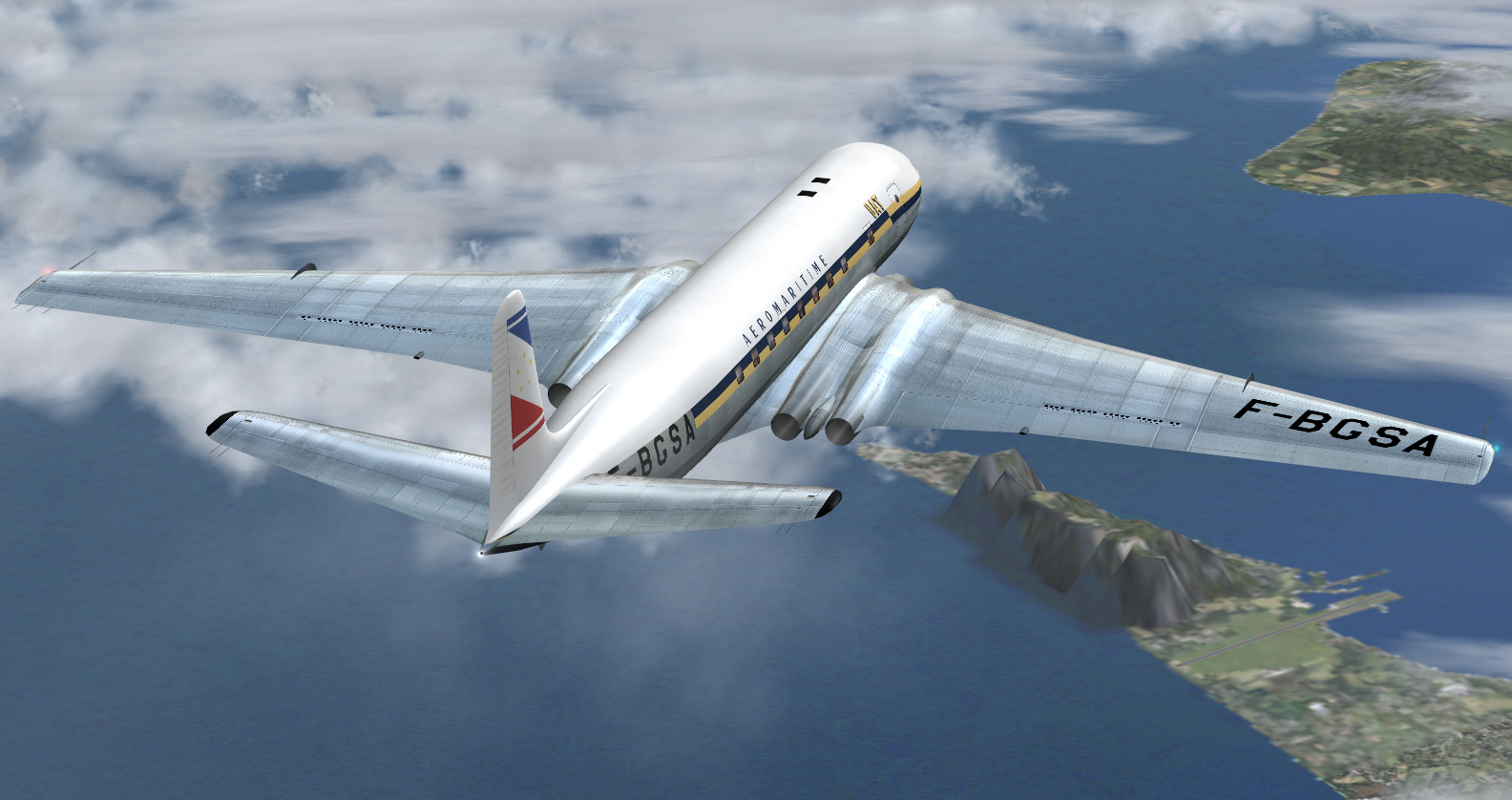
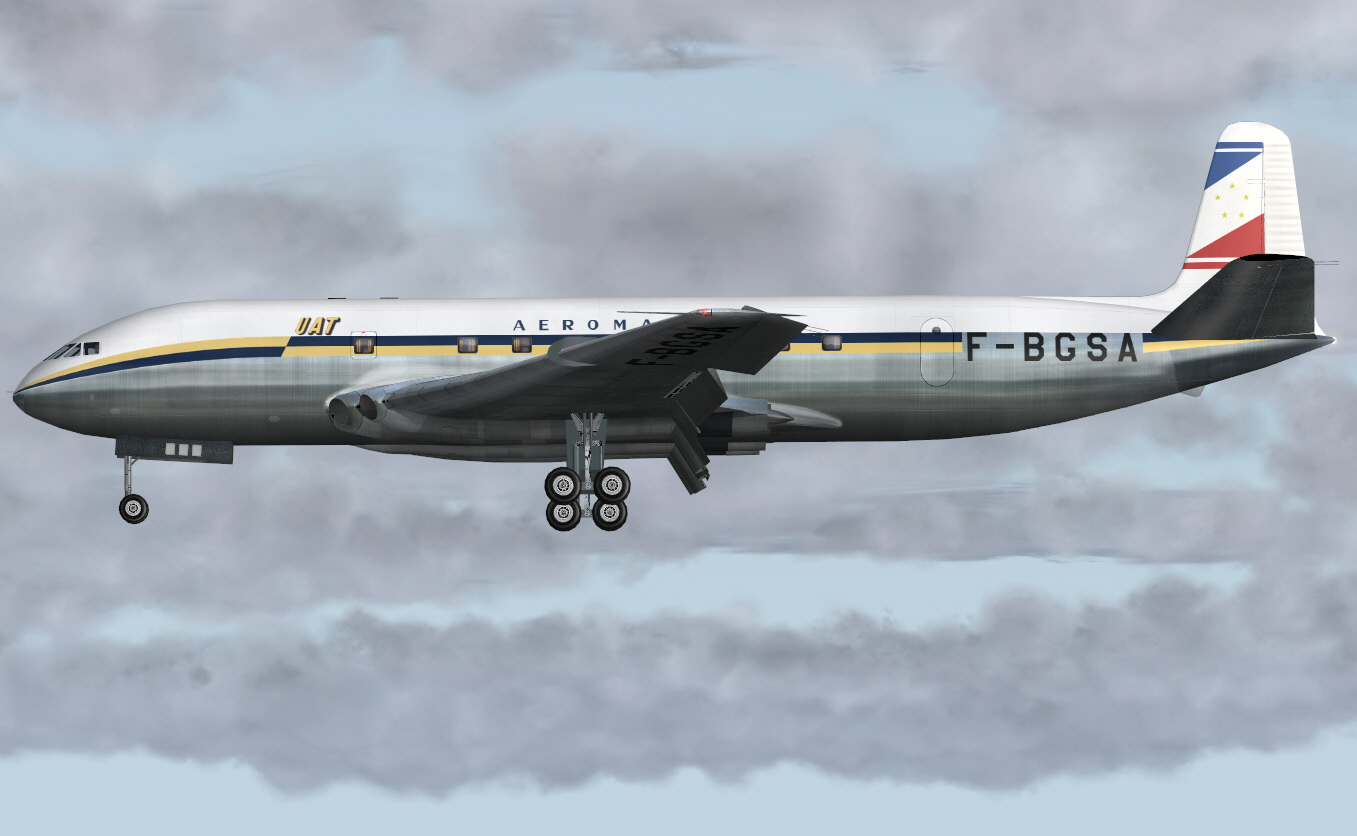
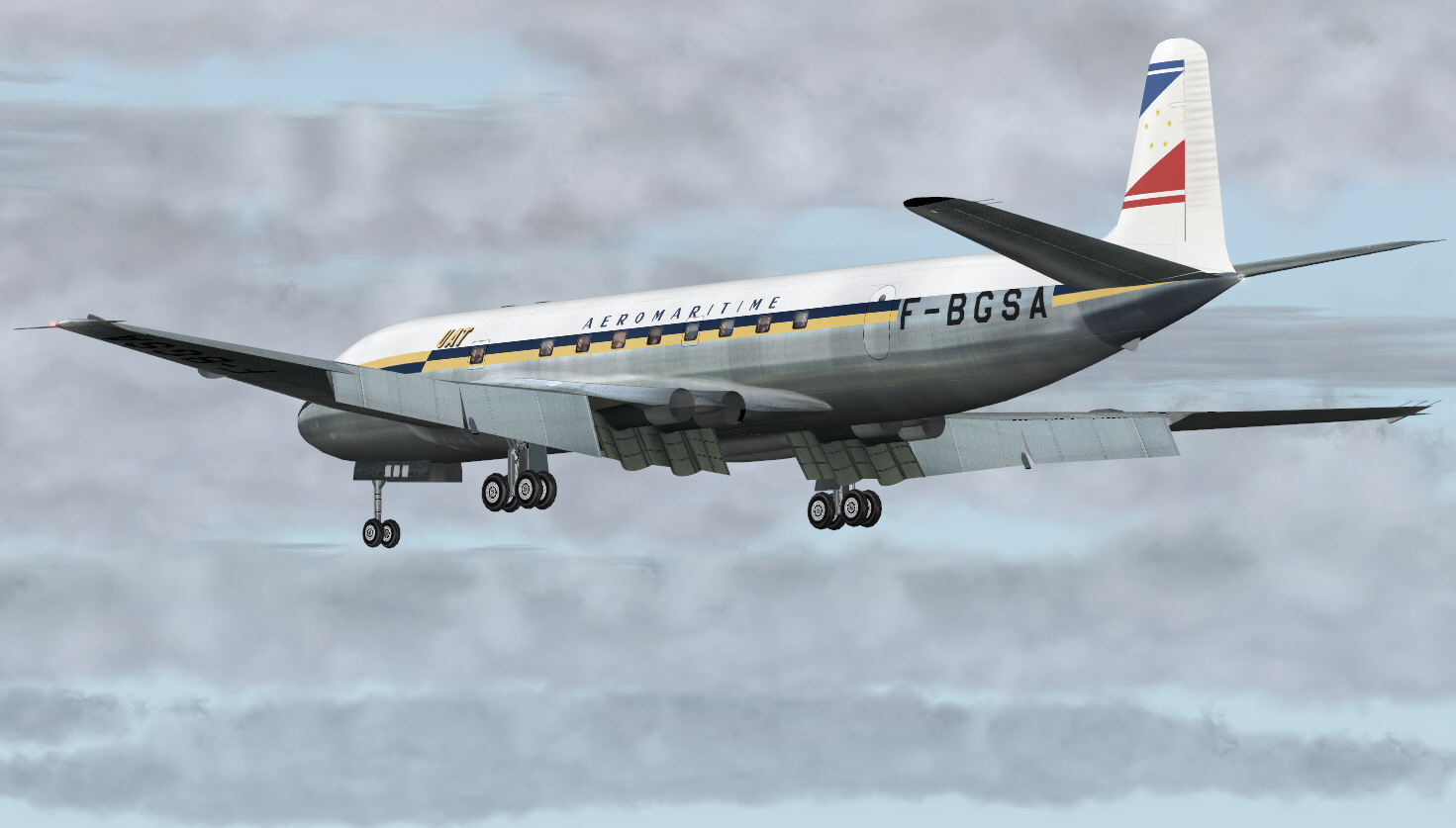
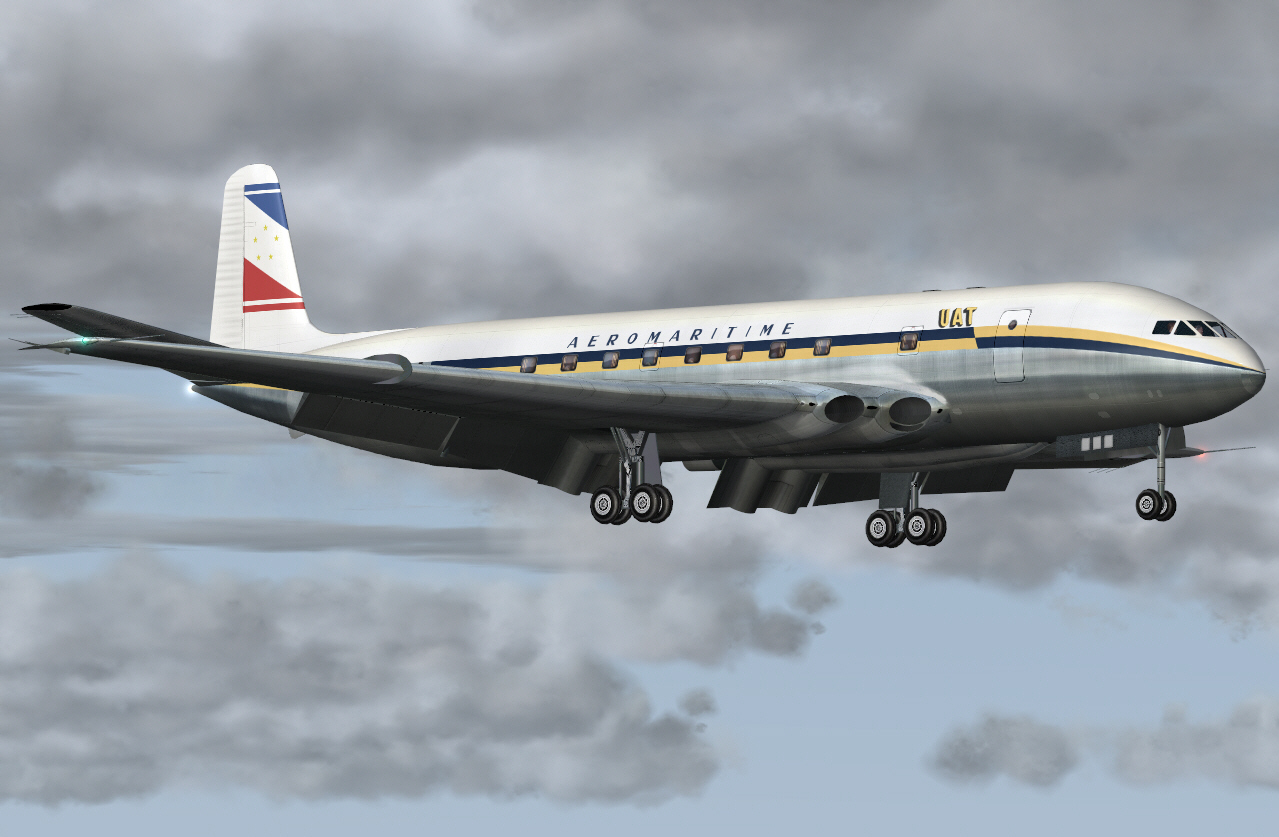
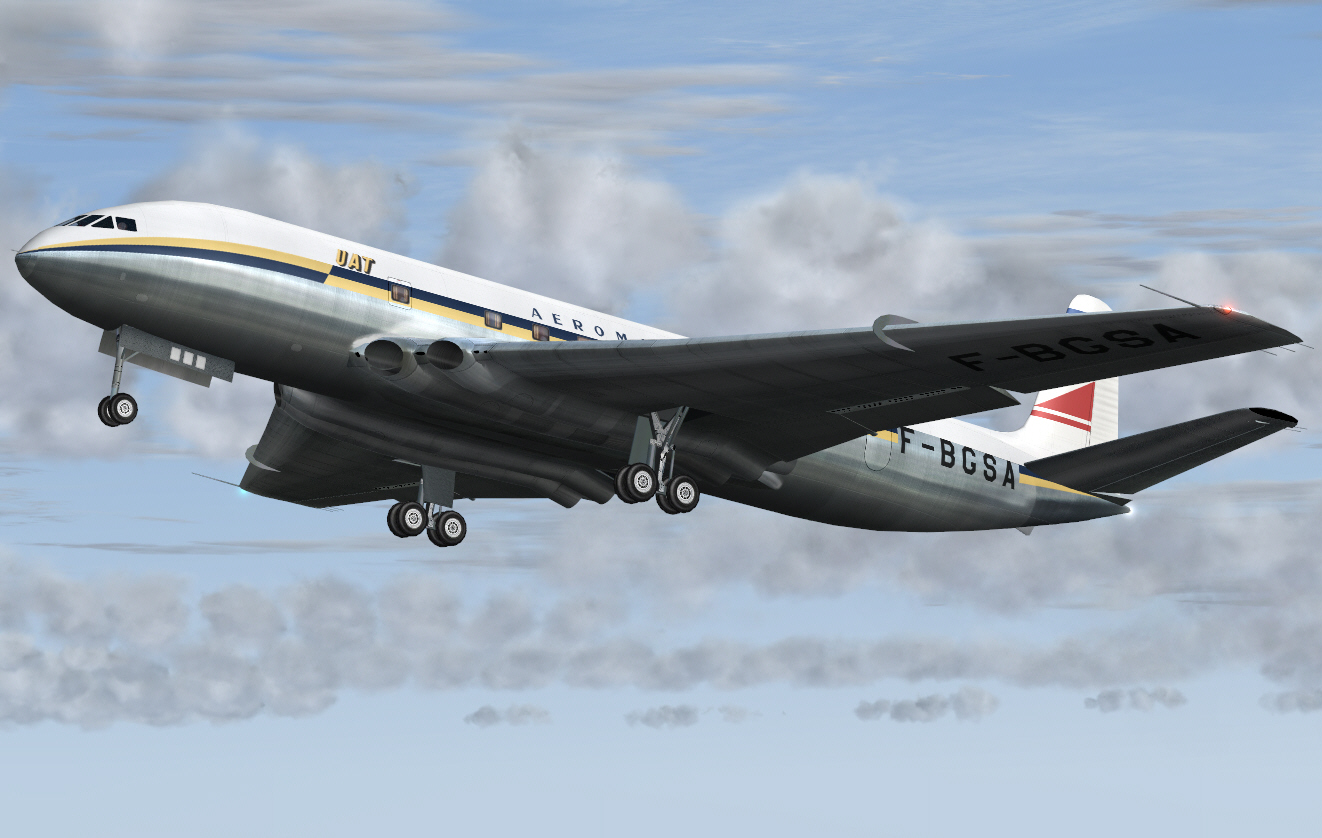
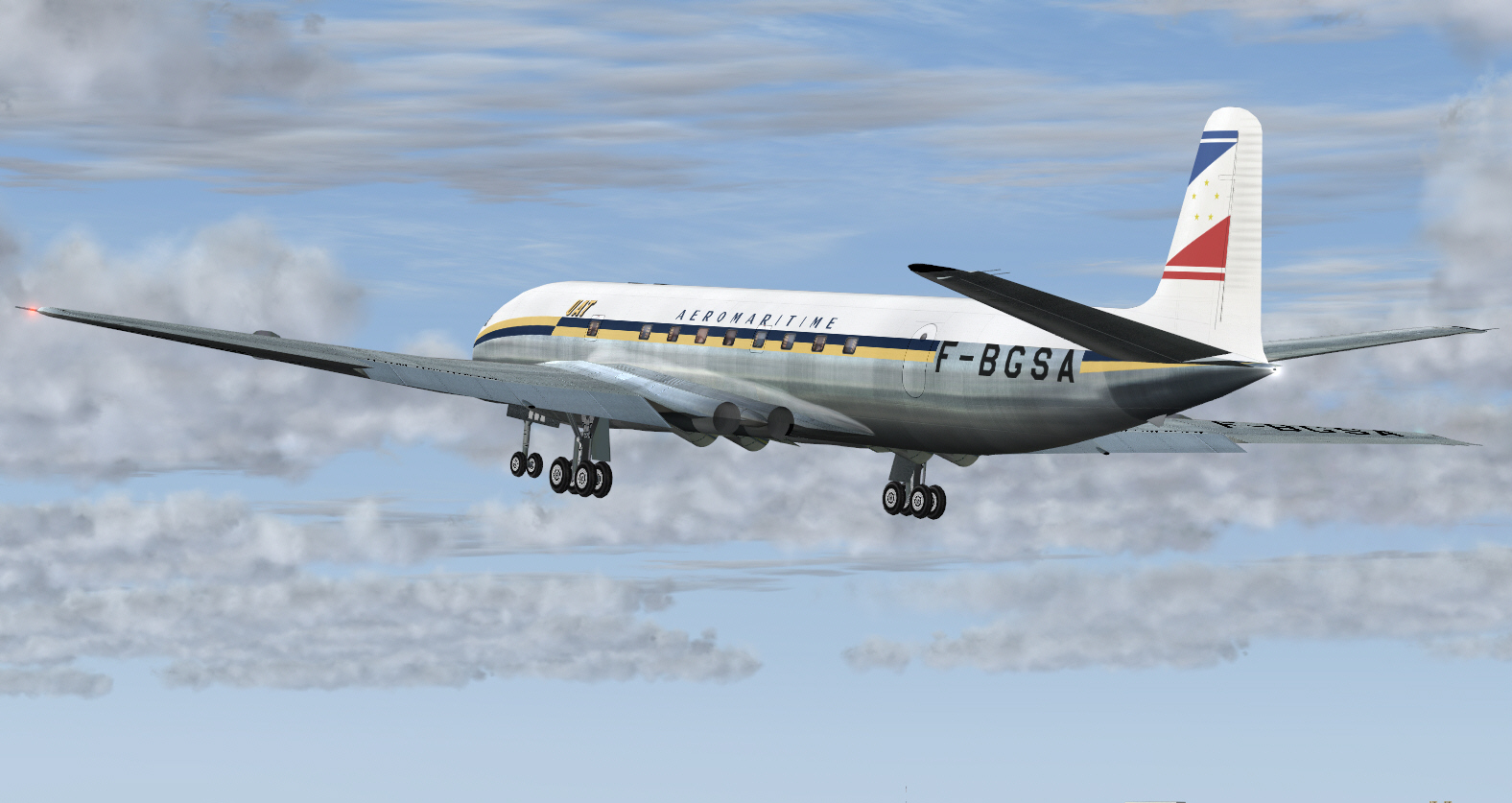
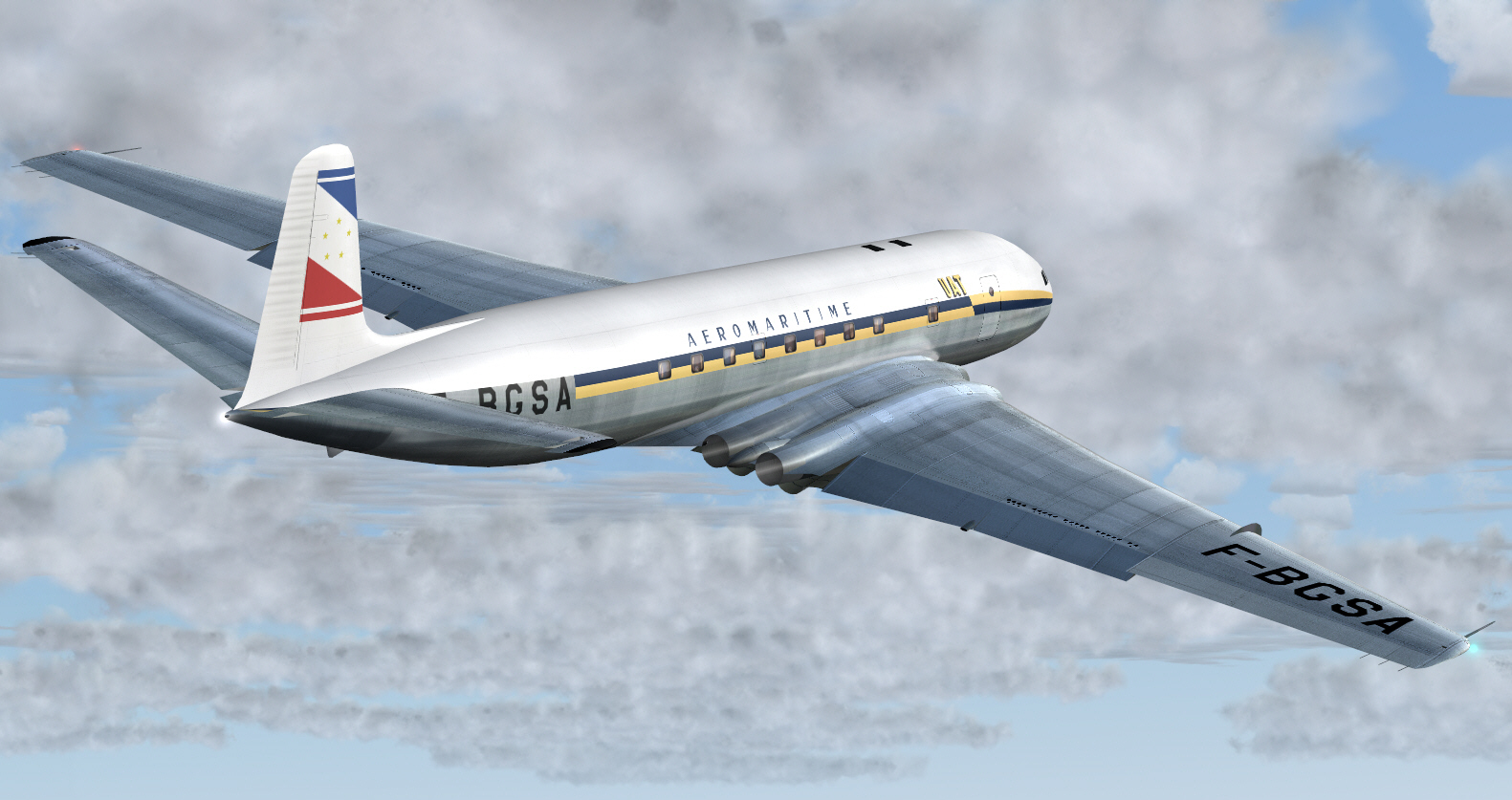
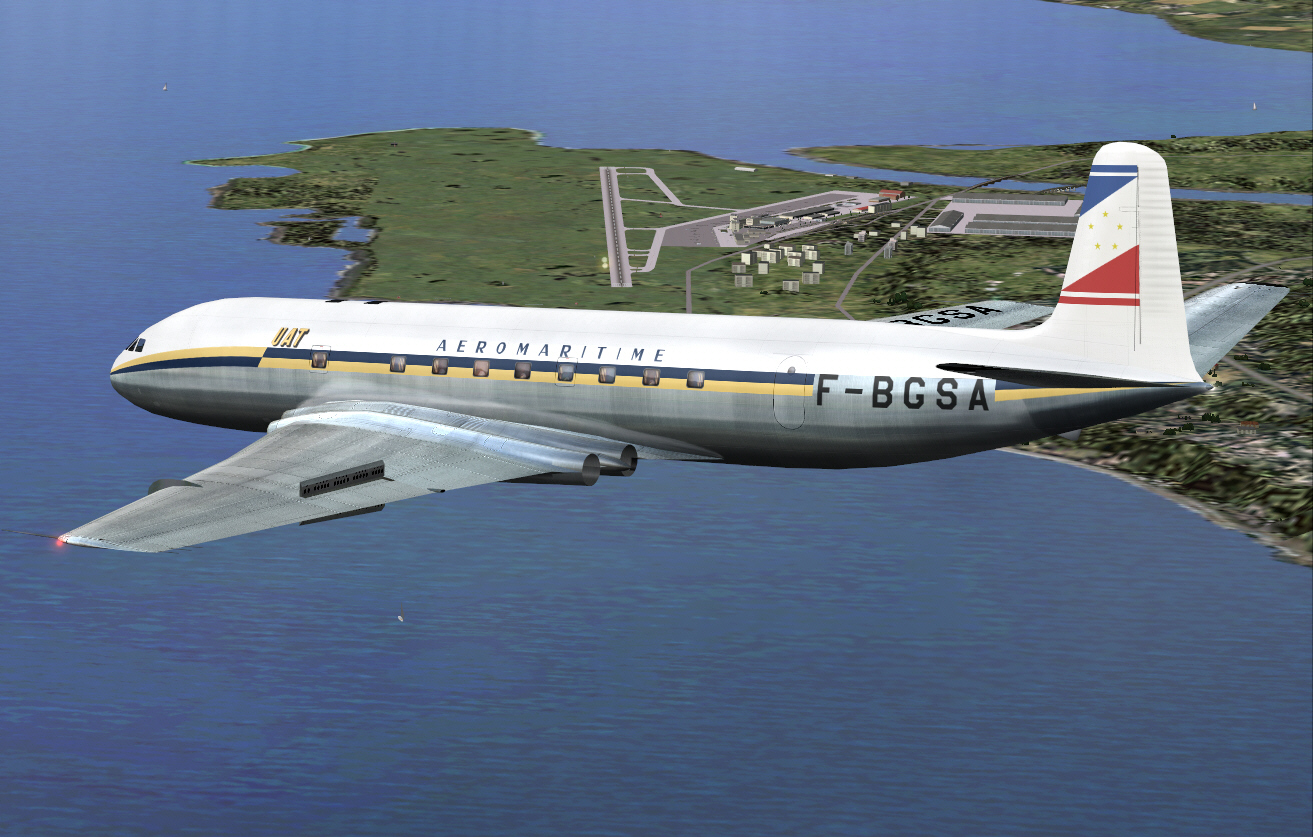
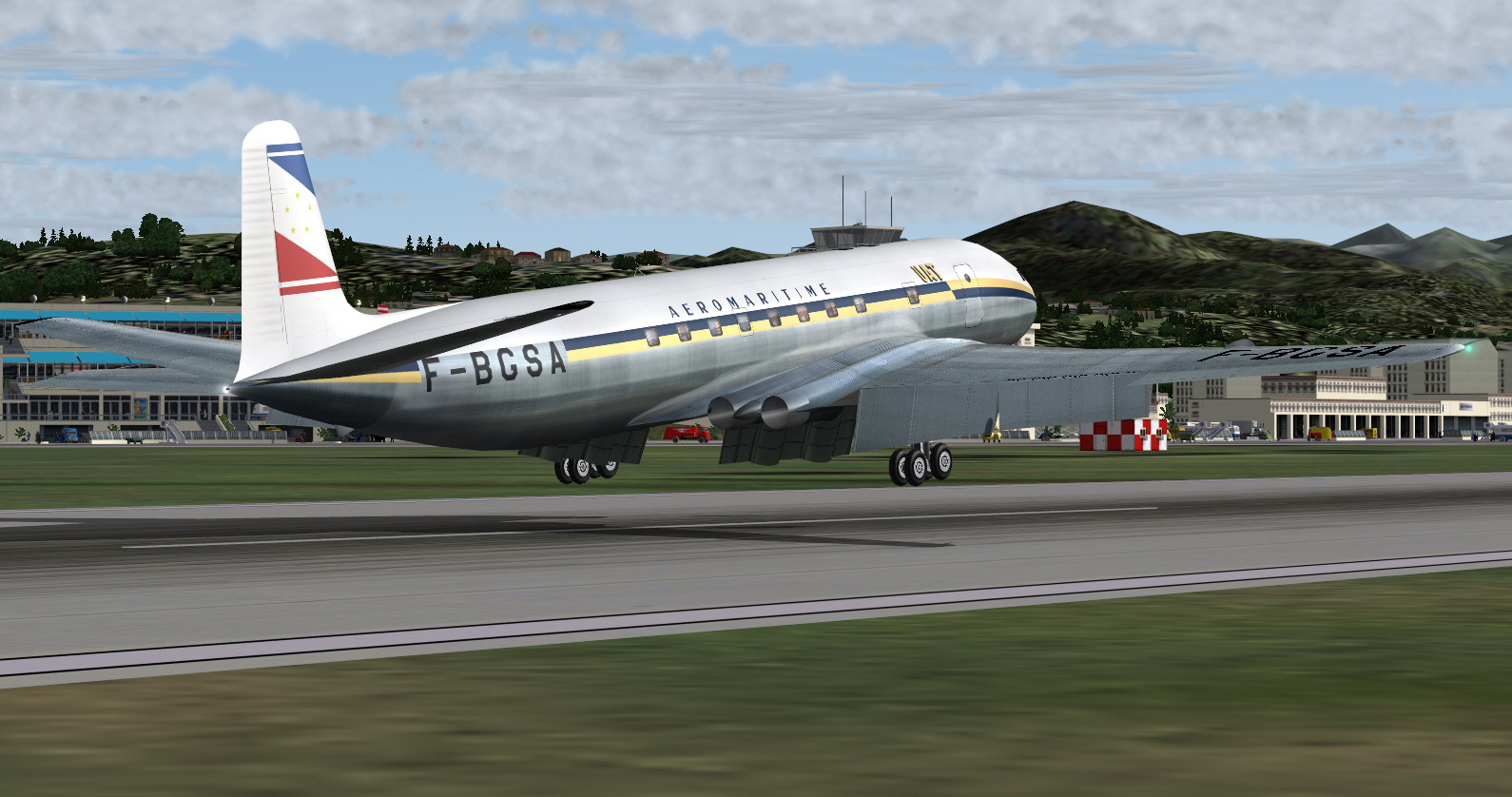
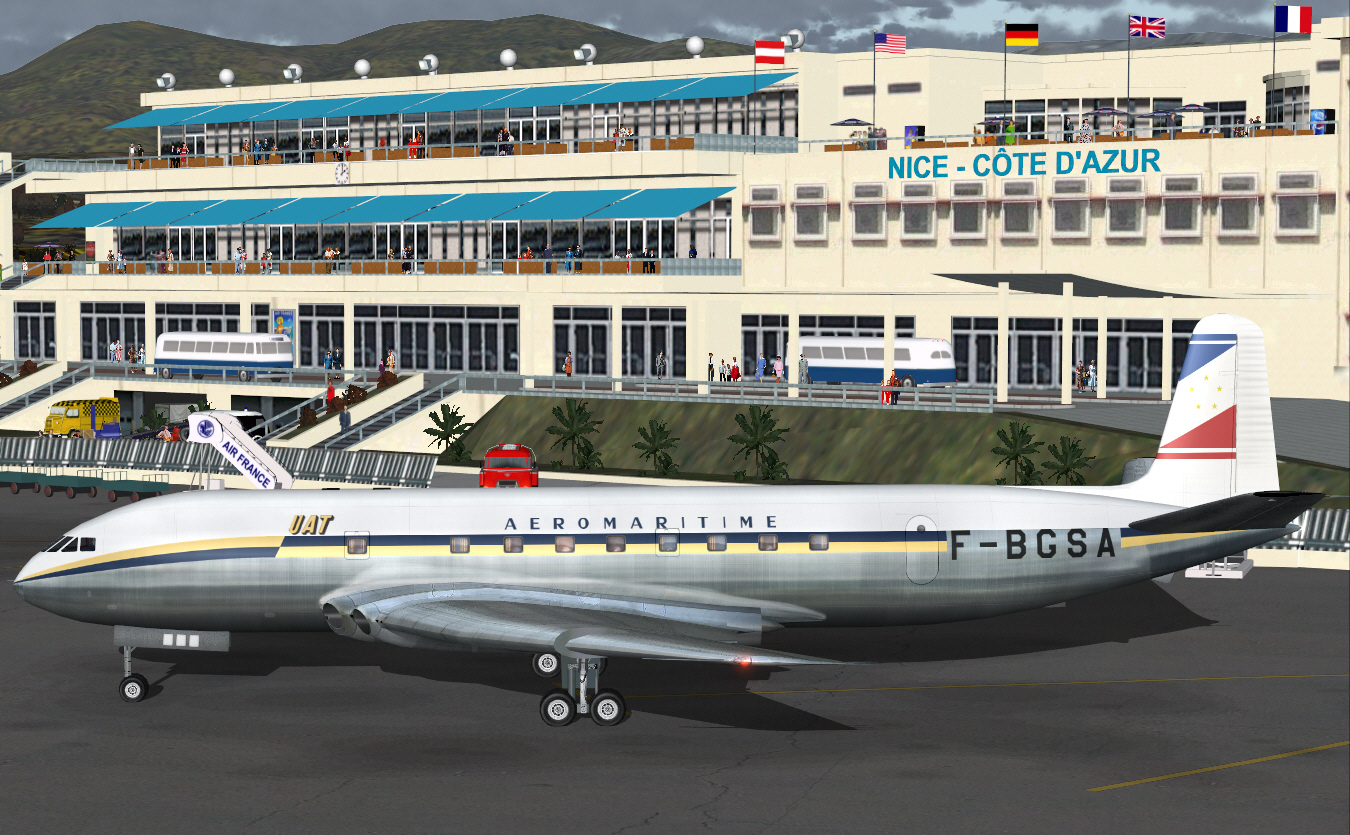
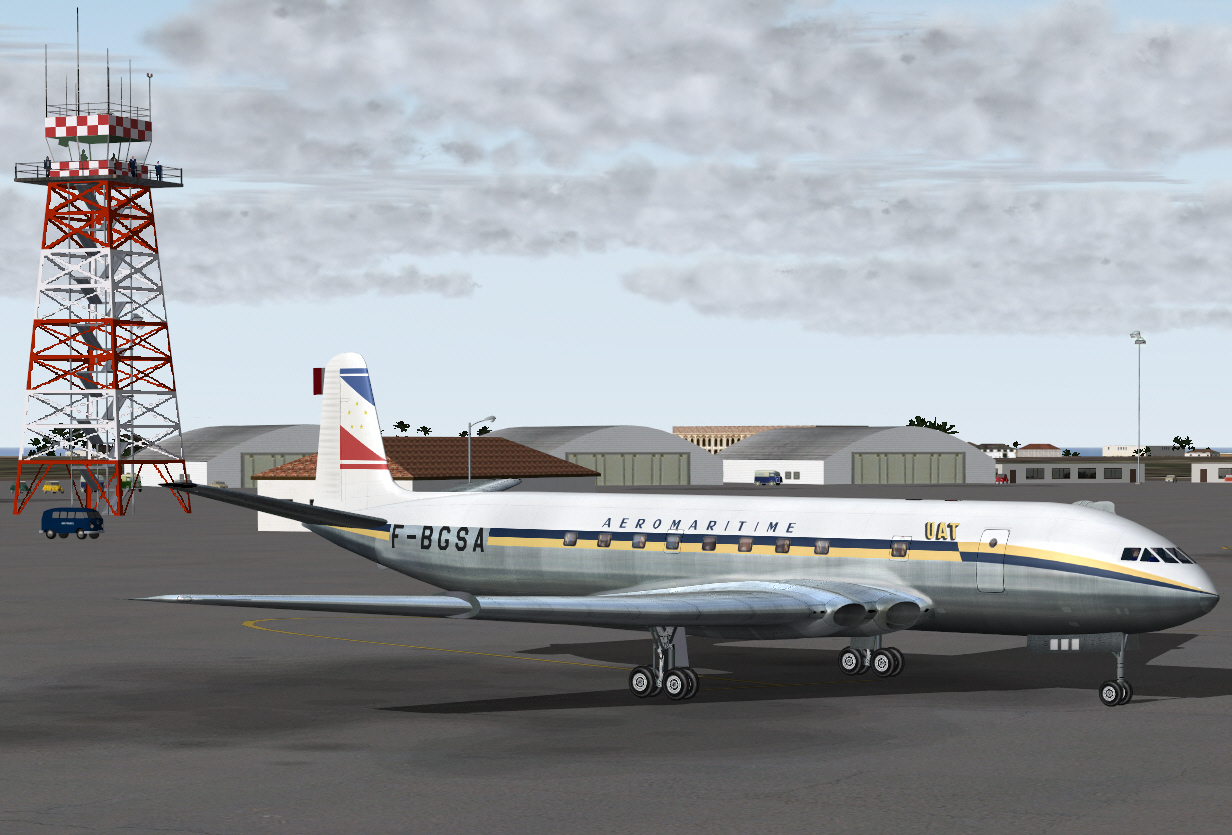
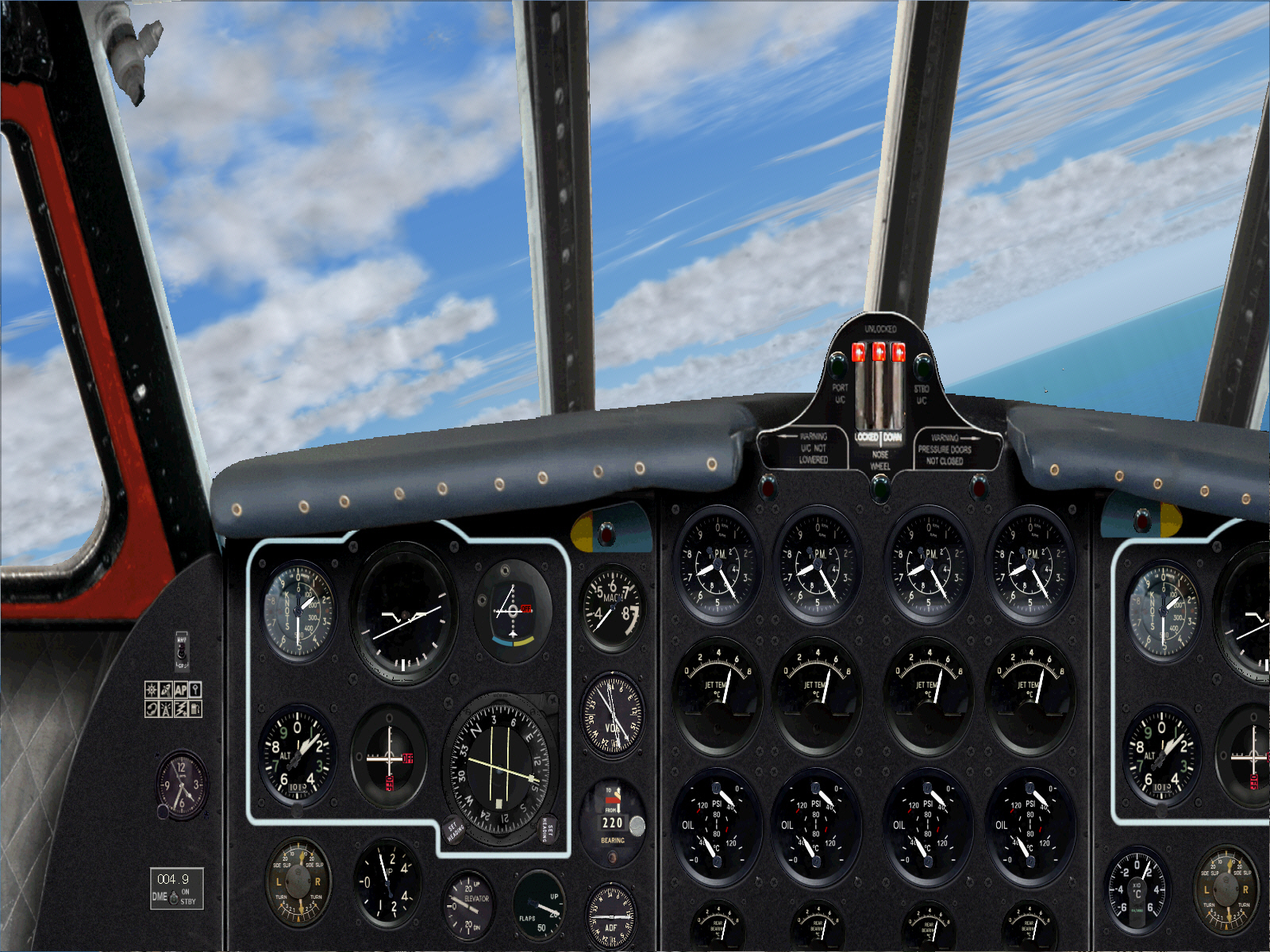
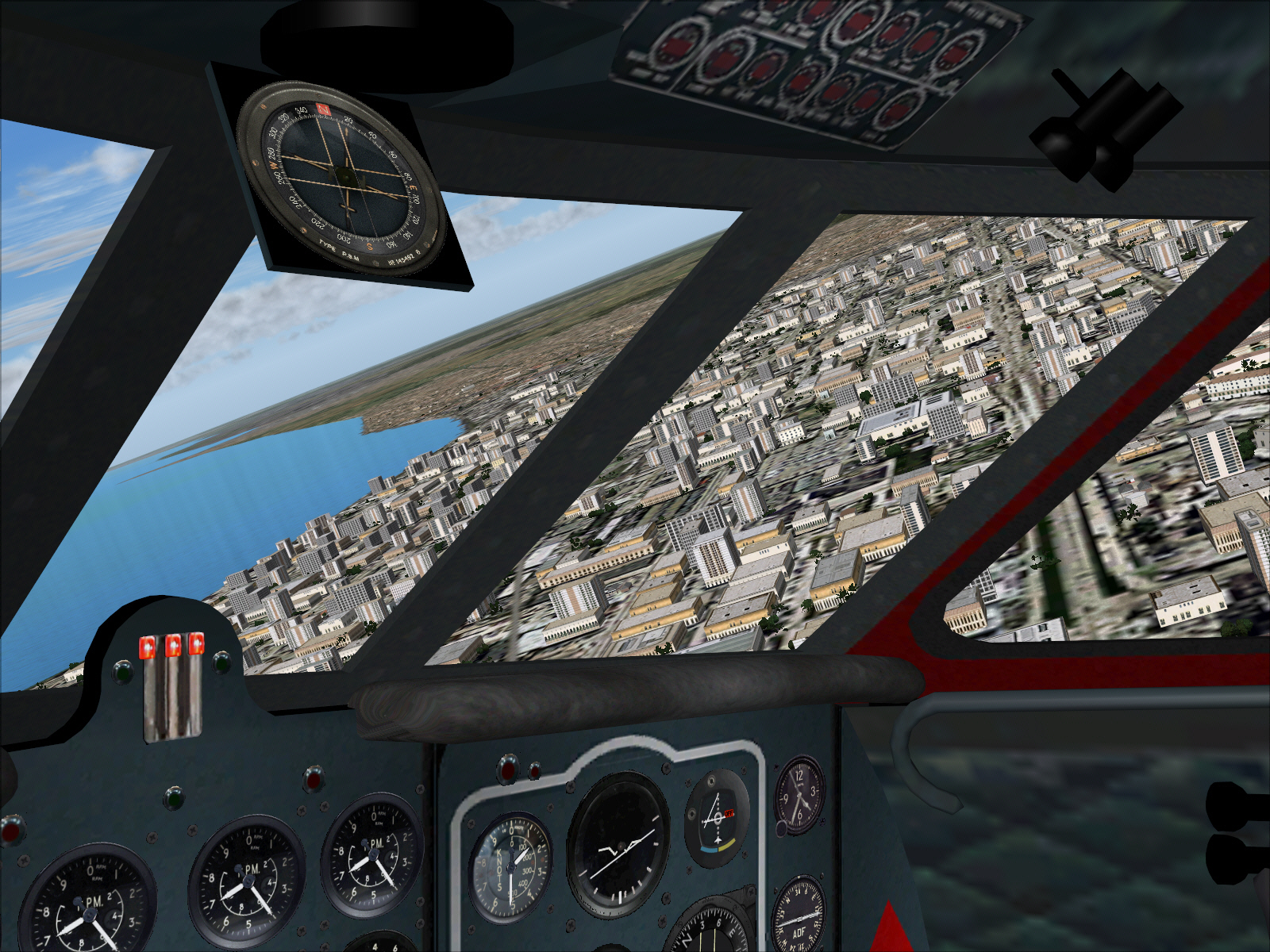
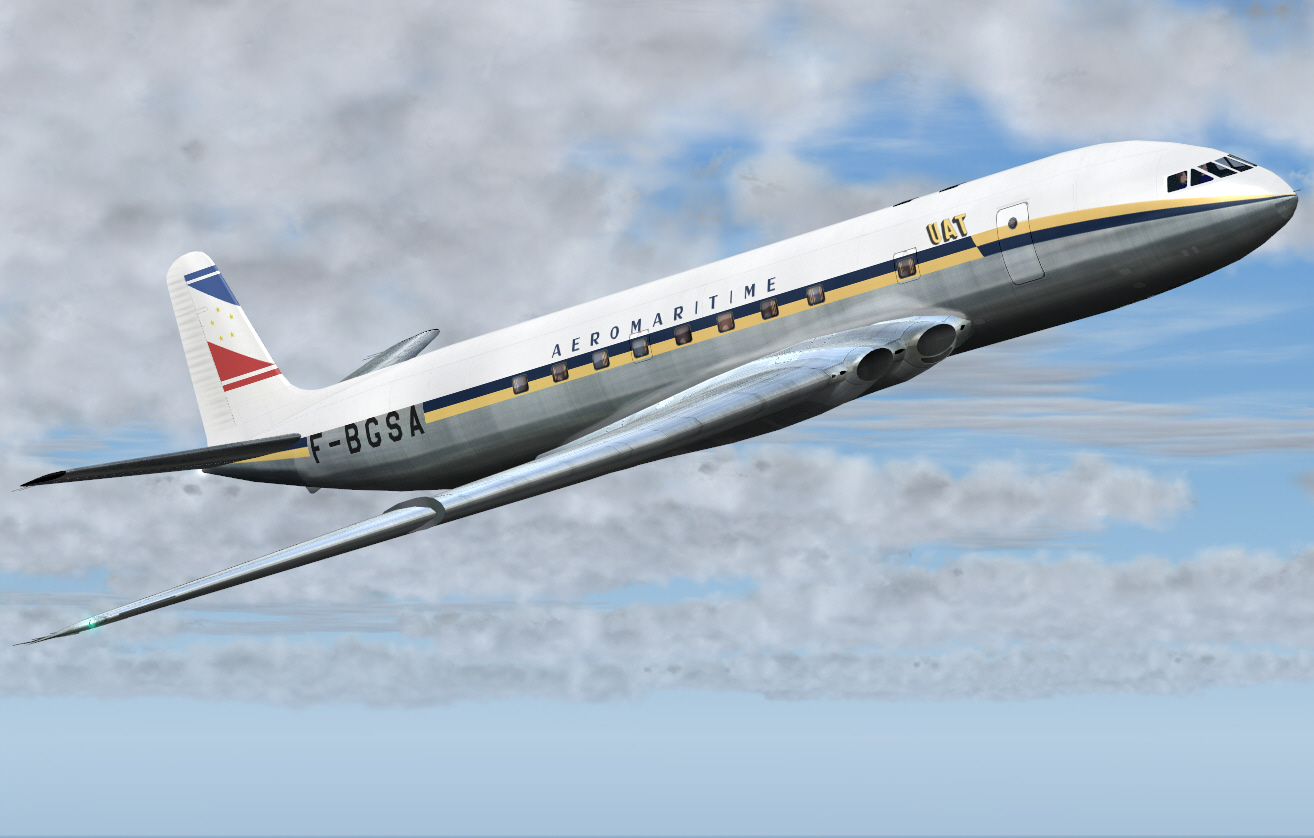
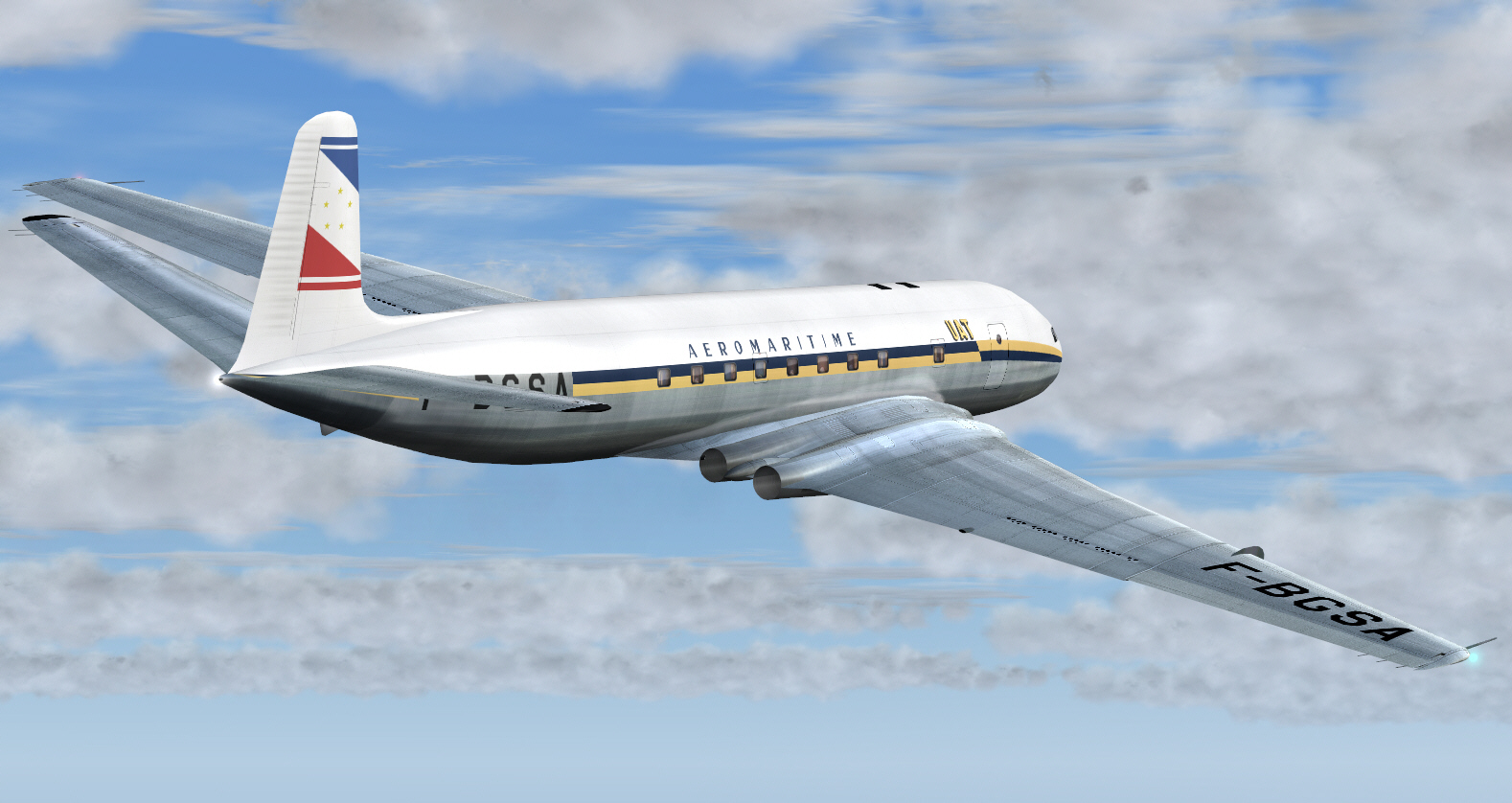
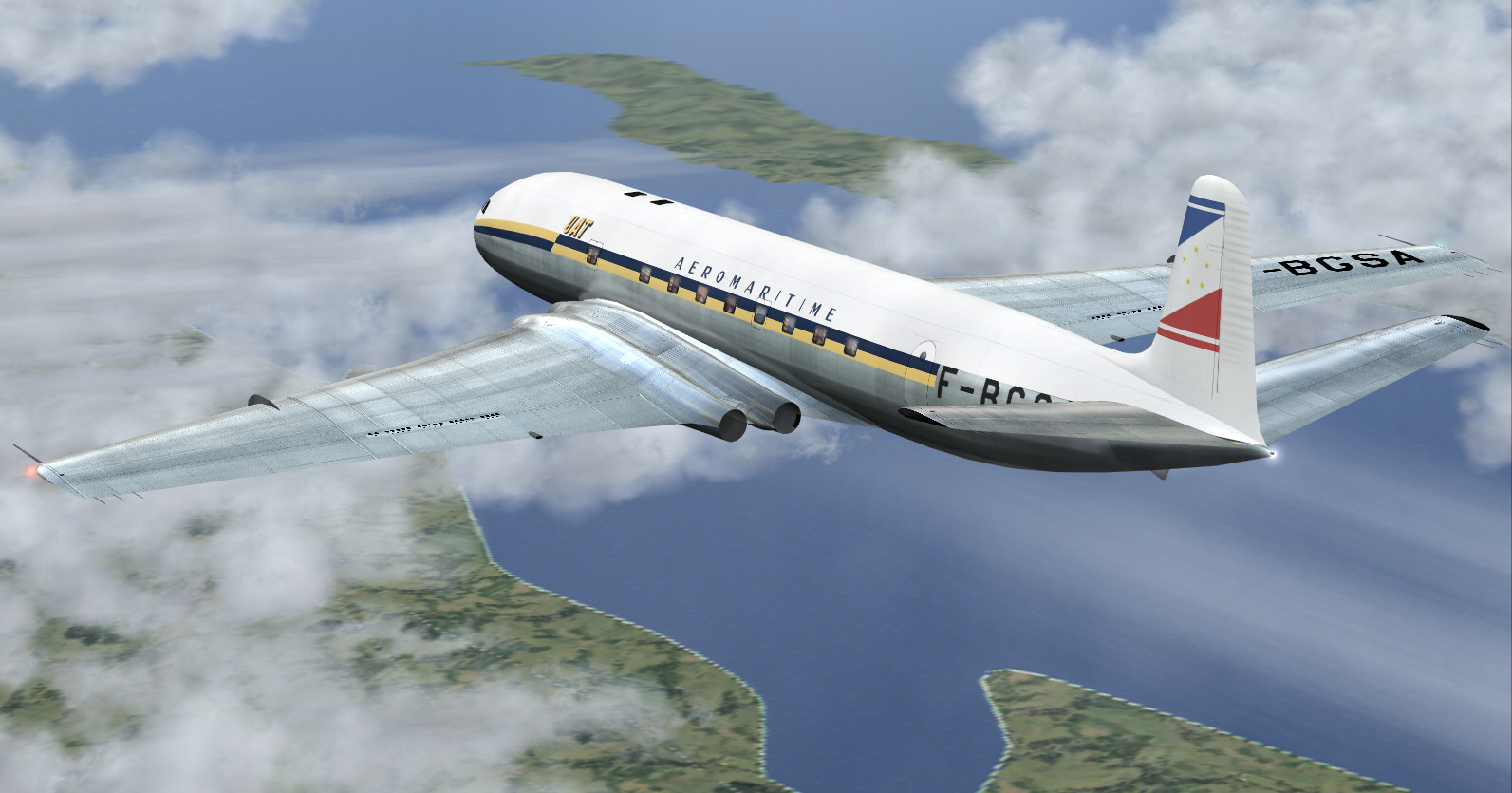
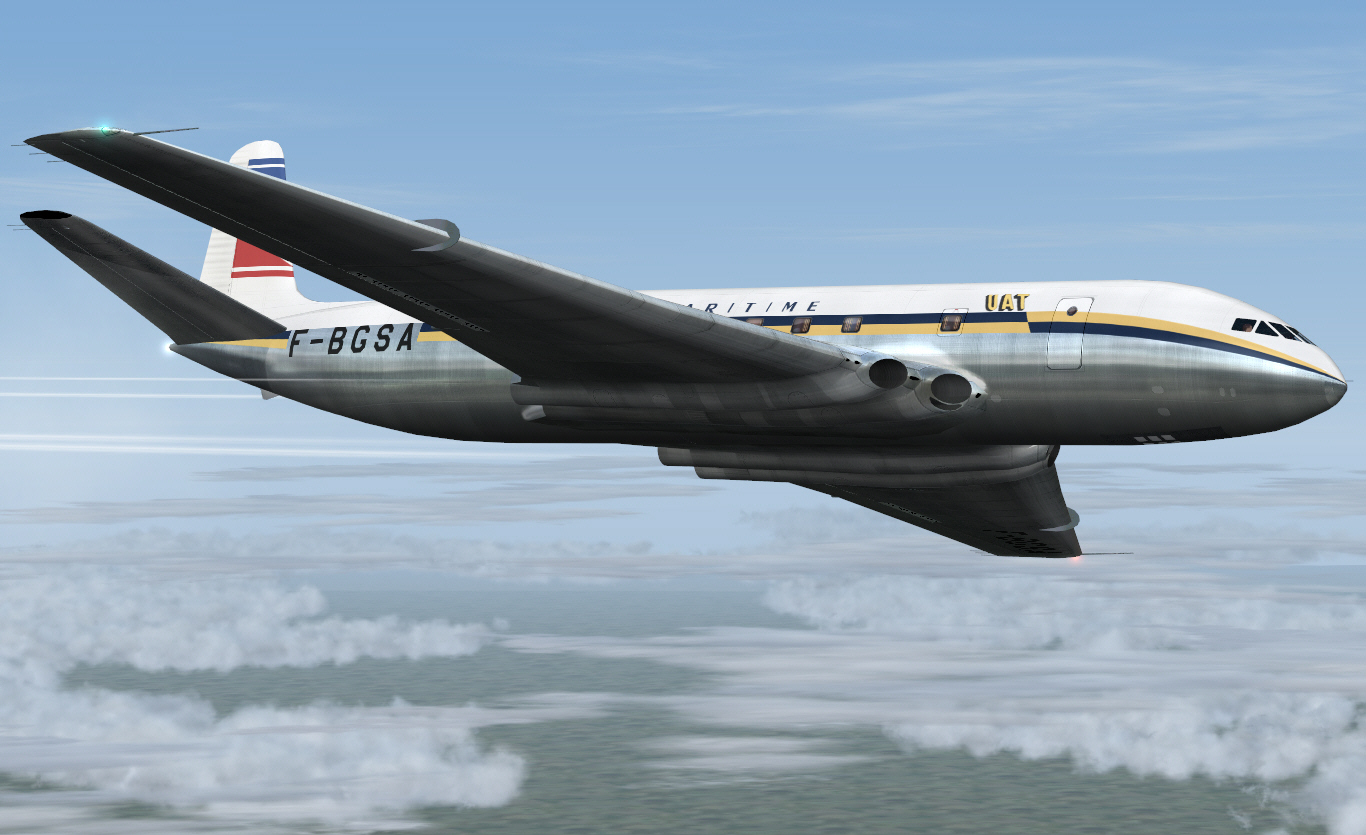
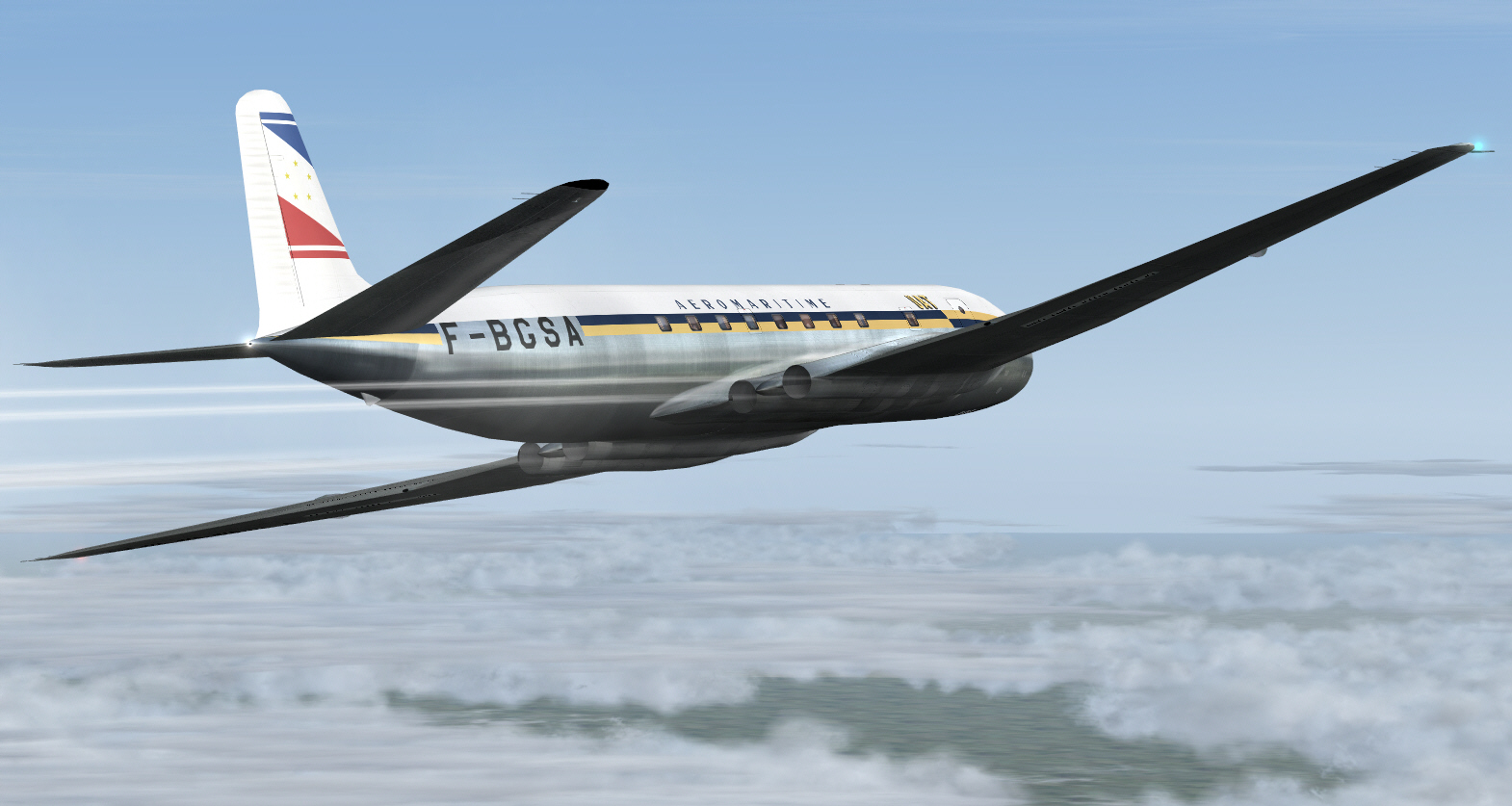
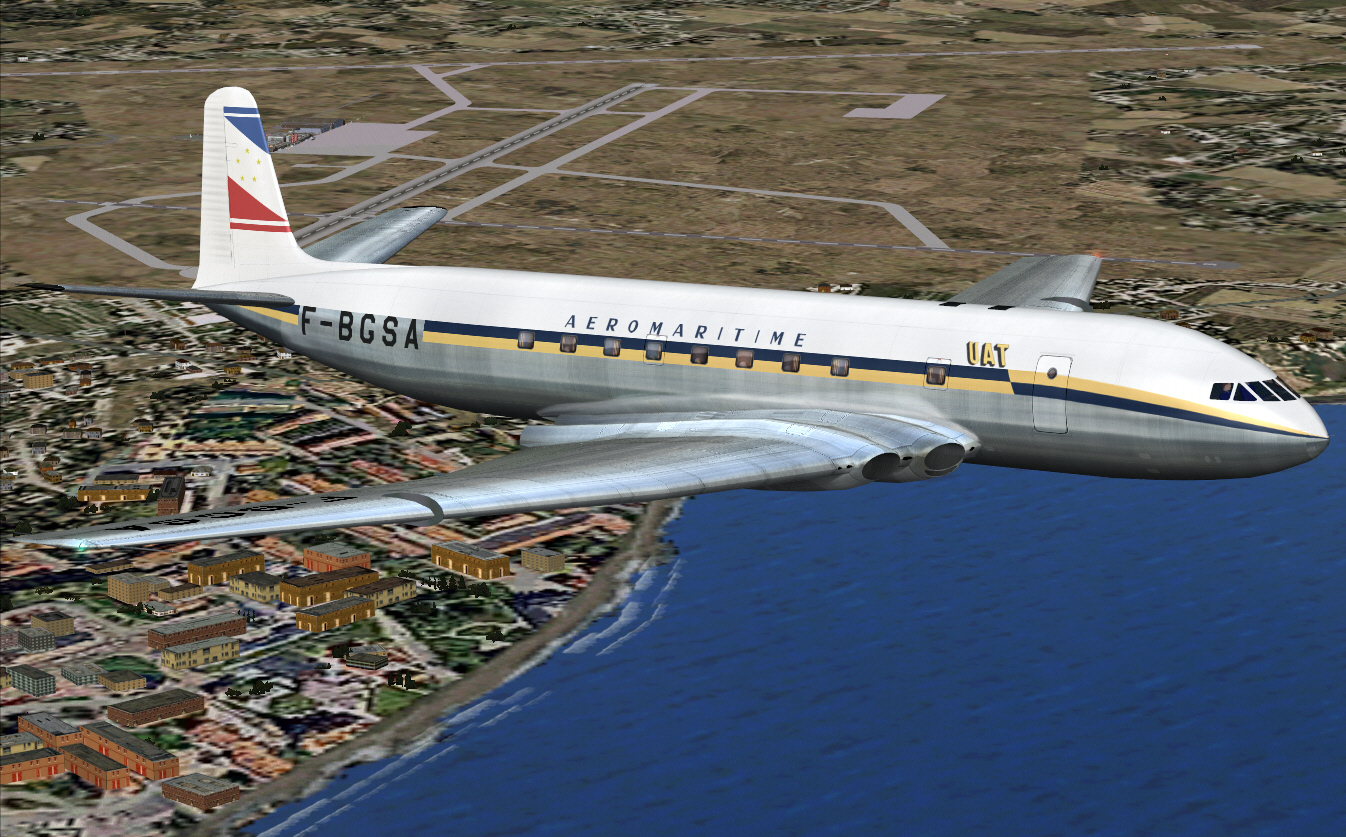
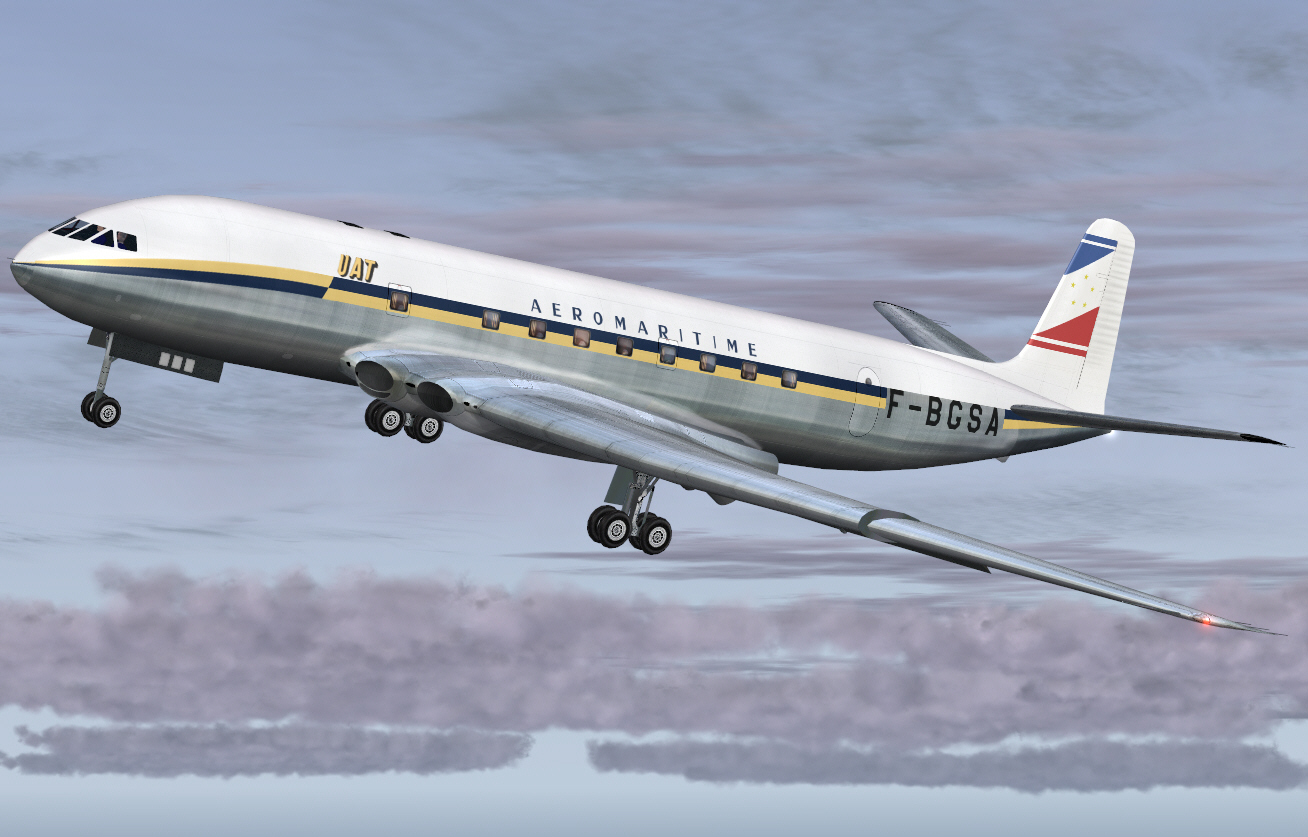
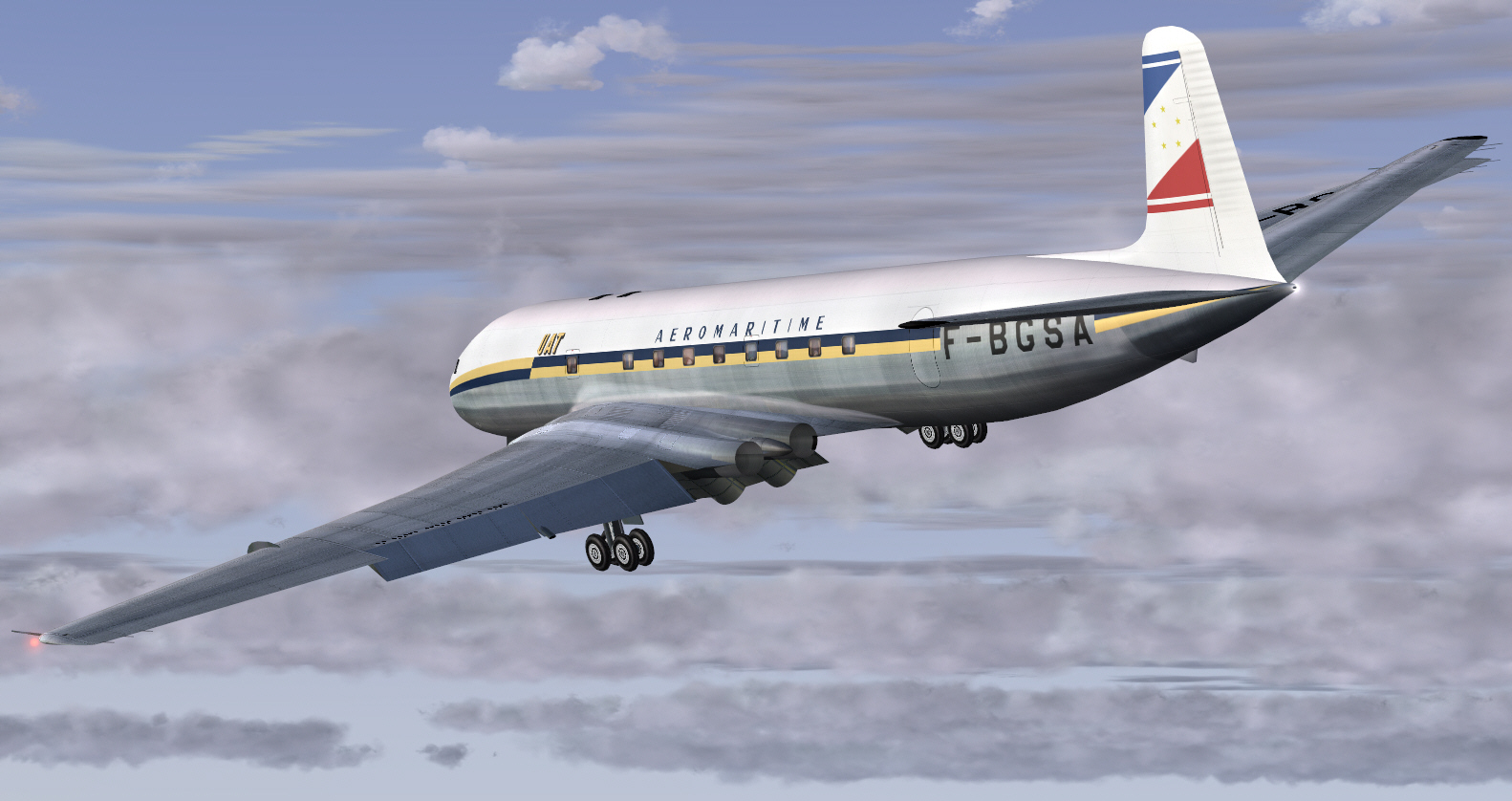
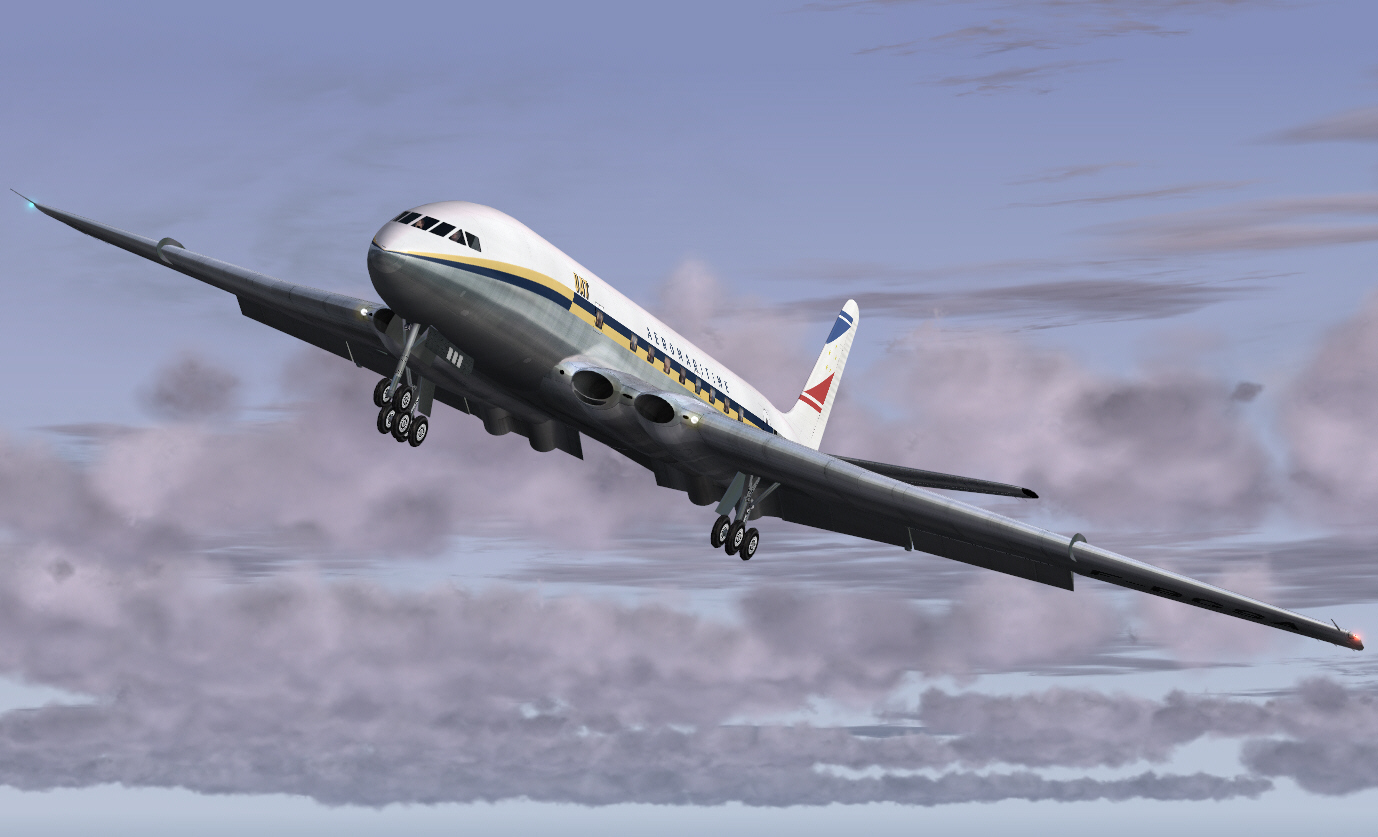
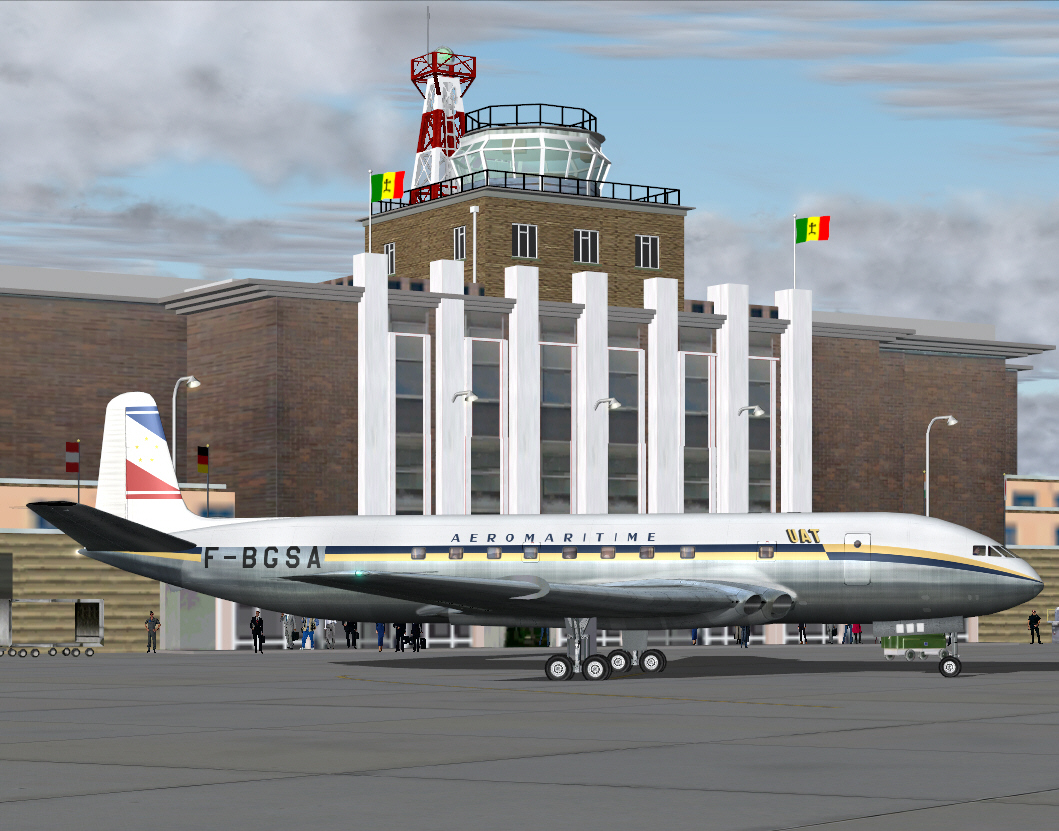
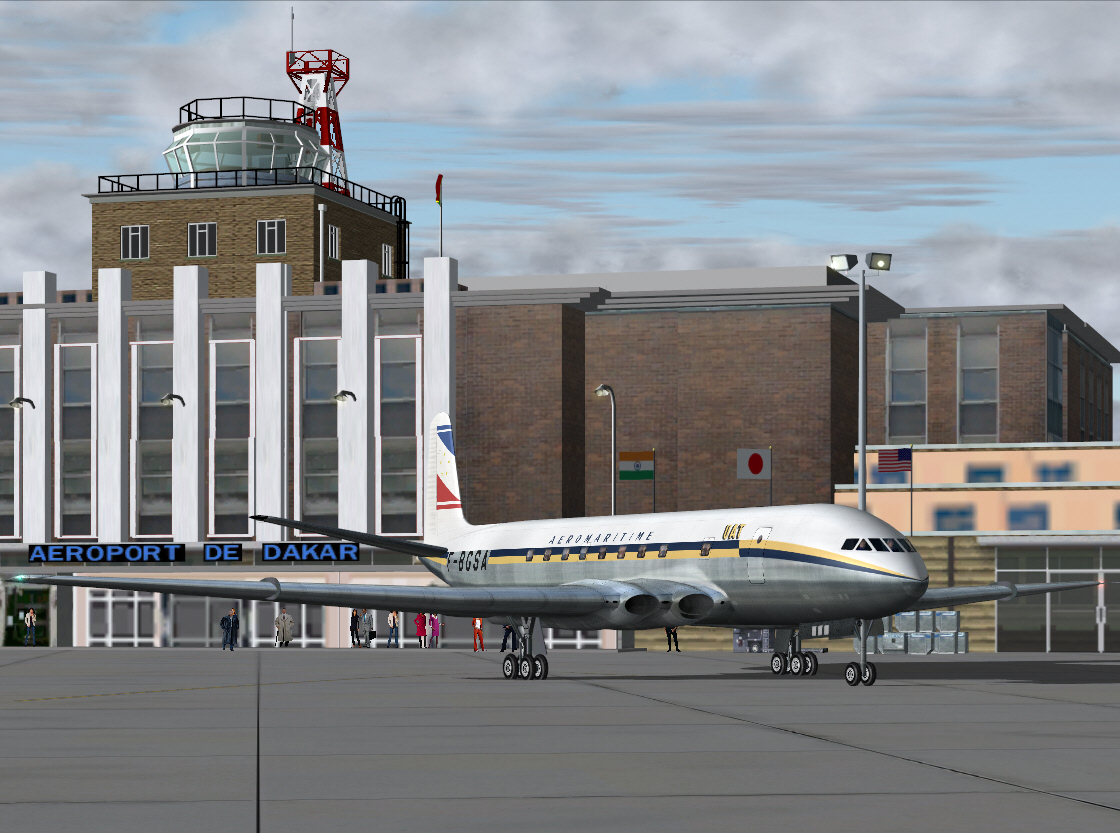
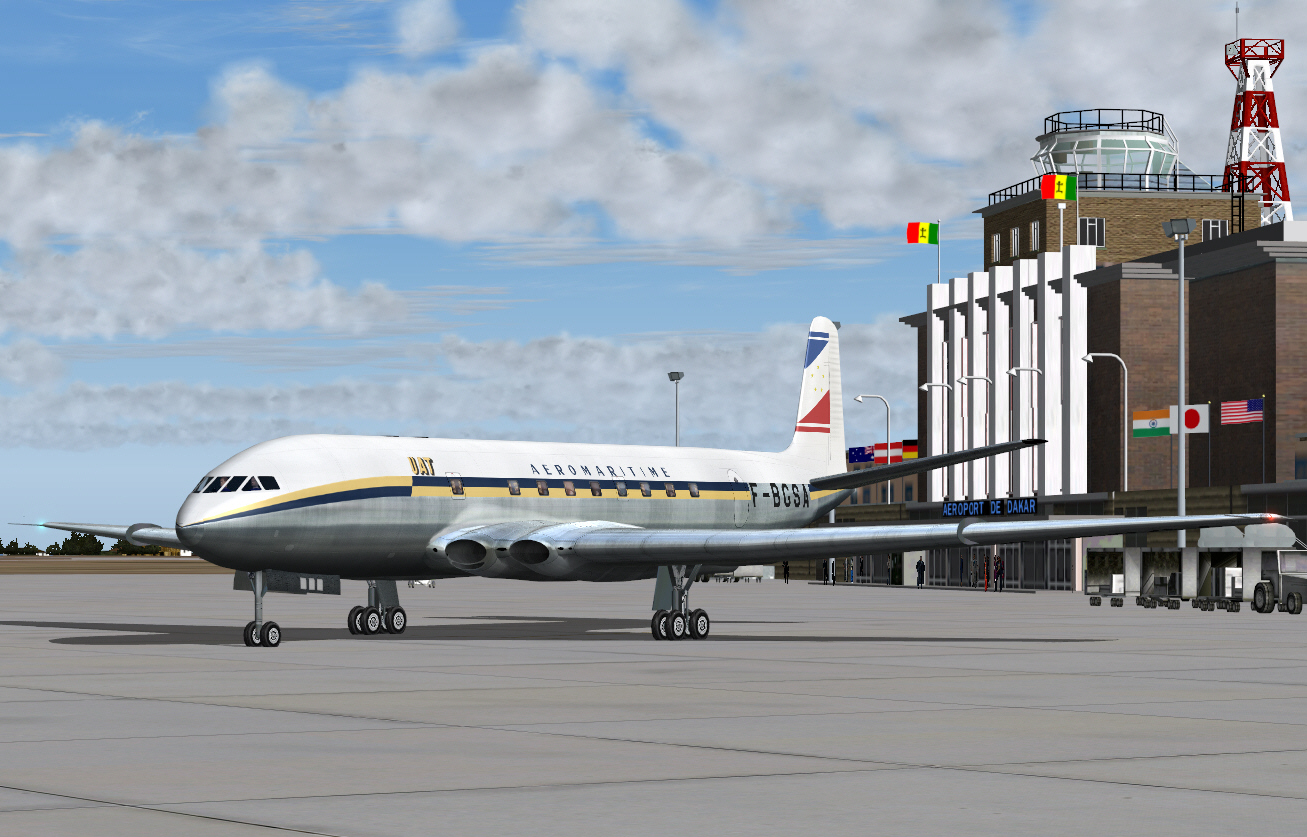
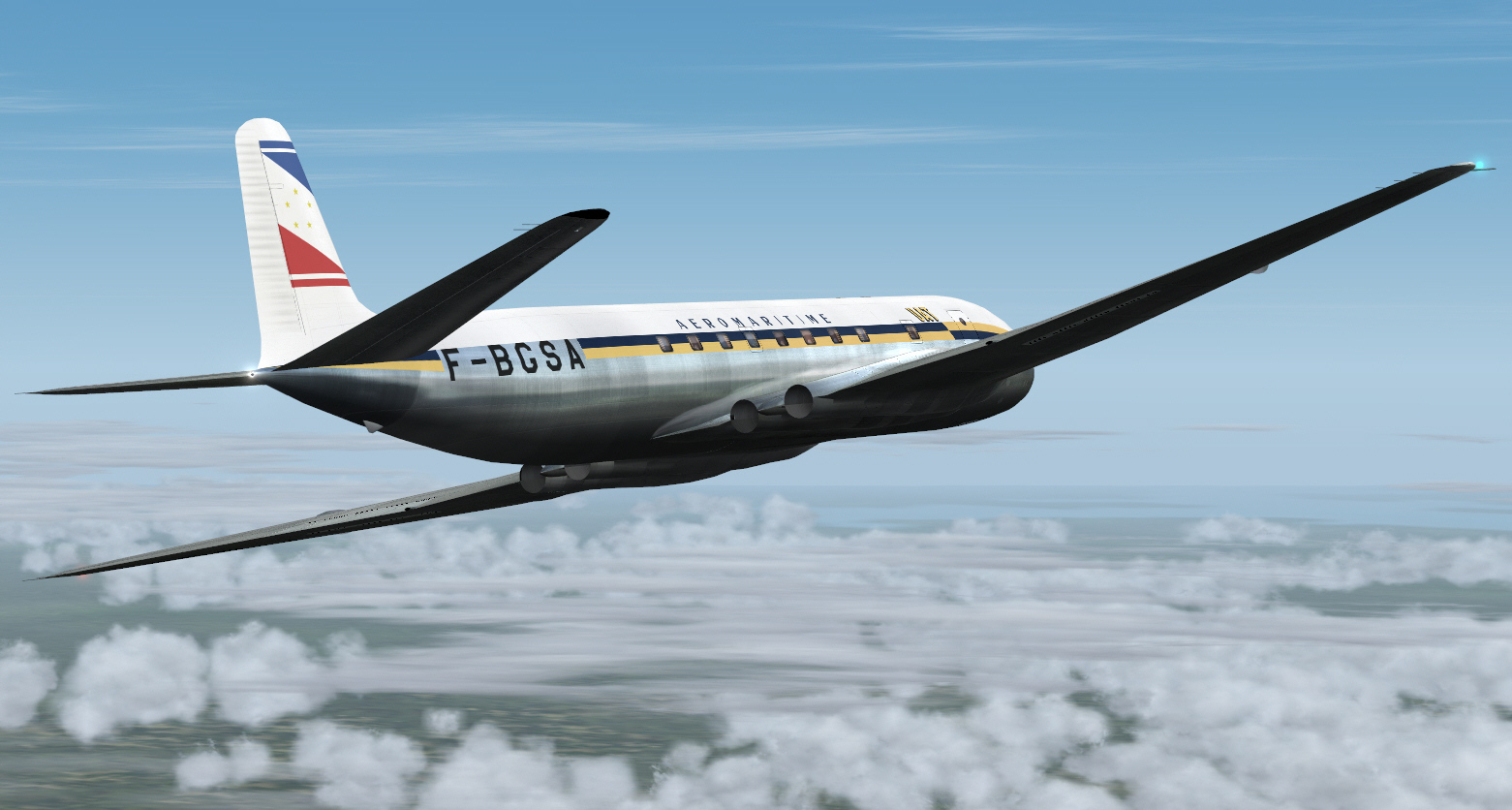
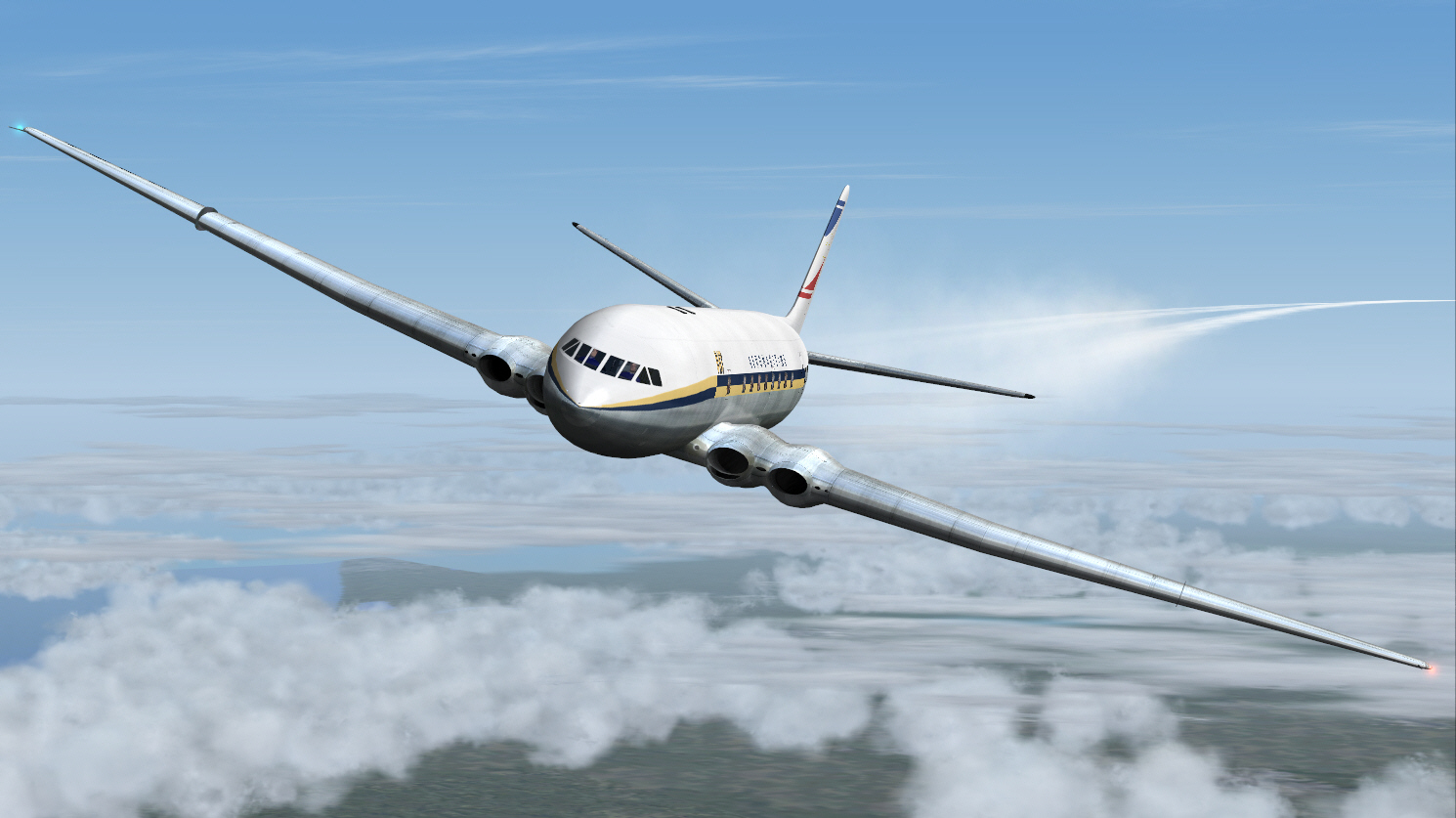
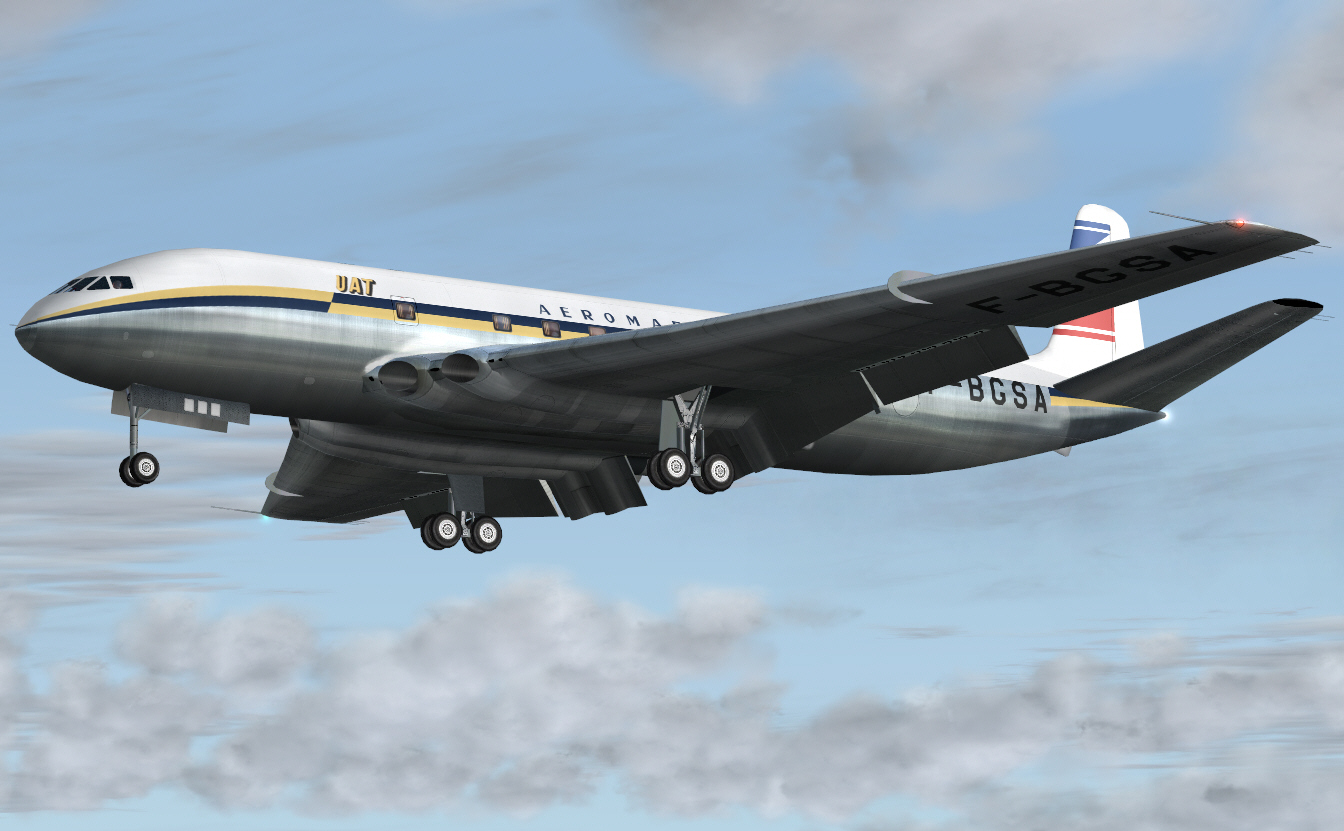
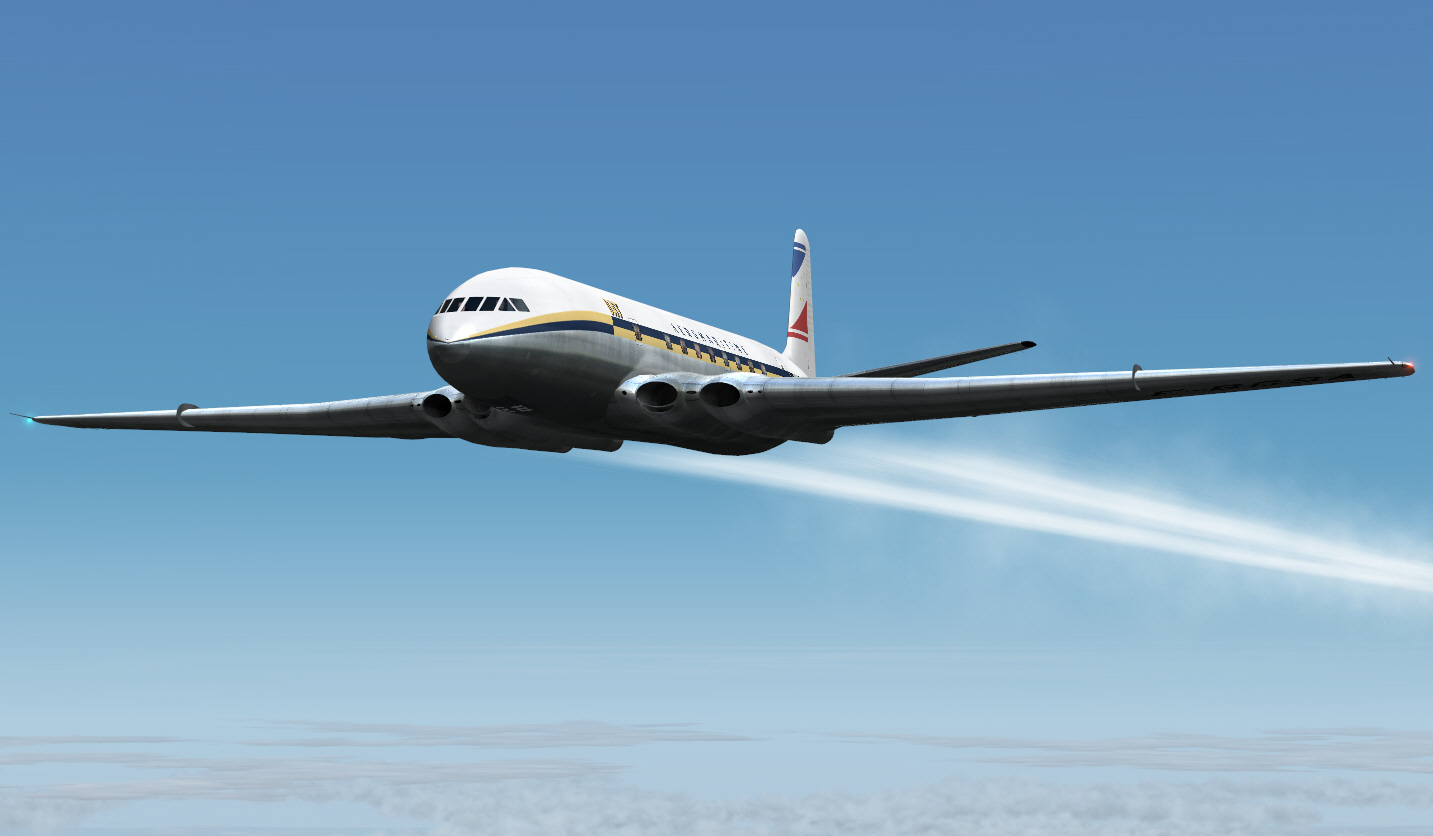
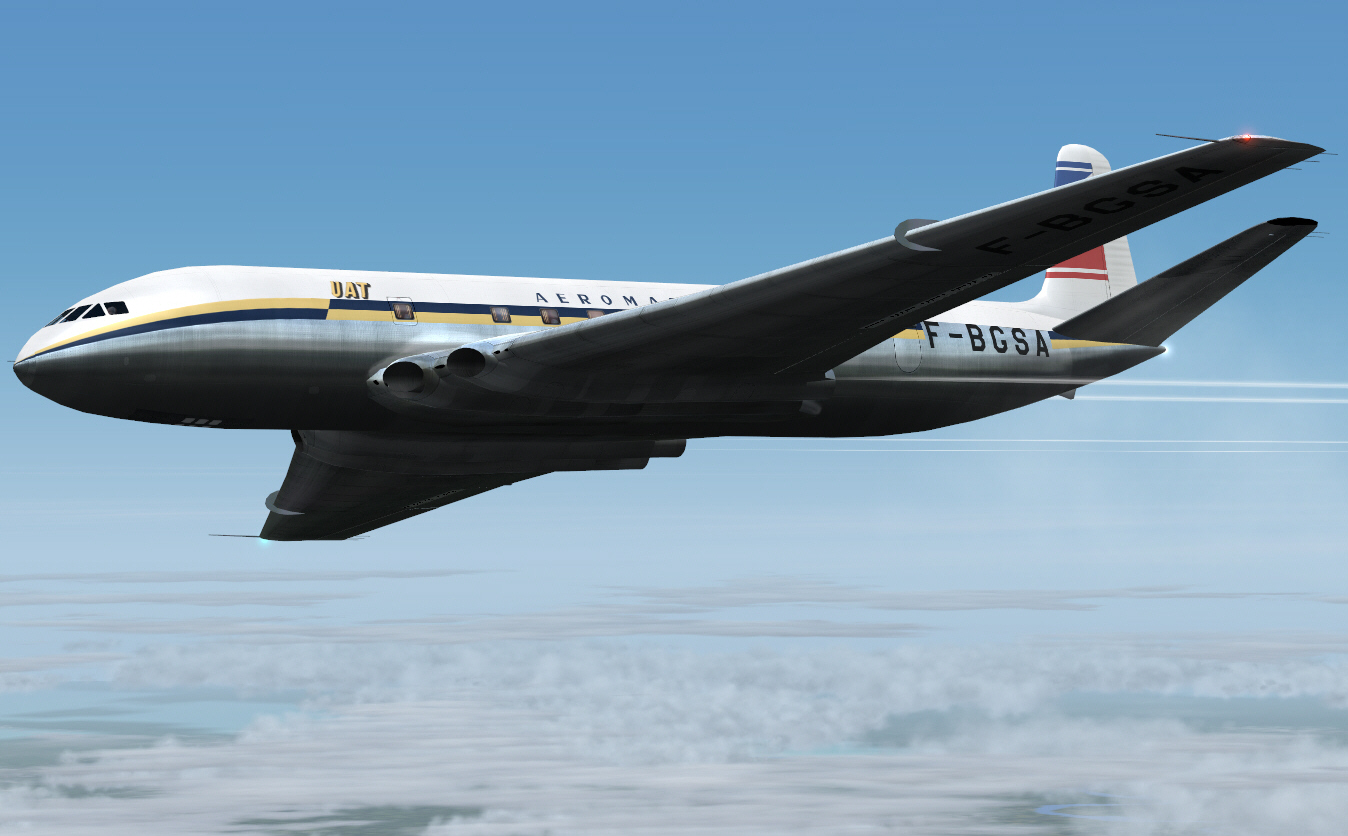
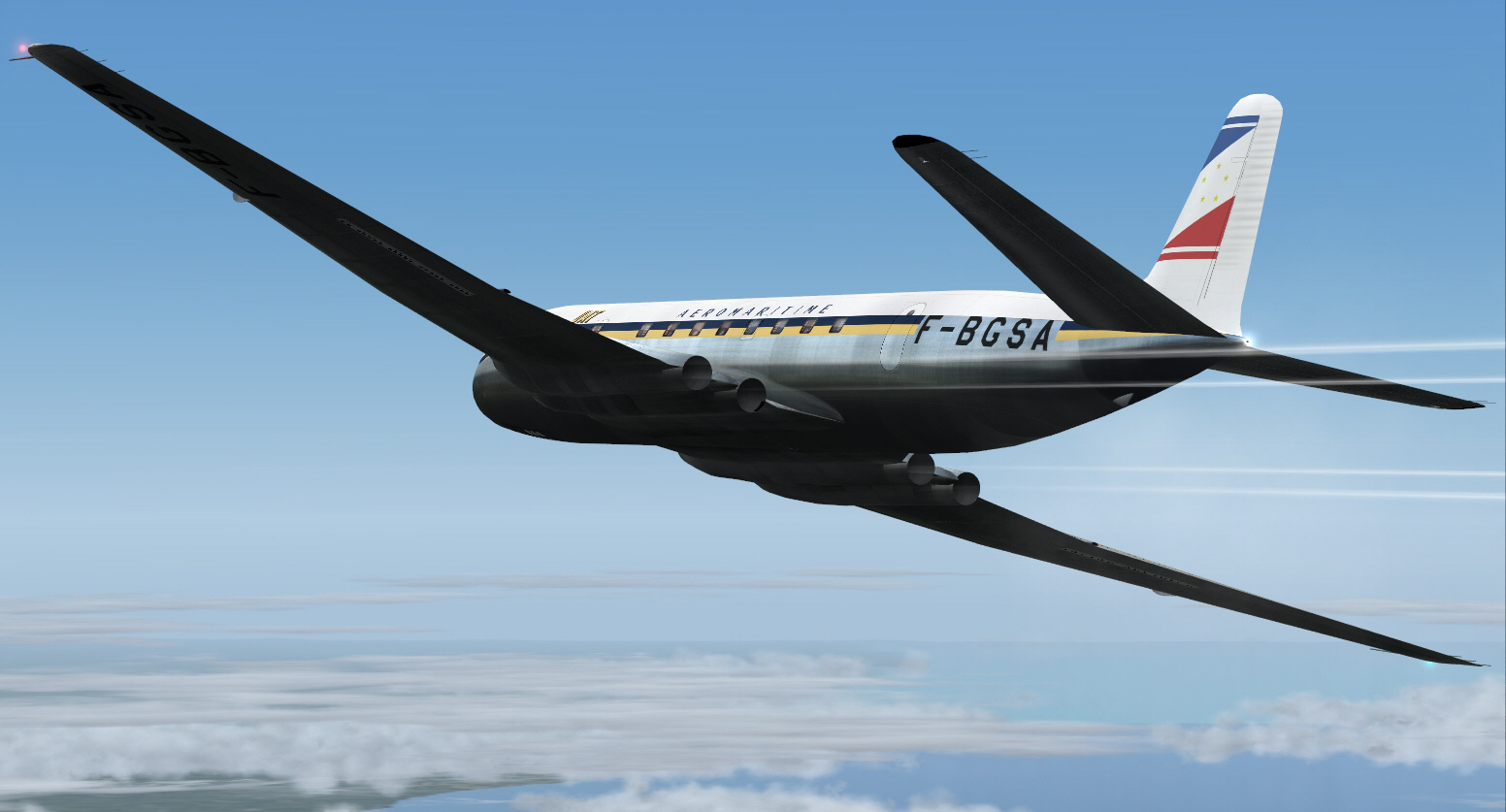
This time replicating a typical UNION AERO MARITIME DE TRANSPOPRT COMET IA service from Paris to former French colonial ports within North Africa. UAT was one of the fore-runners of what became UTA FRENCH AIRLINES .... following its 1963 merger with TRANSPORTES AERIENS INTERNCONTINENTAUX. Both UAT and AIR FRANCE each ordered 3 COMET IA aircraft. UAT took delivery of 3 aircraft (F-BGSA, F-BGSB, and F-BGSC) between DEC 1952 and APR 1953 .... several months ahead of AIR FRANCE. Both French airlines operated into North African ports, but, UAT's services appear to have extended much more deeply into the west side of this immense continent. One of these services typically operated Paris/Nice/Casablanca, Dakar/Abidjan .... whilst the other route operated Paris/Nice/Algiers/Kano/Douala/Brazzaville .... along with other services to Algiers and Tripoli from both Paris, Marseille, and Bordeaux too.

I wanted to use exclusively 1950's/early 1960's airport sceneries for these destinations (not the FS supplied "default crap"), but unfortunately, retro sceneries .... which really add a lot to the ambiance of these sorts of exercises .... don't seem to exist .... to the extent that such period sceneries for Algiers and Douala don't appear to (yet) be available. Whilst these destinations most certainly "DO" exist "in FS", the default nature/simplicity of their composition isn't the least bit encouraging of my wanting to use these, so, I was forced to "modify my intended North African routes" .... dropping both Kanno and Douala .... and flying Dakar/Abidjan/Brazzaville instead.

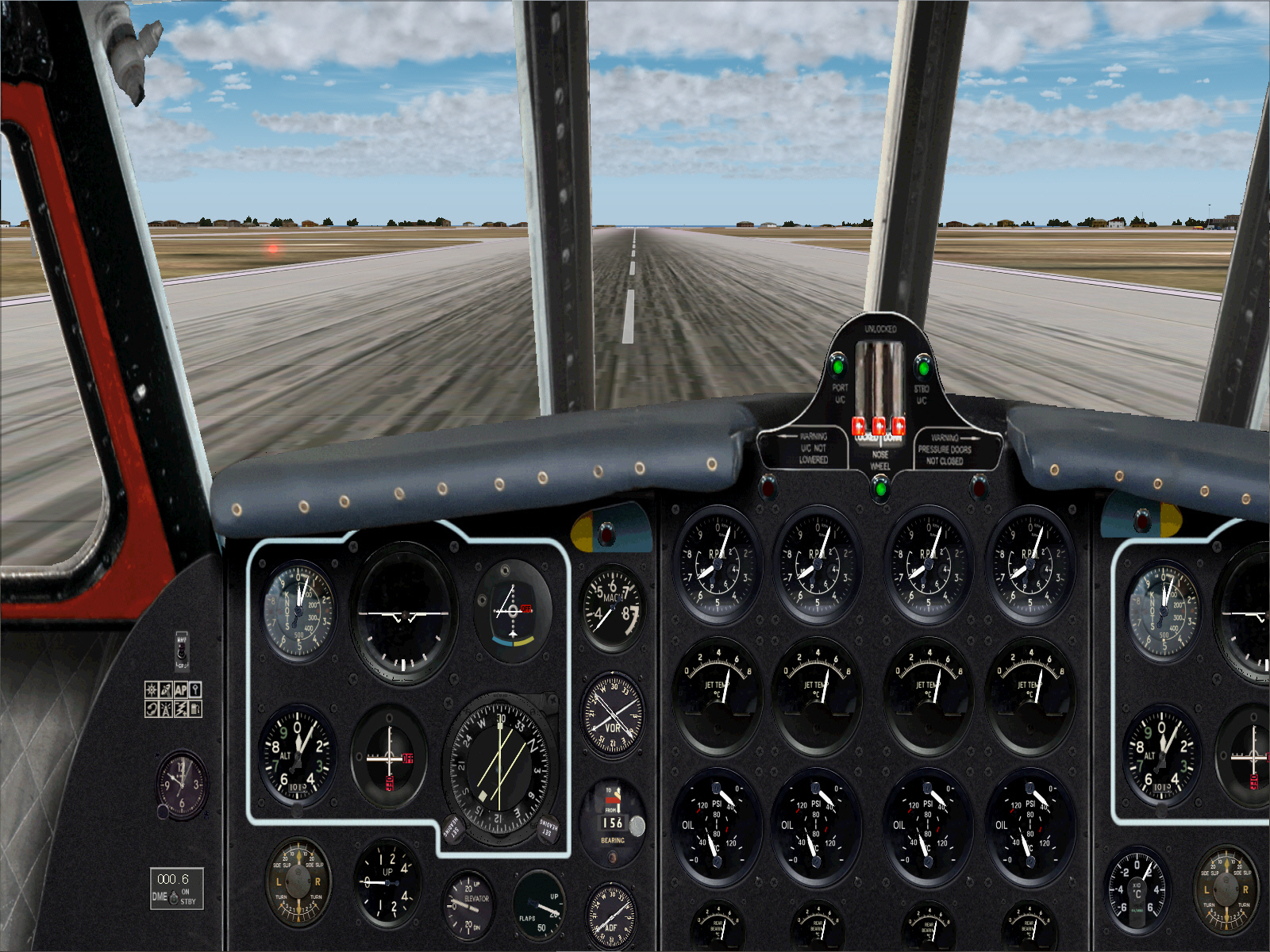
Once again this exercise is intended to be navigated VOR/VOR as much as is possible. As related with my previous and similar AIR FRANCE COMET IA classic route re-enactment, the FS GPS "WILL NOT" be used .... again I don't like it .... and I much prefer the challenge of working it all out myself along with that resulting sense of satisfaction through having done so (hopefully) successfully.

The first sector, on this 4 sector routing to Kano (via Nice, Casablanca, and Dakar) is flight planned to operate from Paris/Le Bourget (this time) to NICE direct (once again) .... via TOSSOUS, MOULINS, and PASSIERY VOR's .... to intercept the ST.PREX VOR in order to track down to NICE. A total distance of some 432 miles (slightly longer than the earlier Paris/Orly Nice route due to Le Bourget being located some distance to the north of Orly), with a full payload, cruising at FL310 and at MACH 0.73. Fuel required for this first sector was calculated, by me, to be 12,000 lbs (including reserves). GW for this sector will be 80,368 lbs .... some 34.642 lbs below the COMET IA's 115,000 lb MGW.


Image


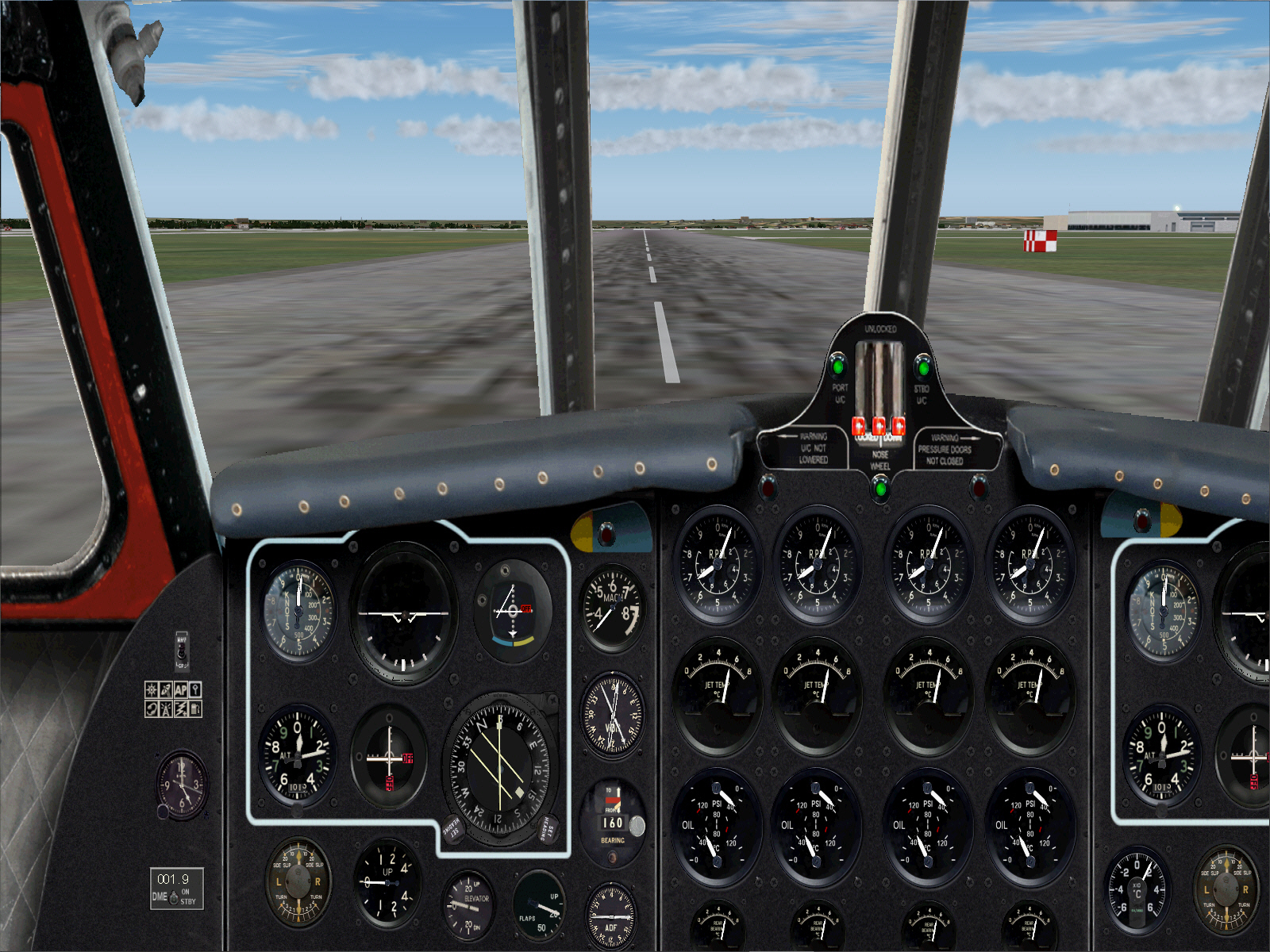
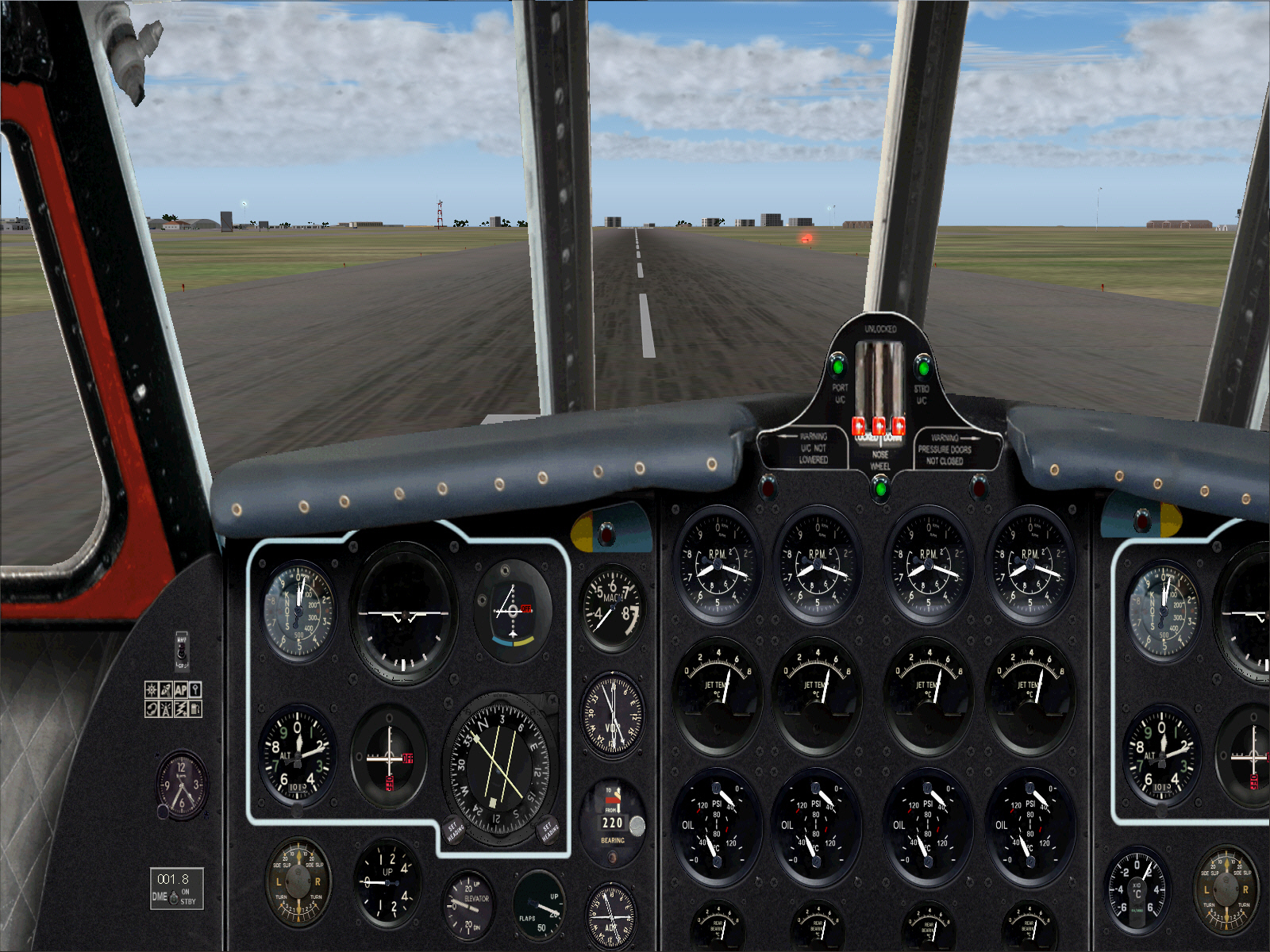
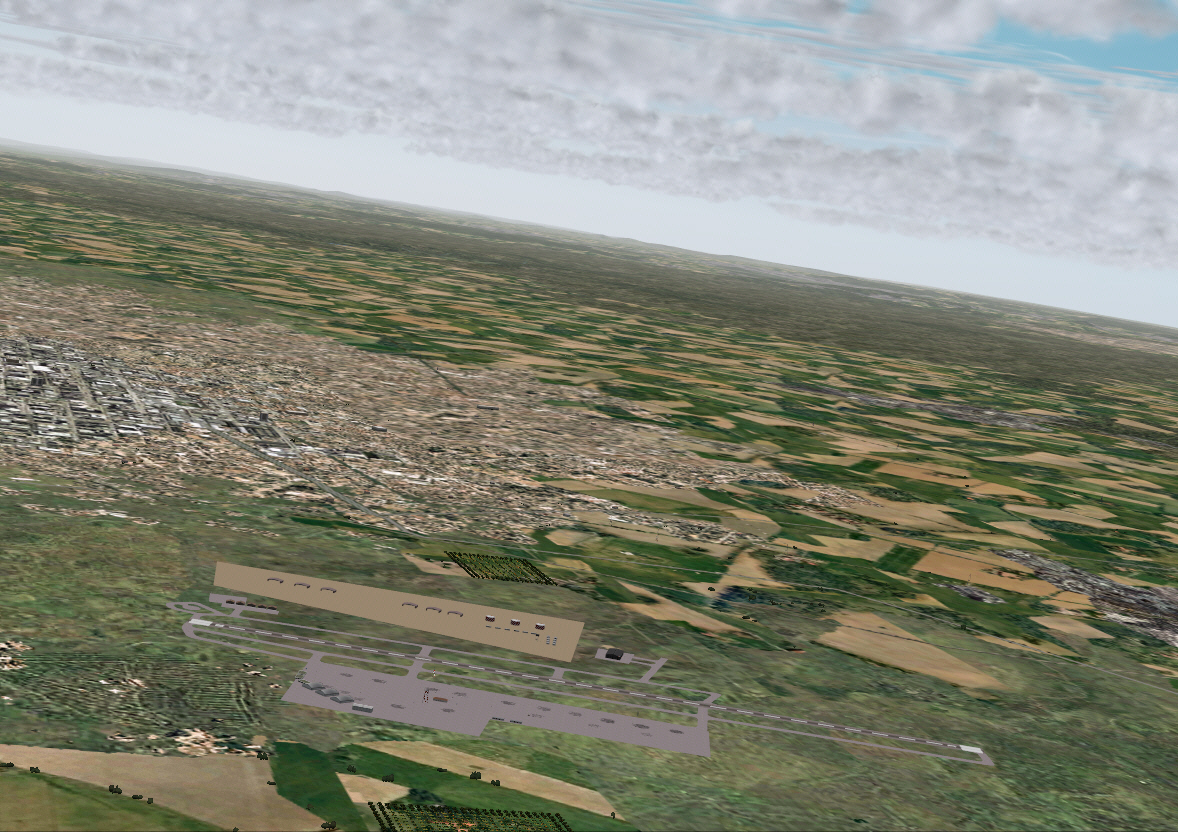
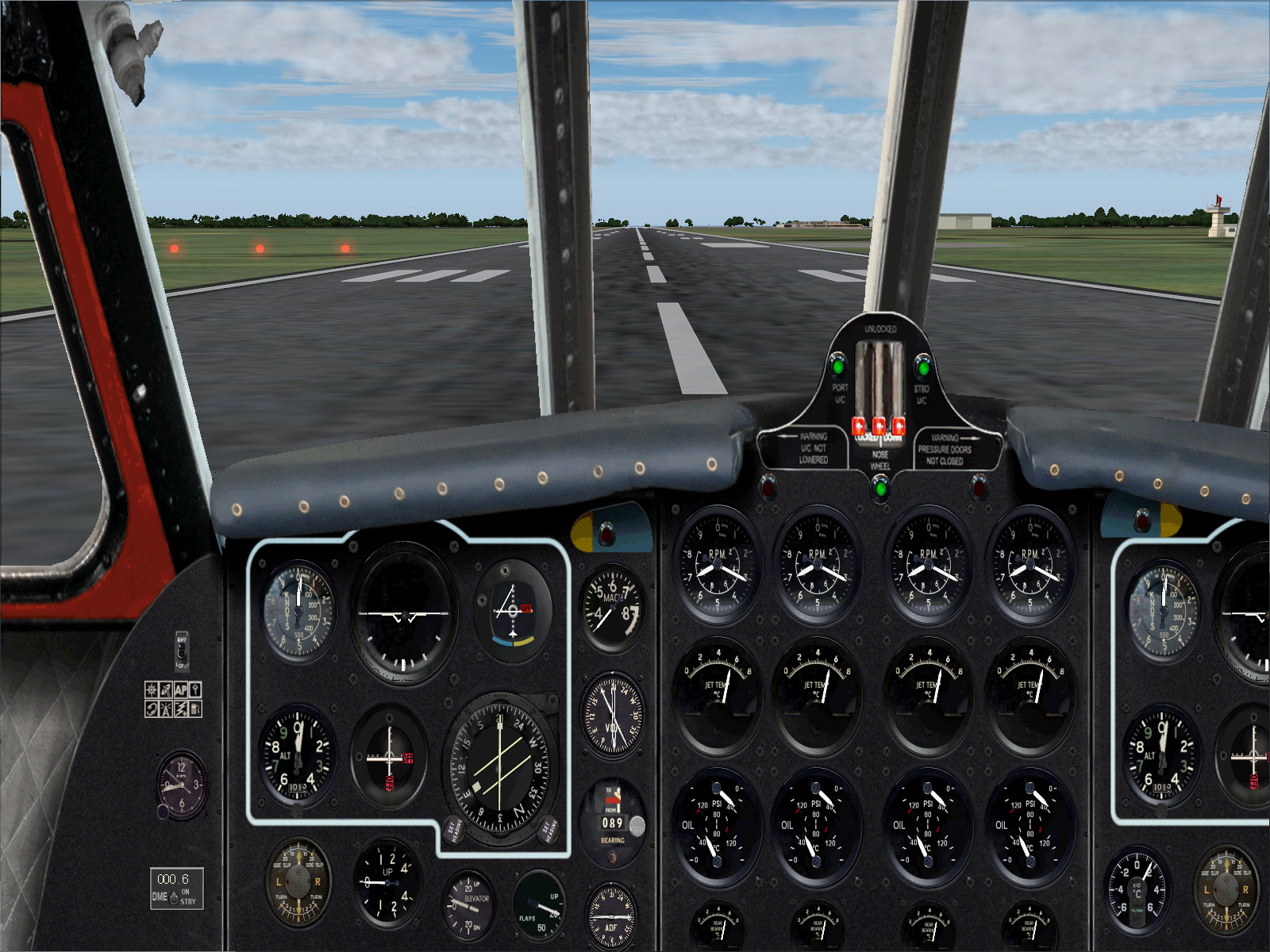
About to depart Le Bourget's RWY 03 ....
Image

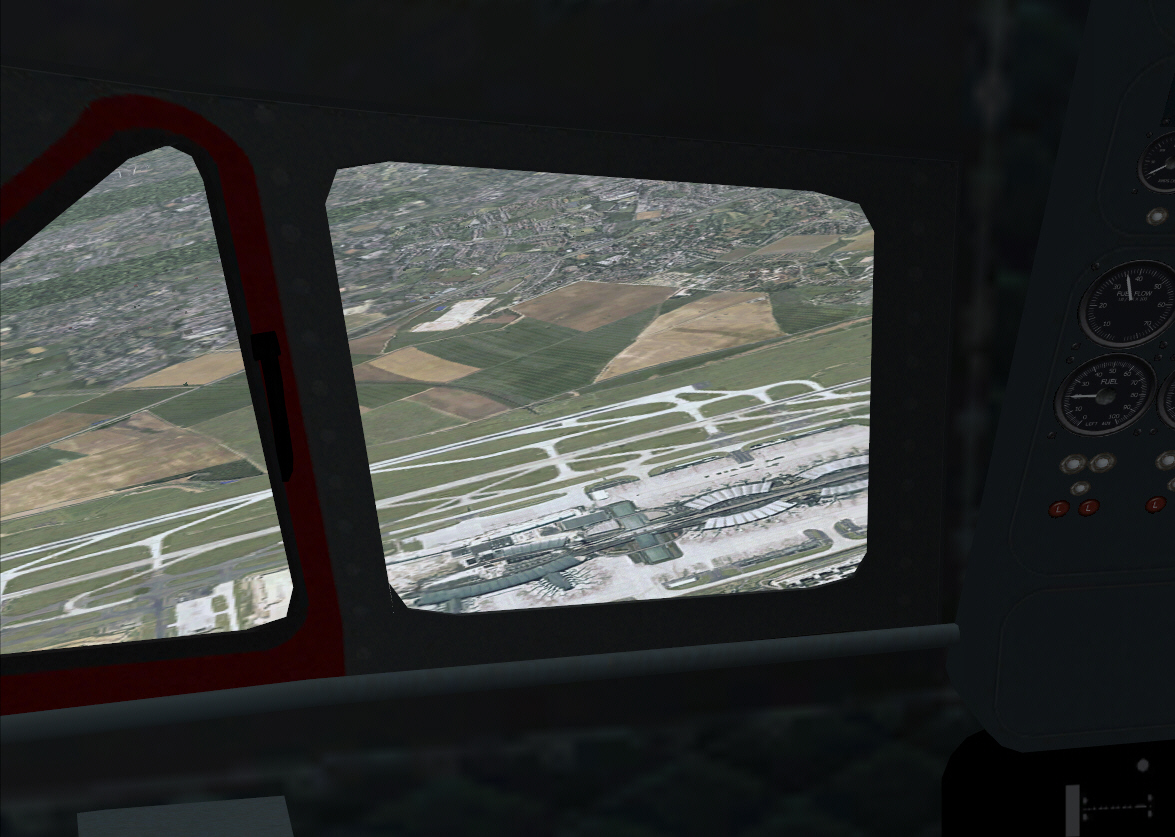
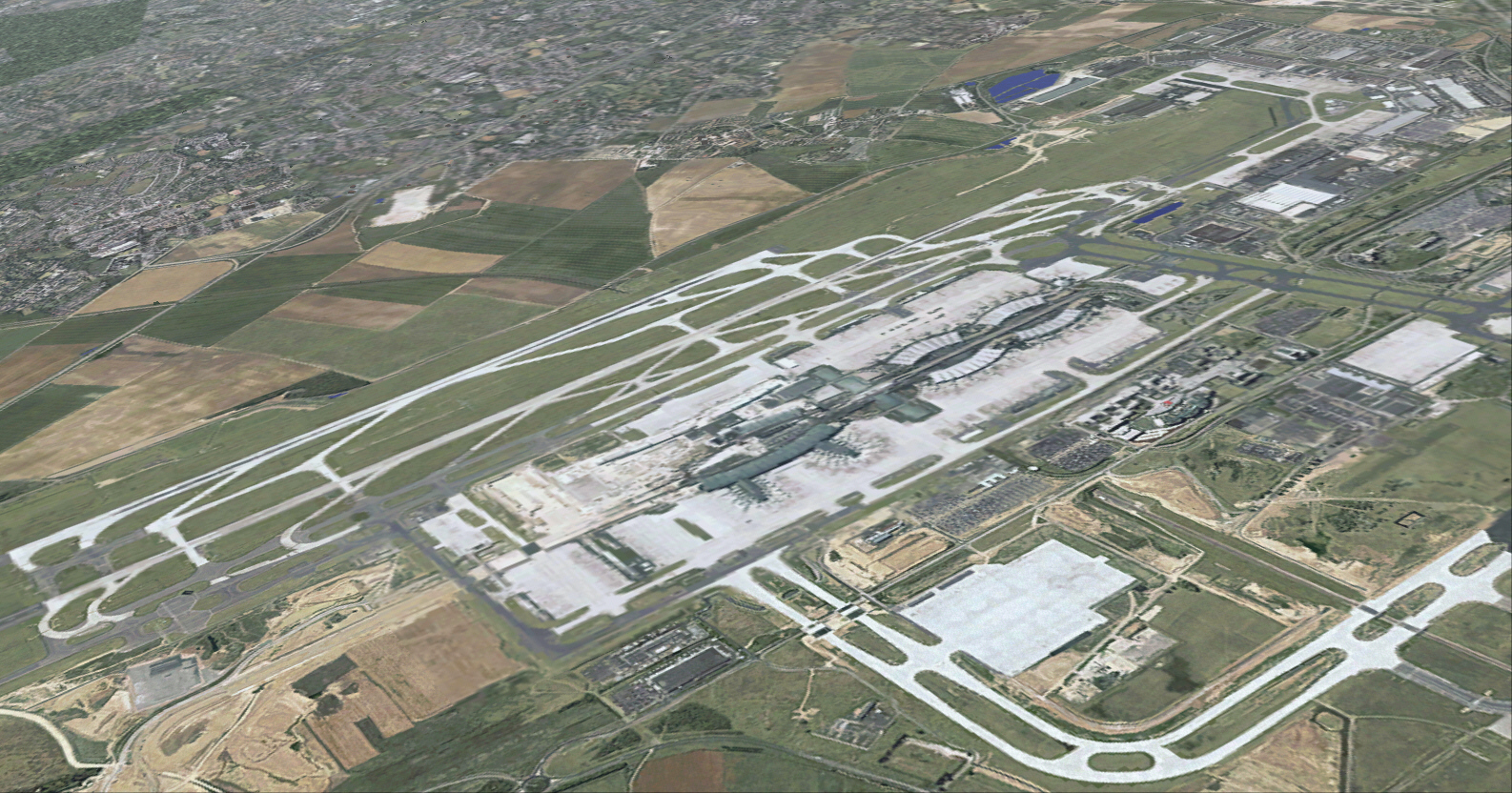
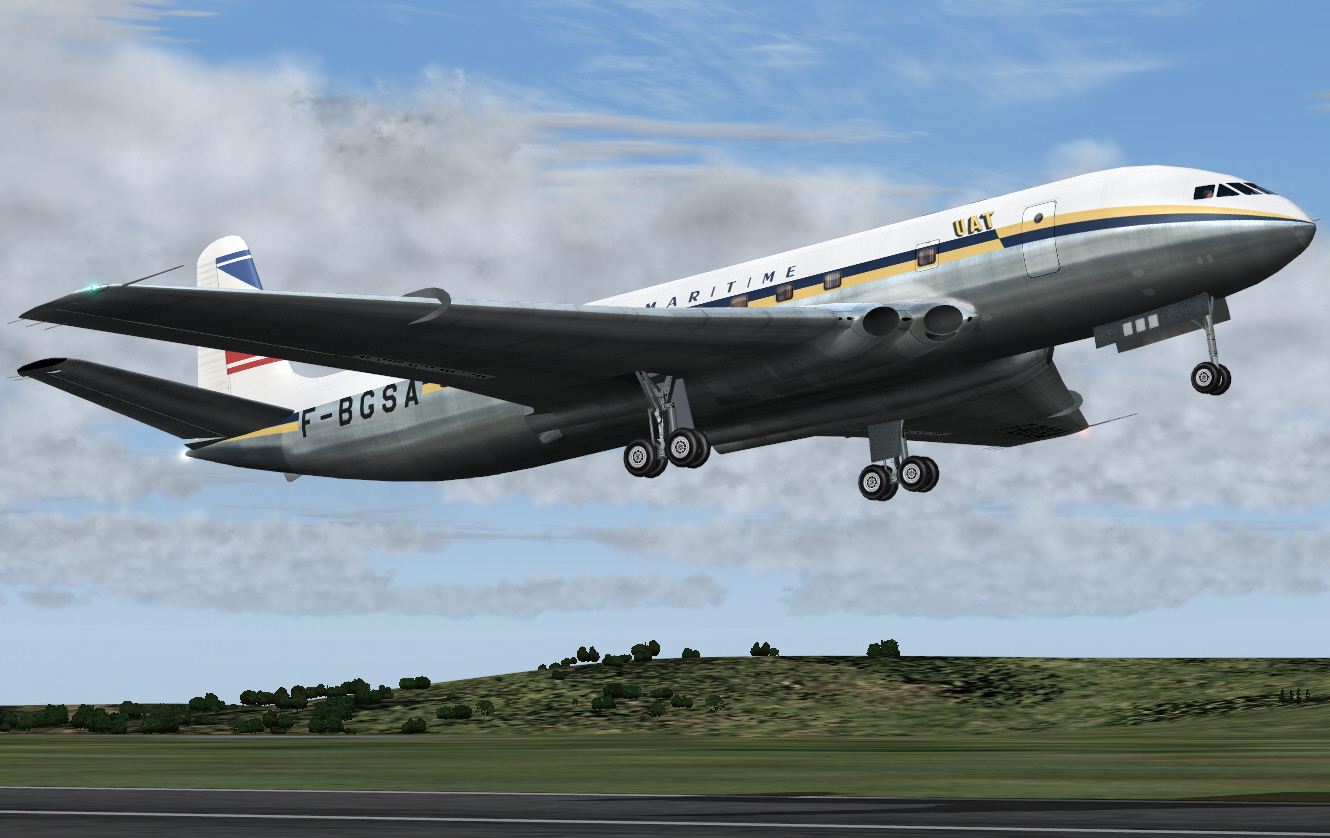
Into the early 1950's virtual afternoon Parisian sky with all the usual COMET grace .... and "MAX POWER" induced racket/"NOISE" .....
Image


Image

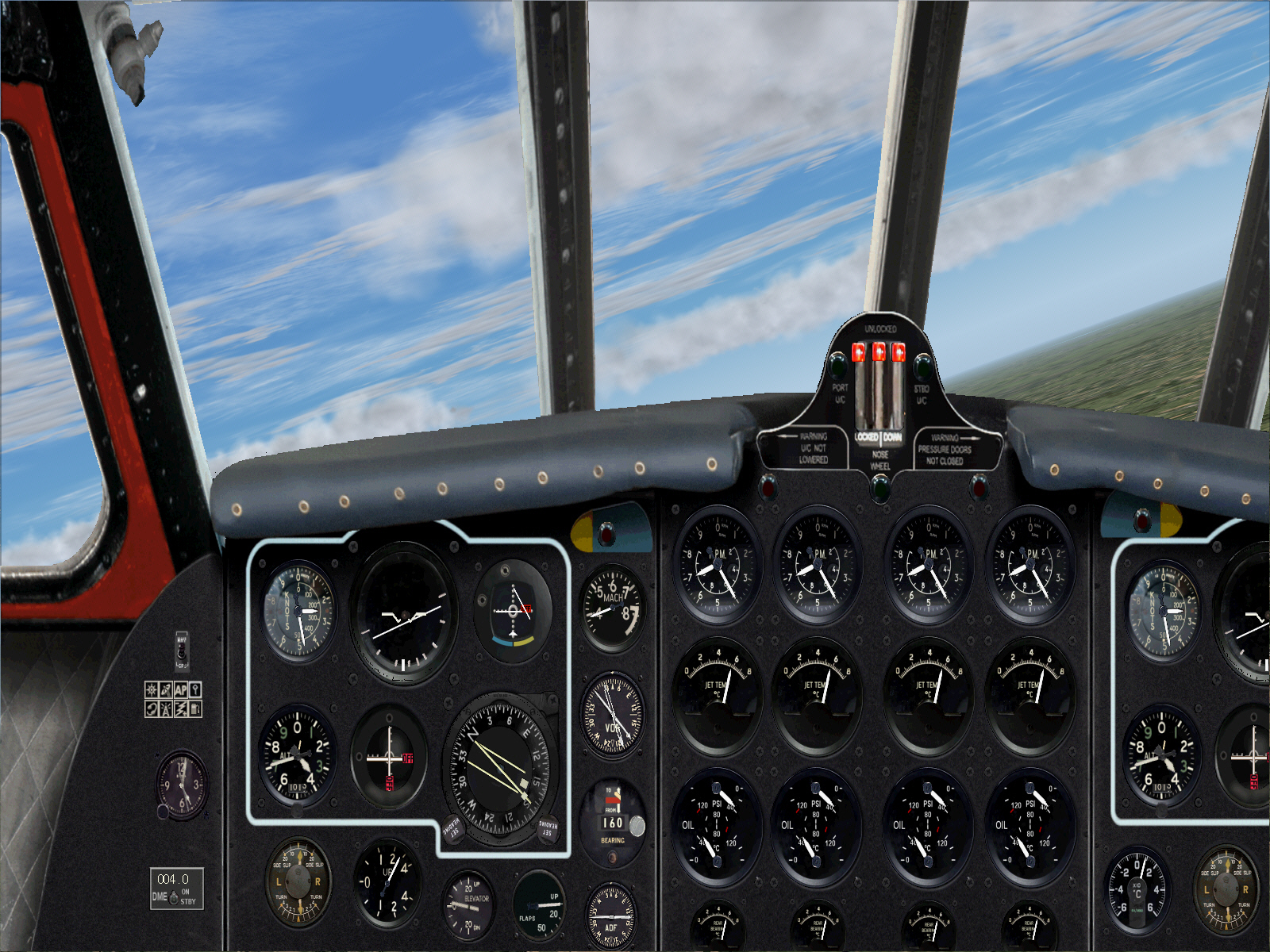
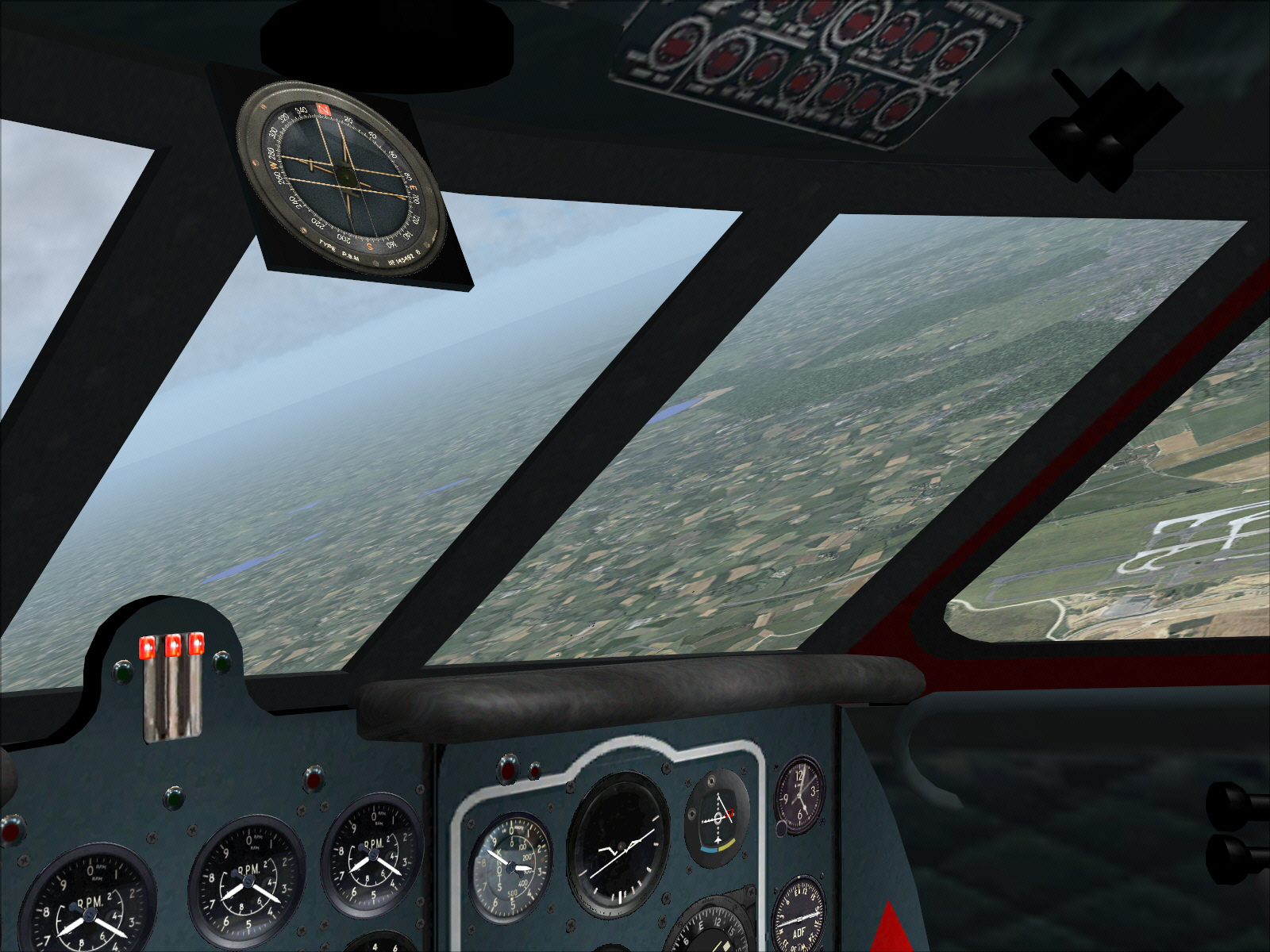
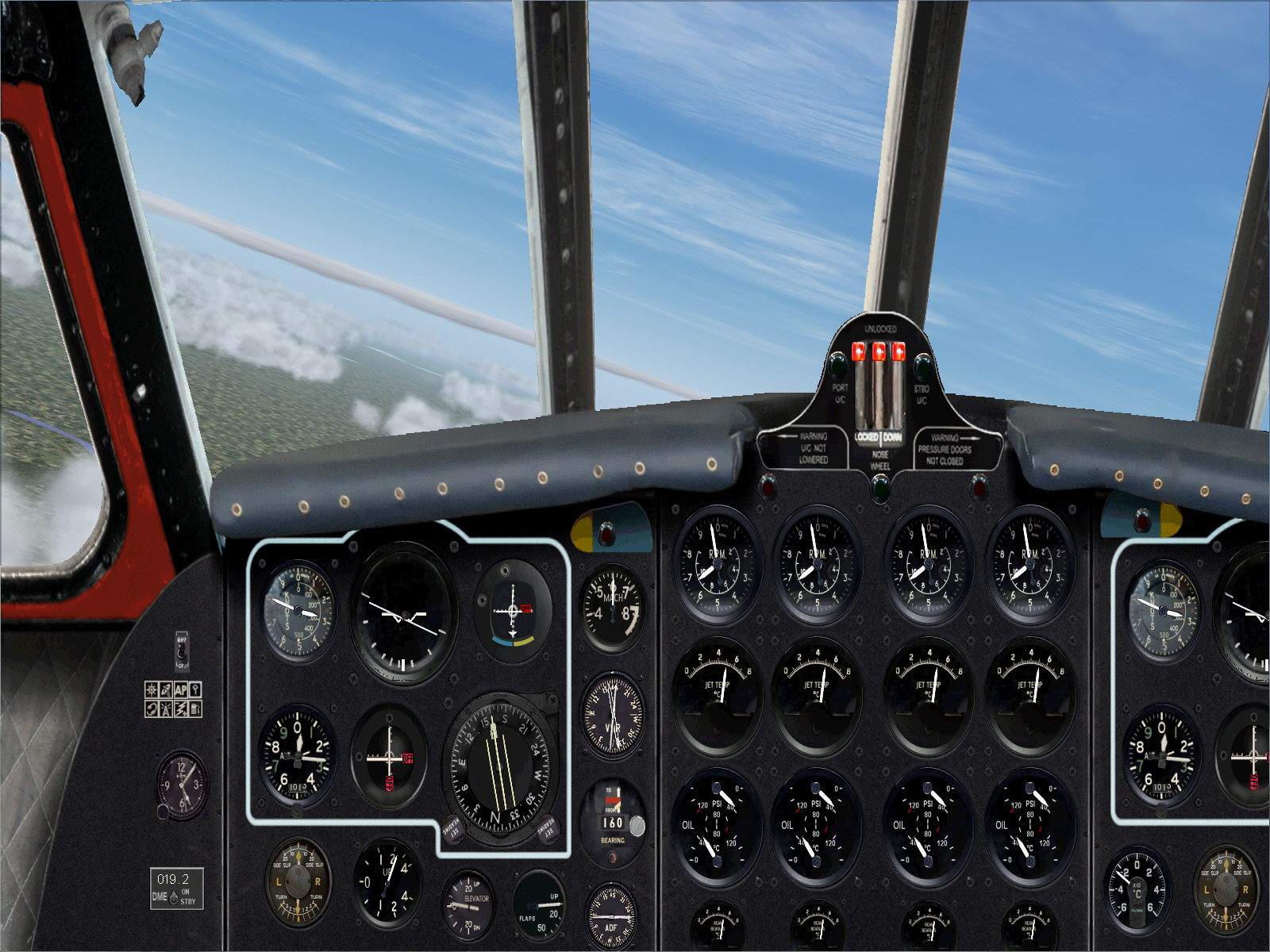
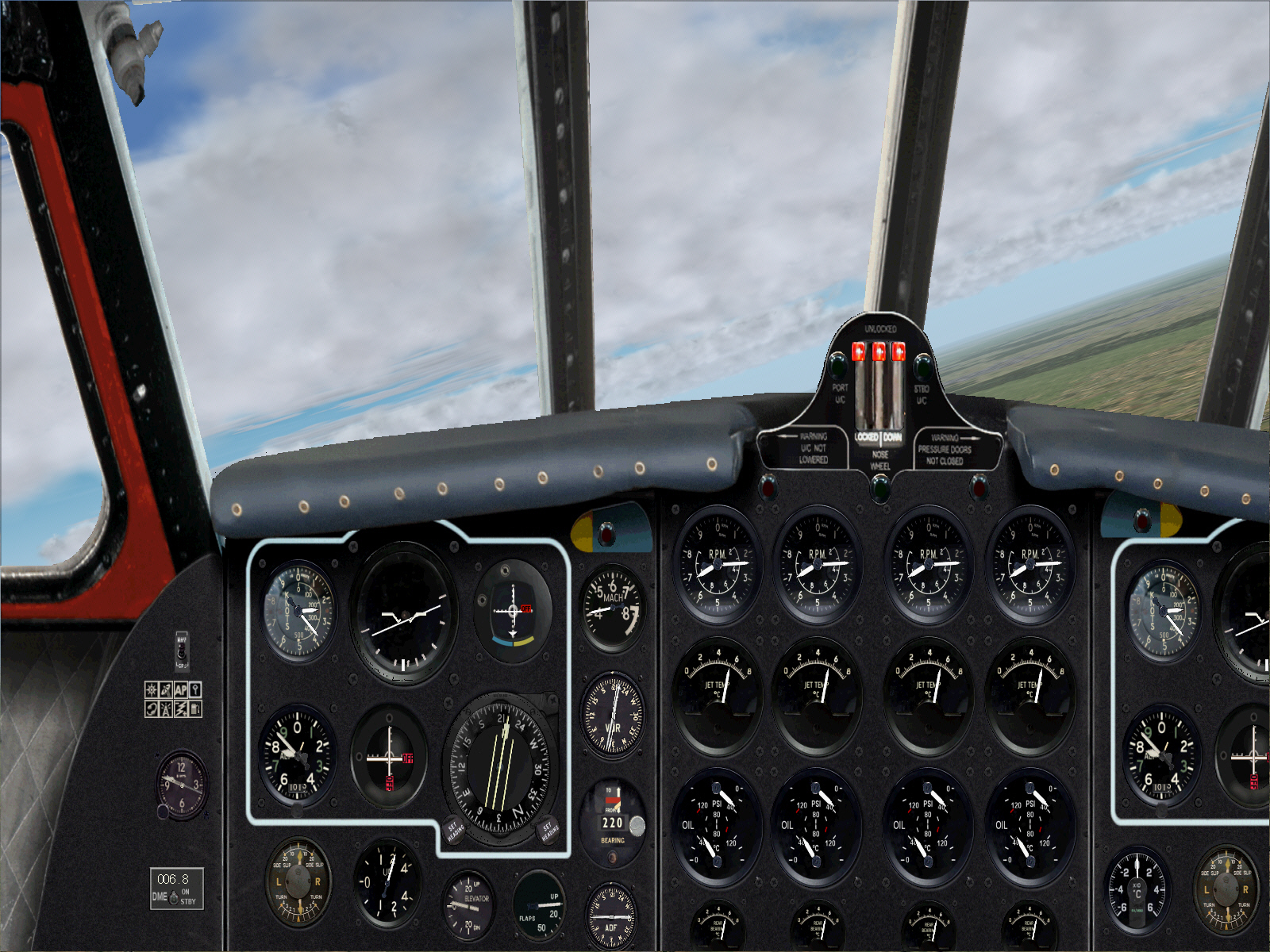
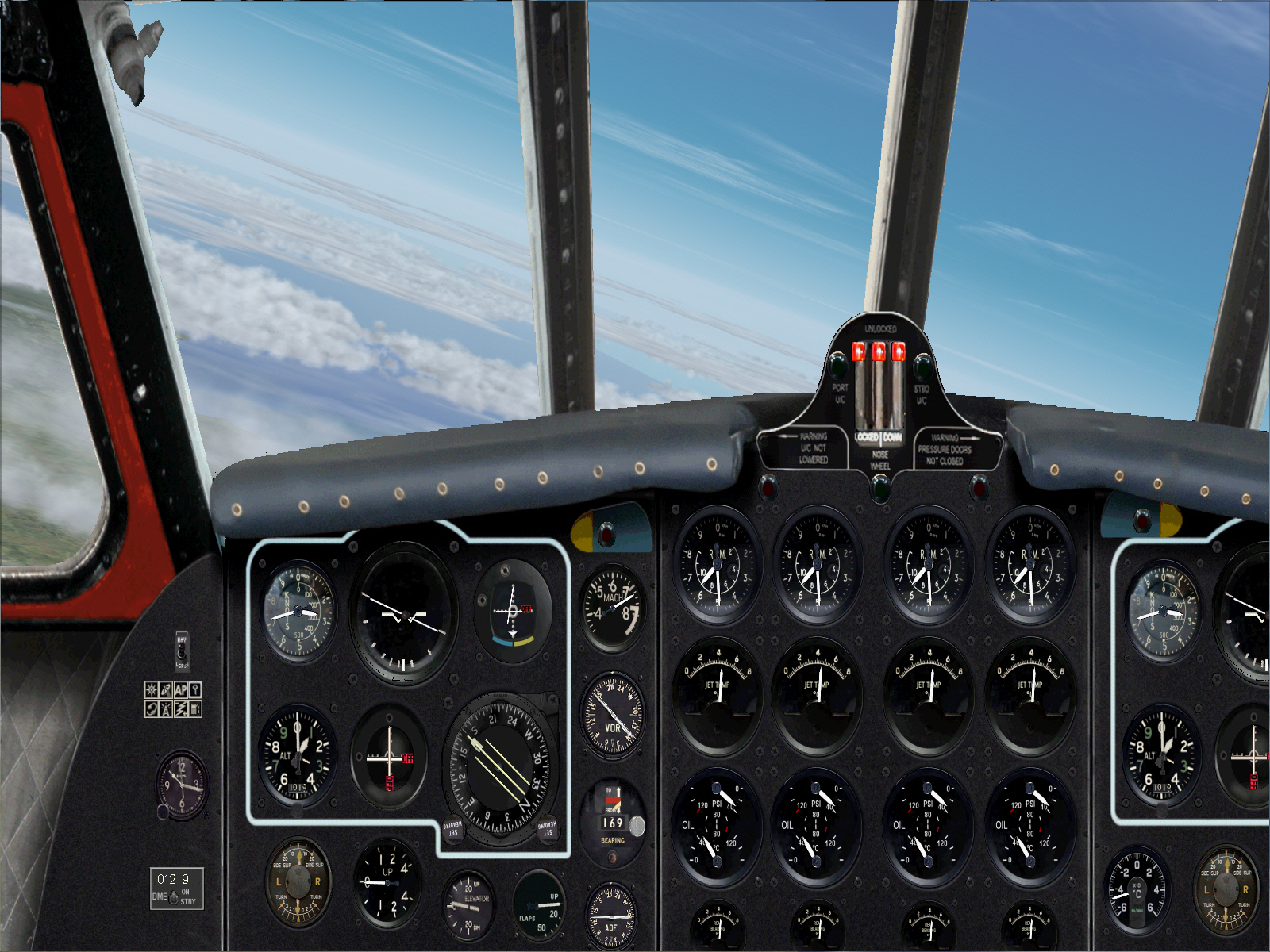
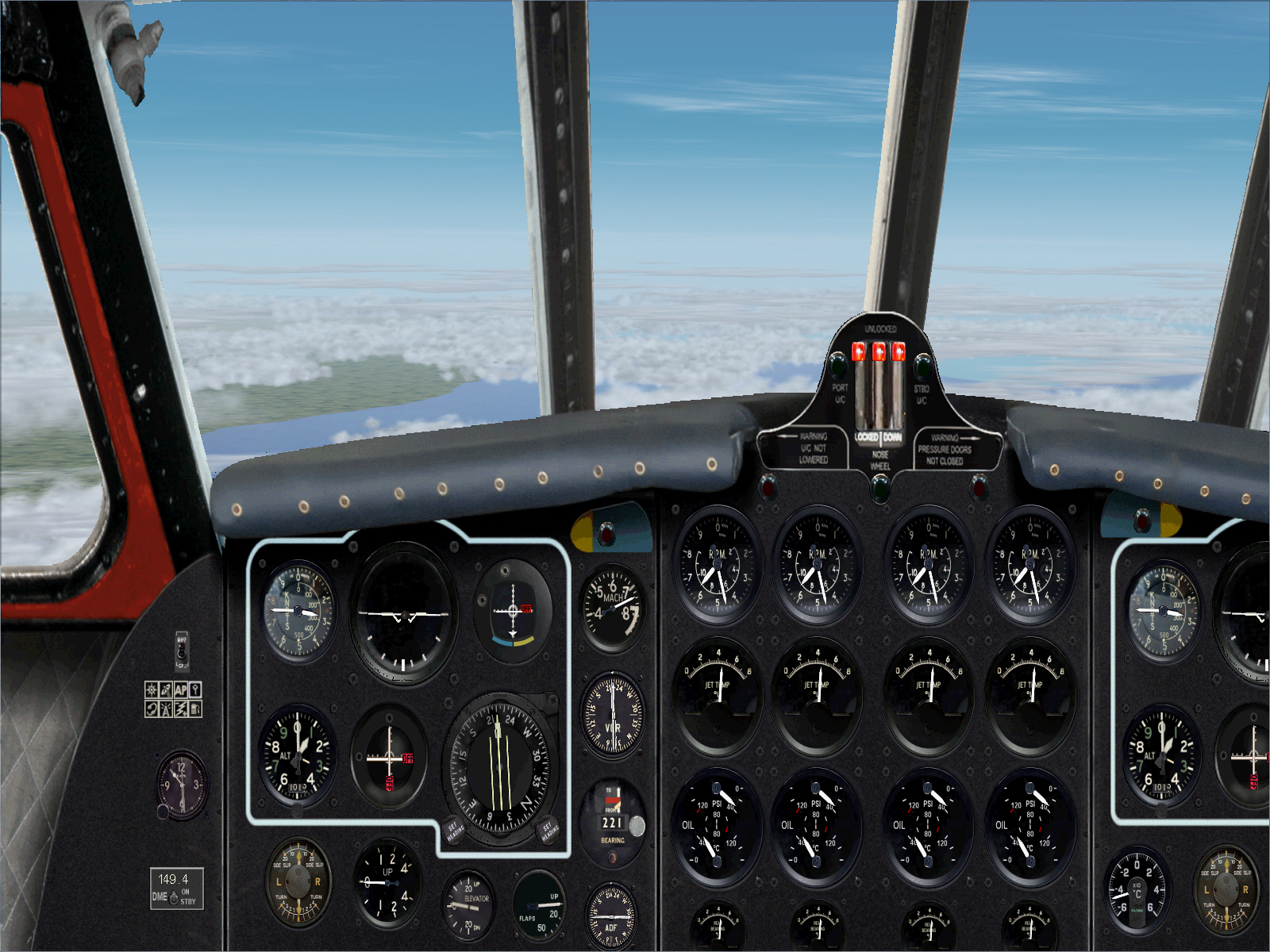
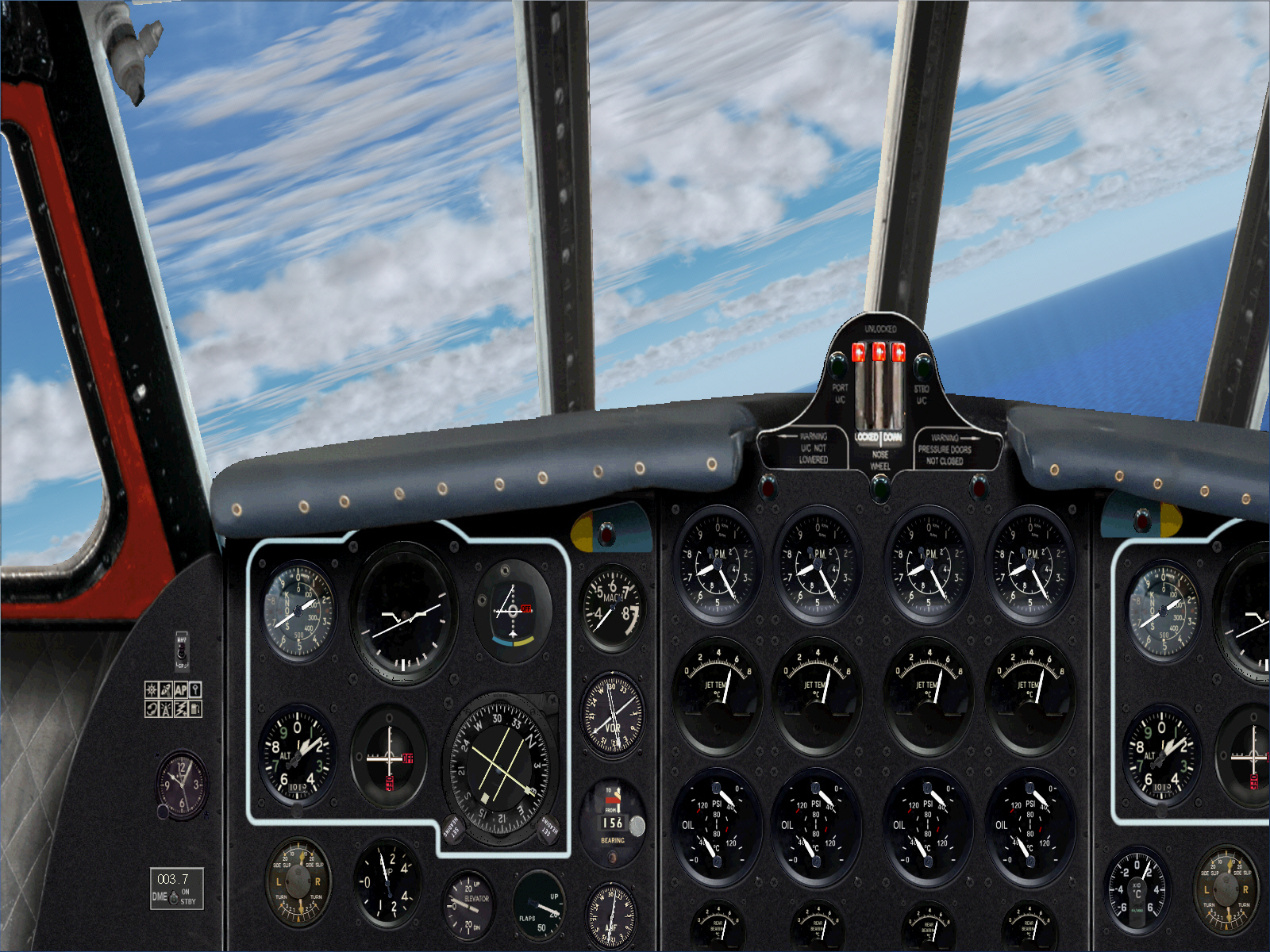
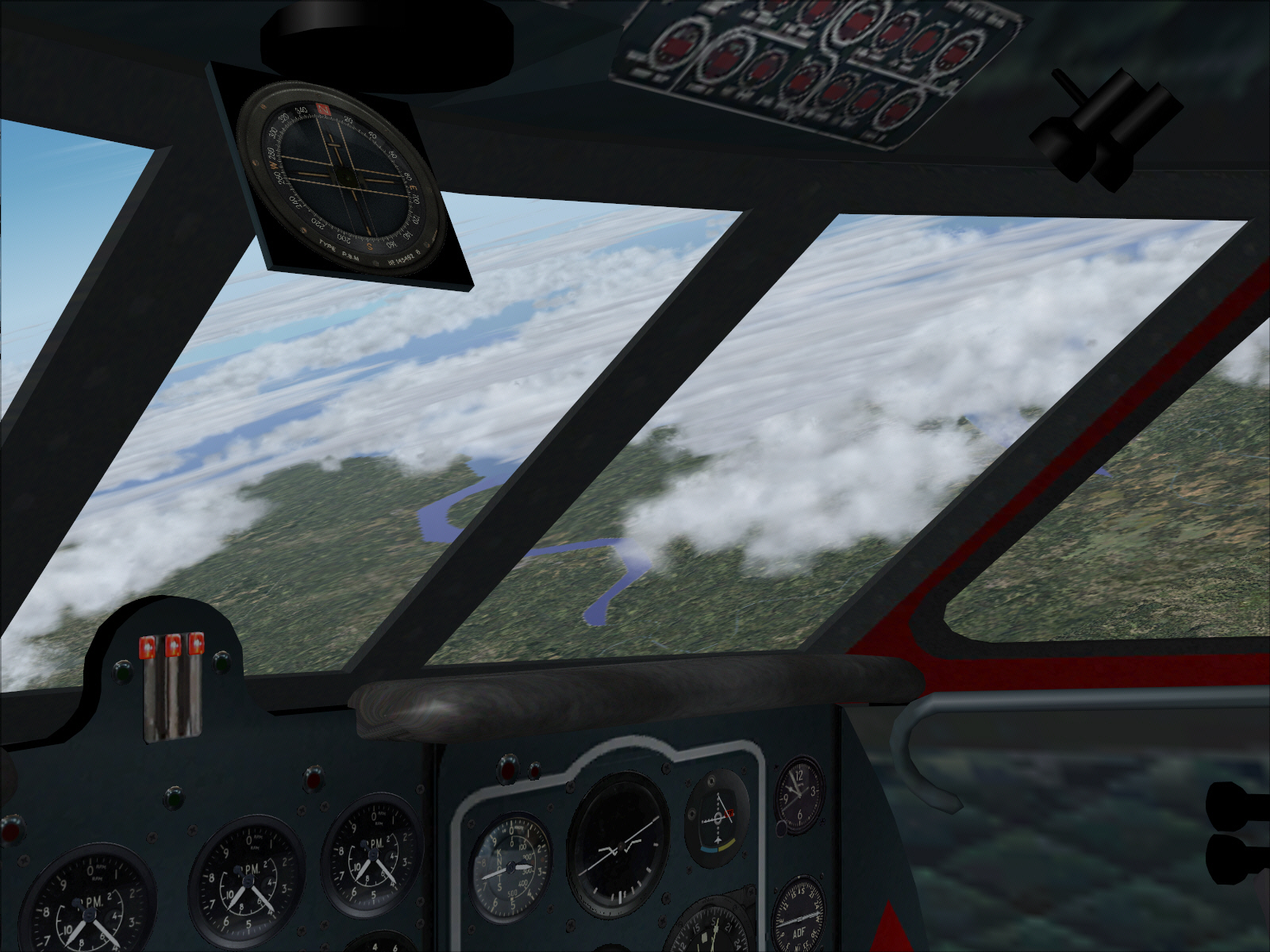
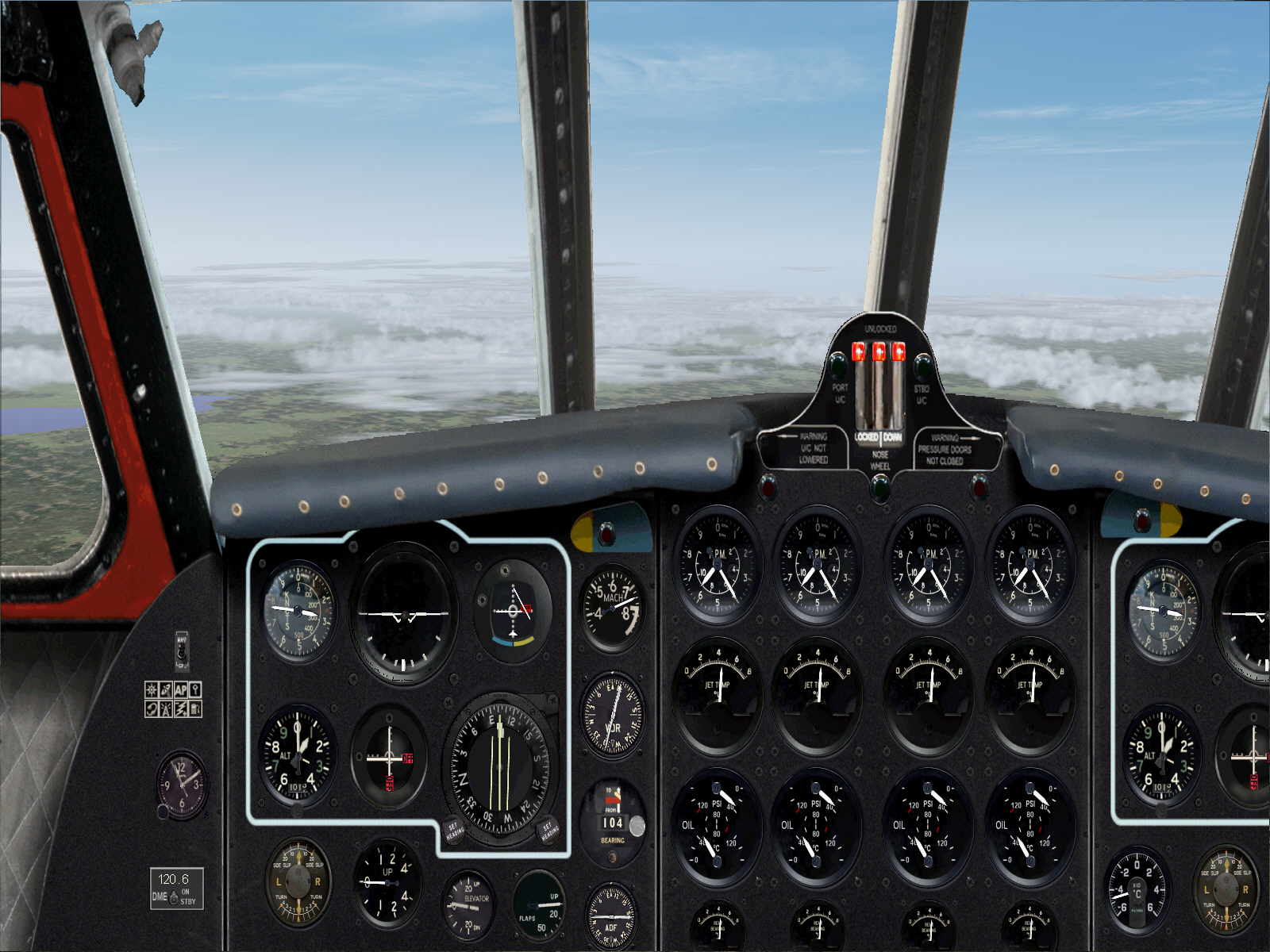
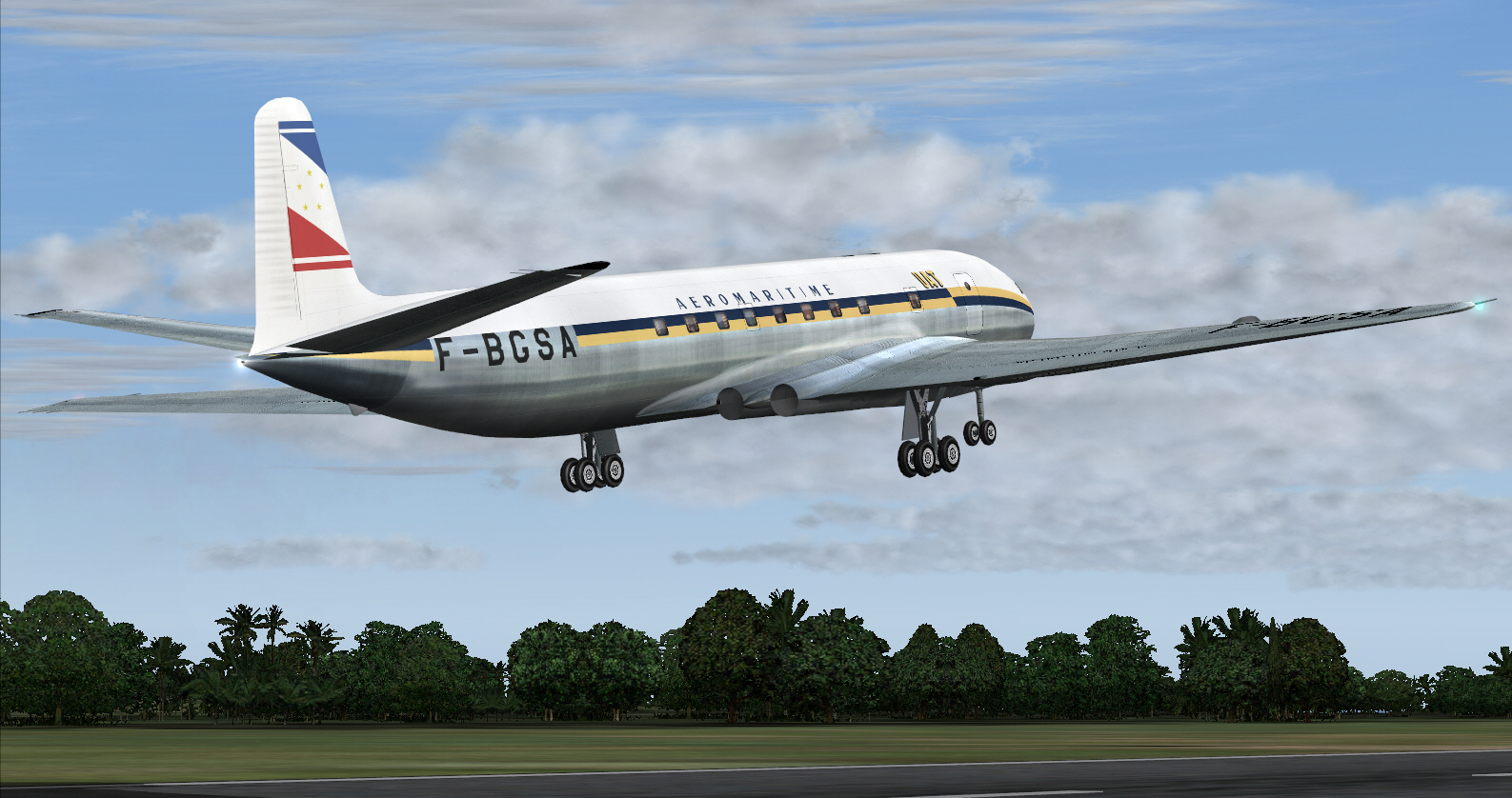
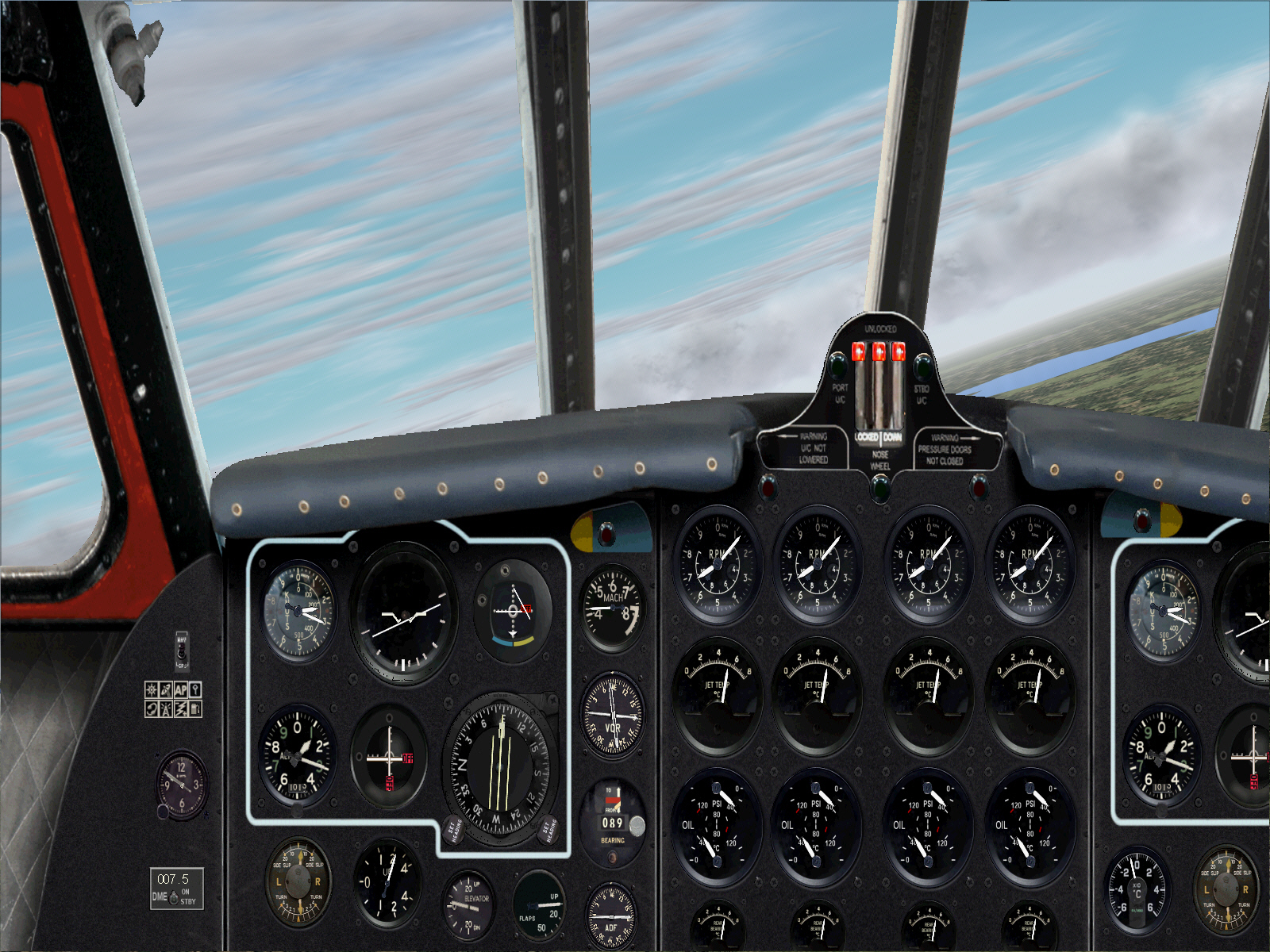
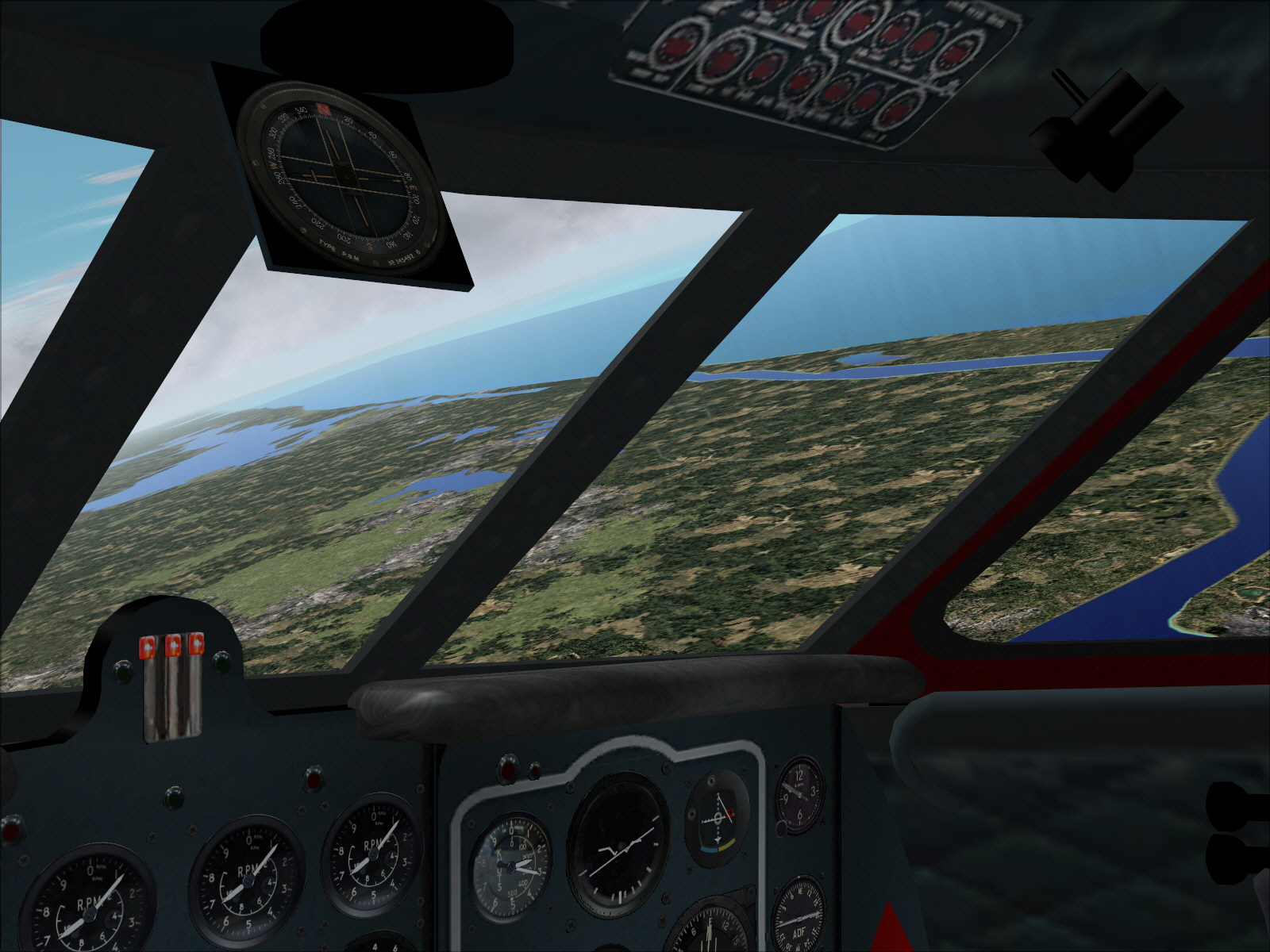
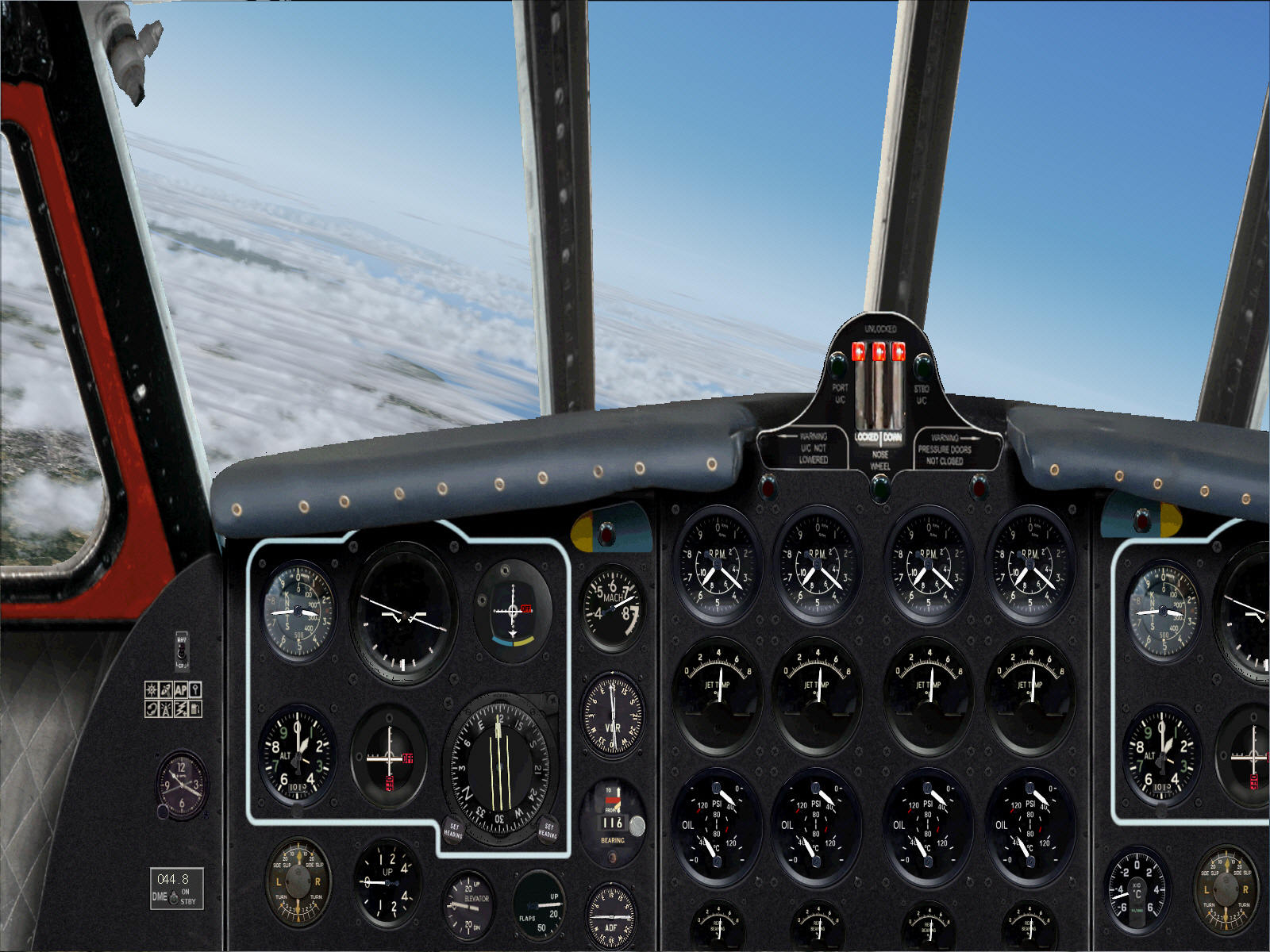
A climbing right turn was executed after TO and from around 1,000 FT .... to head south in order intercept the TOUSSOUS VOR then track 160* towards MOULIN (a distance of some 131 miles) whilst climbing to FL310 ....

Image

Image

Image

Image

Image

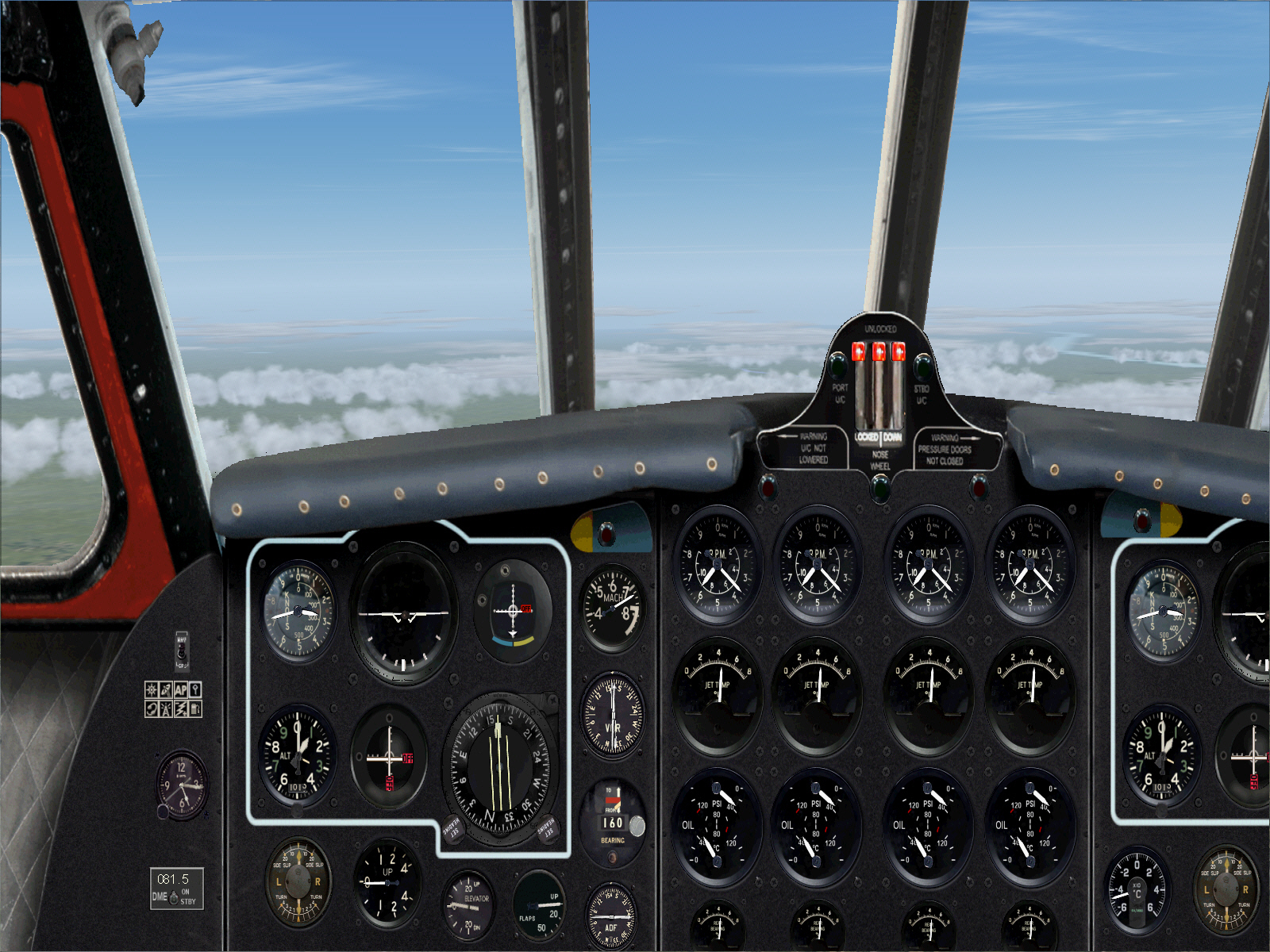
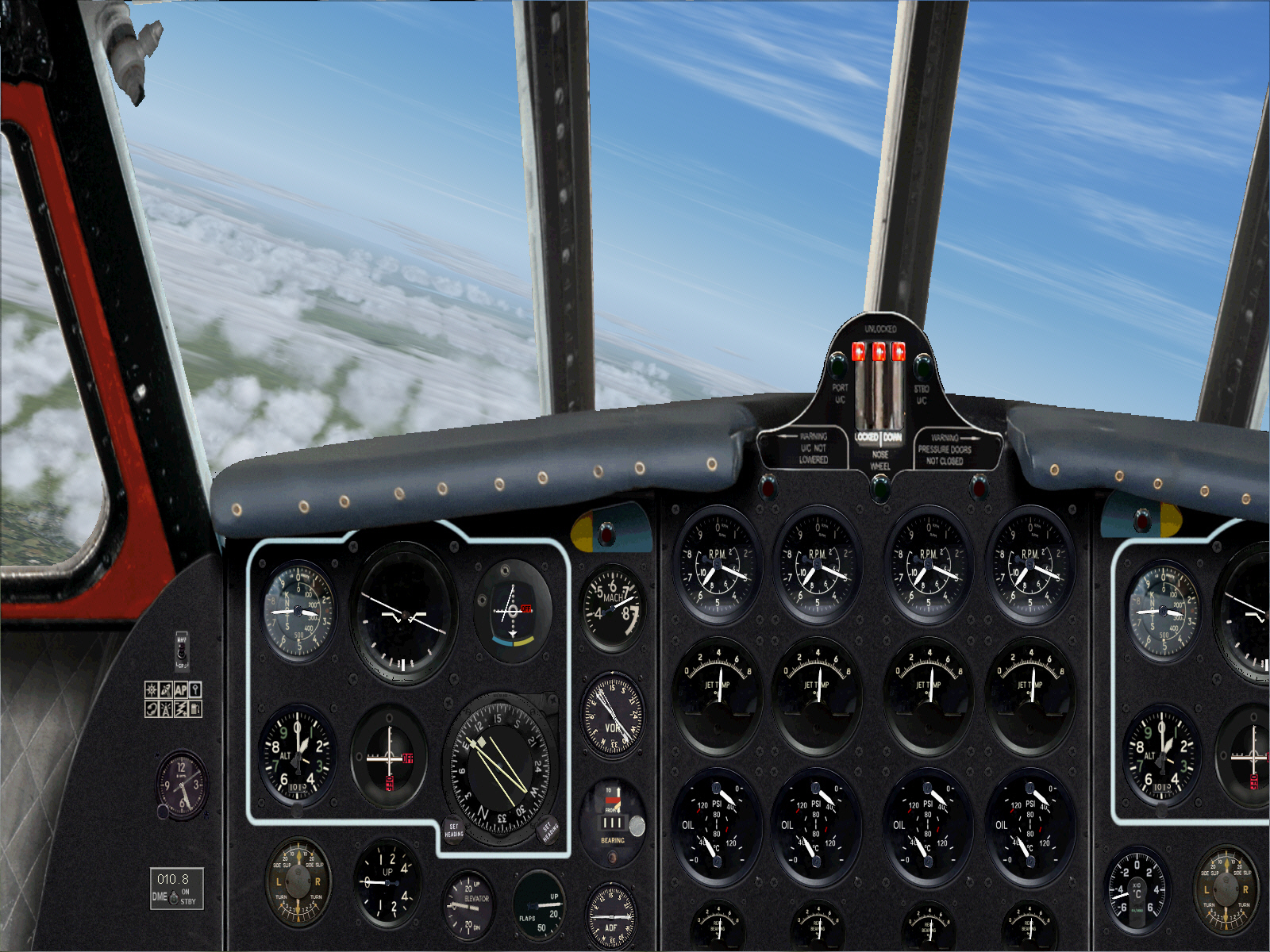
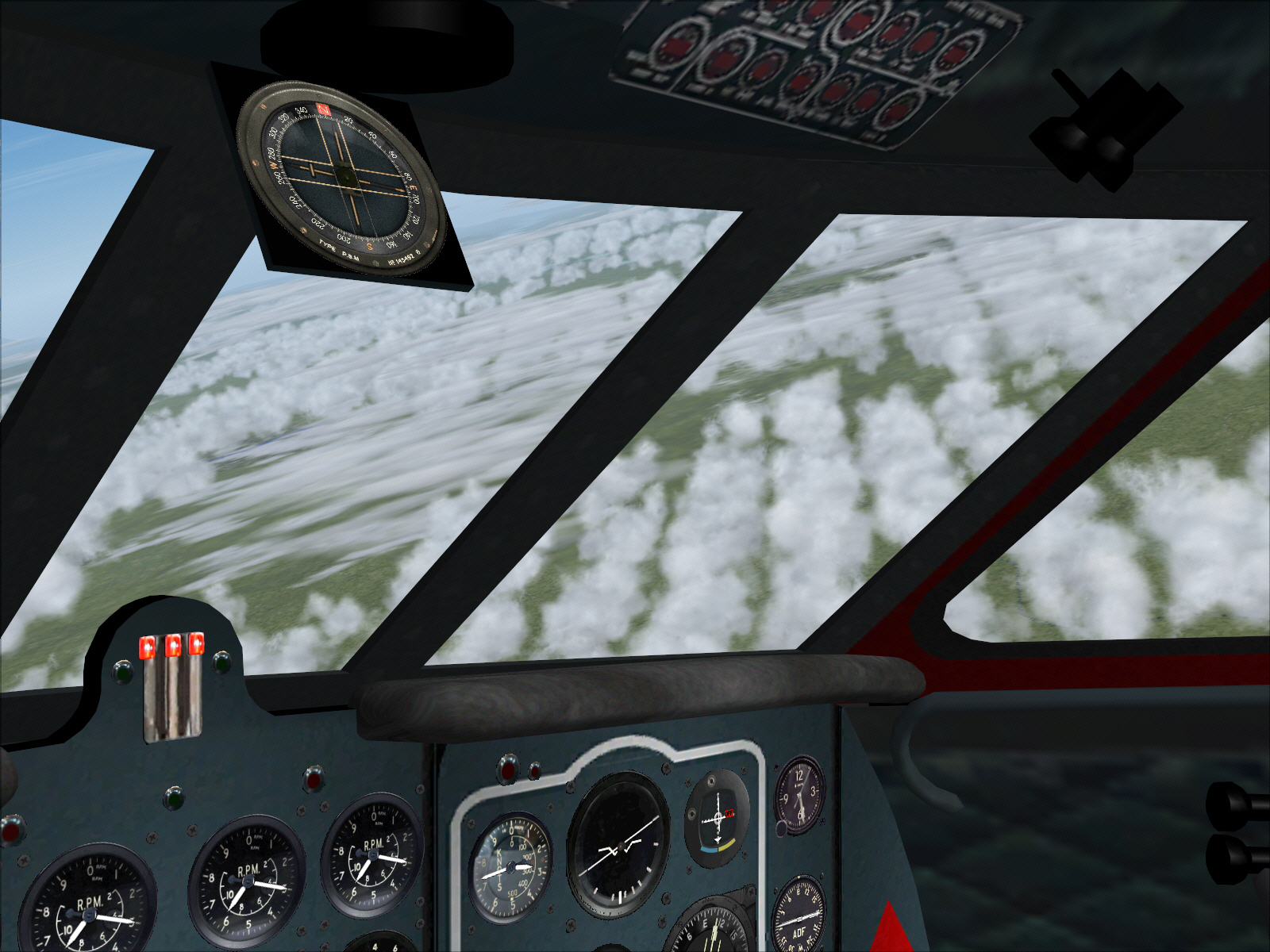
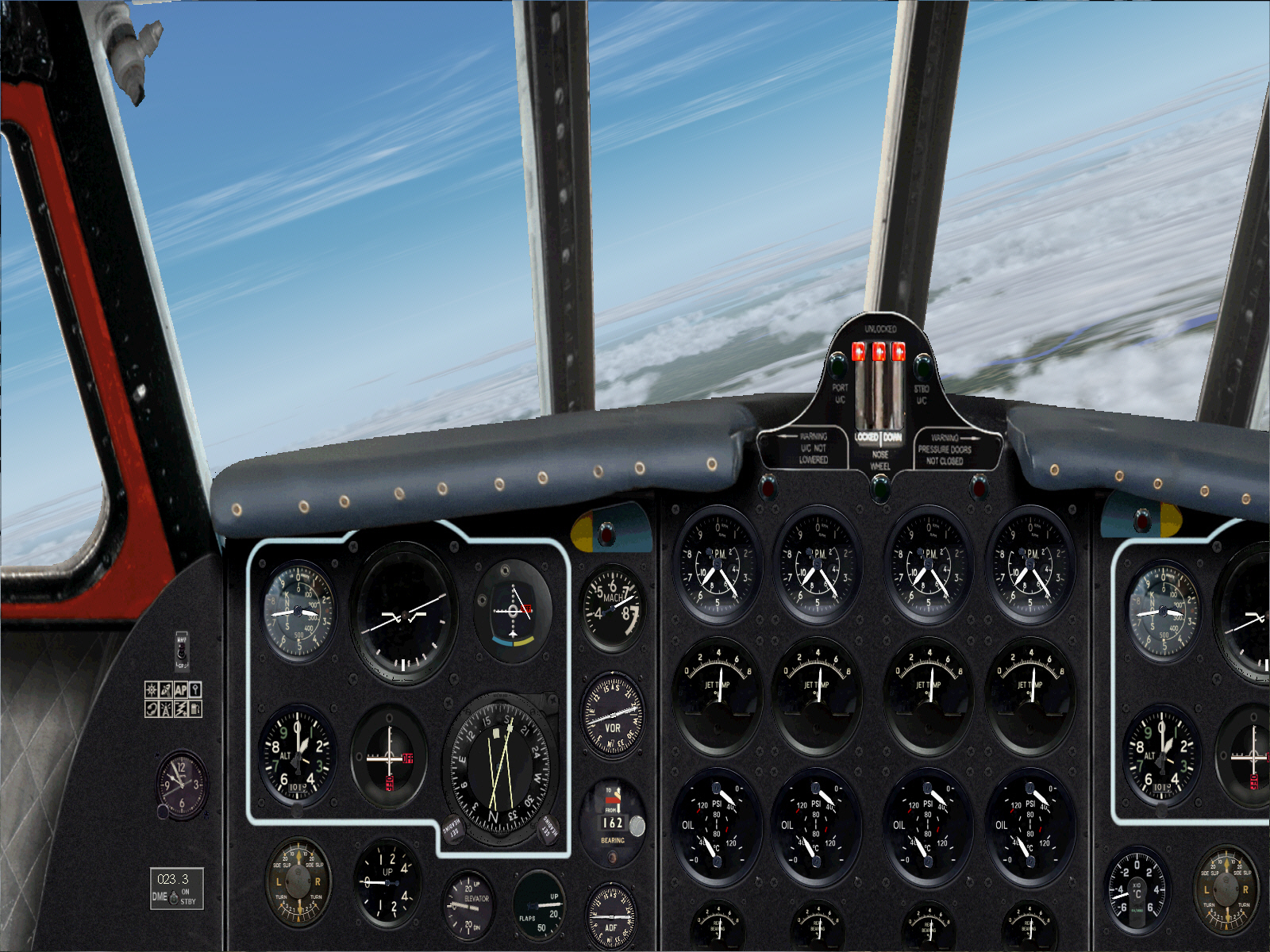
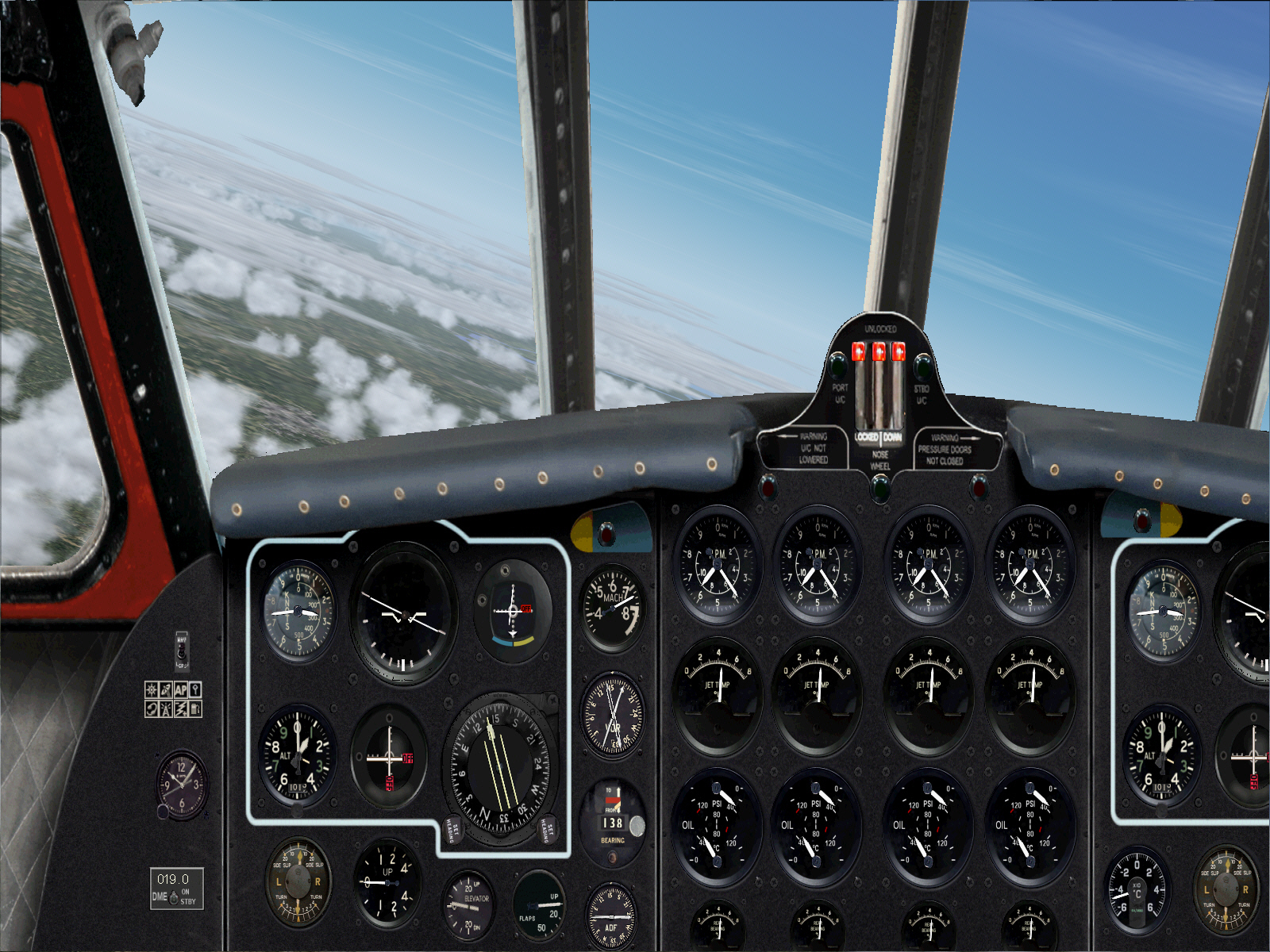
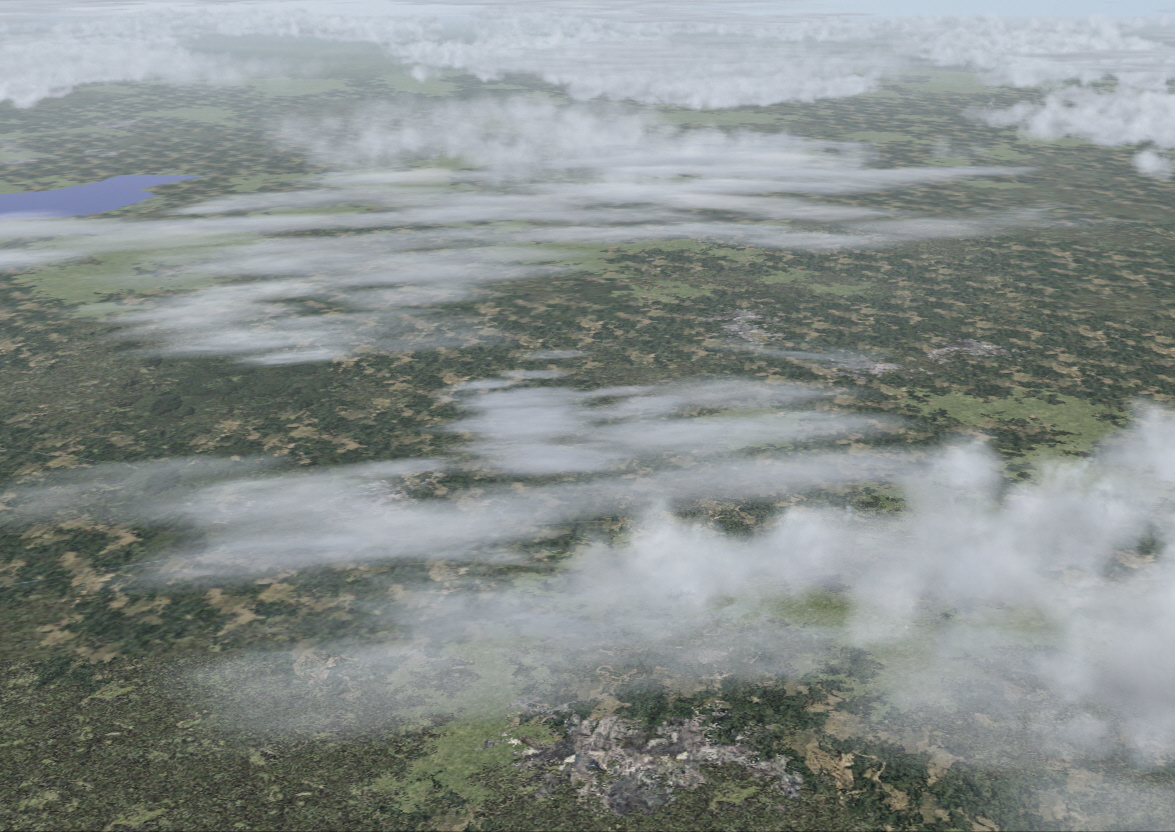
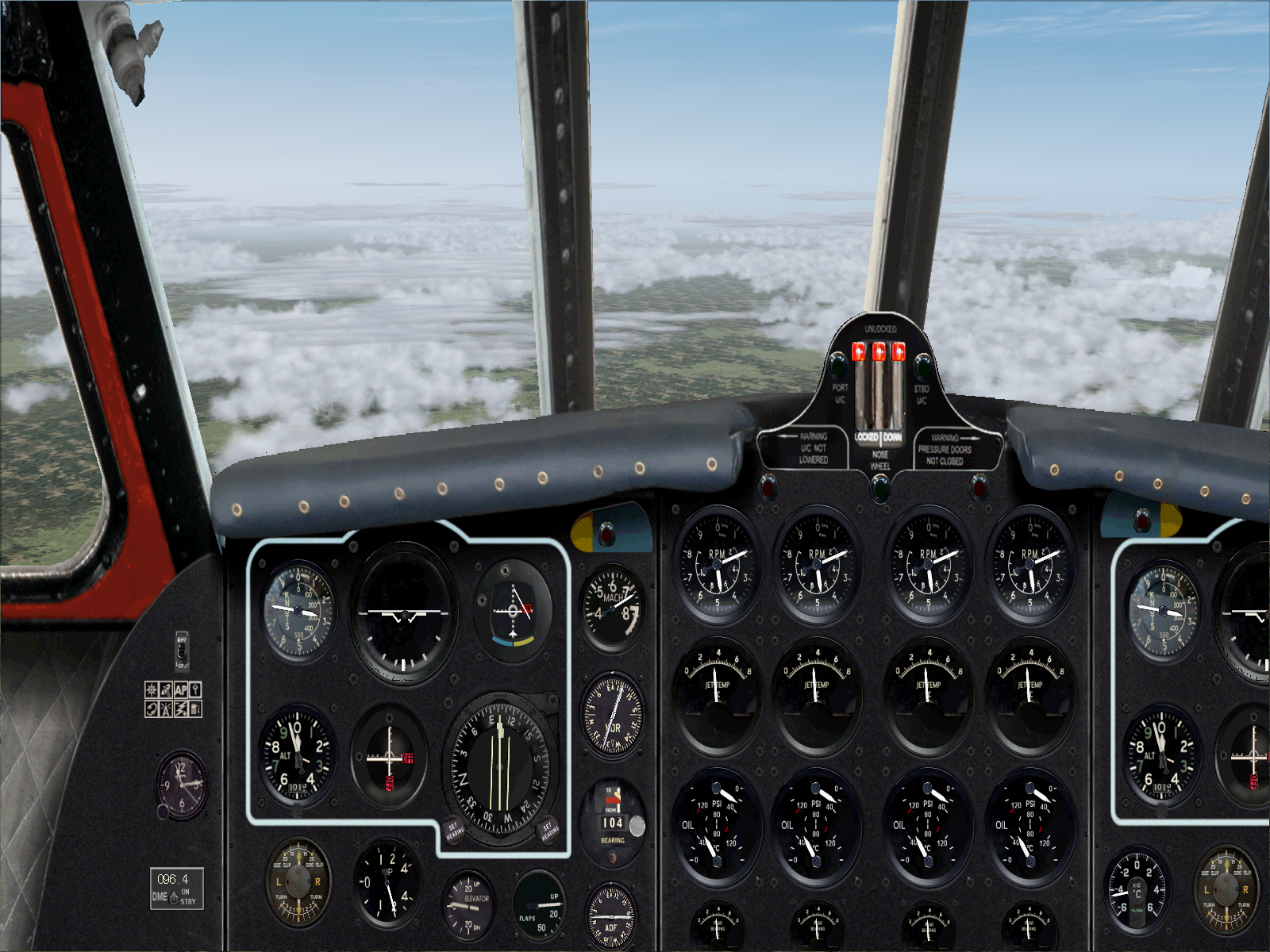
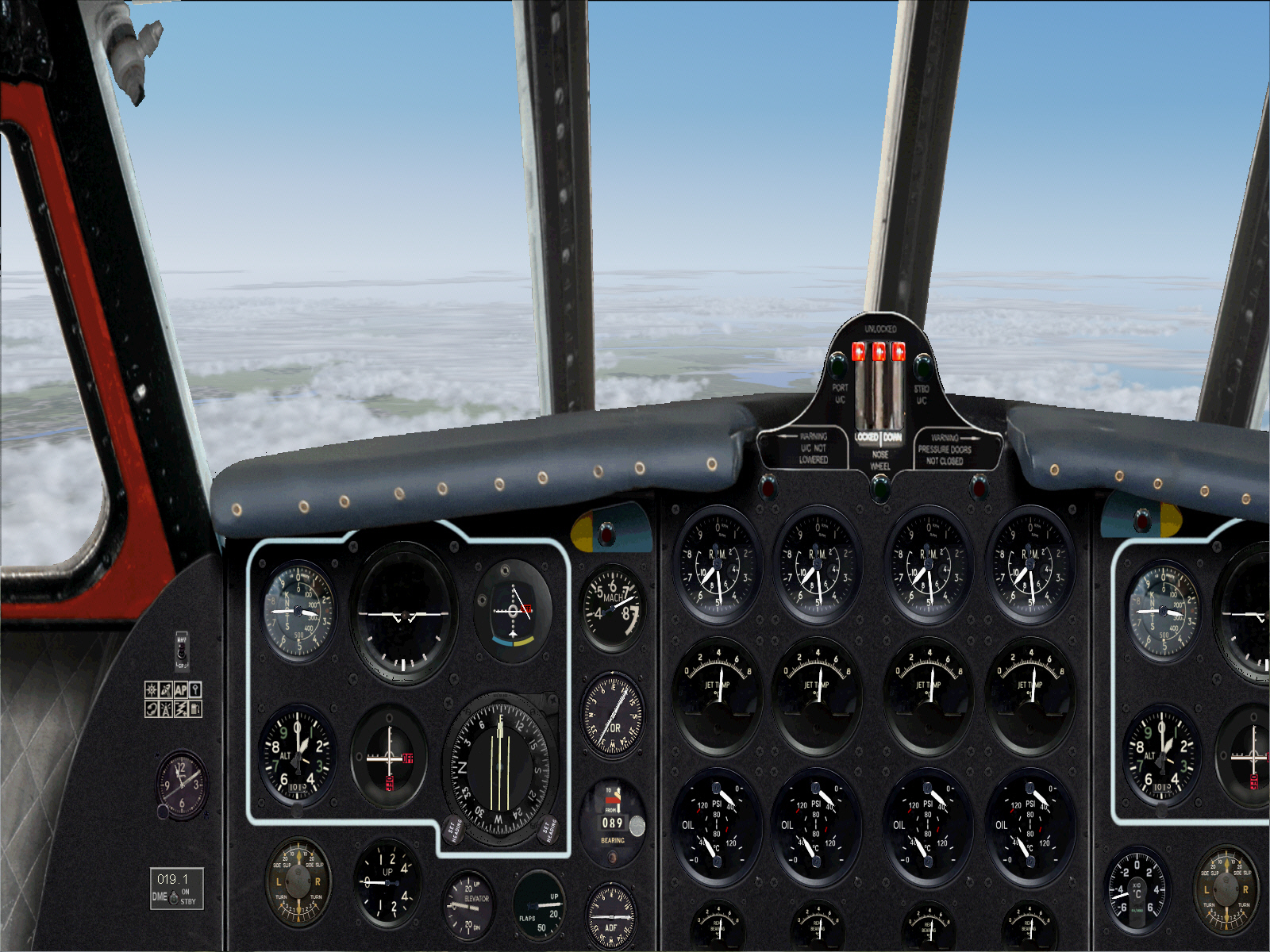
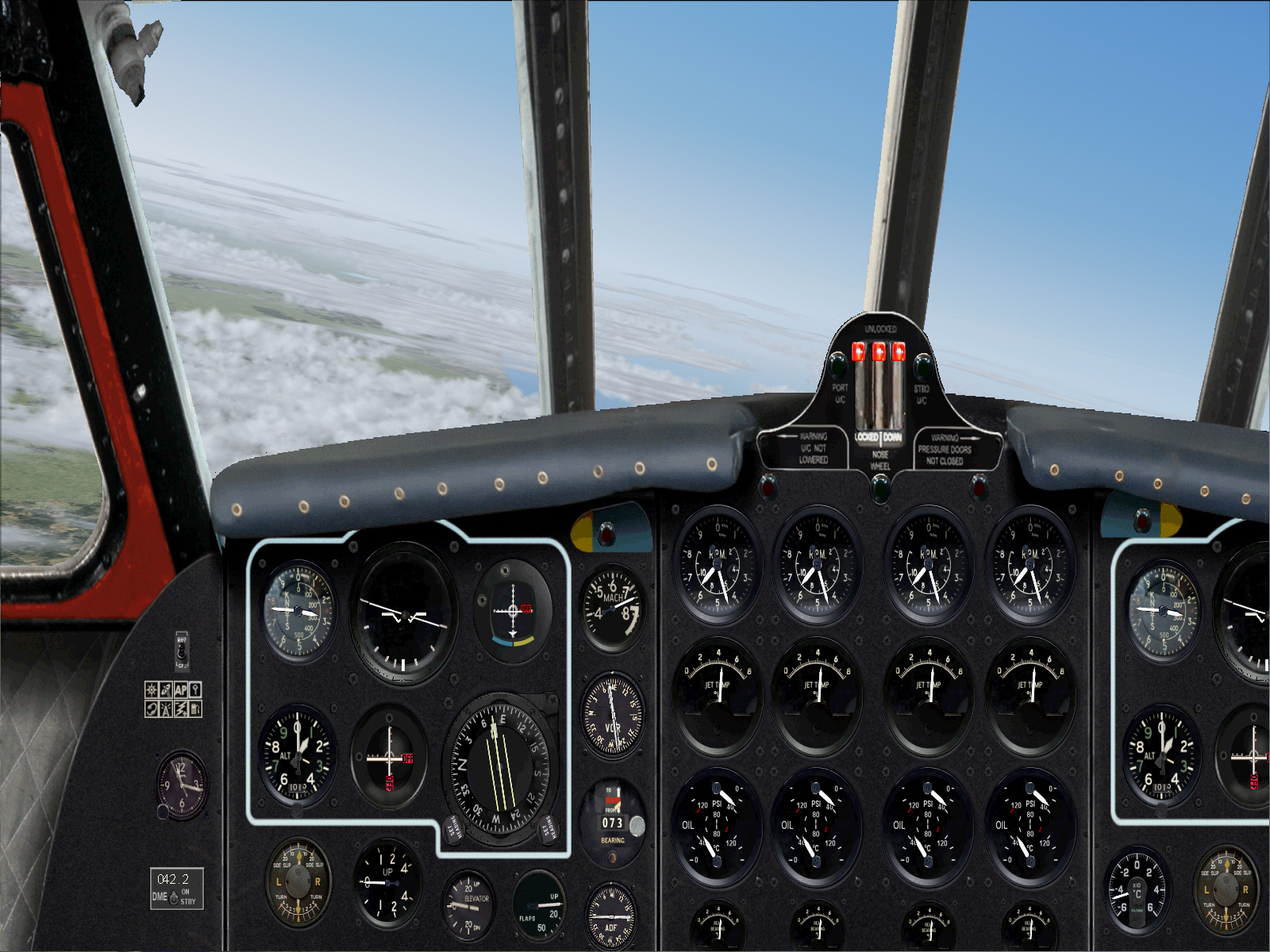
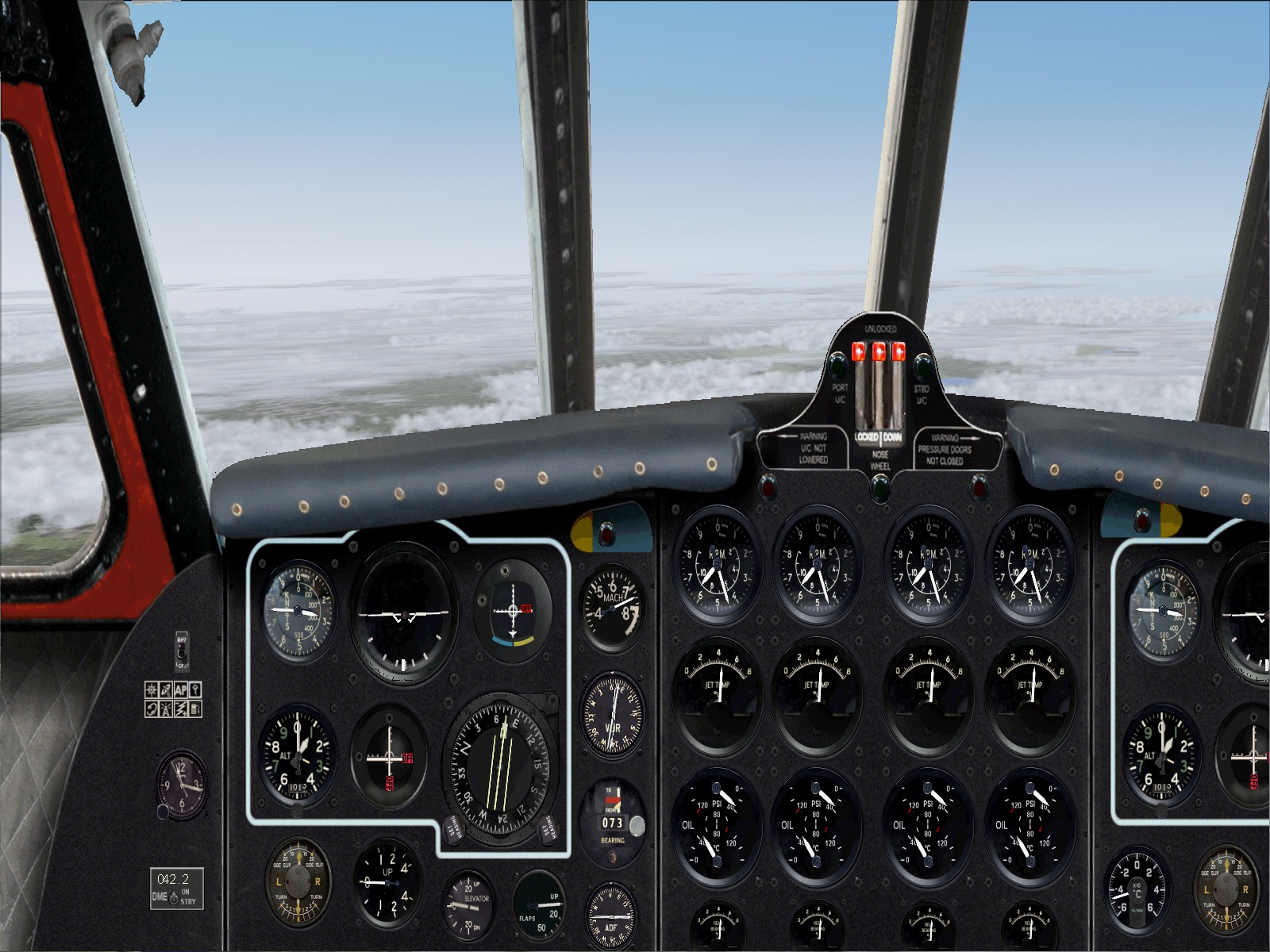
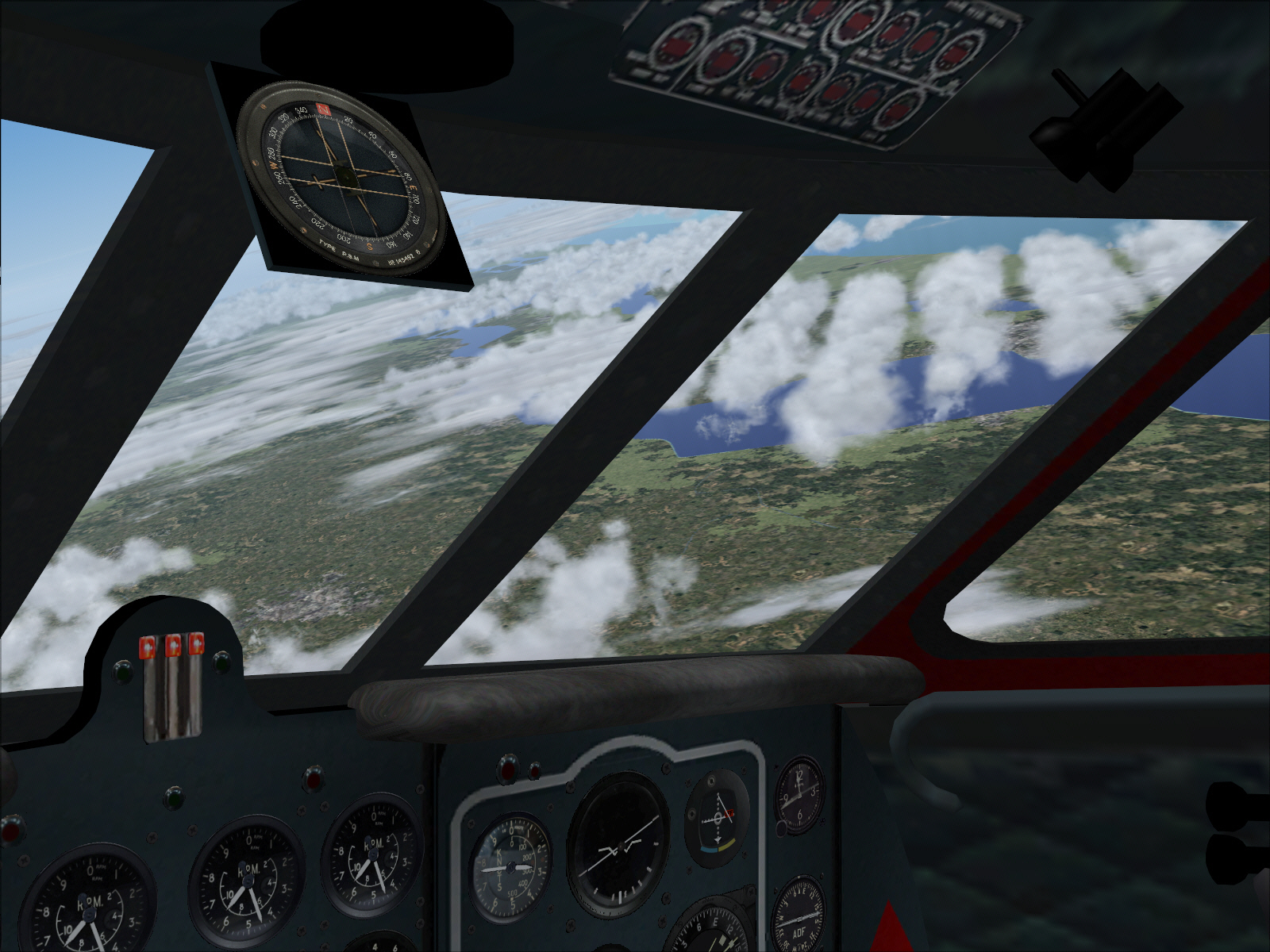
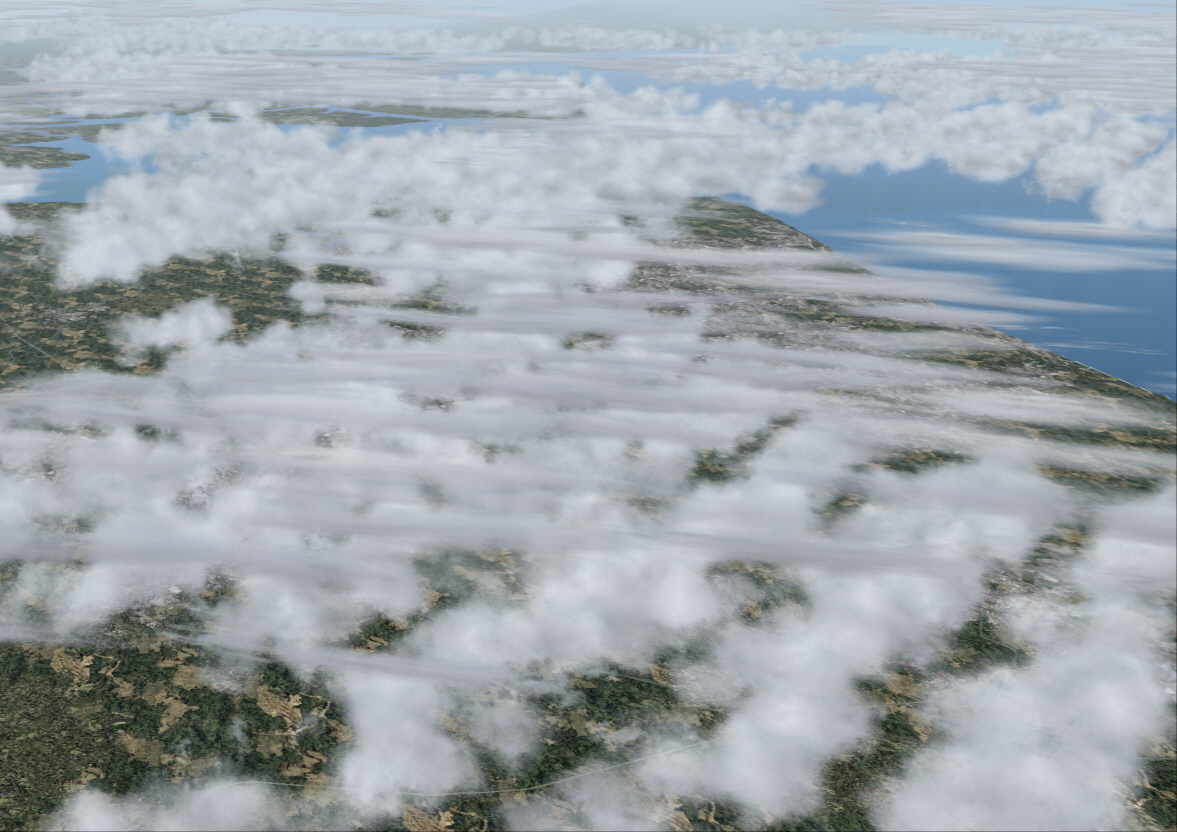
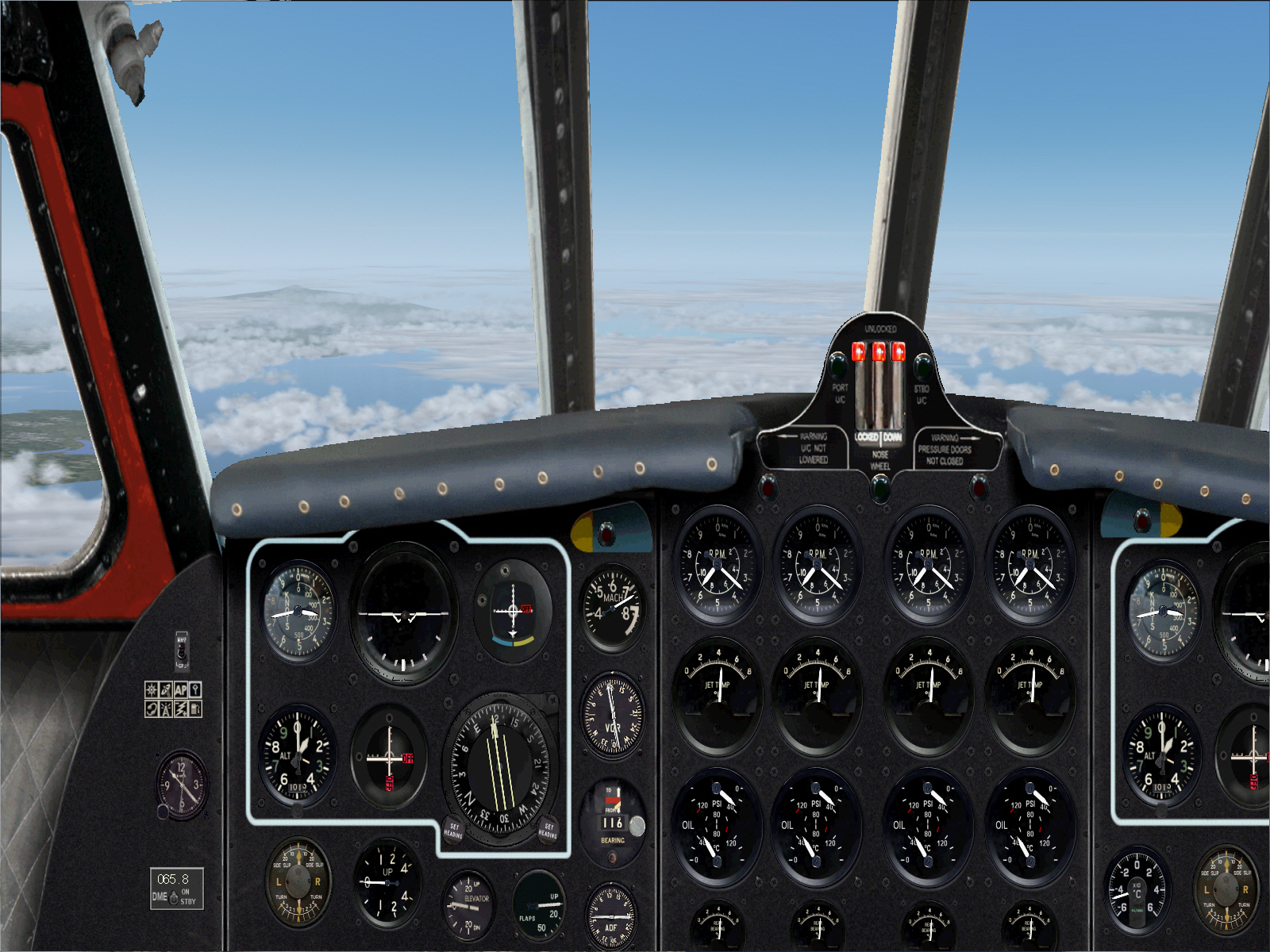
With such light fuel load, but otherwise operating with a full PAX payload, the COMET really climbed like a rocket .... managing just under 3,000 FPM during the first climb segment. Given the light fuel load full power was maintained after TO (can do that with a turbojet .... but not with a fanjet/turbofan) and this inertia then used to the advantage of such an impressive ROC, whist also never exceeding the recommended maximum AI pitch attitude of +8*. Whilst the ROC was incrementally tapered during later climb segments, cruising altitude (FL310) was none-the-less achieved within 108 DME from Le Bourget .... and the level cruise phase commenced over central France, and in roughly SE/SSE direction towards the French/Swiss border prior to TOD and arrival at Nice.

Intercepting the ORLY VOR to track the 160* radial toward MOULINS VOR .... a distance of some 131 DME .... and whilst continuing to maintain respectable climb performance toward FL310 ....

Image

Image

Image

Image

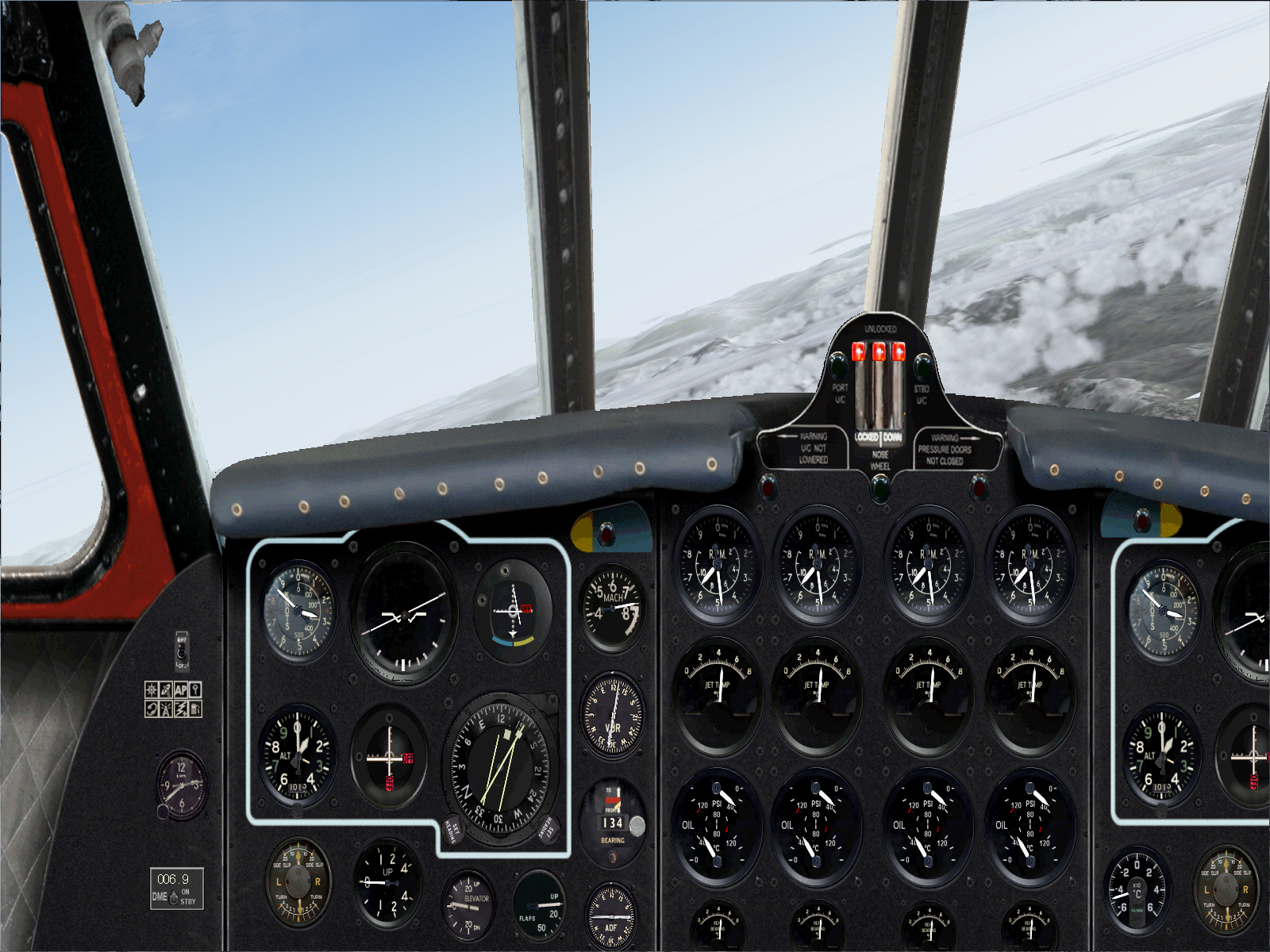
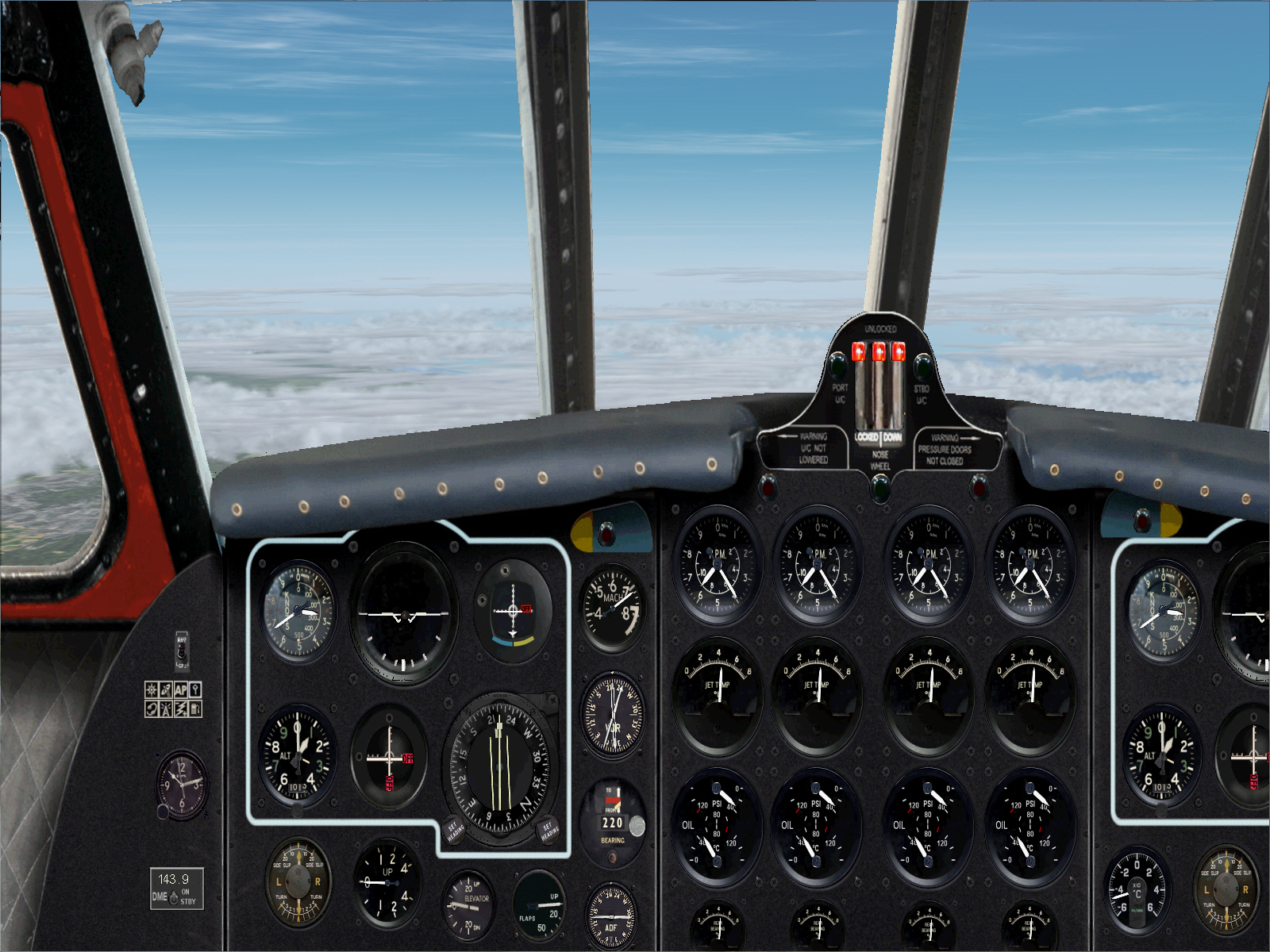
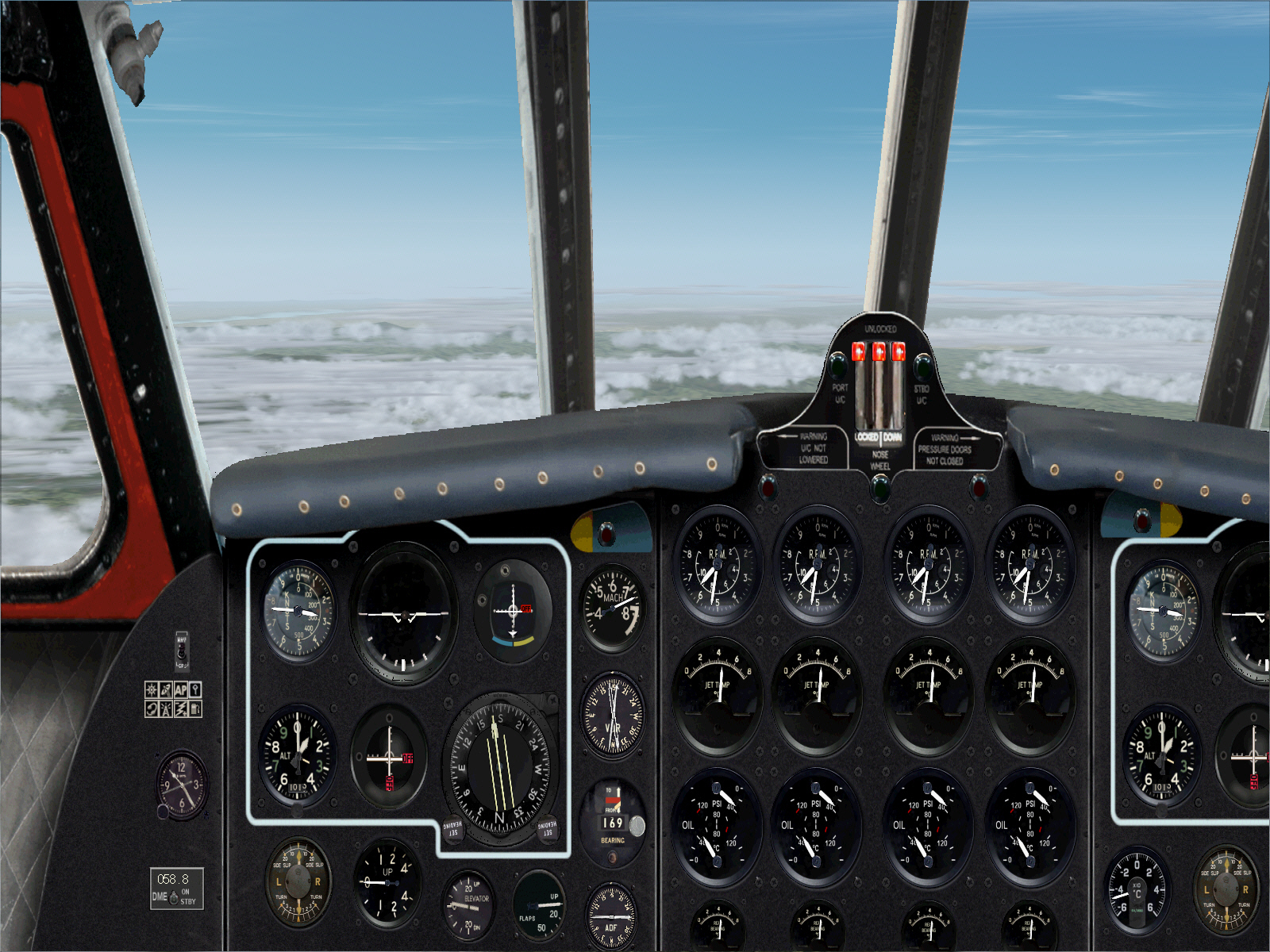
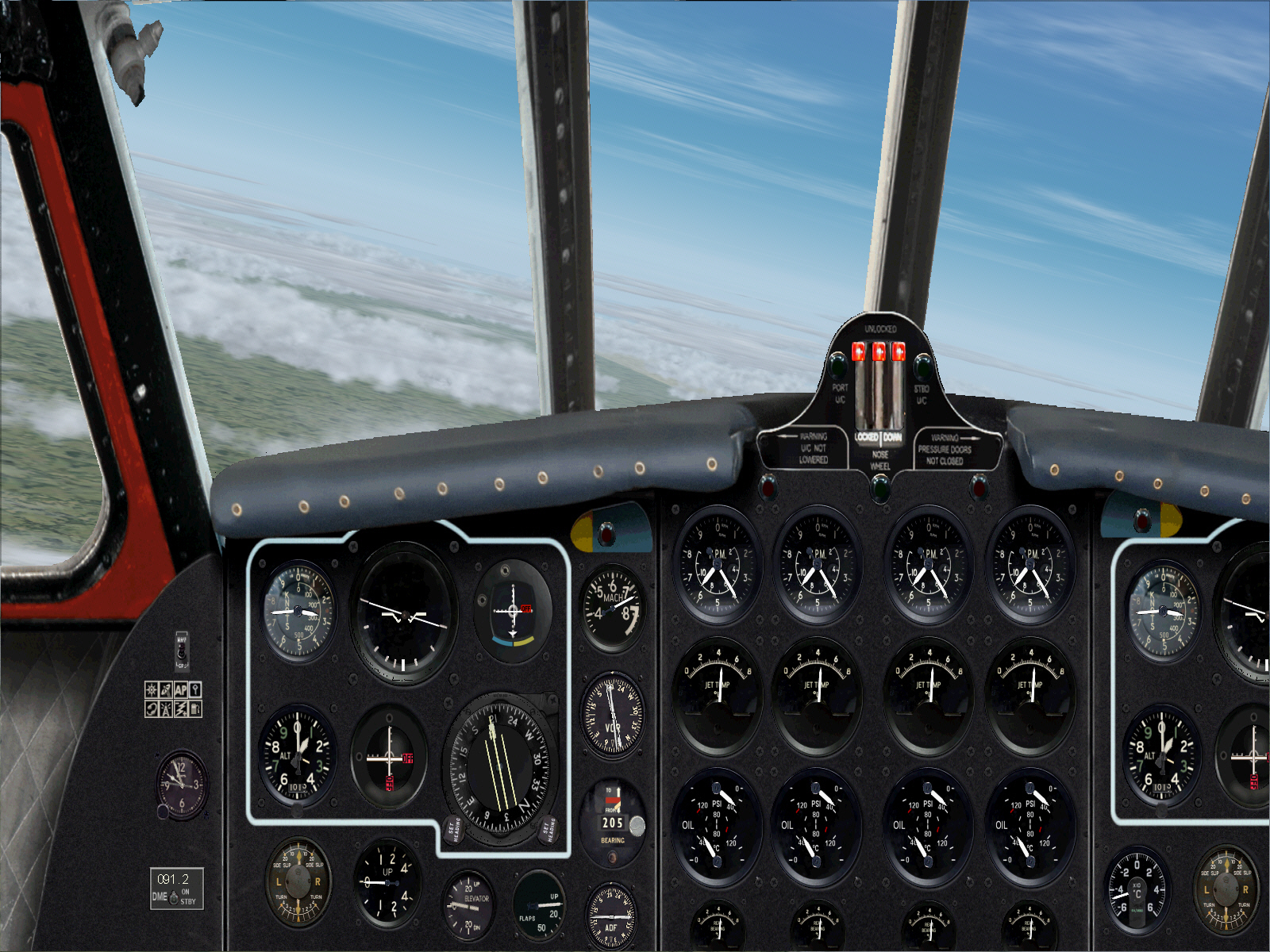
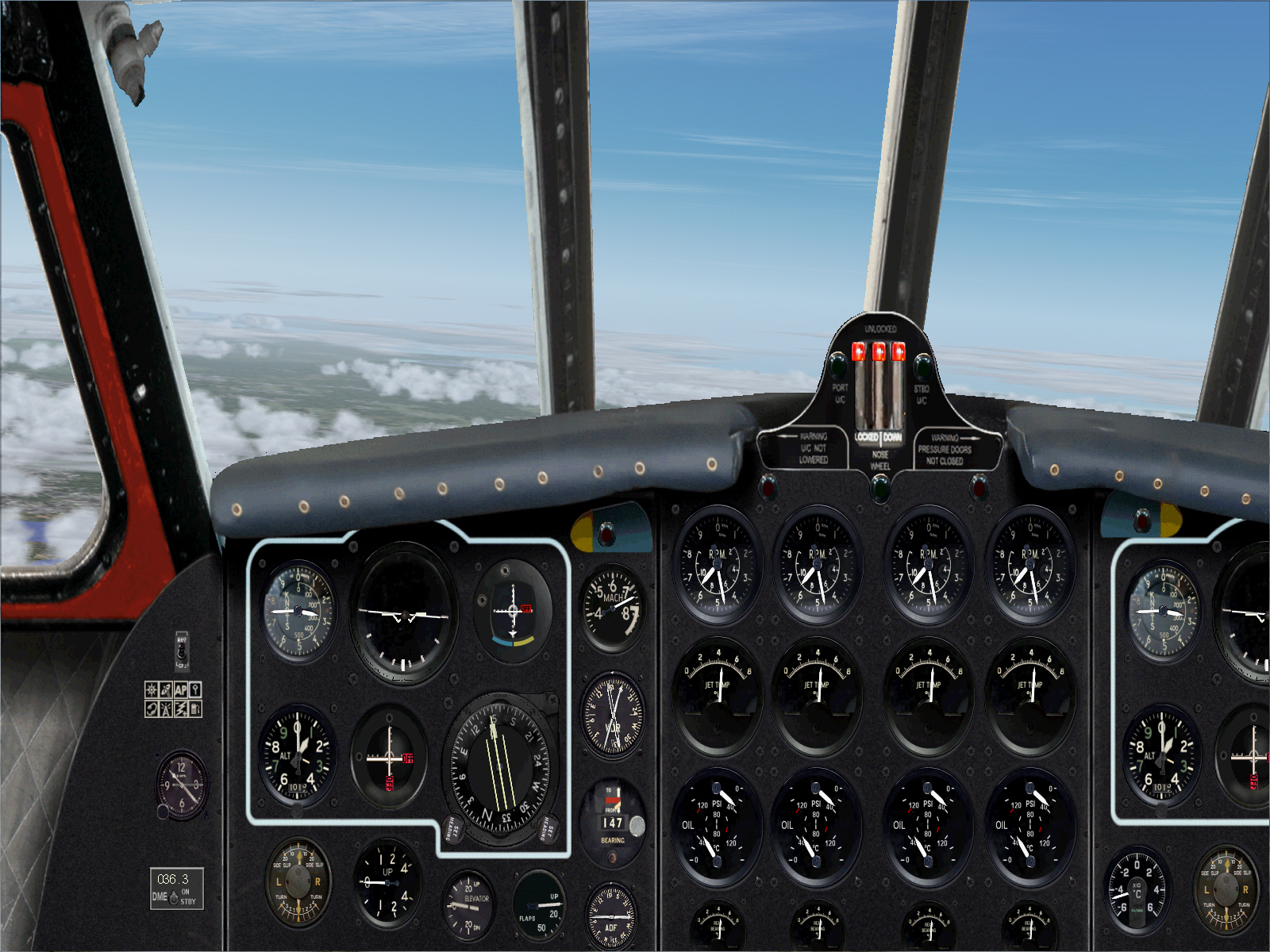
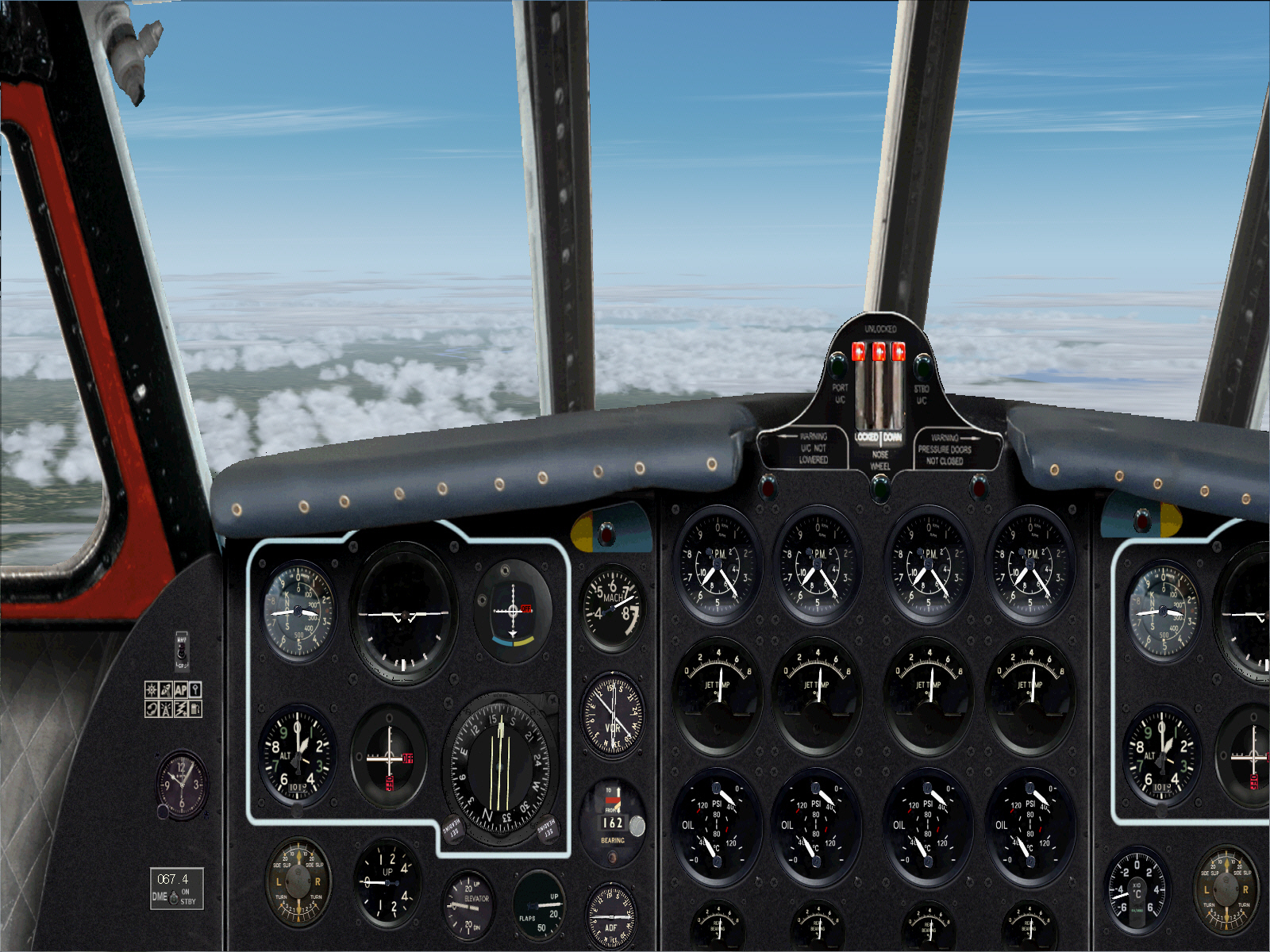
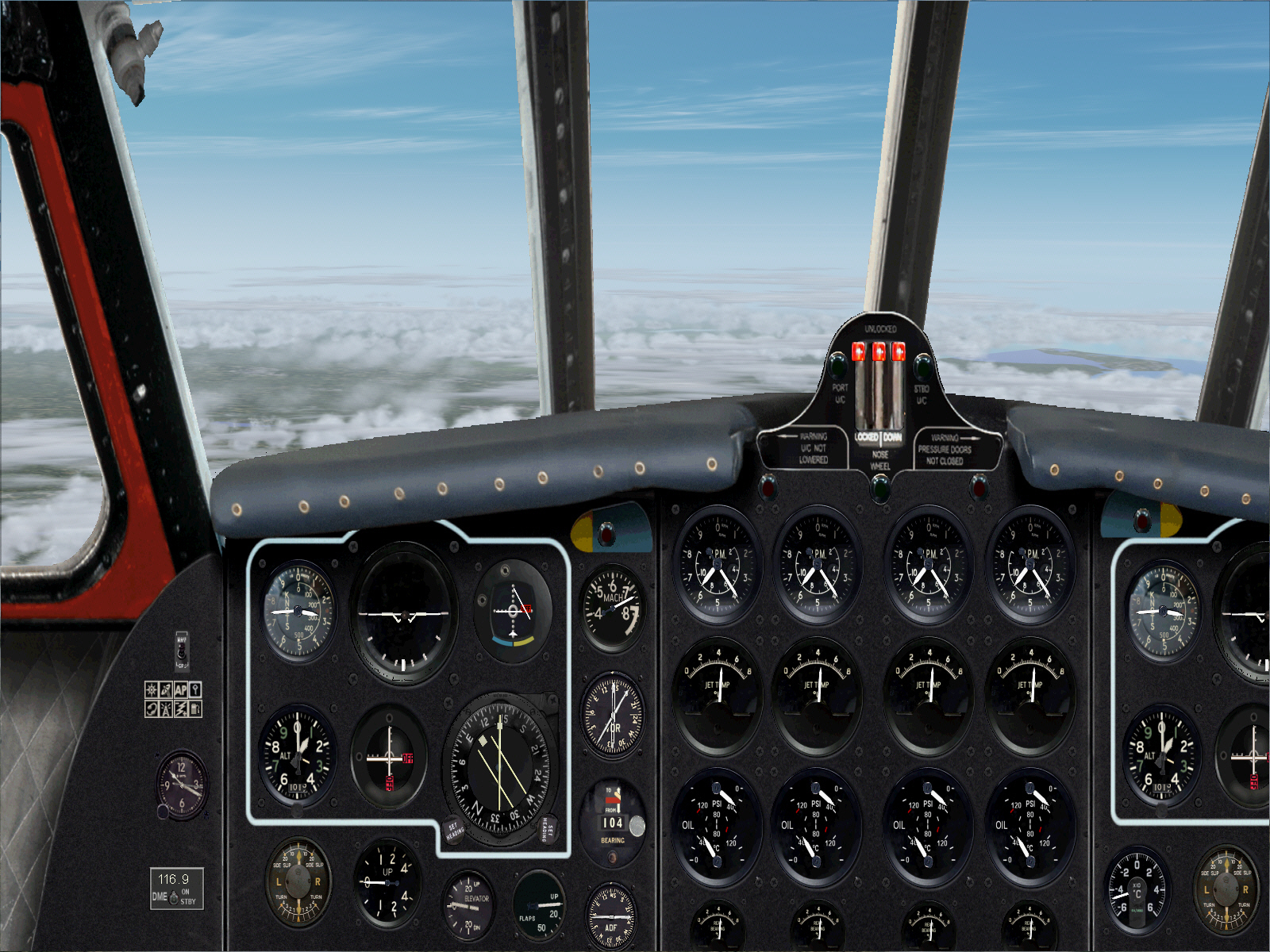
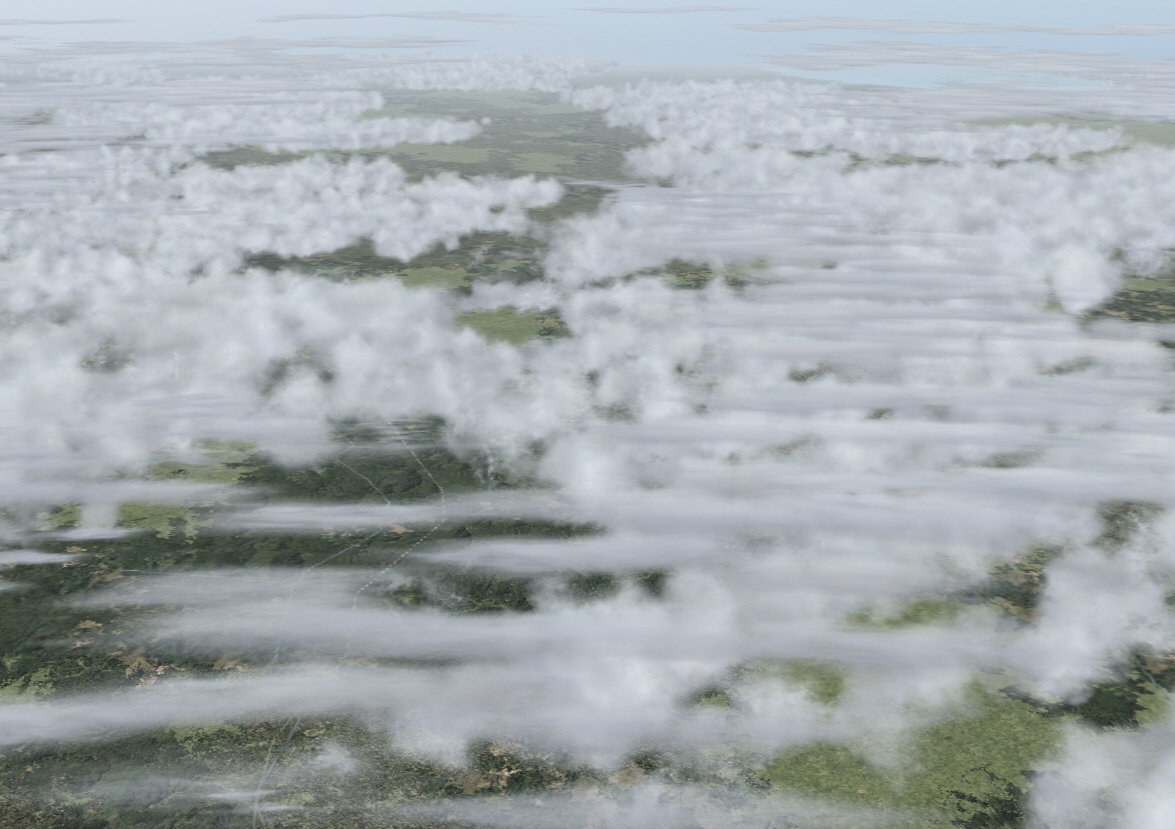
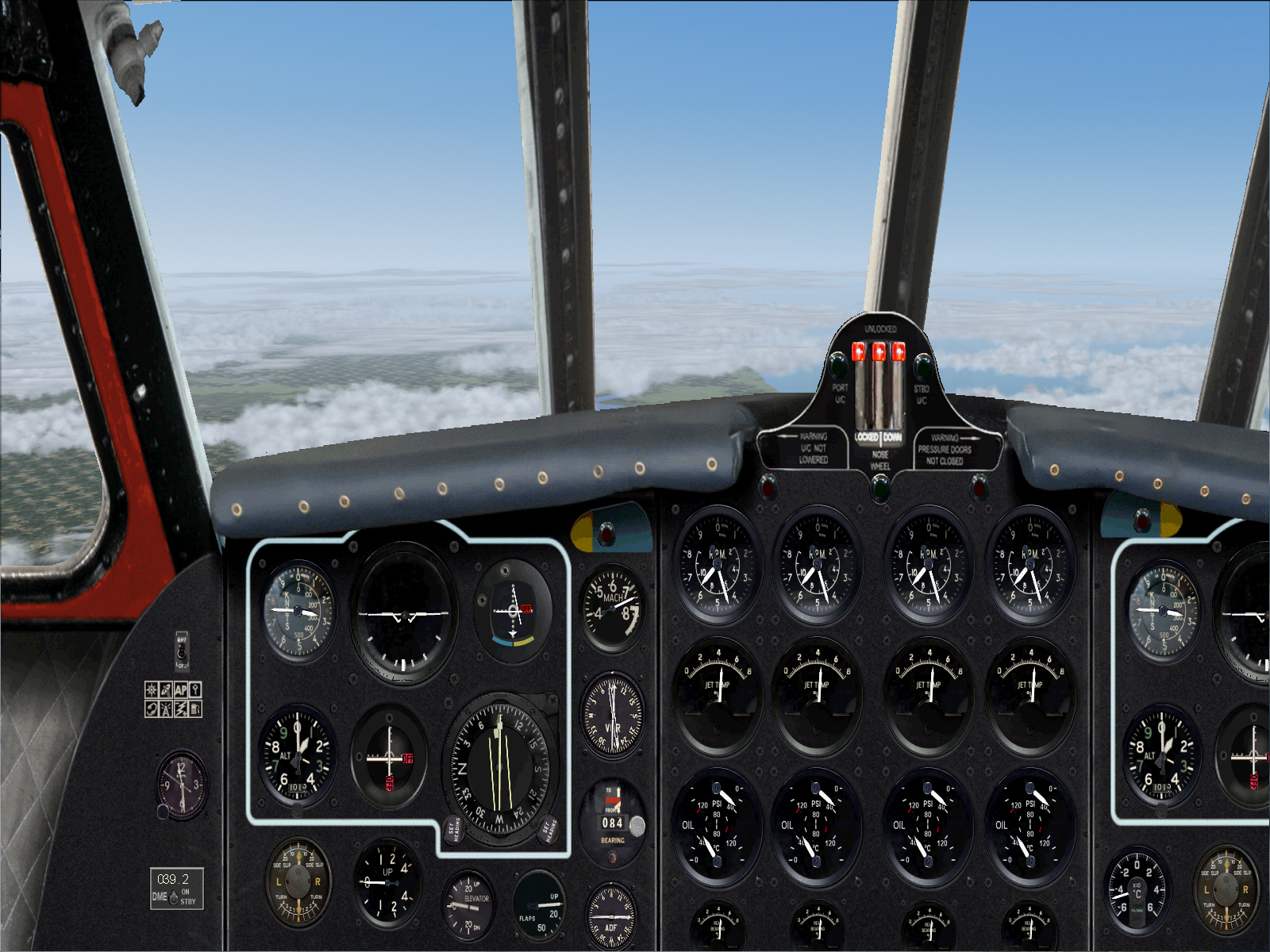
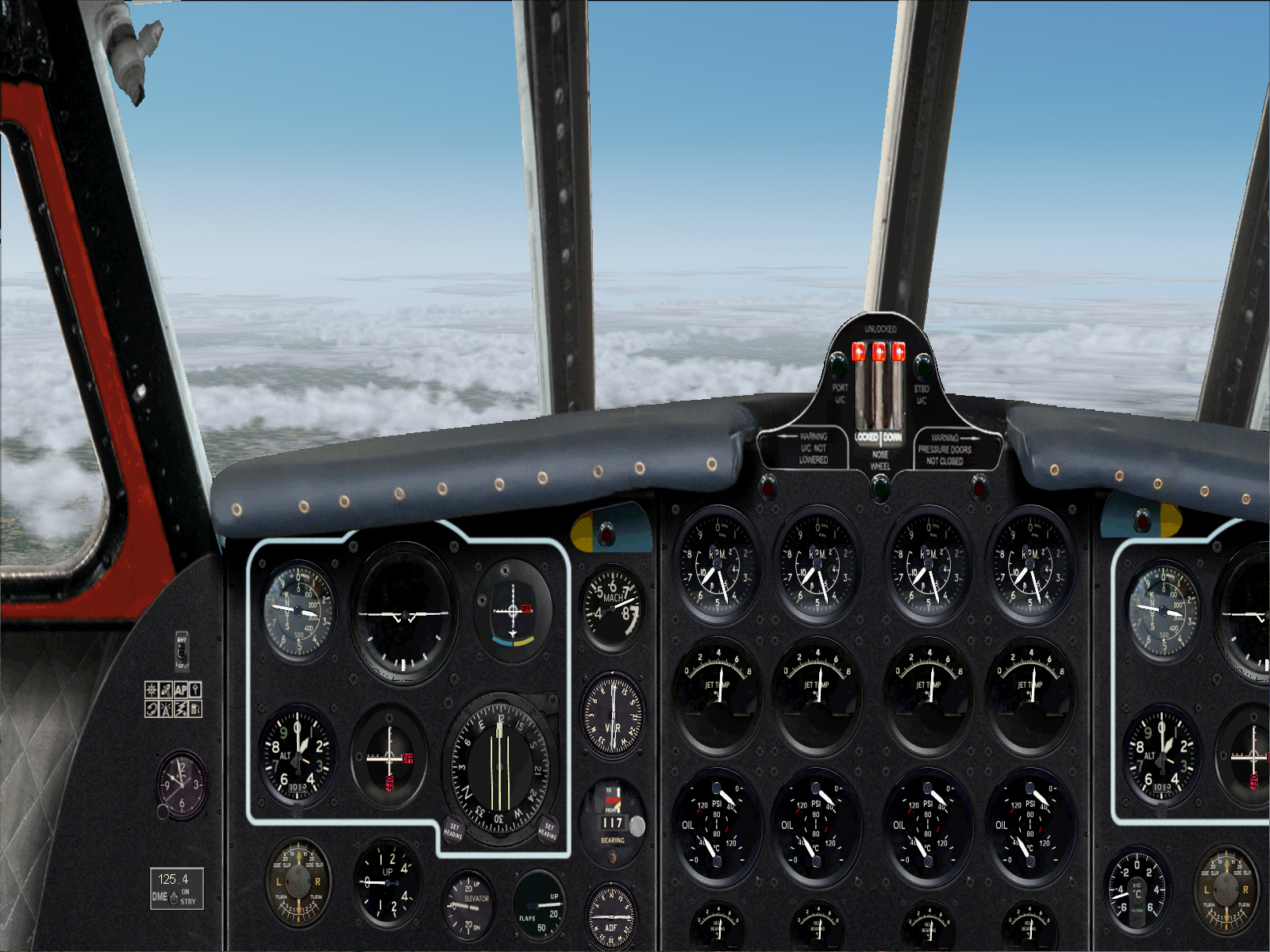
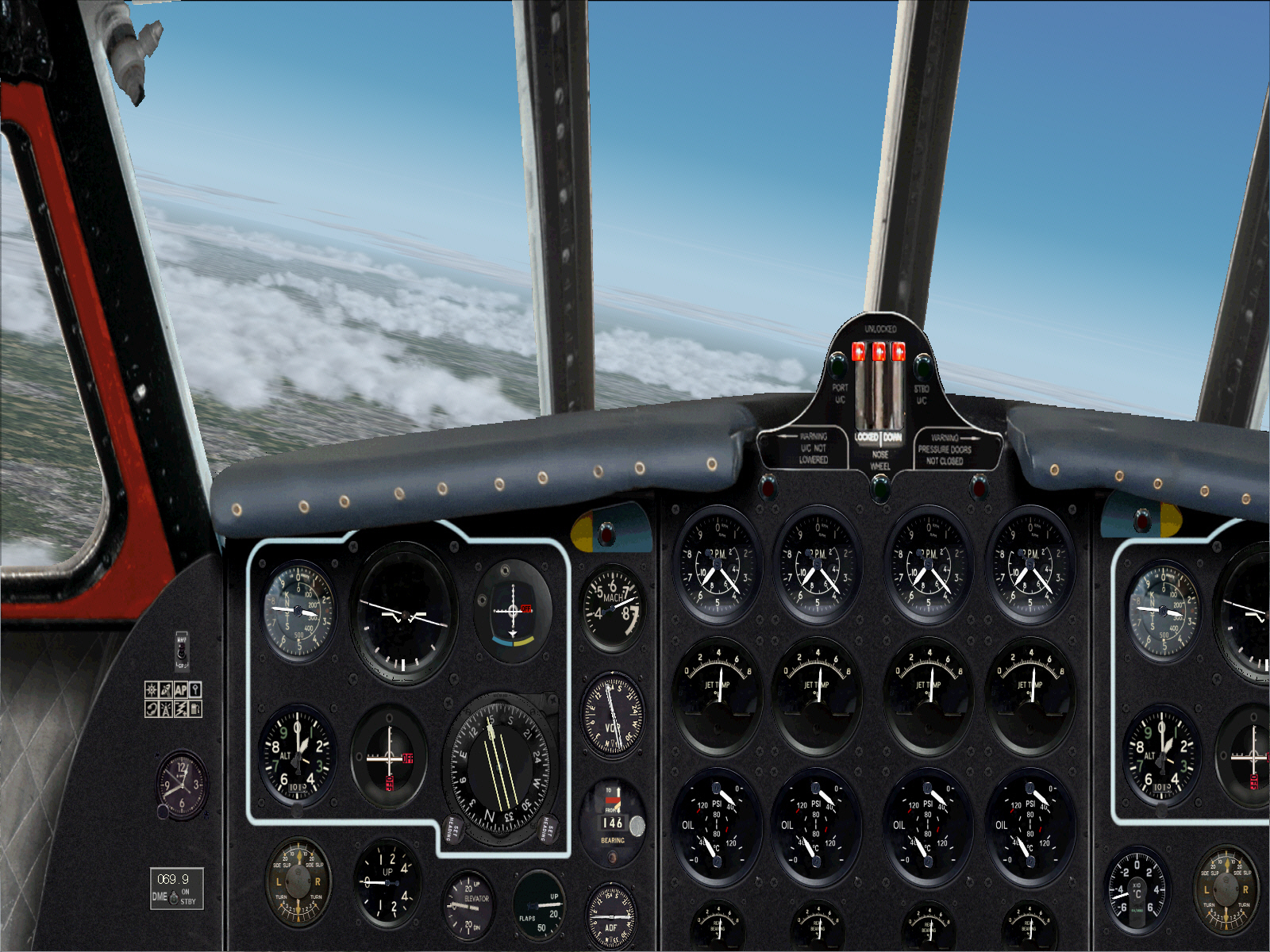
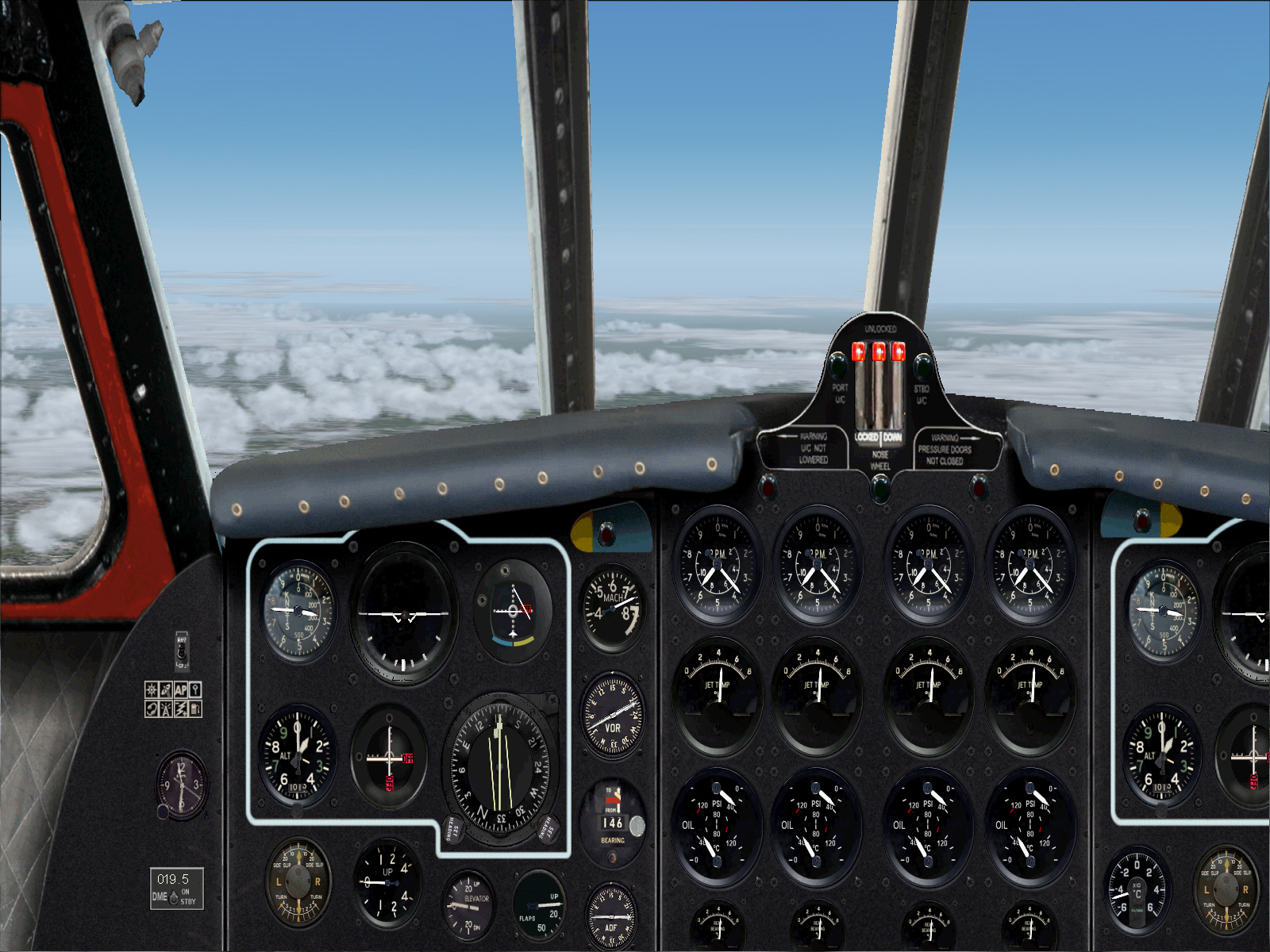
At cruising altitude (FL310), over central France, and intercepting the MOULIN VOR to track 111* towards PASSIERY VOR .... for the next 103 miles/DME ....

Image

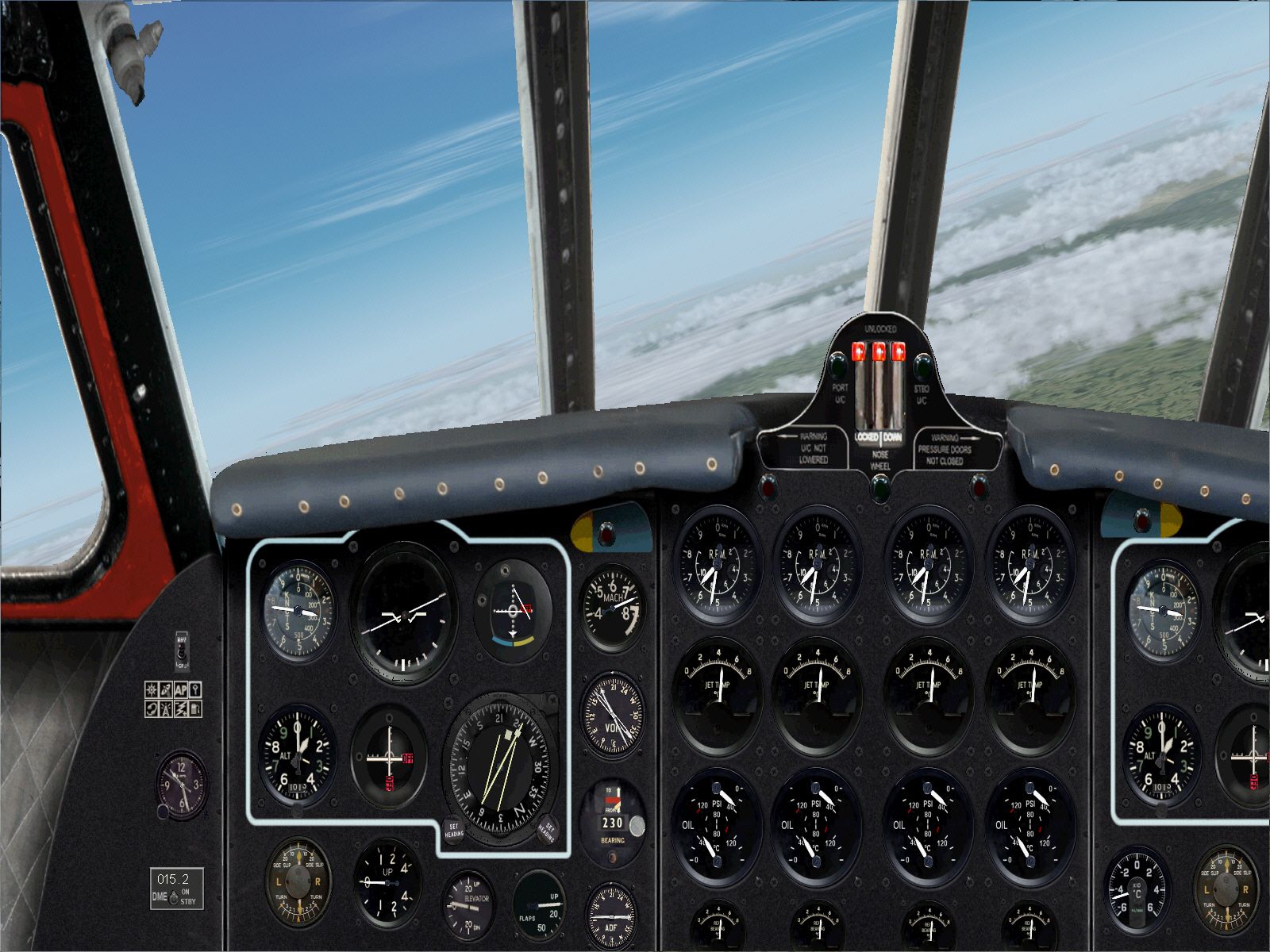
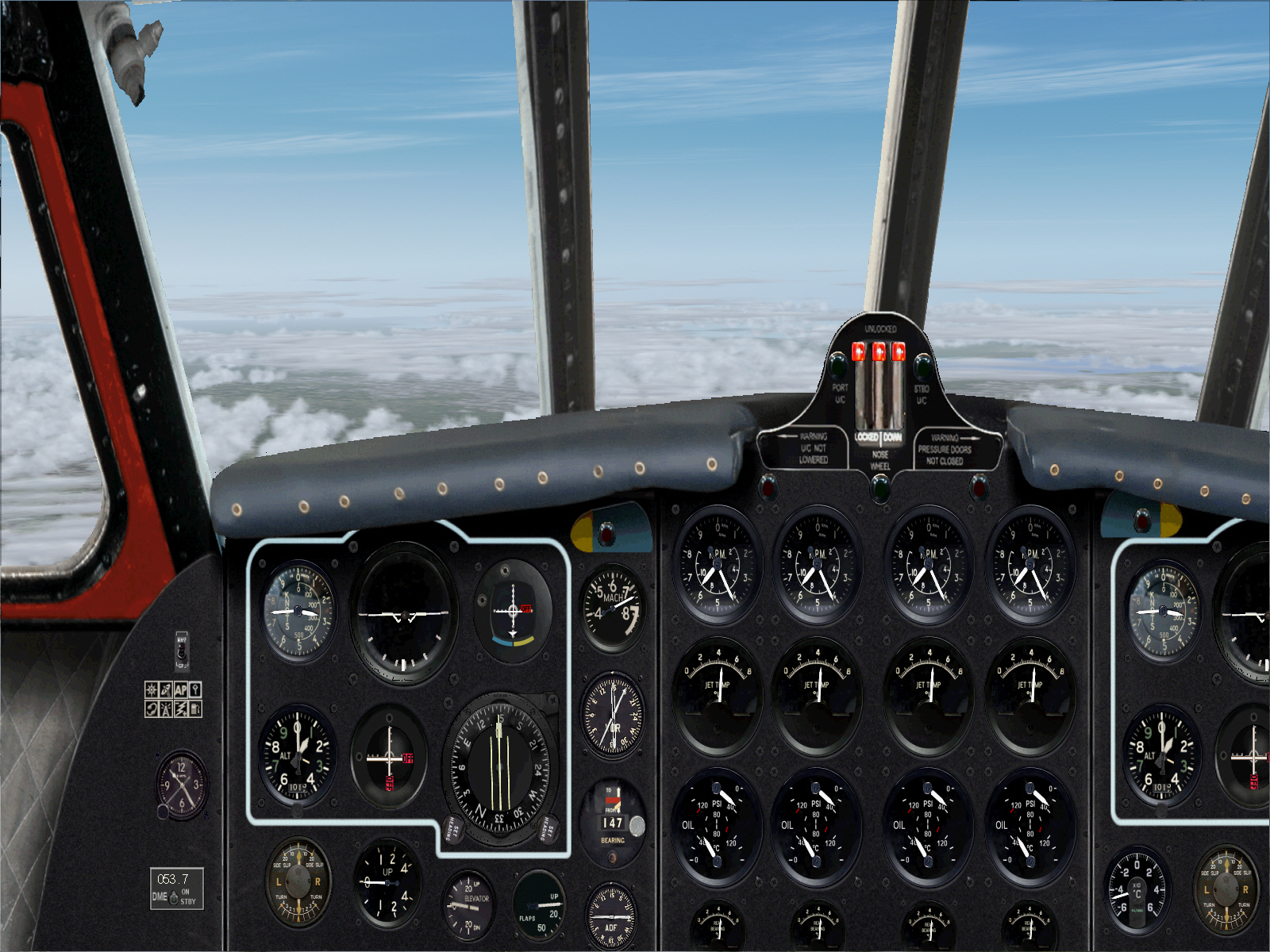
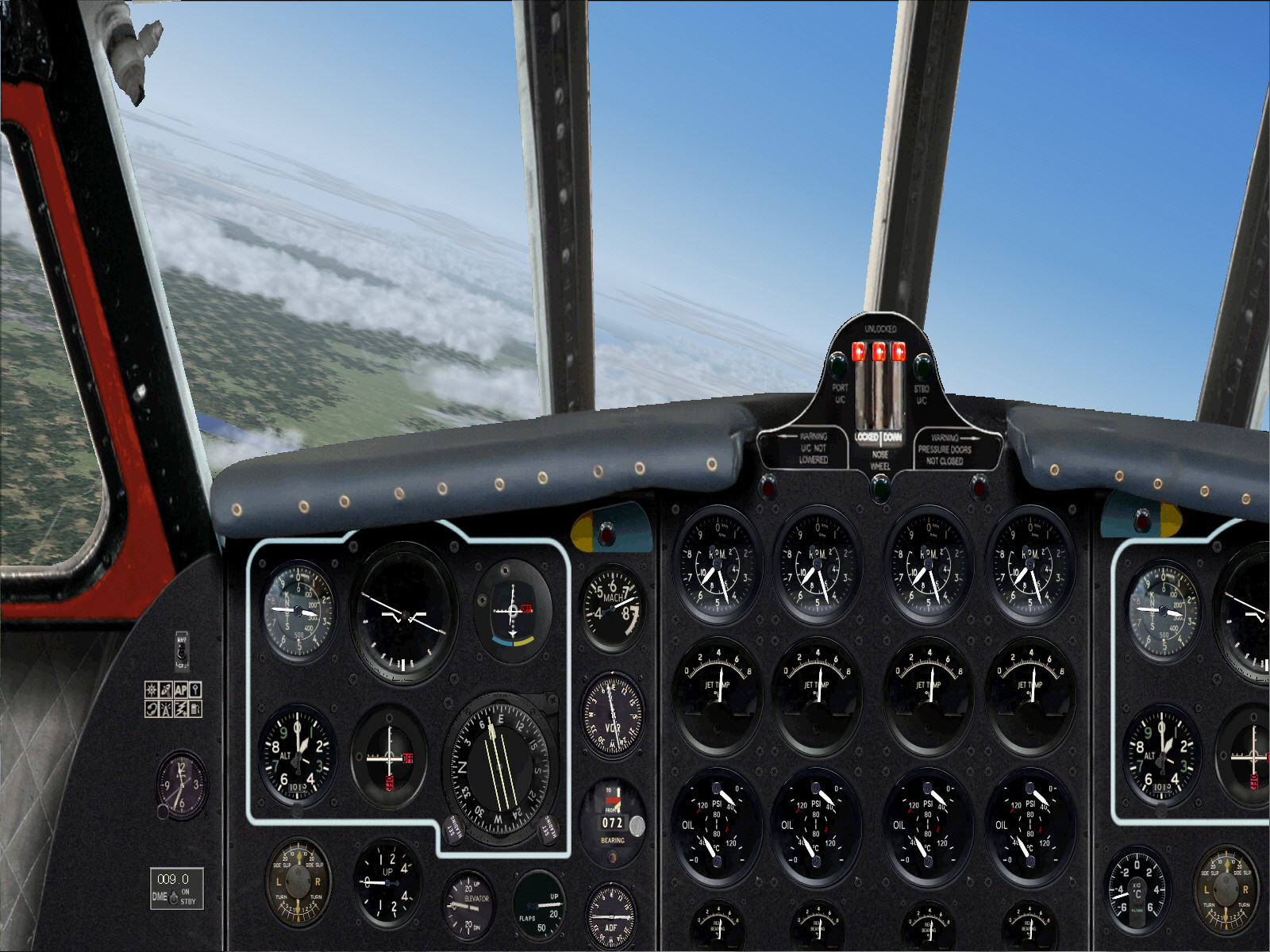
Intercepting PASSIERY VOR and with another course alteration .... to 134* over 39 miles .... in order to intersect and intercept the 169* radial from St.Prex located some 46 miles further north ....

Image

Image

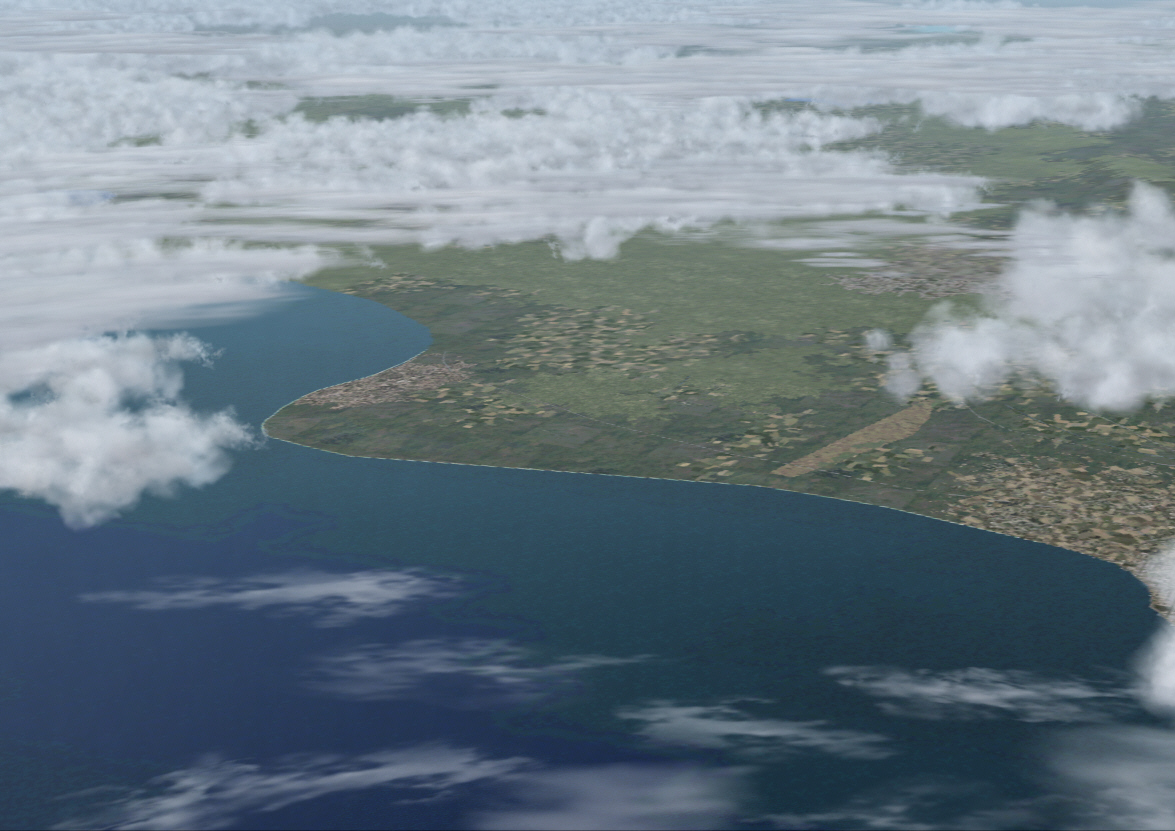
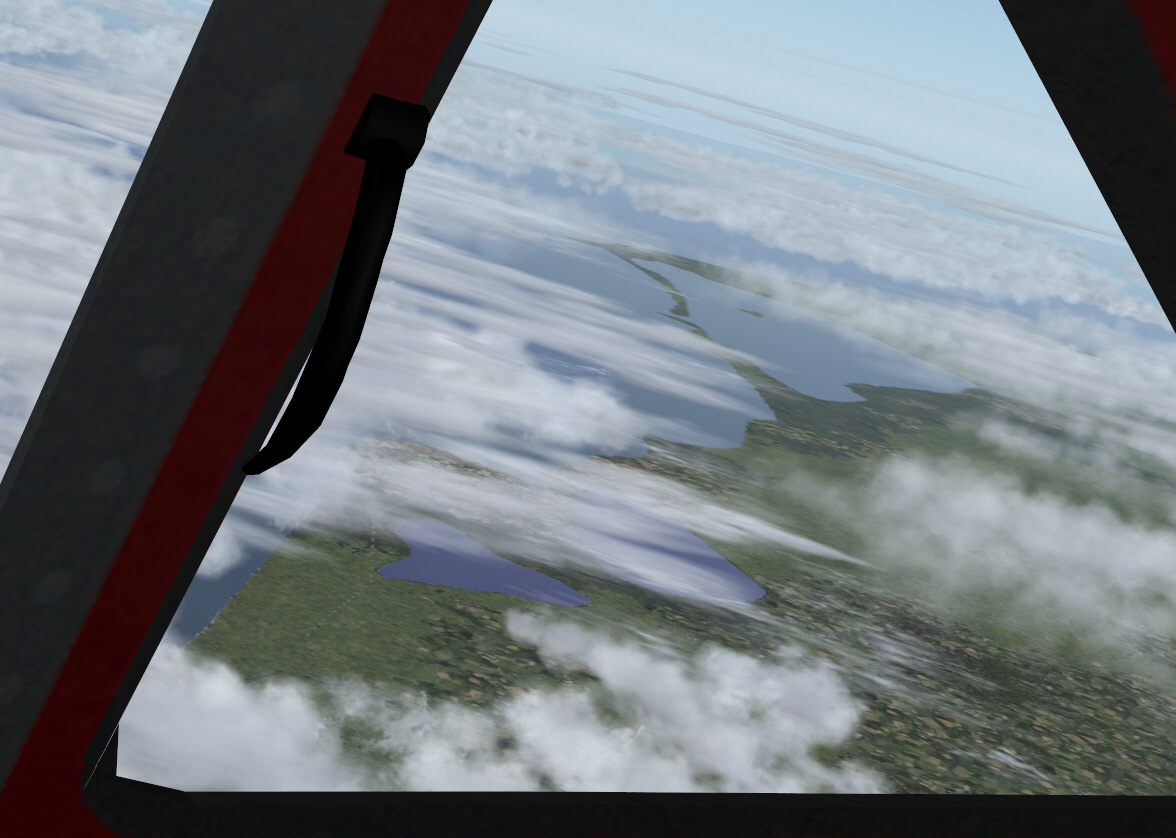
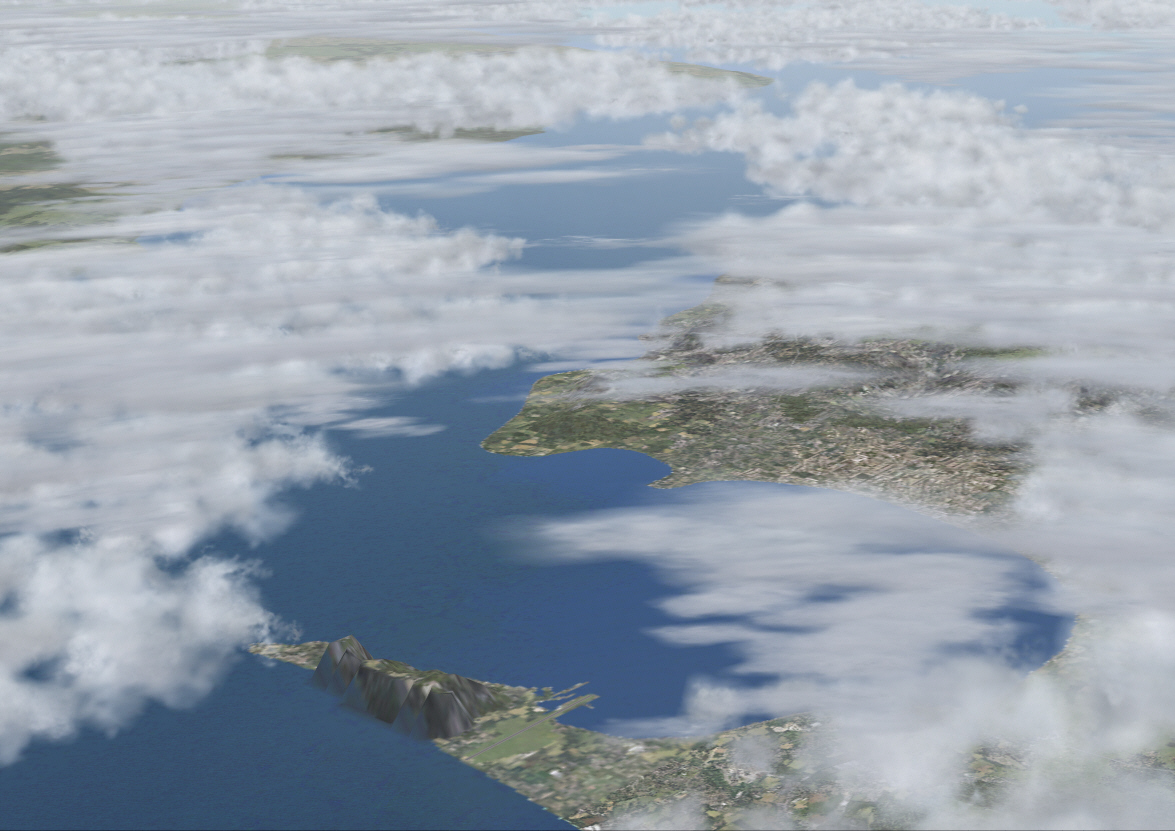
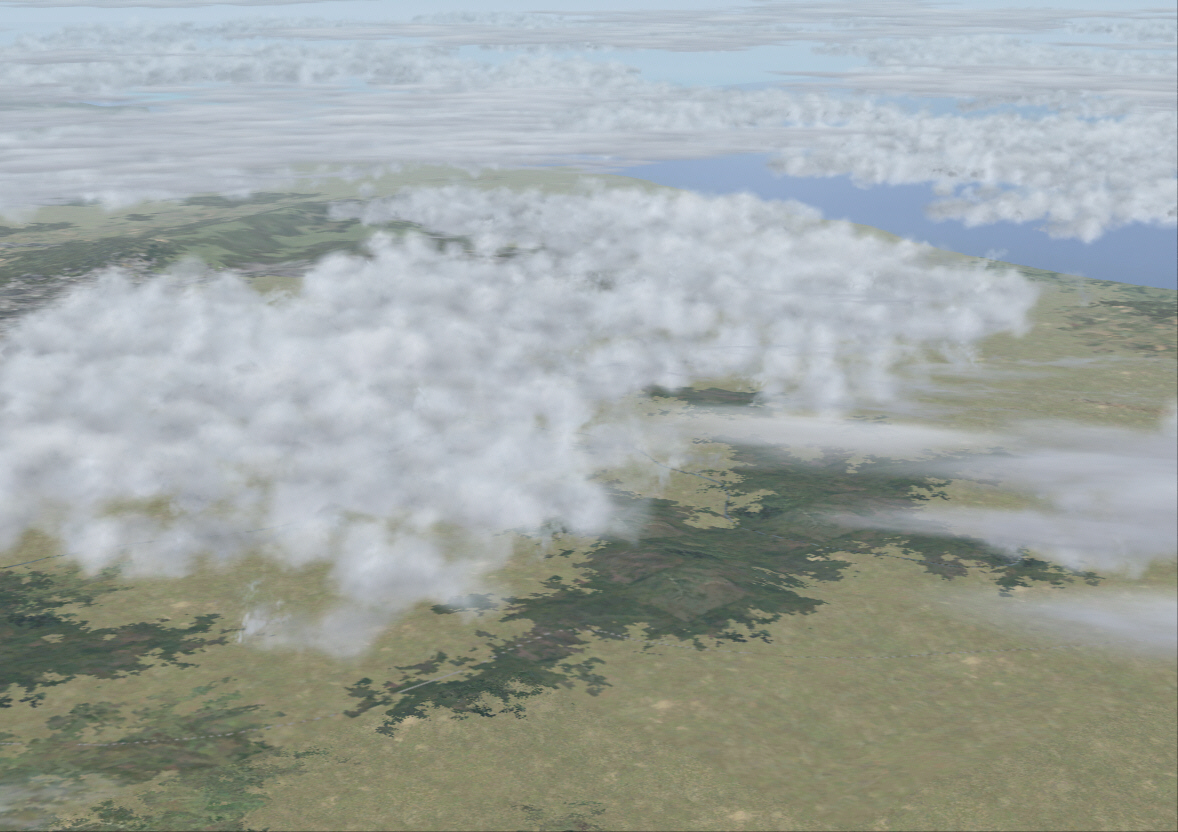
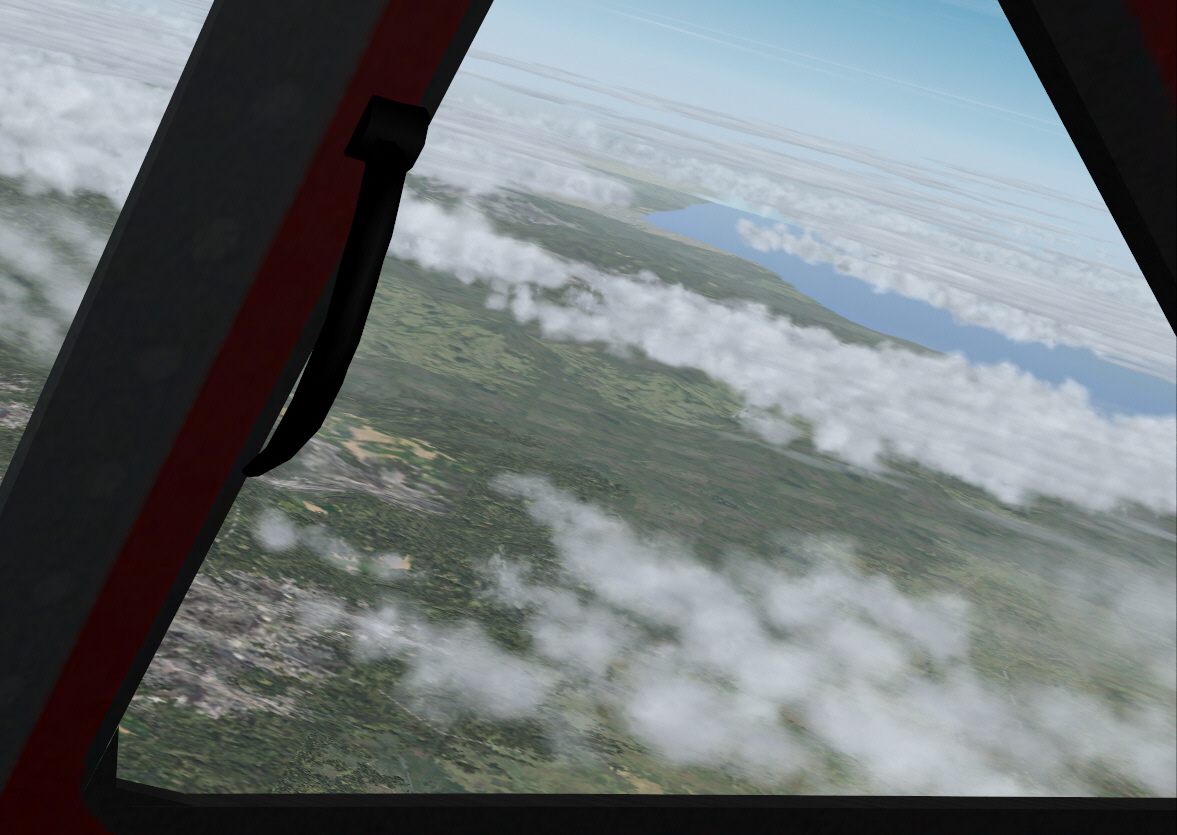
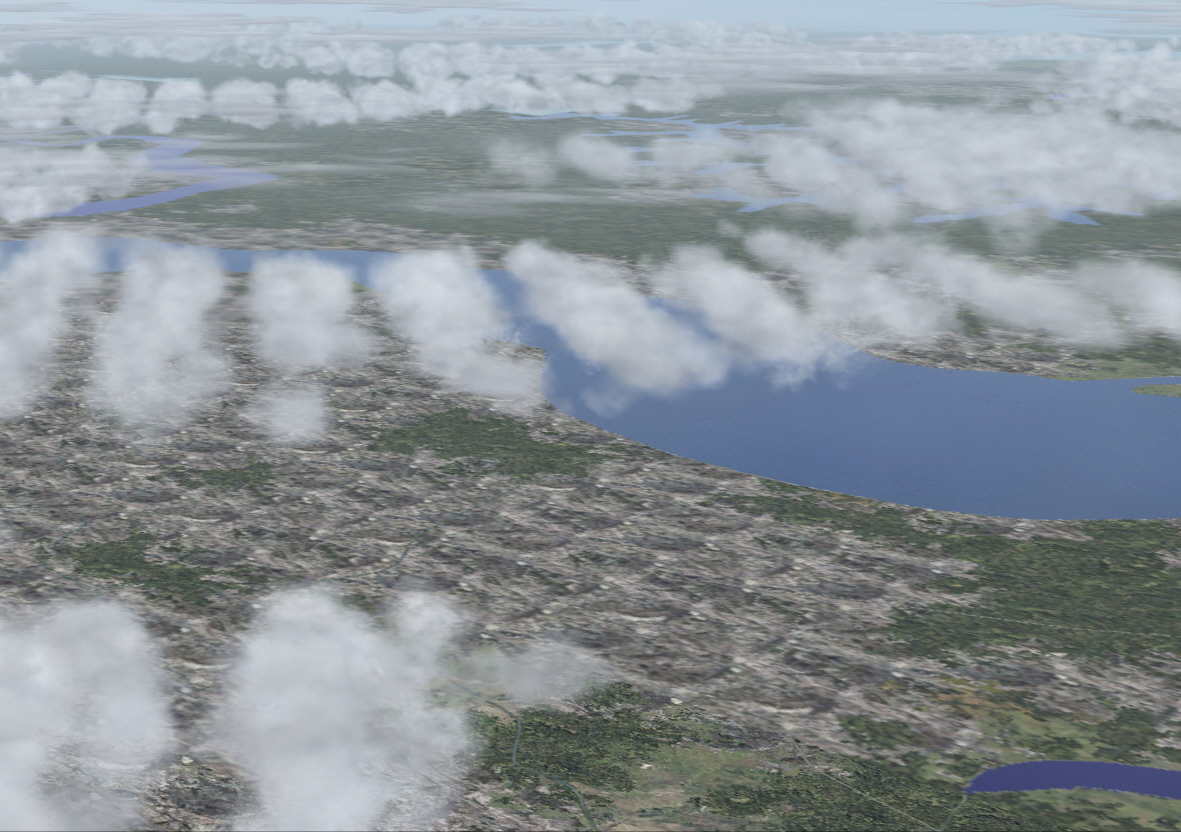
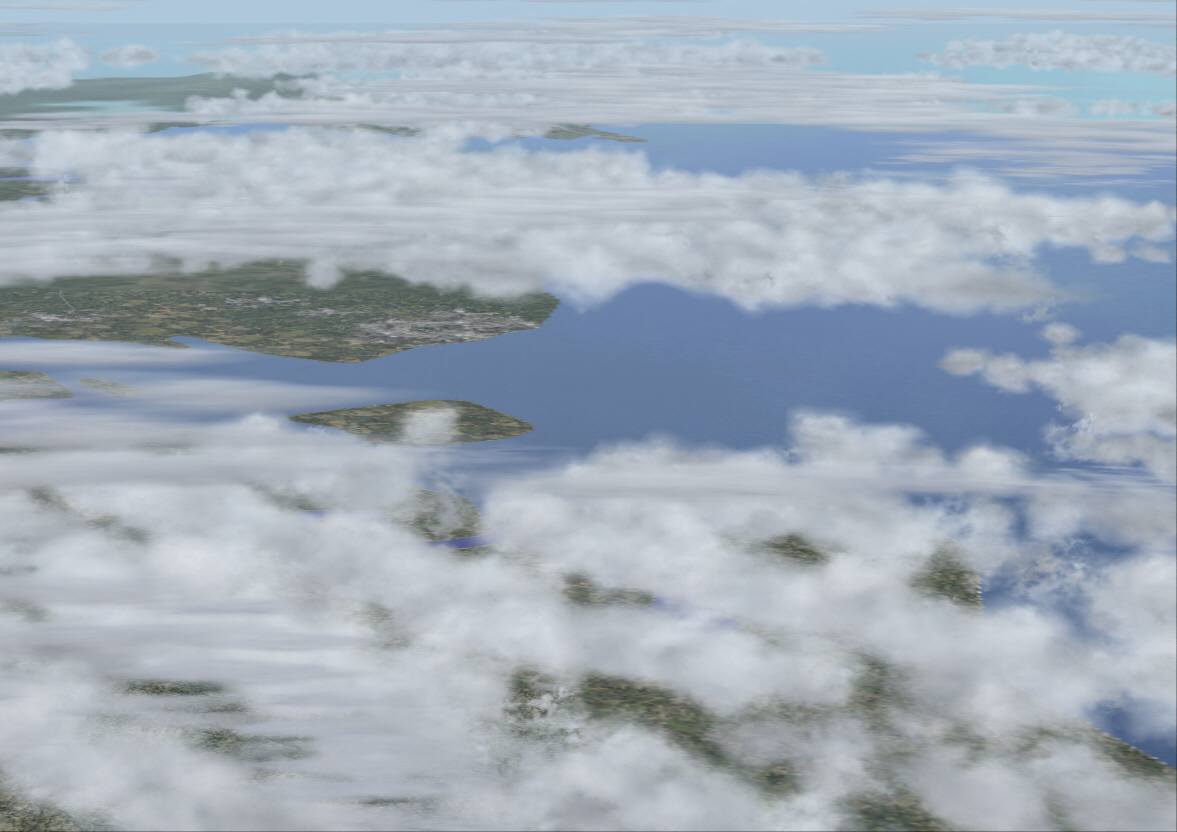
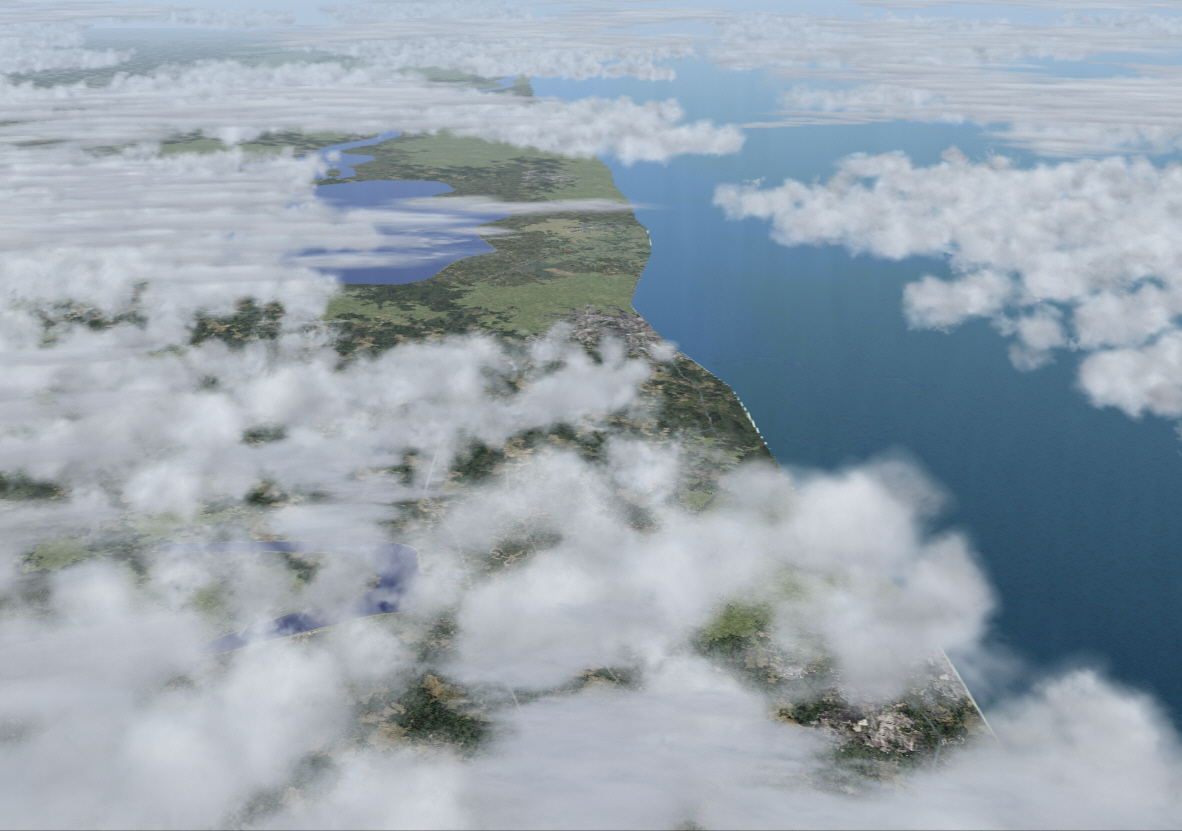
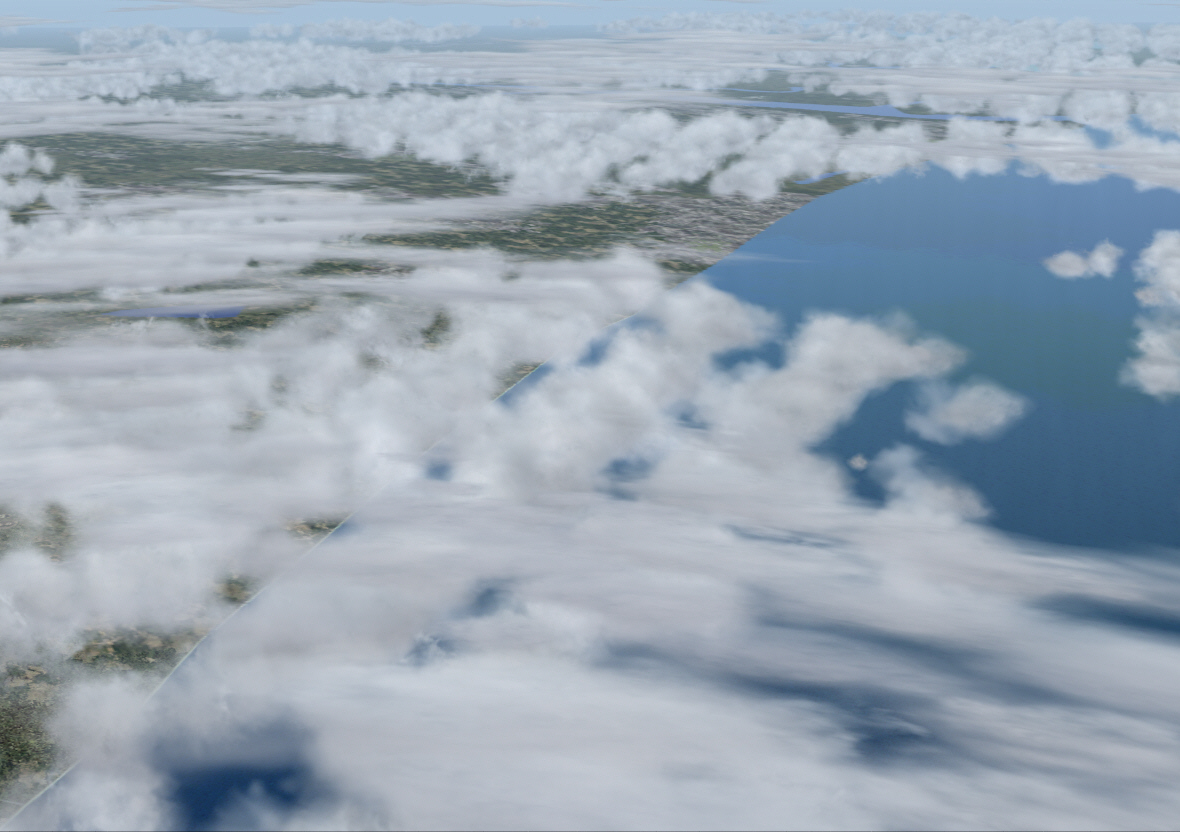
Tracking 134* from PASSIERY VOR (prior intersecting the 169* radial from ST.PREX for the final sector to Nice) .... and approaching Lake Geneva/Lake Lemon and France's alpine region near the Swiss border ....

Image

Image

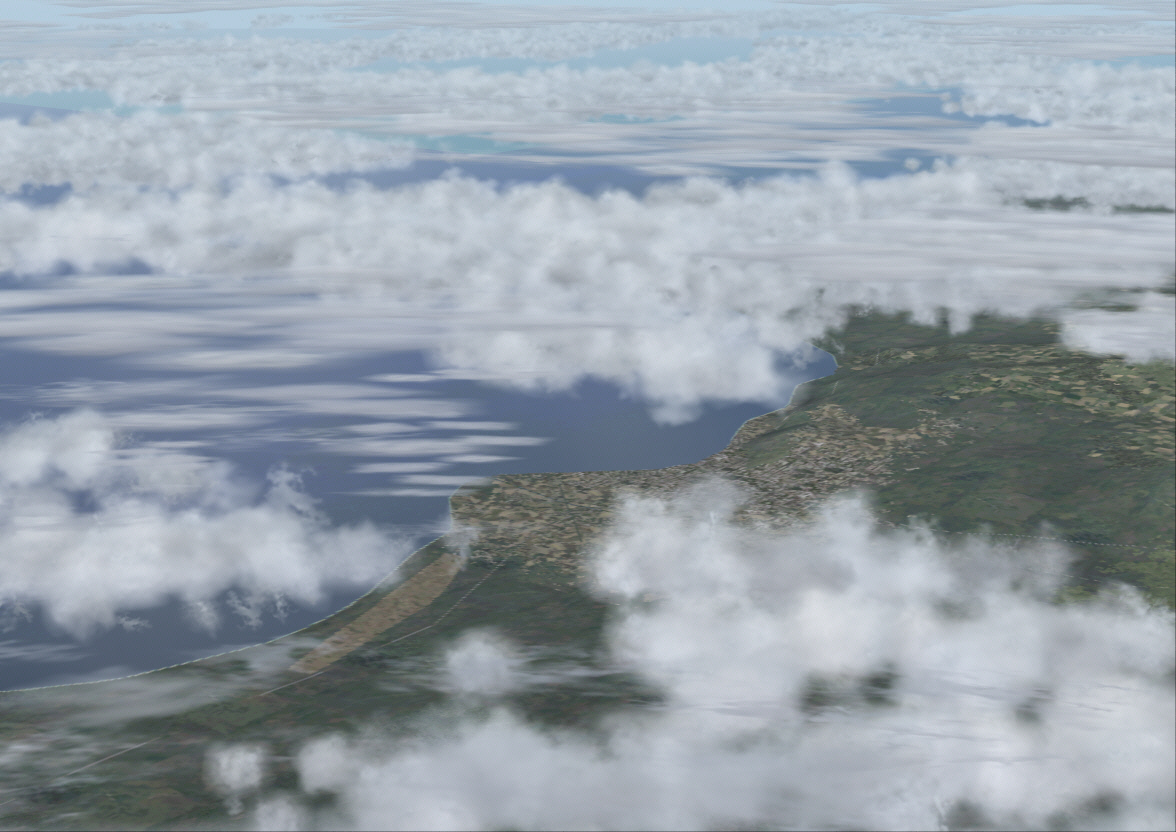
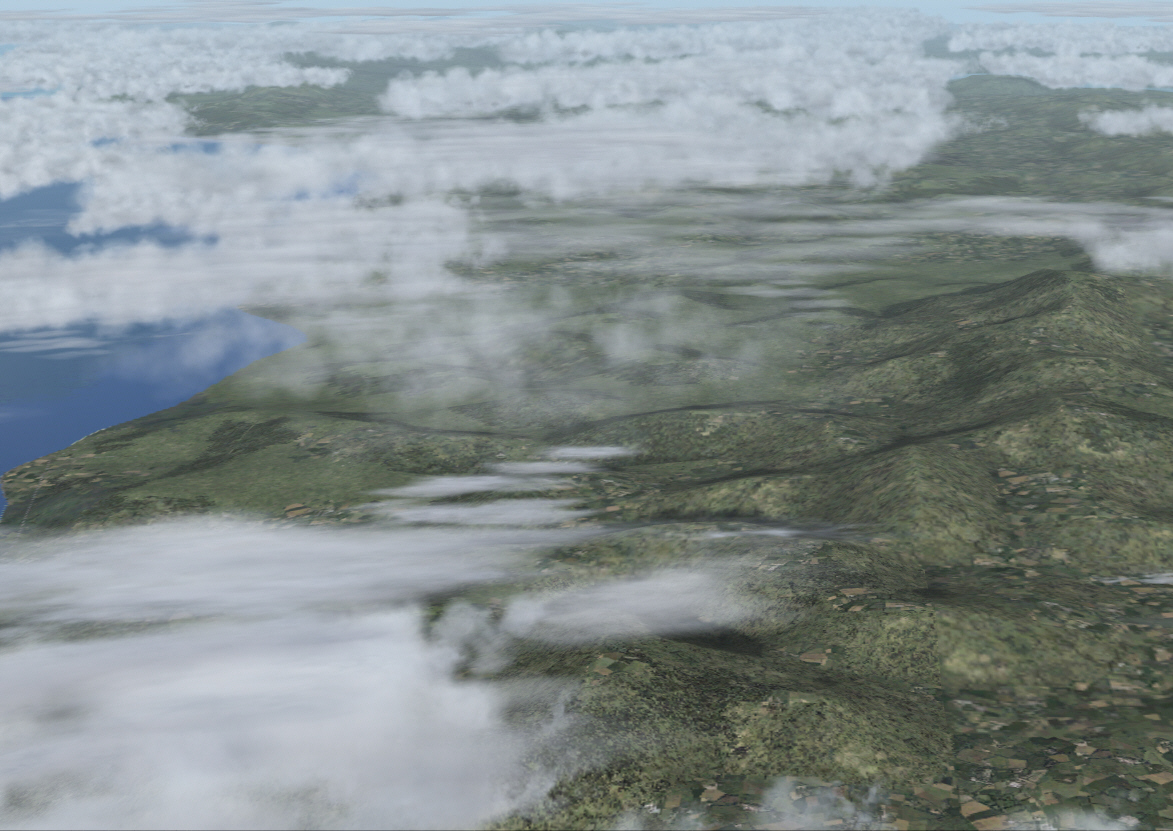
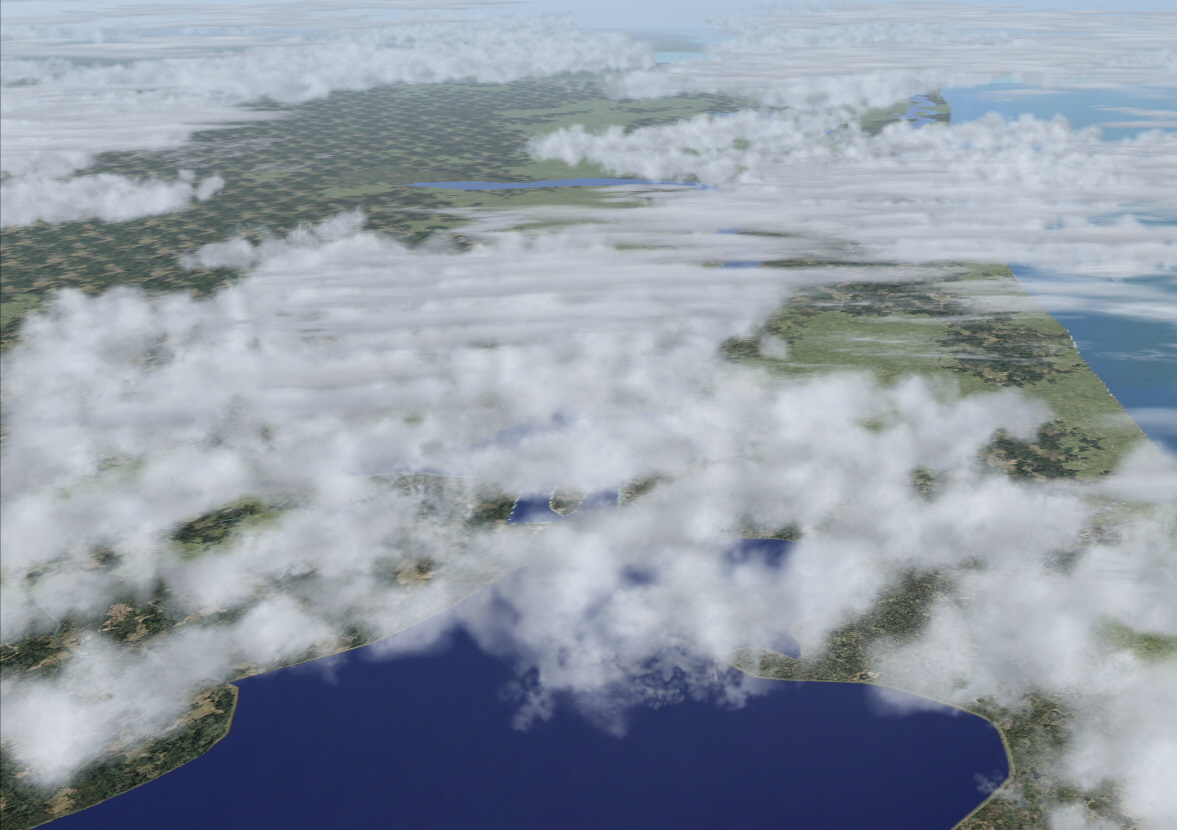
Intersecting and intercepting the 169* radial from ST.PREX VOR for the final 120 mile sector towards Nice .... once again overflying part of France's south-eastern alpine region along its eastern border with Switzerland ....

Image

Image

Image

Image

Image

TOD was commenced at 100 DME from Nice. Now well into the descent towards Nice/the French Riviera/Cote D'Azur ....

Image

Image

Image

Image

Image

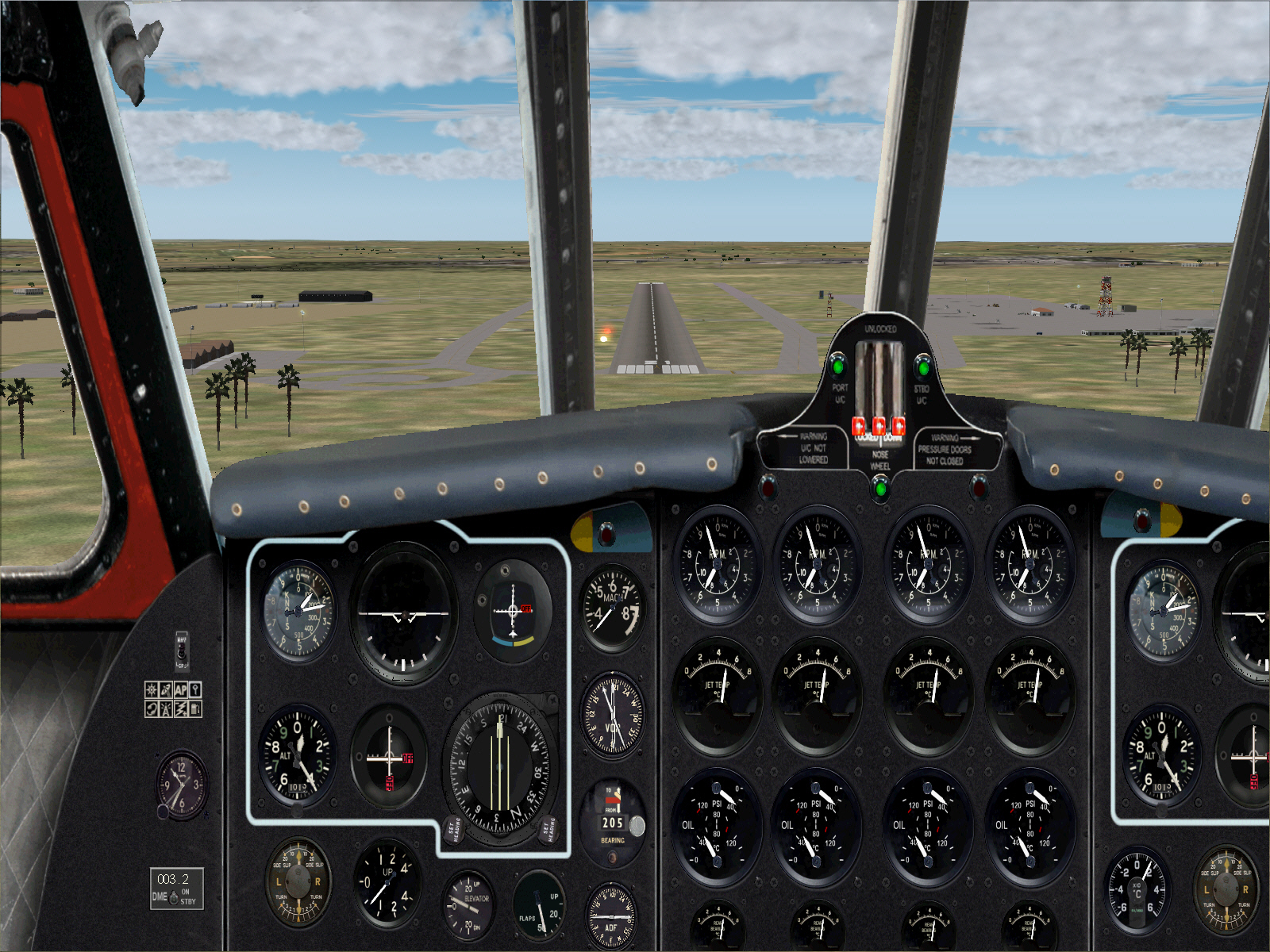
Intentions are to overfly the airport to the east and by some 5 DME out over the Mediterranean Sea whilst continuing descent to 2,500 FT .... turning right to a heading of 225* to fly parallel to the left of Nice's 04/22 RWY .... levelling-off at 2,500 FT during downwind leg of the approach .... flying downwind on for approximately 15 DME prior to executing a 90* right turn to 315* for the base leg .... with an eventually right turn to 045* for the final approach to Nice's RWY 04 (1960 scenery .... featuring a single RWY with no ILS/GS) .... and for completely manual/hand flown ADF approach to landing.

Turning to 225" for the base leg prior commencing the approach to landing ....

Image

Image

Commencing the final approach to landing ....

Image

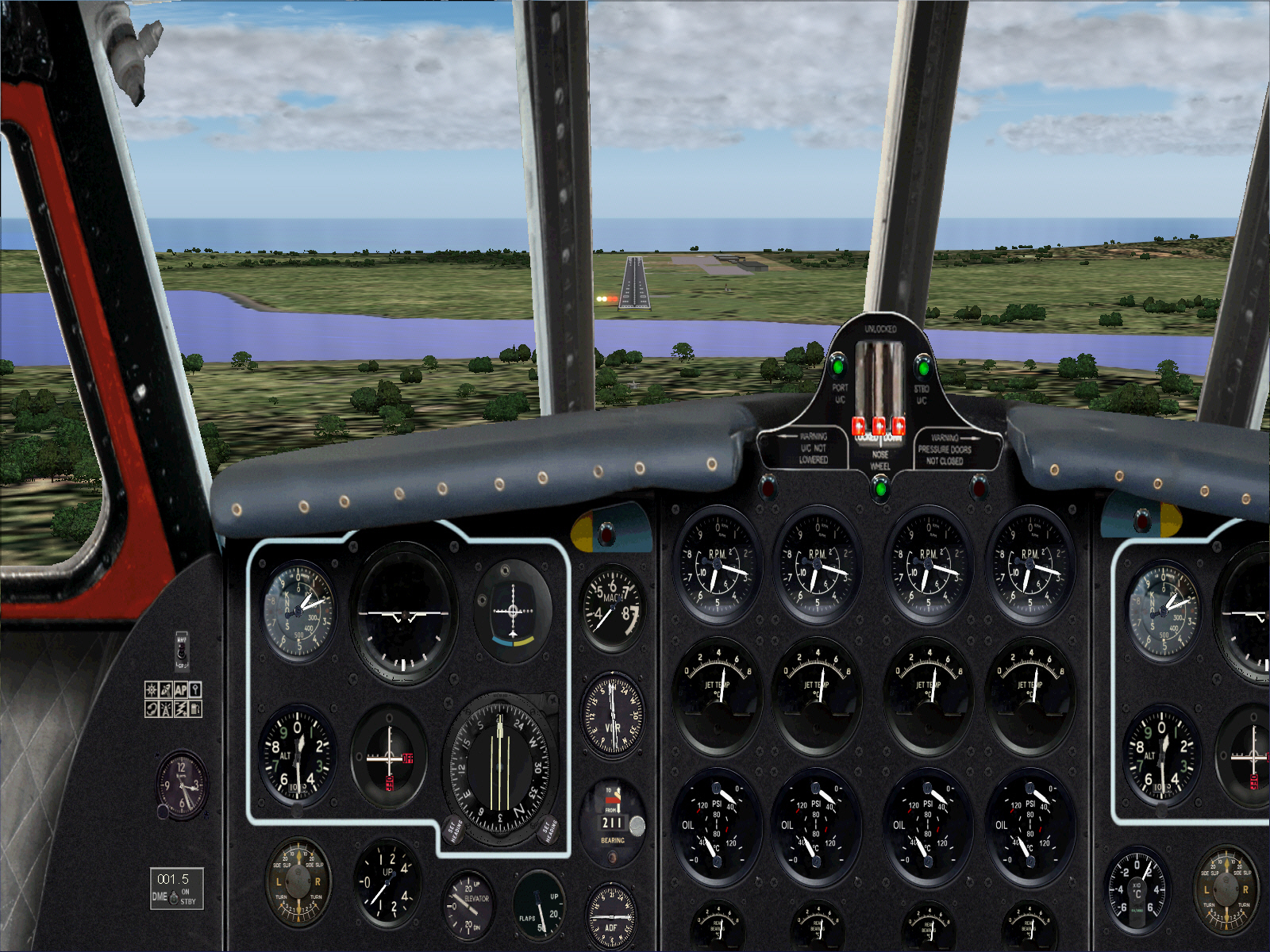
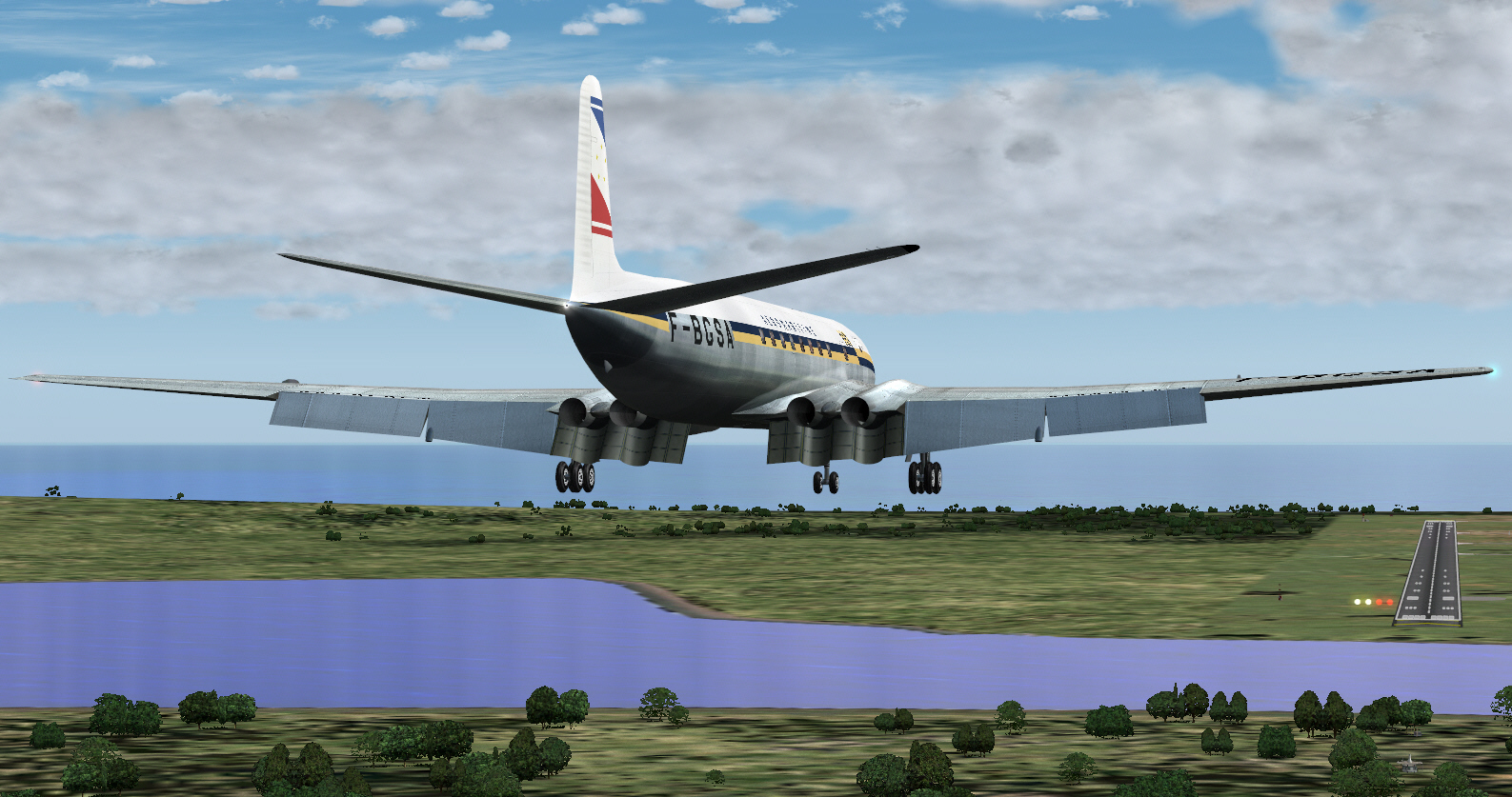
On final approach to landing ....

Image

Image

Image

Landing on Nice's RWY 04 ....

Image

Image

Image

AND .... concluding with a very late afternoon arrival at Nice's Cote D'Azur Terminal on the French Rivera .....

Image

A short flight .... but an enjoyable one. Whilst all flight details have been quite meticulously recorded (in regard to weight, altitude, airspeed, and routing .... I purposely neglected commenting in relation to the actual logged blox-to-blox air time (a wee bit too bit awkward through constant pausing and view axis changes for the sake of image making), but, total inflight time was in the vicinity 1 hour .... and a bit.

The next sector will be "quite challenging" .... in terms of how I (again) prefer/like to handle navigation as well it also being the longest virtual flight/sector I've ever done in FS .... certainly the longest virtual COMET flight I've ever undertaken in FS9

Mark C
AKL/NZ
Last edited by aerofoto on Sat May 09, 2026 4:10 am, edited 1 time in total.
aerofoto
2nd Lieutenant
2nd Lieutenant
 
Posts: 84
Joined: Mon Feb 19, 2018 3:48 pm

Re: UAT AEROMARITIME - Paris To Brazzaville 1953

Postby aerofoto » Sat May 09, 2026 3:59 am

AND .... now for the 2nd sector of this UNION AEROMARITIME DE TRANSPORT 1952/53 COMET IA classic route re-enactment from Paris to Kano .... via Nice, Casablanca, and Dakar.

This particular sector will operate from Nice/Cote D'Azur Airport on the Mediterranean French Riviera to Anfa Airport, Casablanca, Morocco.

This is not only the longest, but (as things came to pass) it also became "the most challenging" sector, so far, of this classic route re-enactment .... for a number of technical/preparatory reasons which I'll divulge as this report progresses.

For starters: I have RW (early 1990's dated) charts which covered my intended route "as far as southern Spain", but, as useful as this data usually is .... "AU CONTRAIRE" :( :) .... it can also sometimes tend to be less useful if FS does not support some anticipated/needed NAV aids and other related references of navigational importance. This turned out to be "the case" on 2 separate occasions in relation to the particular route I "intended flying" during this sector .... although this first situation did not became apparent until shortly after departing on this exercise. Fortunately I had 2 almost faultless backups at my disposal and which saved the day/got me out of trouble before I could really get myself into it .... BUT AGAIN .... I'll comment on the specifics of all this as I report here-in.

This exercise (too) was intended to be navigated VOR/VOR "as much as is possible" .... originally planned to use VOR's located at NICE, CANNES, LE LUC, and MARSEILLE along southern France's Mediterranean coast (again my original departure plan) .... before striking out S/SW over the Mediterranean Sea to utilize the MANORCA, PALMA DE MALLORCA, and IBIZA VOR's of the Baleares Islands group .... then trending W/SW toward mainland Spain to take advantage of the ALICANTE, ALMERIA, MALAGA, and GIBRALTAR (actually a British overseas territory :) ) VOR's located along the eastern and southern Mediterranean coast of Spain .... and which is also where my RW charts concluded. From Gibraltar I intended plotting a track S/SW into north-western Africa (not difficult considering width of the Gibraltar Straight ranges from only 8-26 miles at its narrowest/widest extremities respectively) .... and then onward to Casablanca on Morocco's western/Atlantic coast some 200/230 miles S/SW of Gibraltar.

The route I opted flying covered some 1,068 miles .... about 3 hours (or so) flying time for the COMET IA. I calculated fuel requirements (with adequate reserves) to be 31,905 lbs. With this fuel loading, and simulating a full PAX/payload too, the virtual COMET's GW for this particular flight was 100,265 lbs .... the heaviest (yet) of any of my virtual COMET flights, but, still some 14,735 lbs below the COMET IA's certified MGW of 115,000 lbs. FL310 was my intended cruising altitude and at MACH 0.73. I could have opted to go higher around mid way into this flight .... given the distance being flown .... but ultimately decided not to bother. Incidentally and on an aside: These COMET IA simulations can be flown faster than MACH 0.73, but, my preferred speed was purely in the interests of "economic performance" .... and in any case the faster these virtual COMET's go (in fact the faster any FS aircraft is flown) then the more their nose/pitch attitude will reduce with accumulated airspeed .... ultimately to the point of realizing an absolutely flat/level cruise profile but which is precisely what I didn't want. A limitation of FS during AP controlled high speed/high altitude flight is the nose/pitch attitude of any simulation cannot be further "subtly trimmed-up" .... beyond the extent of its compiled flight characteristics. One can opt to maintain an AP controlled 100 FPM ROC throughout the duration of simulated high altitude cruise though .... if one desires .... in order to raise the nose/pitch attitude slightly (as CONCORDE is flown), however, doing so also then increases fuel burn too due to greater power being required to maintain a desirable constant airspeed throughout such a cruise/climb process .... merely oriented toward raising a simulations nose/pitch attitude slightly (just not economic if "economy" is one's priority or instilled discipline :) ).

ANYWAY .... time to get underway

A "very early morning" departure from Gate #4 at the (1960 era) Nice Cote D'Azur Airport ....
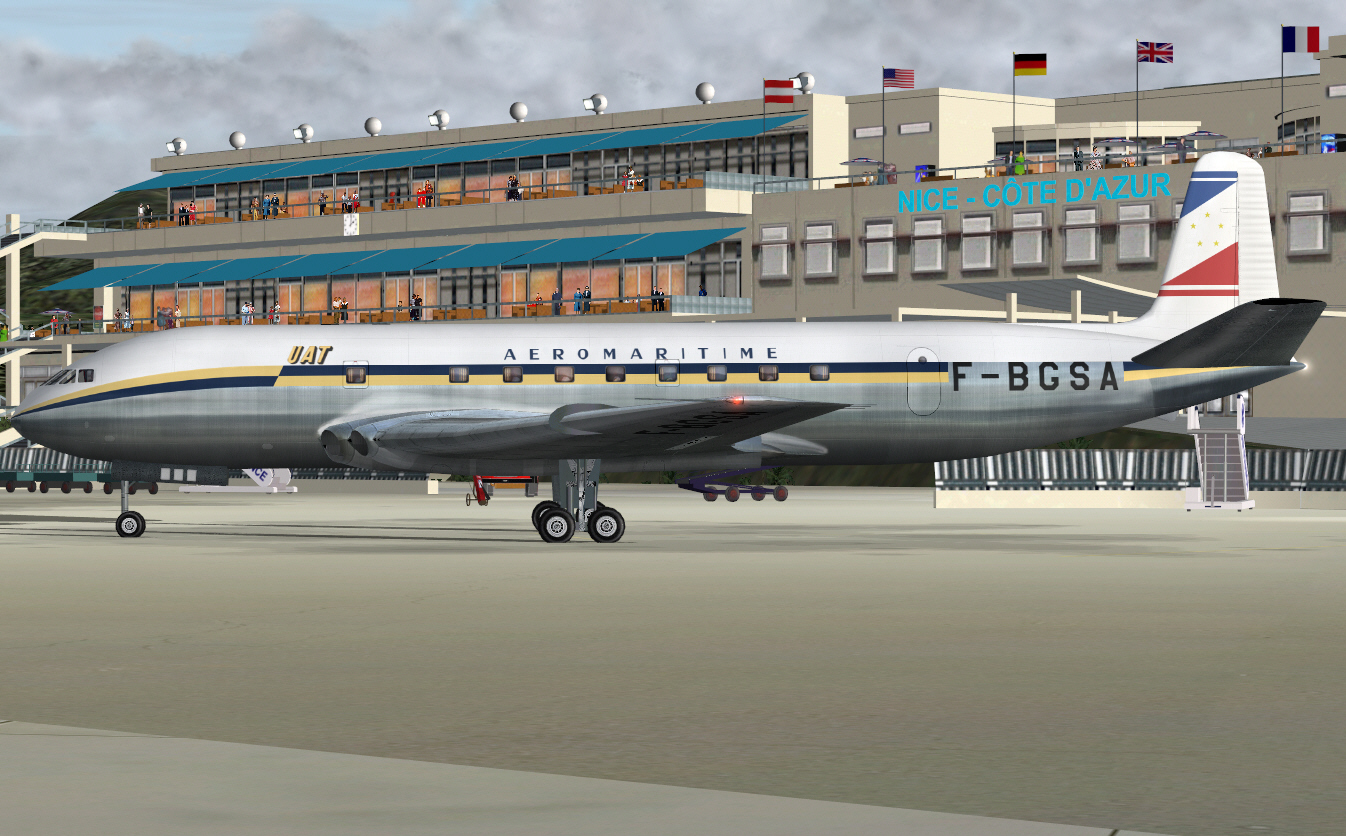
Image

All set for this "very early morning" blast off .... about to depart Nice Cote D'Azur's RWY 04 ....
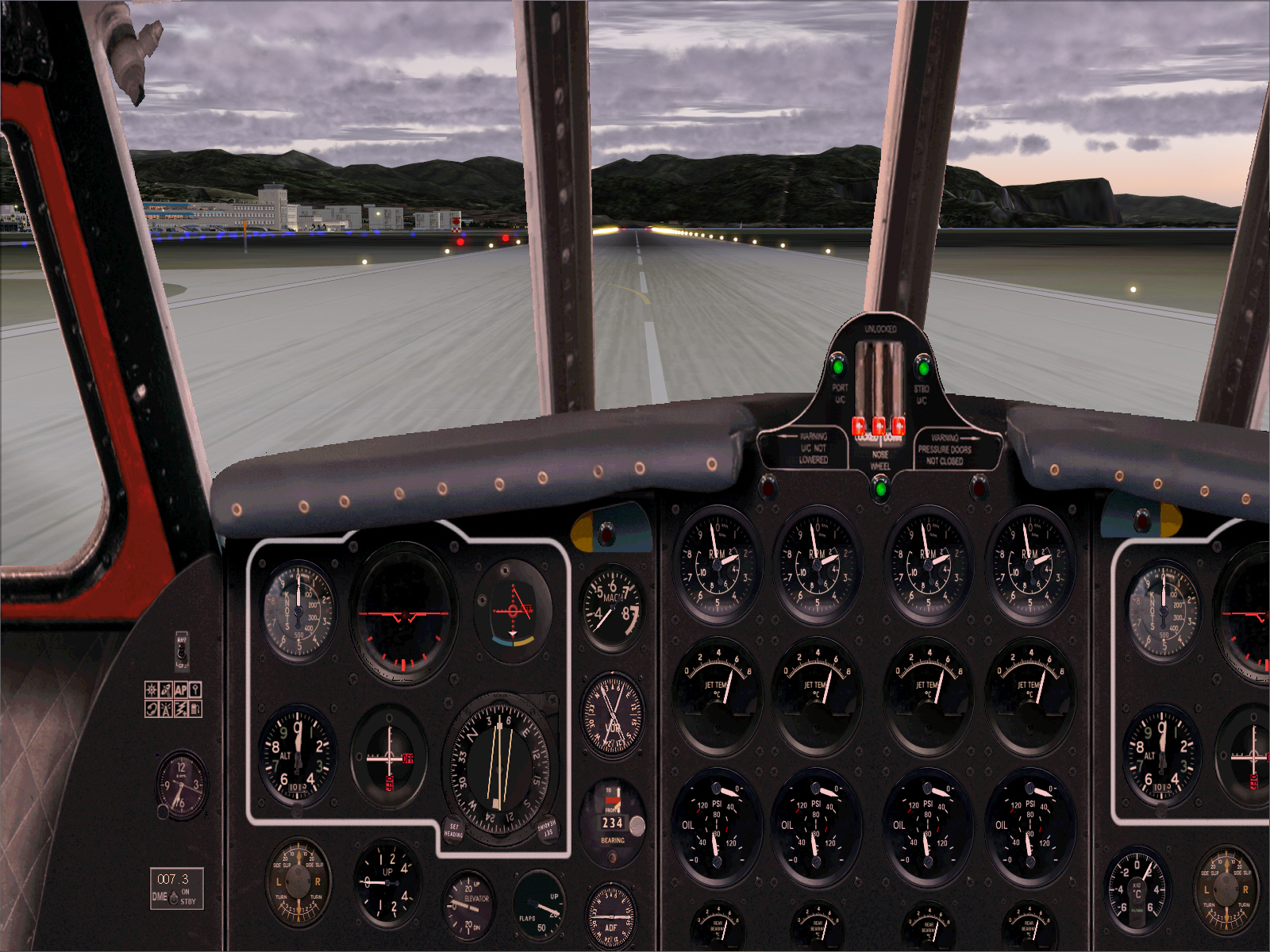
Image

Nothing like virtually waking up half of southern France/the Mediterranean French Riviera at 06:35 in the morning .... through subjecting the local population to "pure undiluted COMET DH GHOST turbojet engine induced racket/noise" .... OOH LA LA ! ....
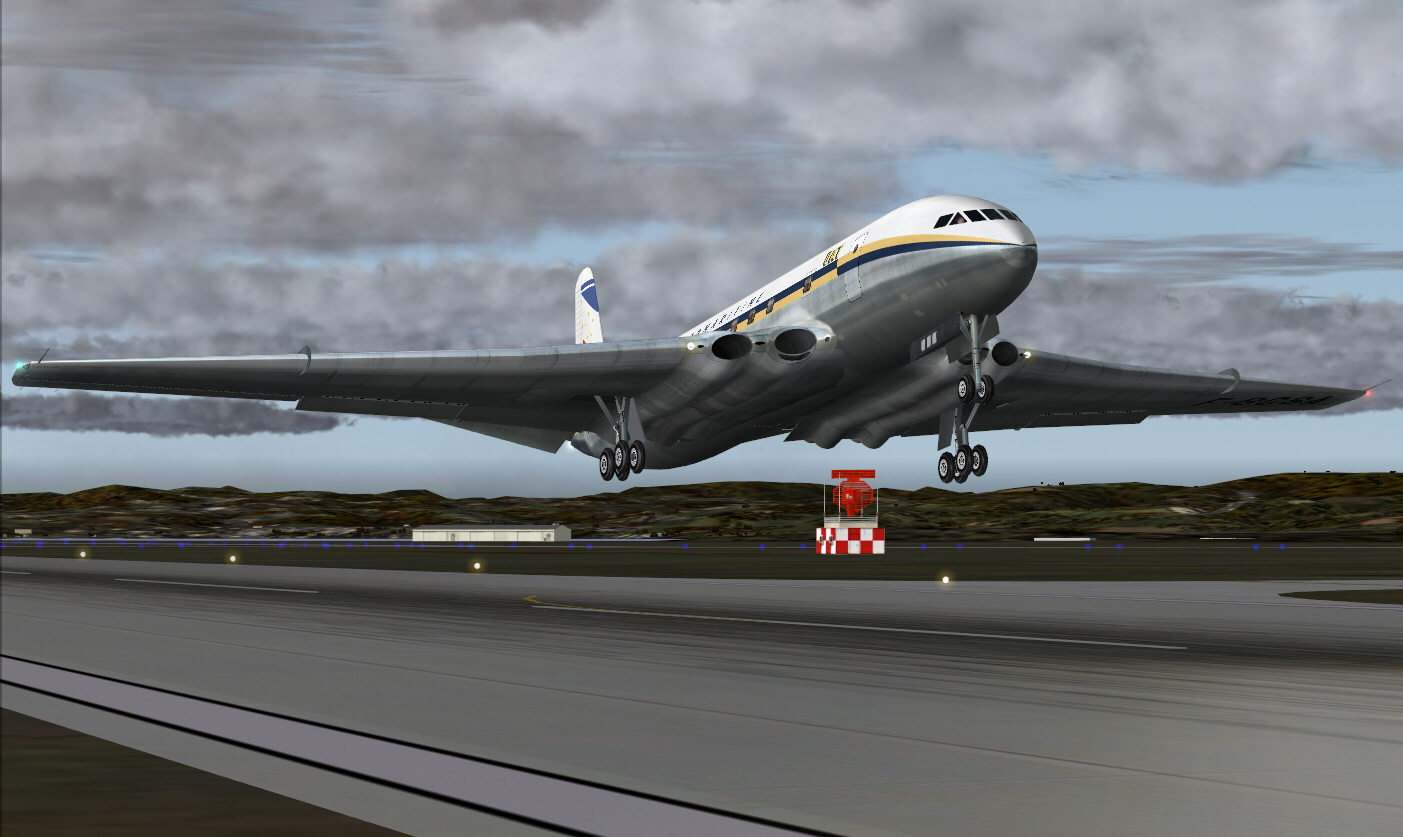
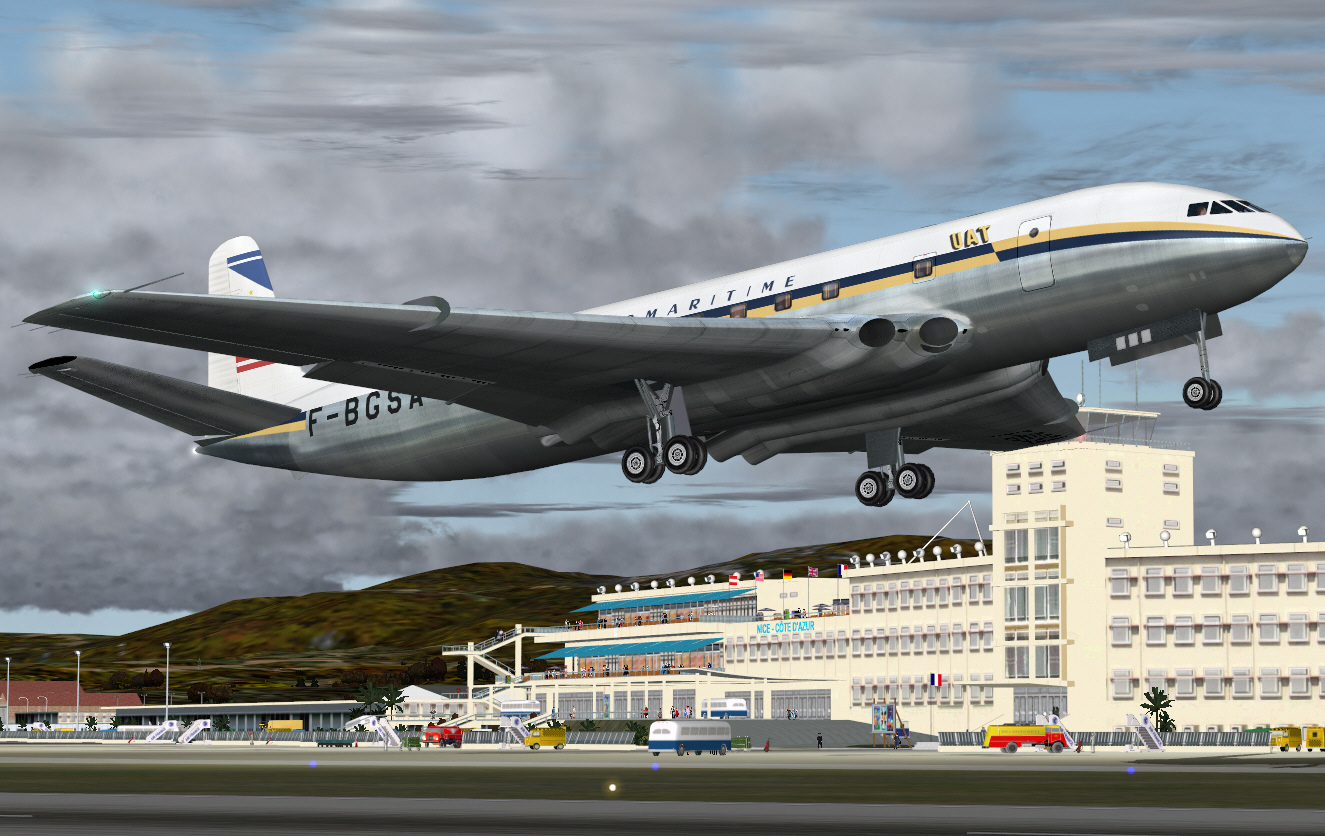
Image

Image

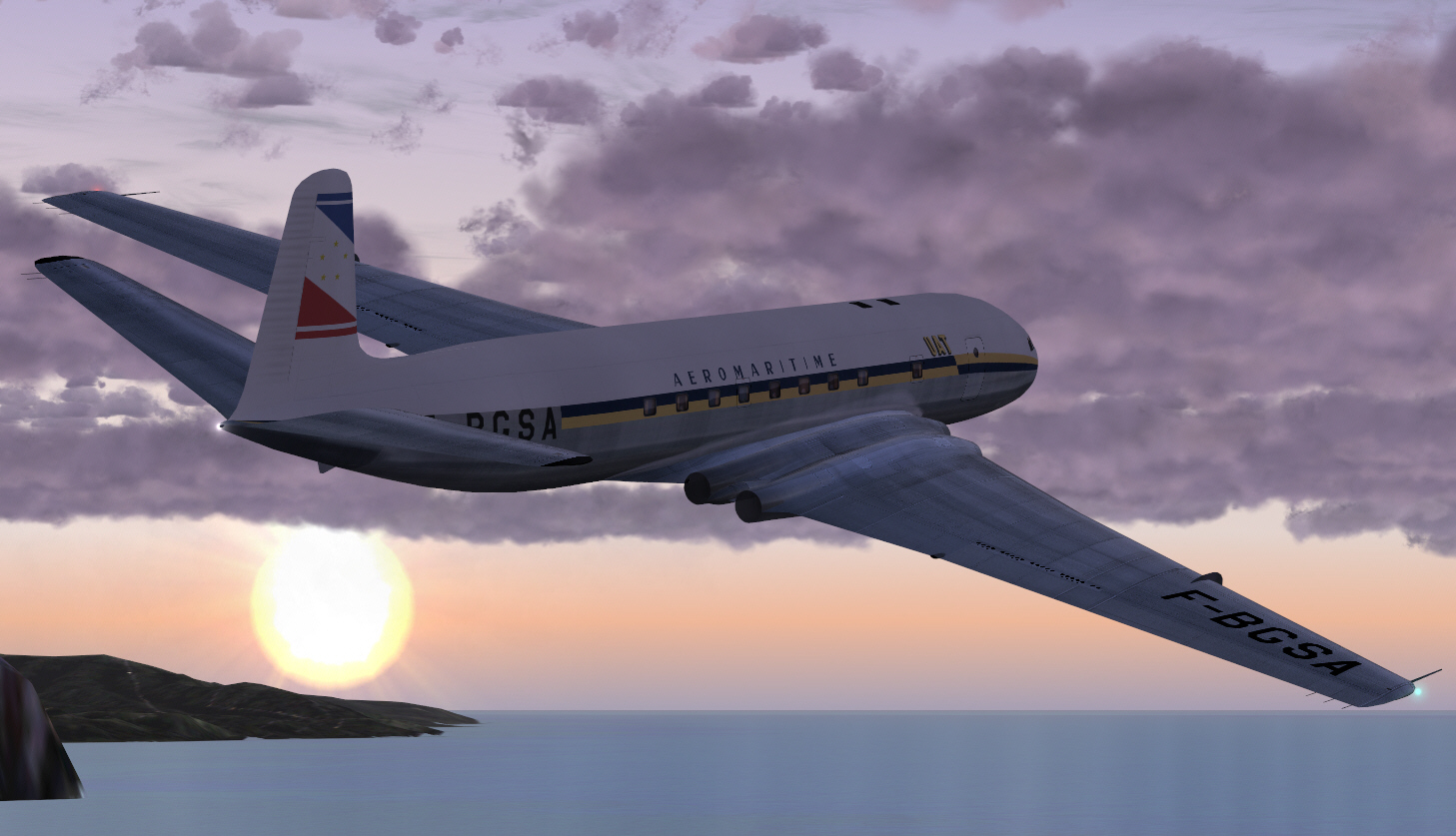
A climbing right turn was executed into the sunrise almost immediately after TO, and from around 500 FT, to avoid high terrain located towards the east of the airport .... whilst also intending to track towards the CANNES VOR (some 21 miles west of Nice) .... and continue climbing towards cruising altitude (FL310). The ROC was reduced somewhat during this long, banked, climbing turn at high weight and with "MAX POWER" applied .... then slowly increased to 1,000 FPM, then 2,000 FPM (the simulation even managed 2,500 FPM for a period without exceeding its maximum +8* climb/AI pitch attitude restriction) upon completion of this turn .... but only after having first acquired a wings-level attitude on the intended heading (most simulations will tend to loose airspeed during long banked and climbing turns even whilst at high power .... so for this reason it is usually best to reduce the ROC to prevent excessive airspeed decay during this sort of manoeuvring) ....
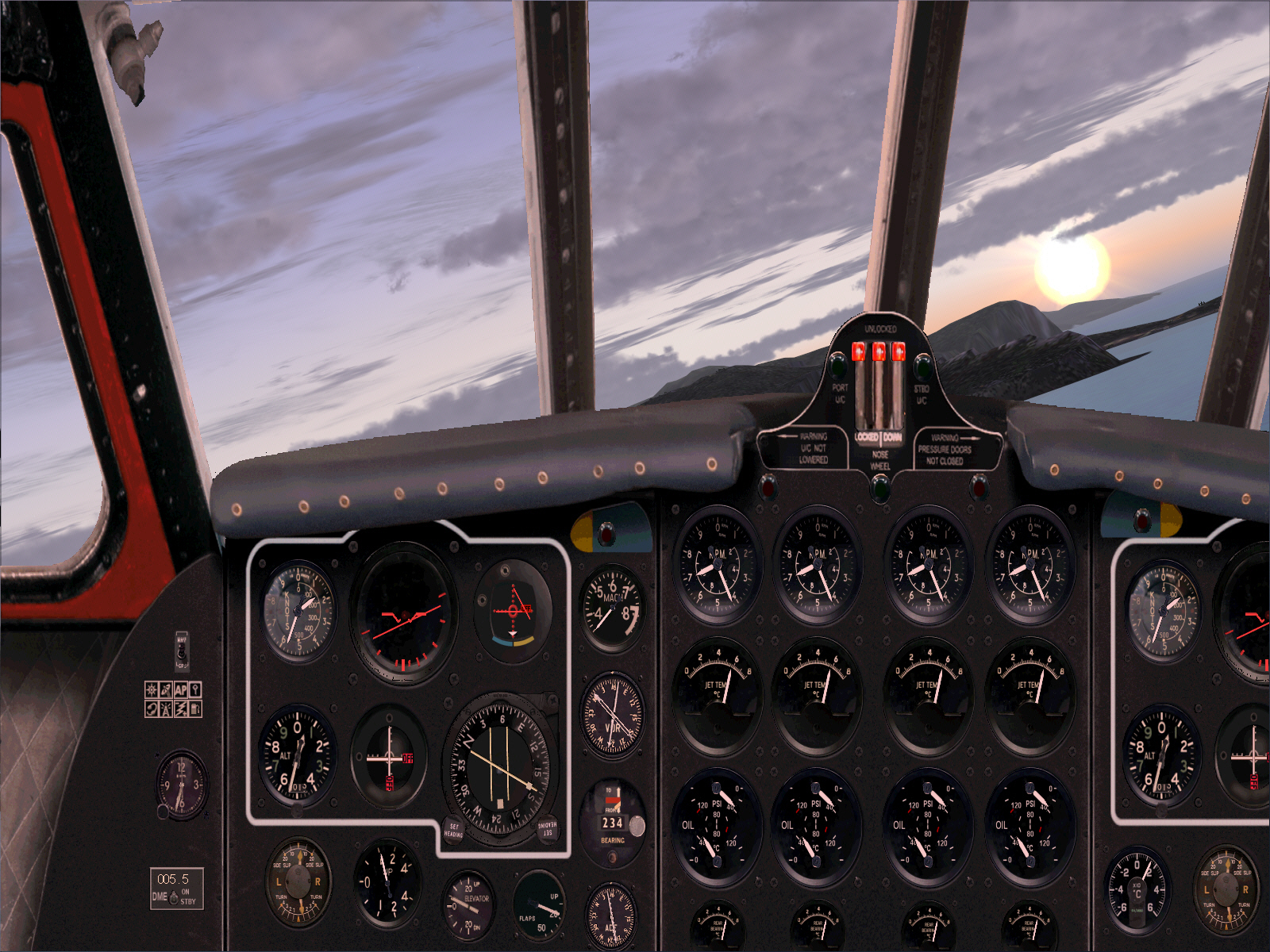
Image

Image

Image

As mentioned: I had originally intended utilizing the CANNES and LE LUC VOR's in order to track towards the MARSEILLE VOR .... and was expecting a busy stage during this particular flight sector given the very short distances between each of these NAV aids. The distance between NICE and CANNES was just 21 miles on a track of 234*. Then 29 miles from CANNES to LE LUC on a track of 248*. And finally 49 miles between LE LUC to MARSEILLE on a track of 275*. Nothing difficult. Just "a very busy period" .... through need to constantly adjust headings within short sectors whilst also multi-tasking to keep an eye on airspeed, altitude, ROC, and DME distances too. I reasoned there was no sense in trying to capture radials from these particular VOR's (using AP "NAV HLD") and within the very short distances separating each. Doing so would only result in the simulation (and this is a general "FS specific issue" in relation to VOR navigation and not COMET simulation related one) never being able stabilize on these radials despite attempting to do so. In this situation any simulation will, at best, tend to hunt/weave left and right over each radial (like a drunken sailor), and in progressively decreasing increments, but again, never be able to stabilize upon each intercepted radial prior to the following VOR intercept/capture needing being applied. Best solution (I felt) was to fly the heading and short distance/s between these VOR aids, then, steer toward each following intercept using AP "HDG HLD" instead and with absolute directional stability .... most difficult/irritating situations do tend have delightfully easy solutions if one is sufficiently situationally aware as to be prompted to employ such ;)

All of the above formed my "INTENDED/ORIGINAL PLAN" .... however .... virtuality is often subject to the influence of reality whilst one tries to have "fun" (effectively imposing "FUN" of an entirely different kind altogether :( ) .... and which ultimately demands rapidly employed solutions in order to resolve unanticipated issues before these evolve into major problems. This is precisely what happened with regard the CANNES, LE LUC, and MARSEILLE VOR's .... and once again also much later during this particular flight (but we'll get to that later on too).

It was in regard to RW VOR's, on published aviation charts, versus what's actually included/represented within FS (it was the intended bloody CANNES, LE LUC, MARSEILLE navigation sectors), that threw a spanner in the works/where I encountered my first problem during this entire classic flight re-enactment. VOR's "ARE" located at each of these points "in the RW", but as I quickly discovered, through not being able to get RMI bearings and DME information from either, despite entering correct frequencies for both the LE LUC and MARSEILLE VOR's, these aids "do not" appear to be represented within FS. Promptly referencing the FS MAP facility (whilst trying to fly the bloody simulation too) confirmed this .... no (FS) VOR's for either .... and .... whilst CANNES VOR "was" represented, and an RMI bearing could be obtained from this particular aid also, it didn't provide DME information (as is the case for some VOR's) .... BUGGER !!!! :( :)

Otherwise headed in the right direction though I had two options available .... (1) I could fly necessary headings between locations of each of these missing VOR's, then, and "on the basis of DME distance flown "from the NICE VOR", simply adjust track as required using AP "HDG HLD" .... or (2) I could simply plot a revised/direct course between the NICE and MARTIGUES VOR's (completely circumventing the other originally intended but non-existent or otherwise deficient short distance VOR's in-between). I opted for this latter solution .... a direct course between both NICE and MARTIGUES VOR's.

I therefore plotted a course between NICE and MARTIGUES VOR's .... 259* ..... and which resulted in a precise course with both DME and RMI indication/s between both of these aids then being in unanimous agreement. Homing in on the MARTIGUES VOR also afforded "a much more precise intercept" of the necessary radial .... to fly the 215 mile over water sector toward MANORCA VOR in the Baleares Islands. Upon executing this revised NAV-plan all then proceeded fine as shall soon be seen below .... and my alternative, albeit hurriedly applied, navigation reset was proved to be "right on the money".

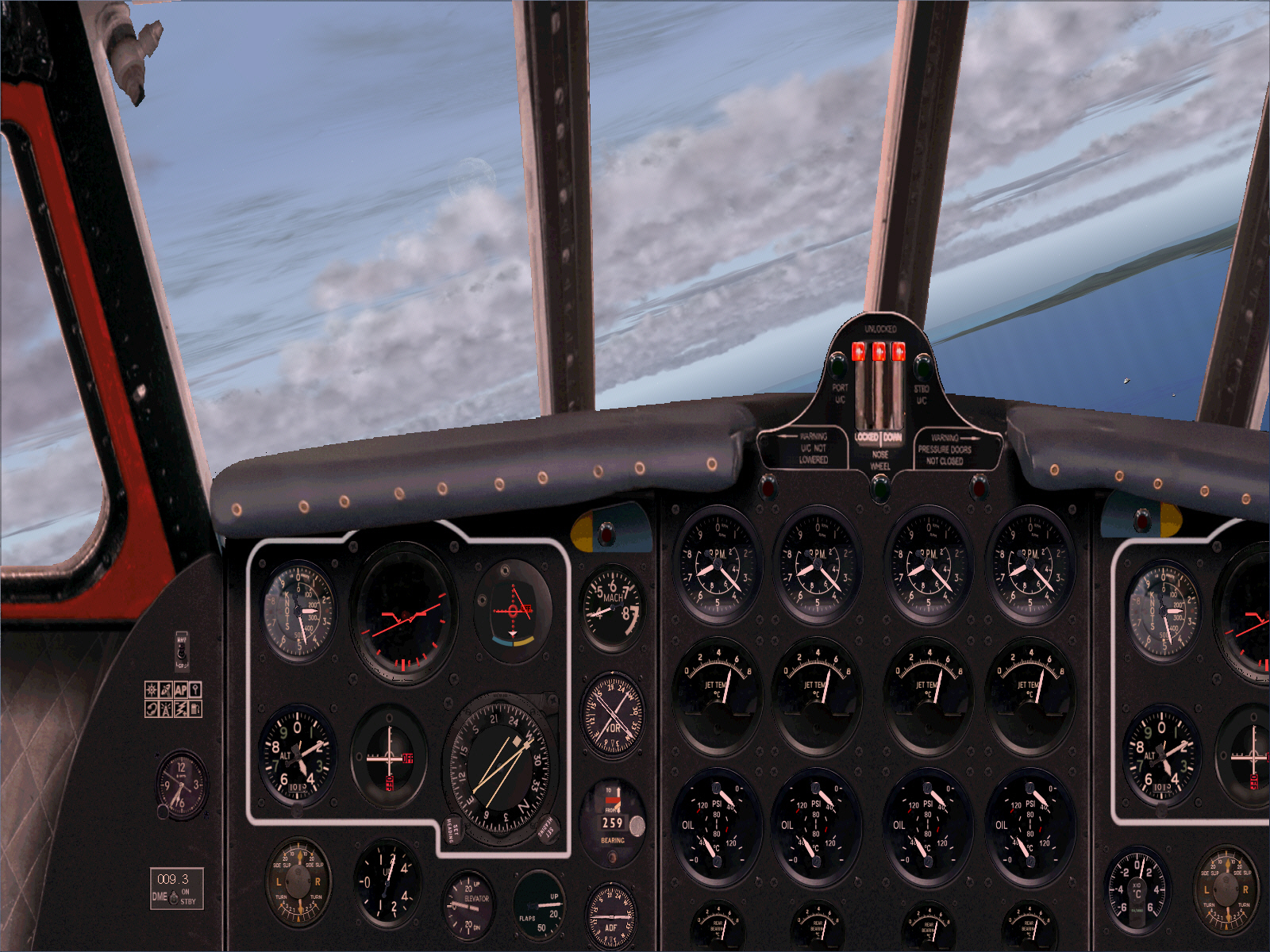
"REVISED NAV PLAN IN EFFECT": Tracking toward an intercept of the NICE VOR's 259* radial following TO and whilst continuing climb towards FL310 ....
Image

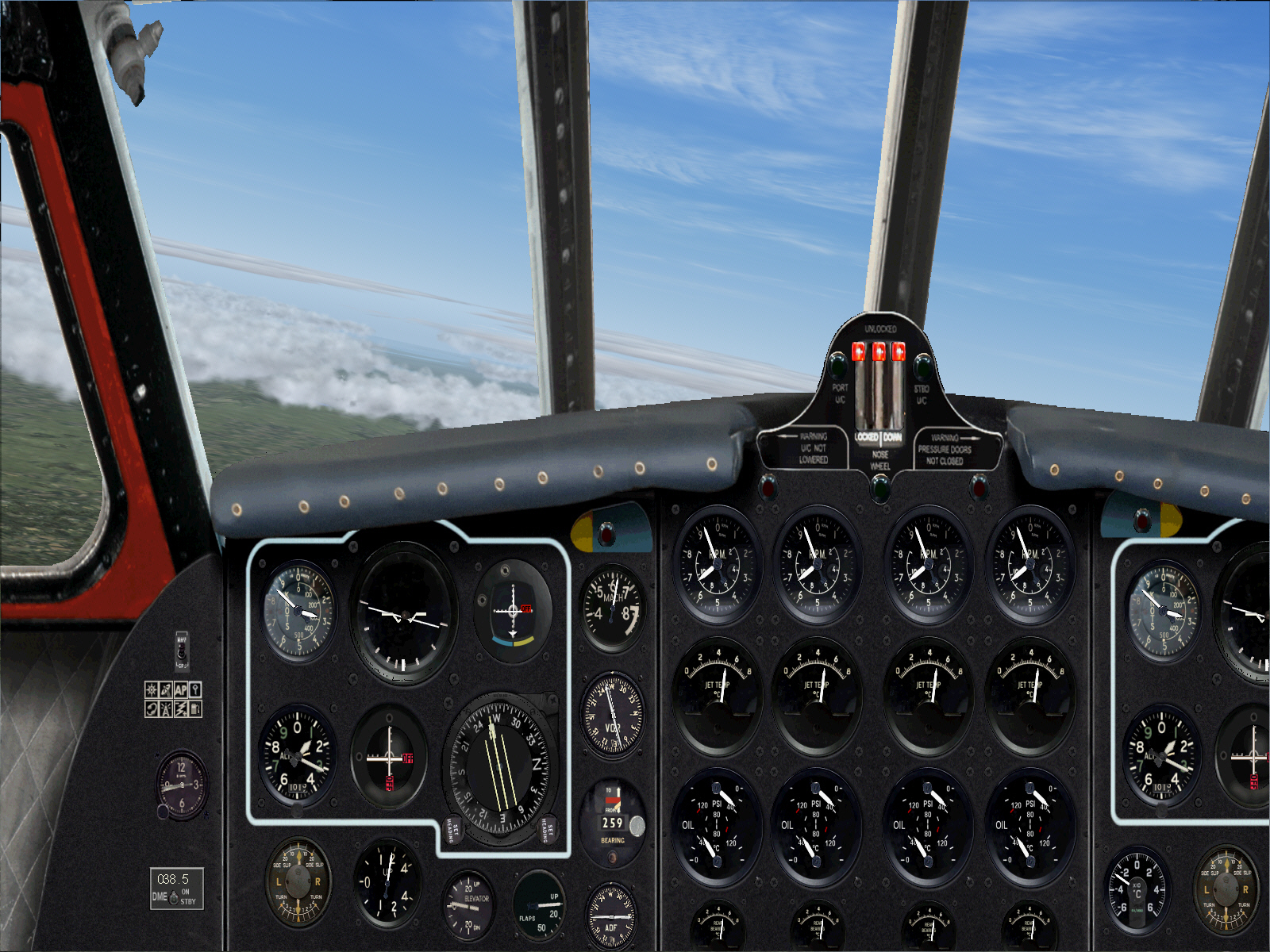
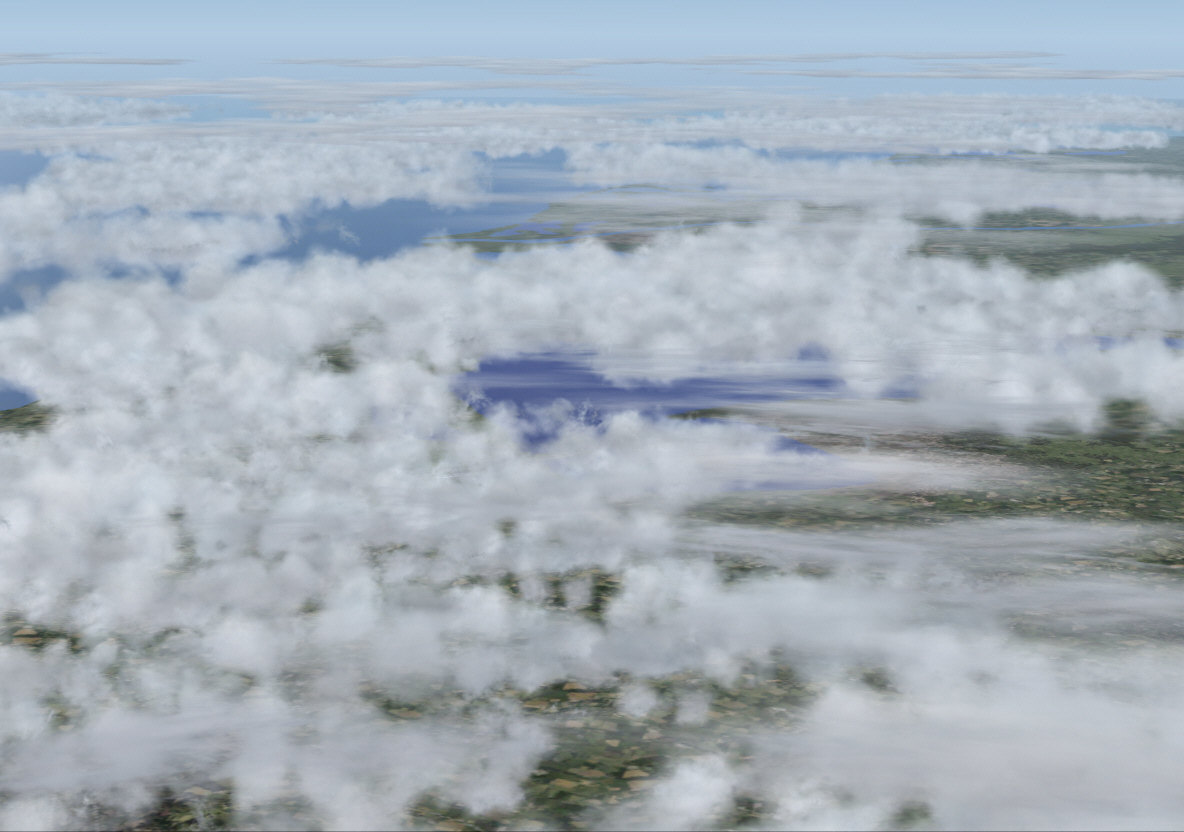
Intercepting the NICE VOR's 259* radial to track directly toward MARTIGUES VOR .... over a total distance of some 105 miles "from Nice" ....
Image

Image

Everything now culminating into a successful plan .... intercepting the MARTIGUES VOR's 193* radial for an over-water stretch of some 215 miles towards the MANORCA VOR ....
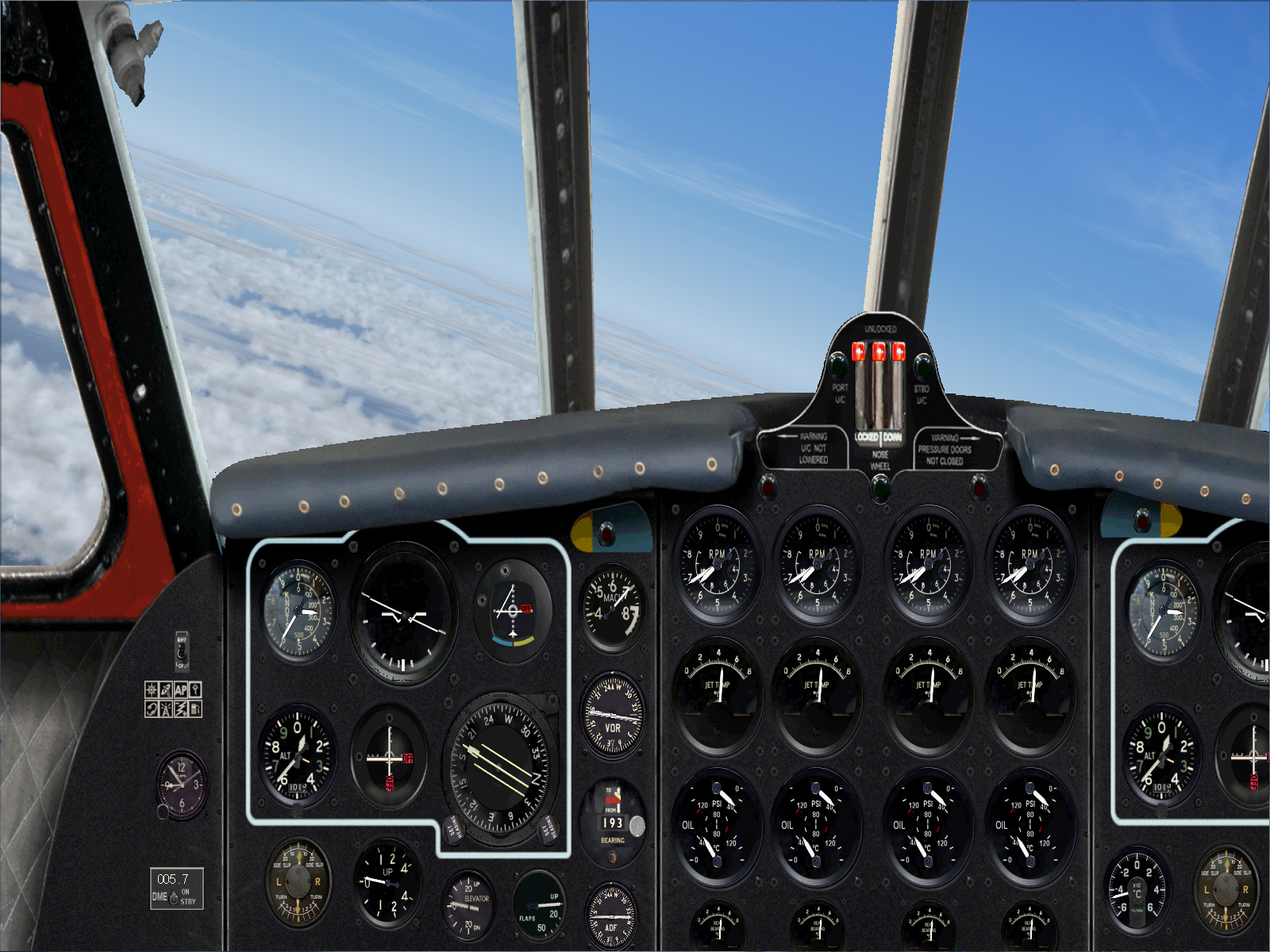
Image

At about this time the simulation also reached its planned TOC so AP "ALT HLD" was engaged to maintain this particular altitude for the entirety of this flight prior to reaching the TOD.

Established on the MARTIGUES VOR's 193* radial and cruising at FL310 .... time to relax a little now ....
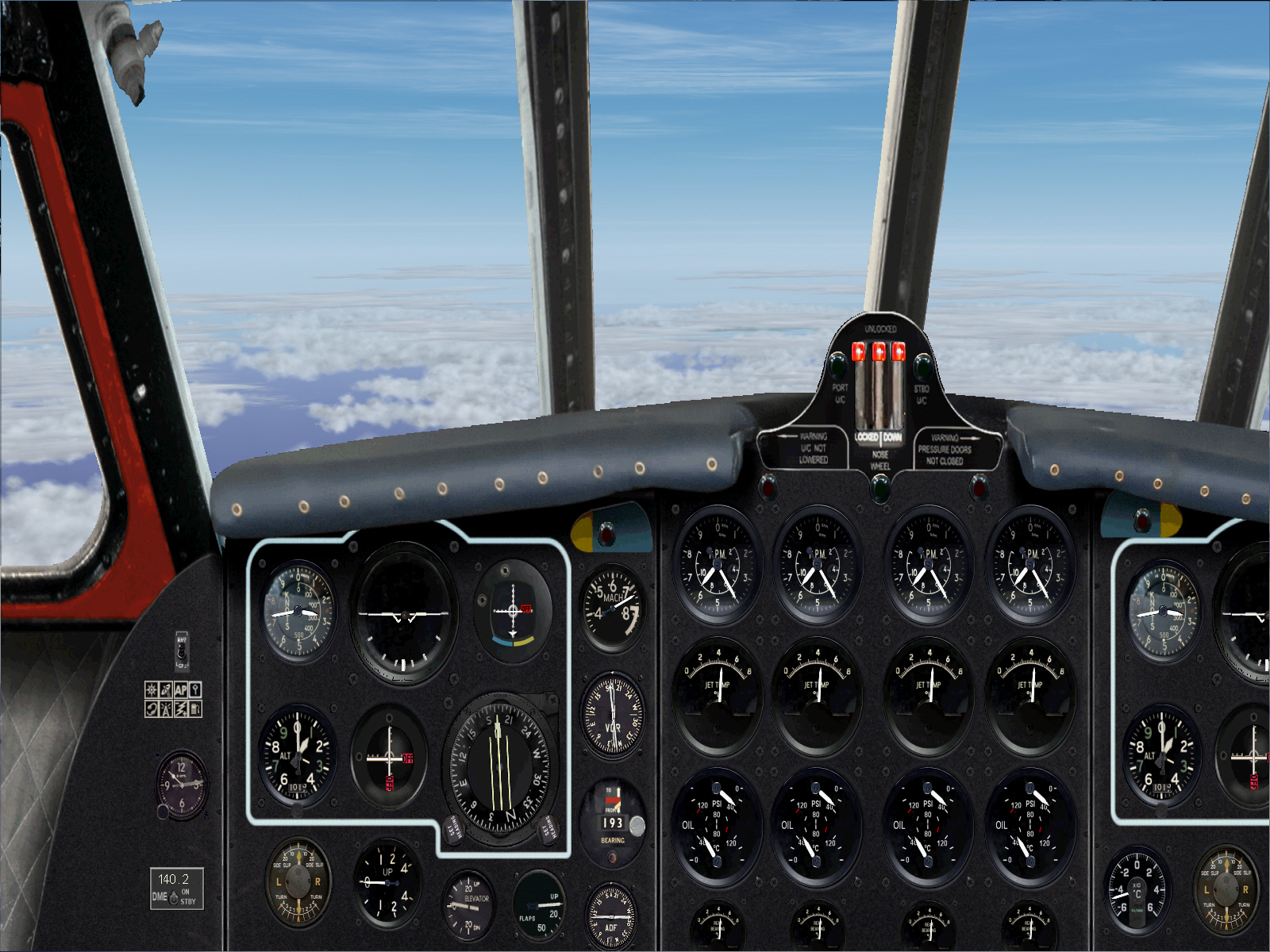
Image

At this stage I also entered the MANORCA VOR frequency into NAV2 (despite it still being out of range), and engaged its audio function .... so I would then be alerted by its ID signal once within range of it/Manorca (at approximately 194 DME/miles). This plan worked faultlessly too. VOR2 began "chirping-away" within some 20, or so, miles of having departed the Mediterranean coast of southern France, and with the NAV2 RMI indication also being in agreement with the established 193* VOR course too .... I was then as content as a pig in POOH .... :)

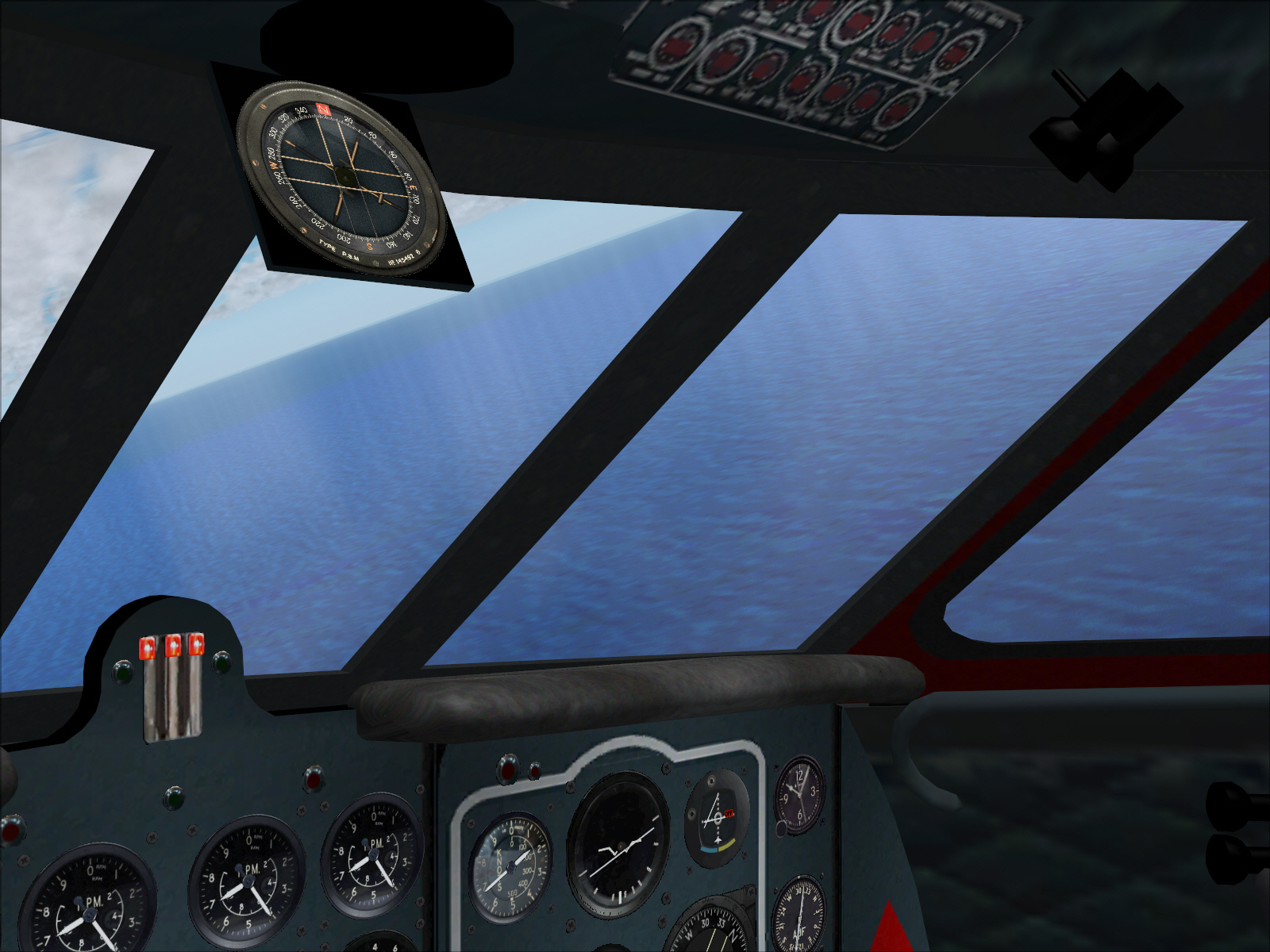
Maintaining FL310 and MACH 0.73. Nothing ahead, nor out to the left or right either .... with the exception of featureless lonely blue Mediterranean Sea and sky ....
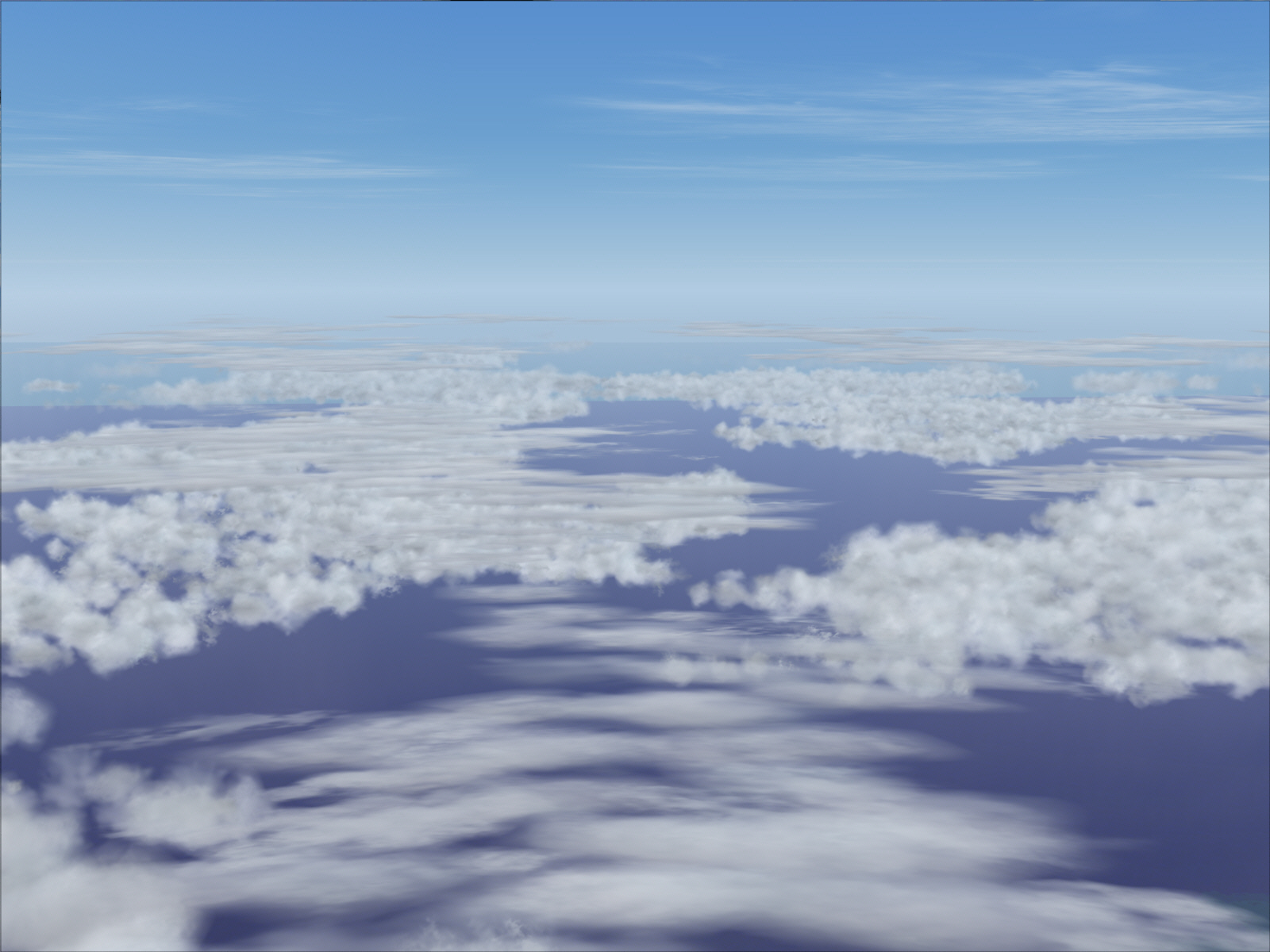
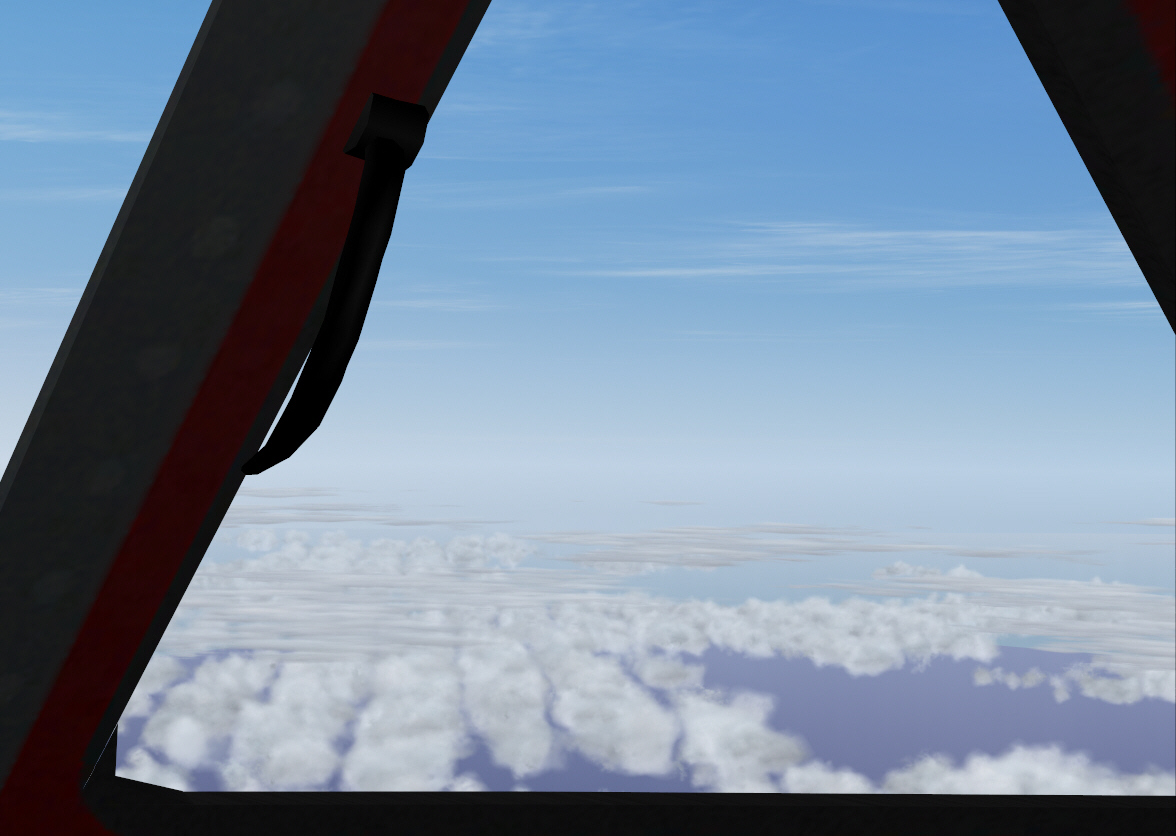
Image

Image

Image

So with nothing else to do, other than monitor performance .... How does one then pass time, whilst traversing a relatively lengthy stretch of lonely sea and sky, in order to avoid being overtaken by boredom whilst the simulation appears to be under control and behaving/performing very well ? I know .... why not just slip outside for a bit of external sightseeing in order to kill time ! ....
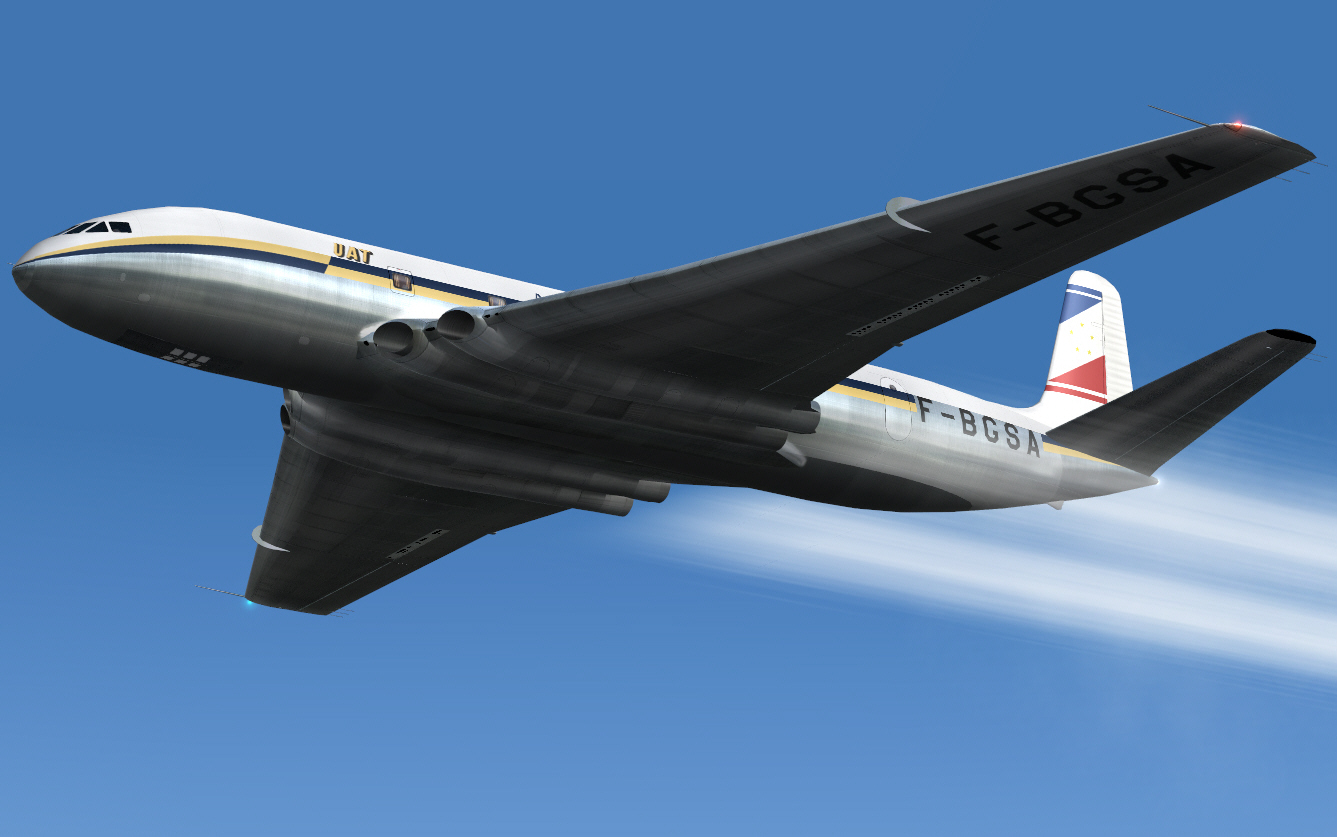
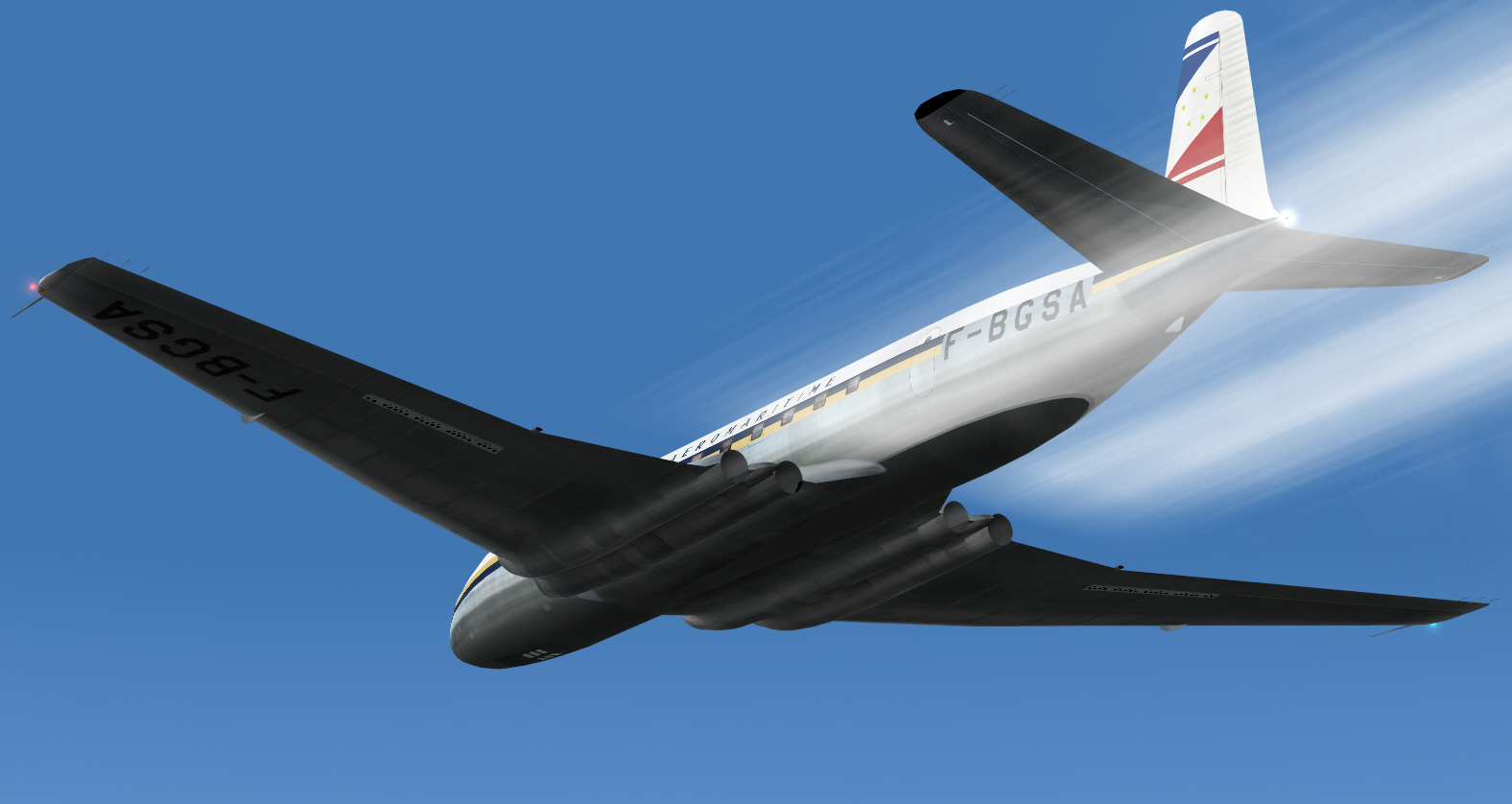
Image

Image

Image

Image .

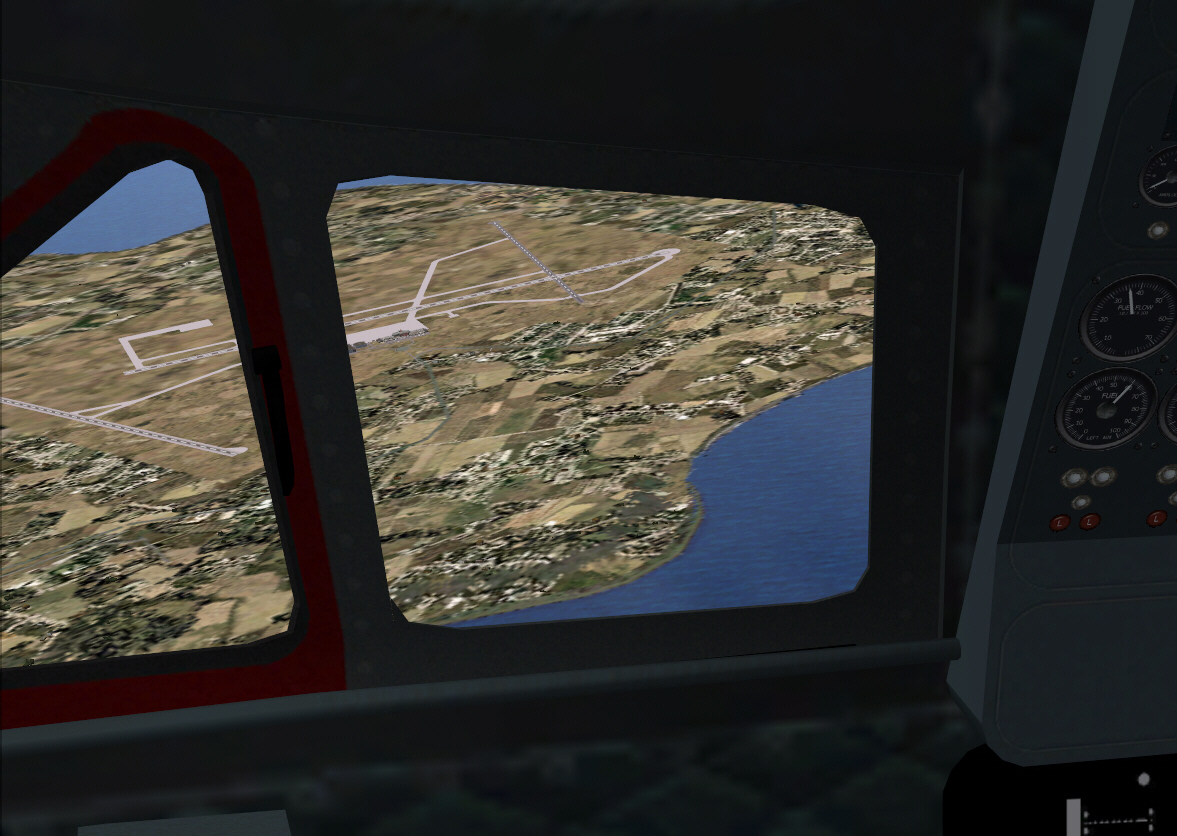
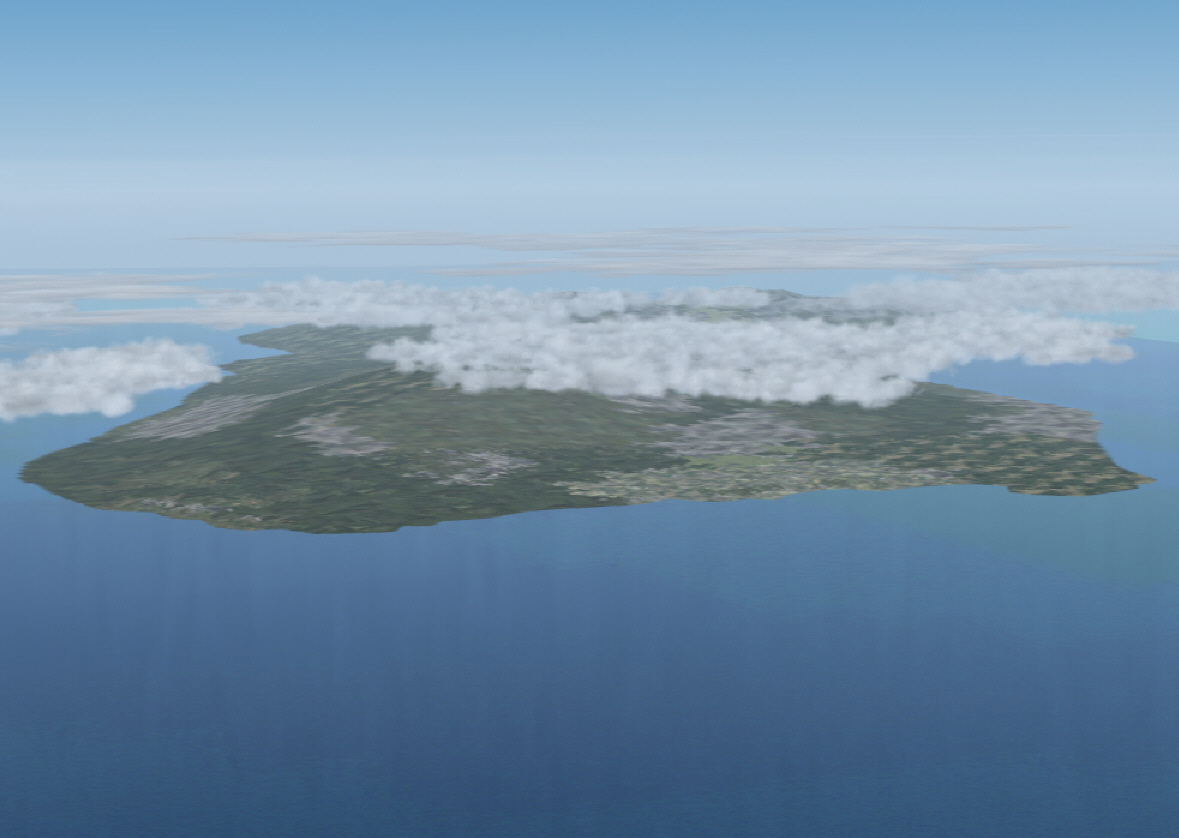
It is always reassuring when ADF/VOR headings/courses, aided by RMI indications, along with the MK1 Brain and Eye Ball too, each conspire to confirm existence of intended virtual Tierra Firma nearing the conclusion of any lengthy overwater stretch .... "LAND-HO ahead and on the port bow" .... MANORCA (northern-most and smallest of the Baleares Islands group) was sitting precisely where it should be ....
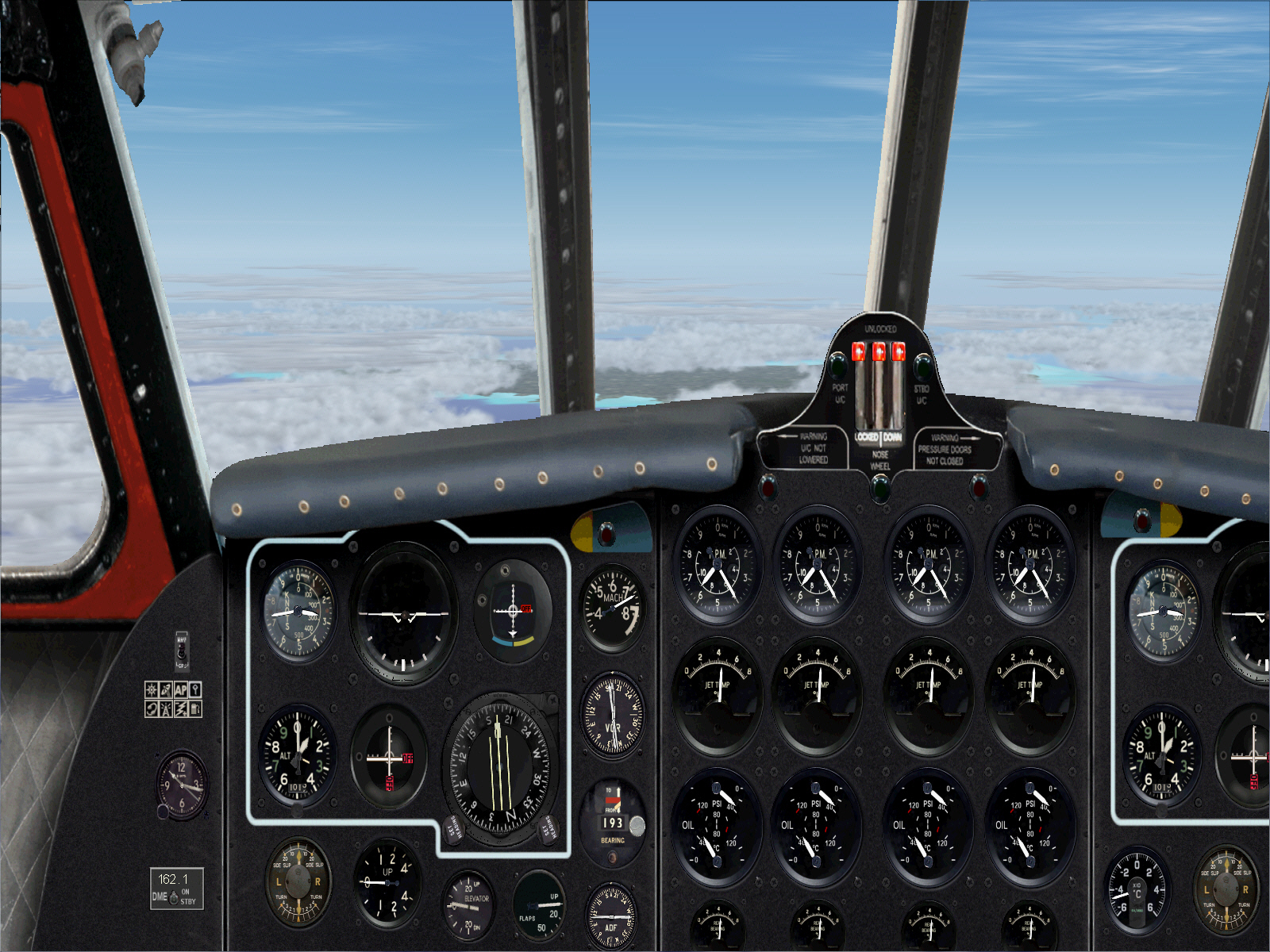
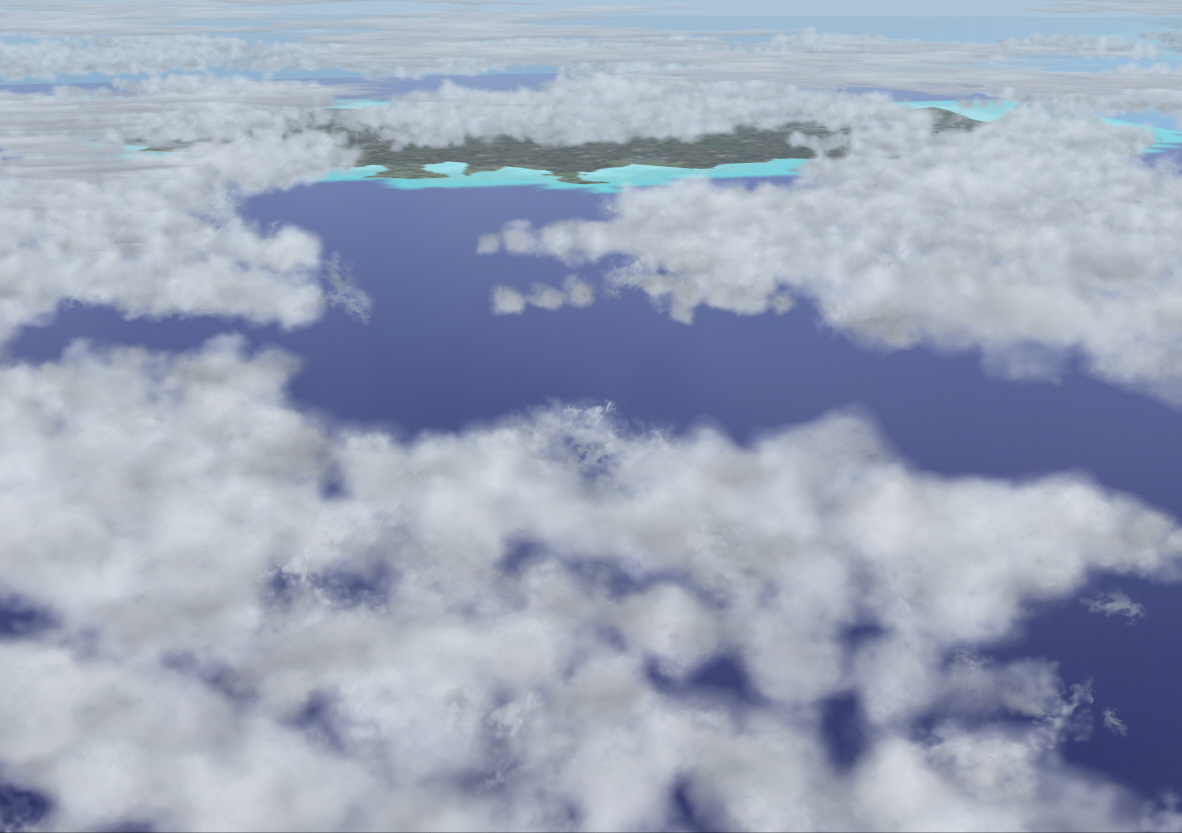
Image

Image

Image

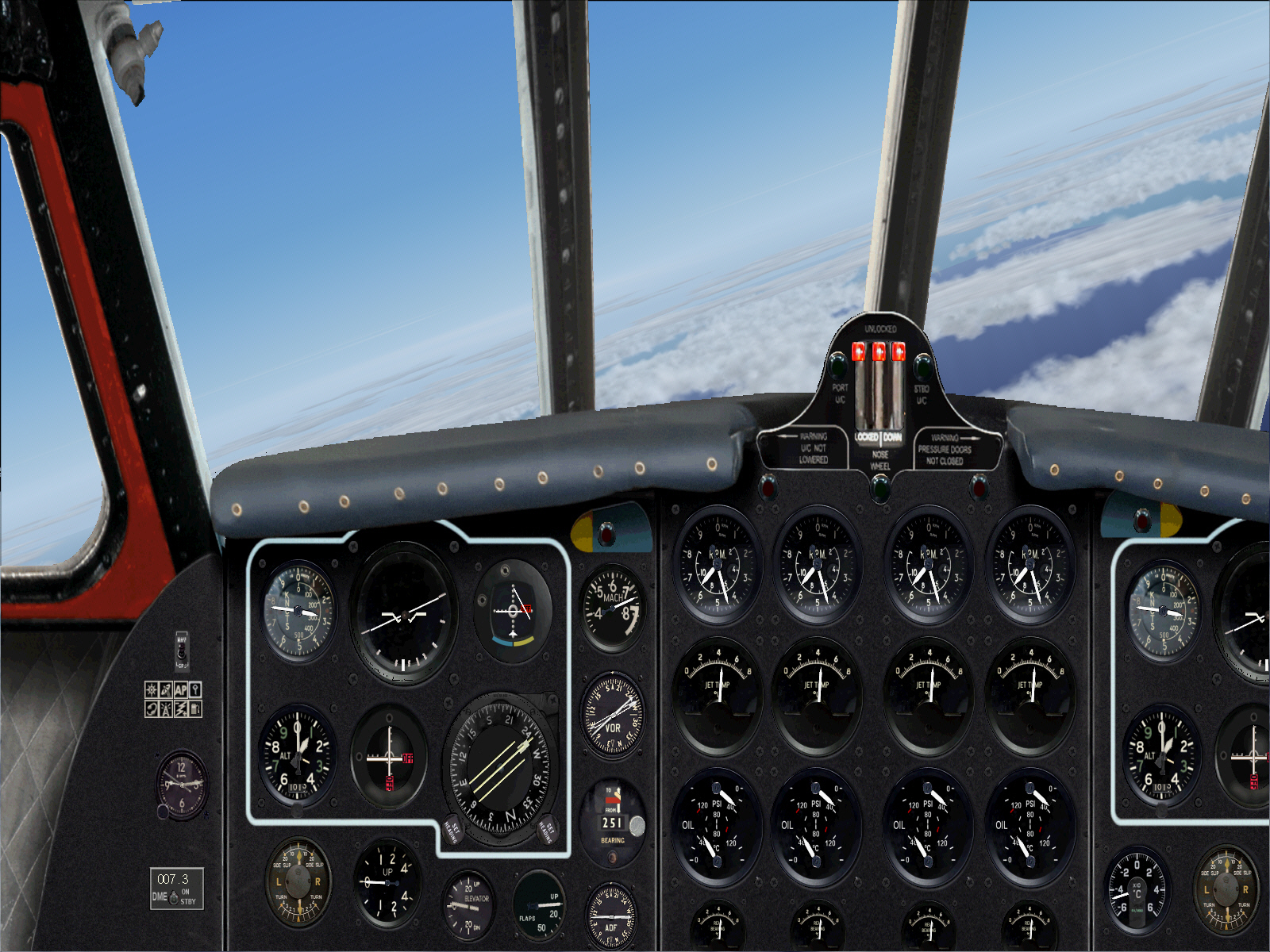
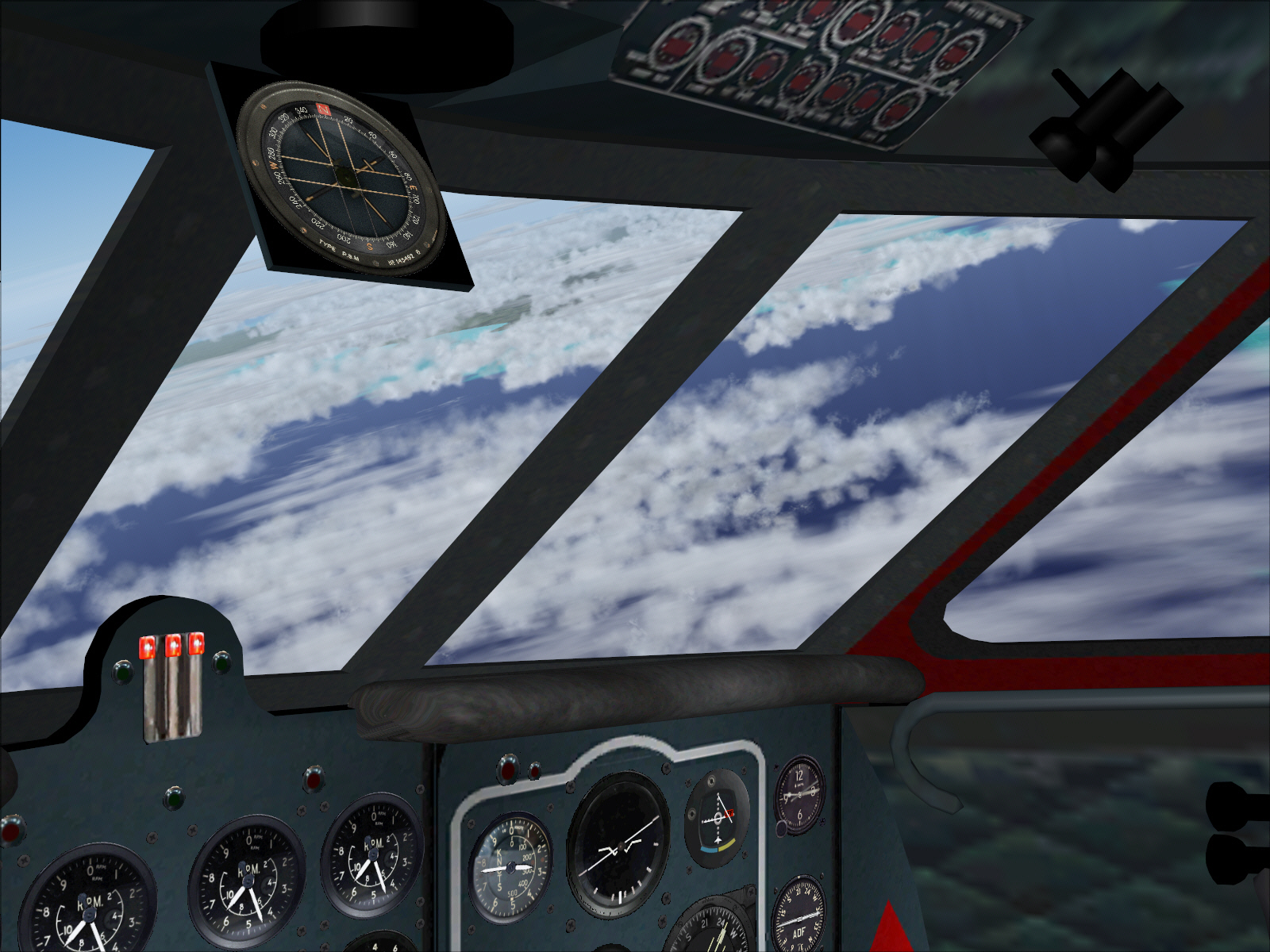
Intercepting MANORCA VOR's 251* radial toward PALMA DE MALLORCA VOR .... a distance of some 72 DME/miles ....
Image

Image

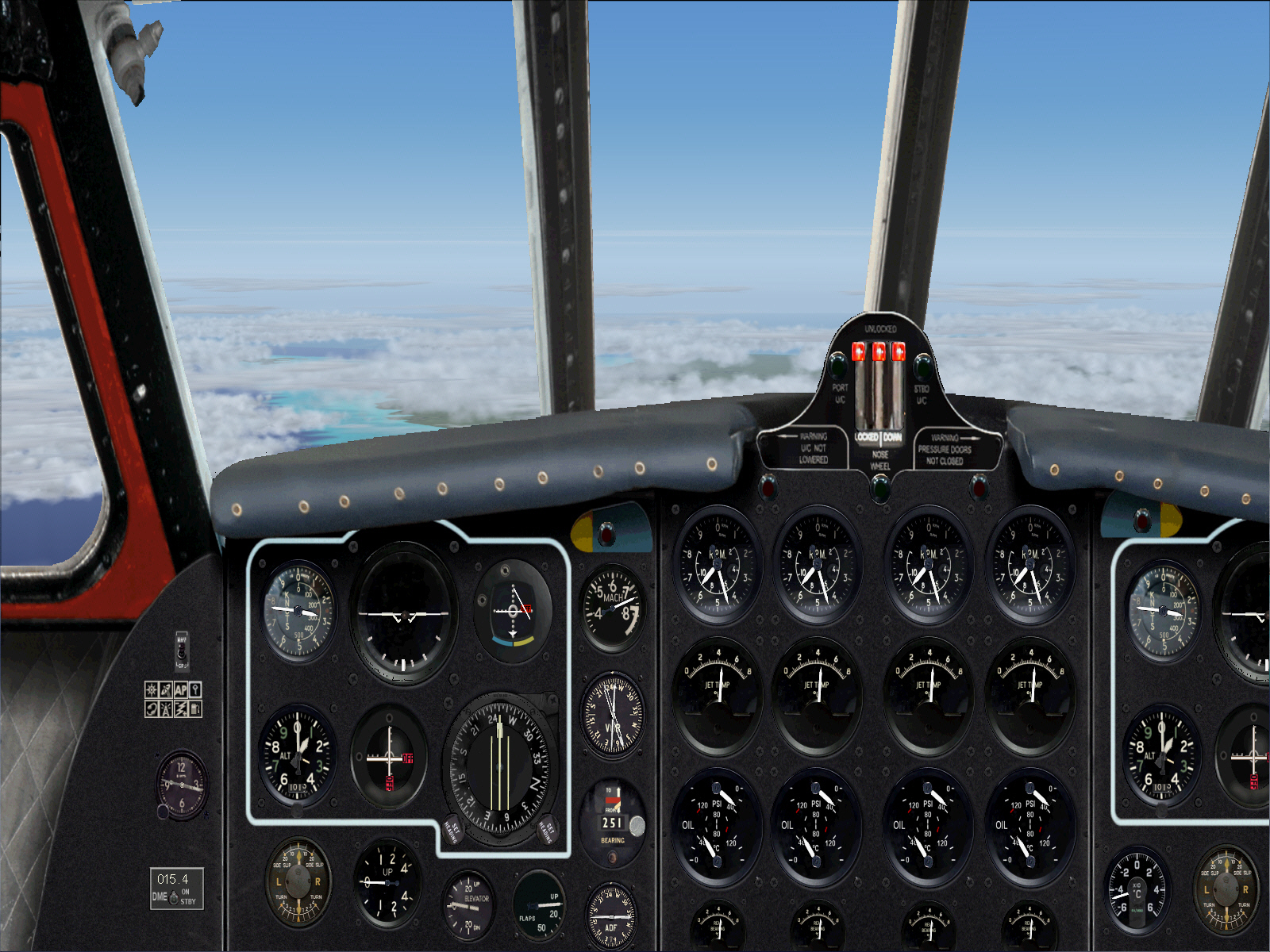
Approaching Palma De Mallorca at FL310 and MACH 0.73 ....
Image

Image

Intercepting PALMA DE MALLORCA VOR and its 245* radial toward IBIZA VOR .... a distance of some 68 DME/miles ....
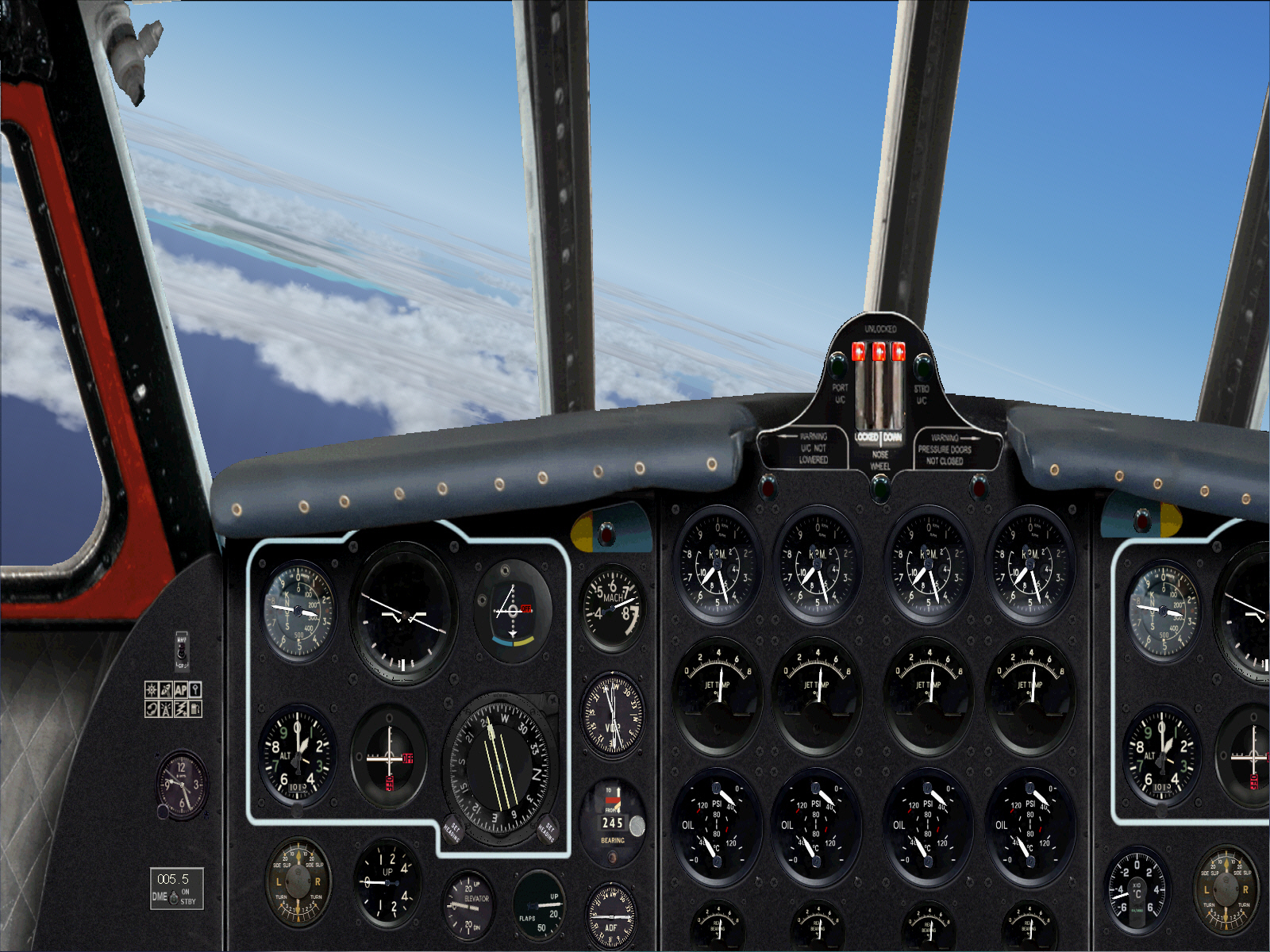
Image .

Approaching Ibiza ....

Image

Image

Intercepting IBIZA VOR's 251* radial to track directly towards ALICANTE VOR .... a distance of some 104 DME/miles ....
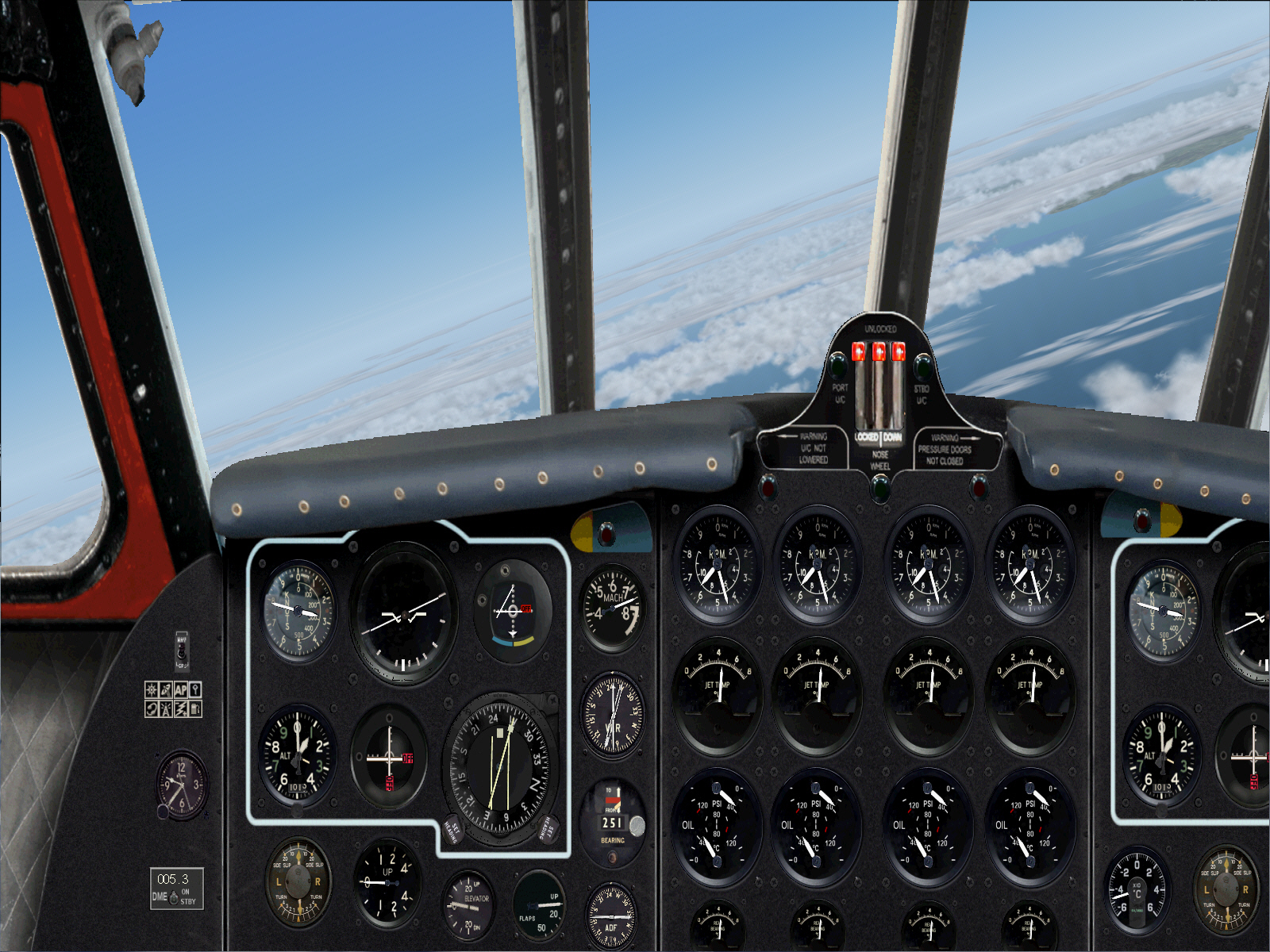
Image

Nearing Alicante on the eastern coast of mainland Spain ....
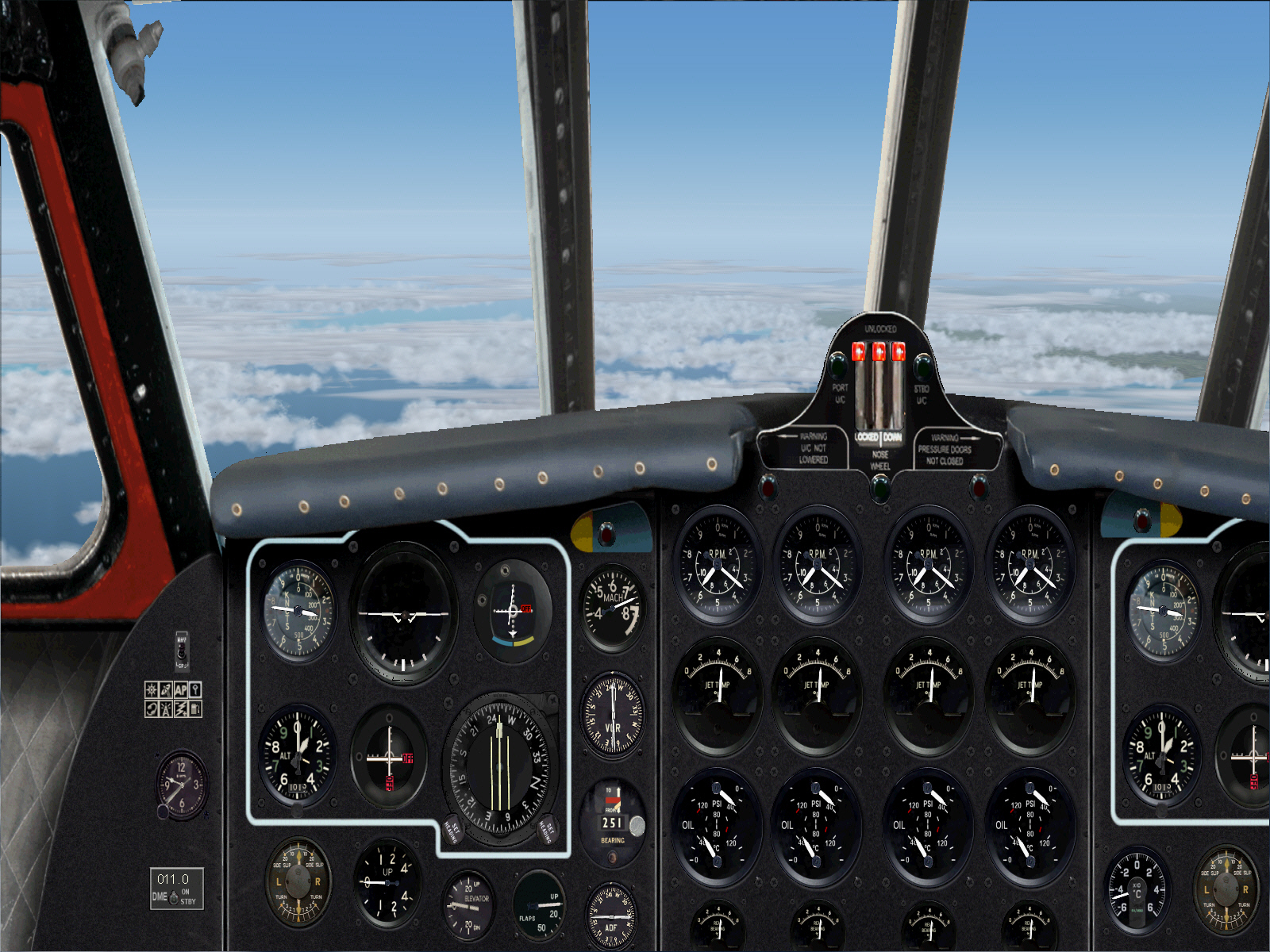
Image

Image

Intercepting the ALICATE VOR's 227* radial toward ALMERIA VOR .... some 115 miles distant.
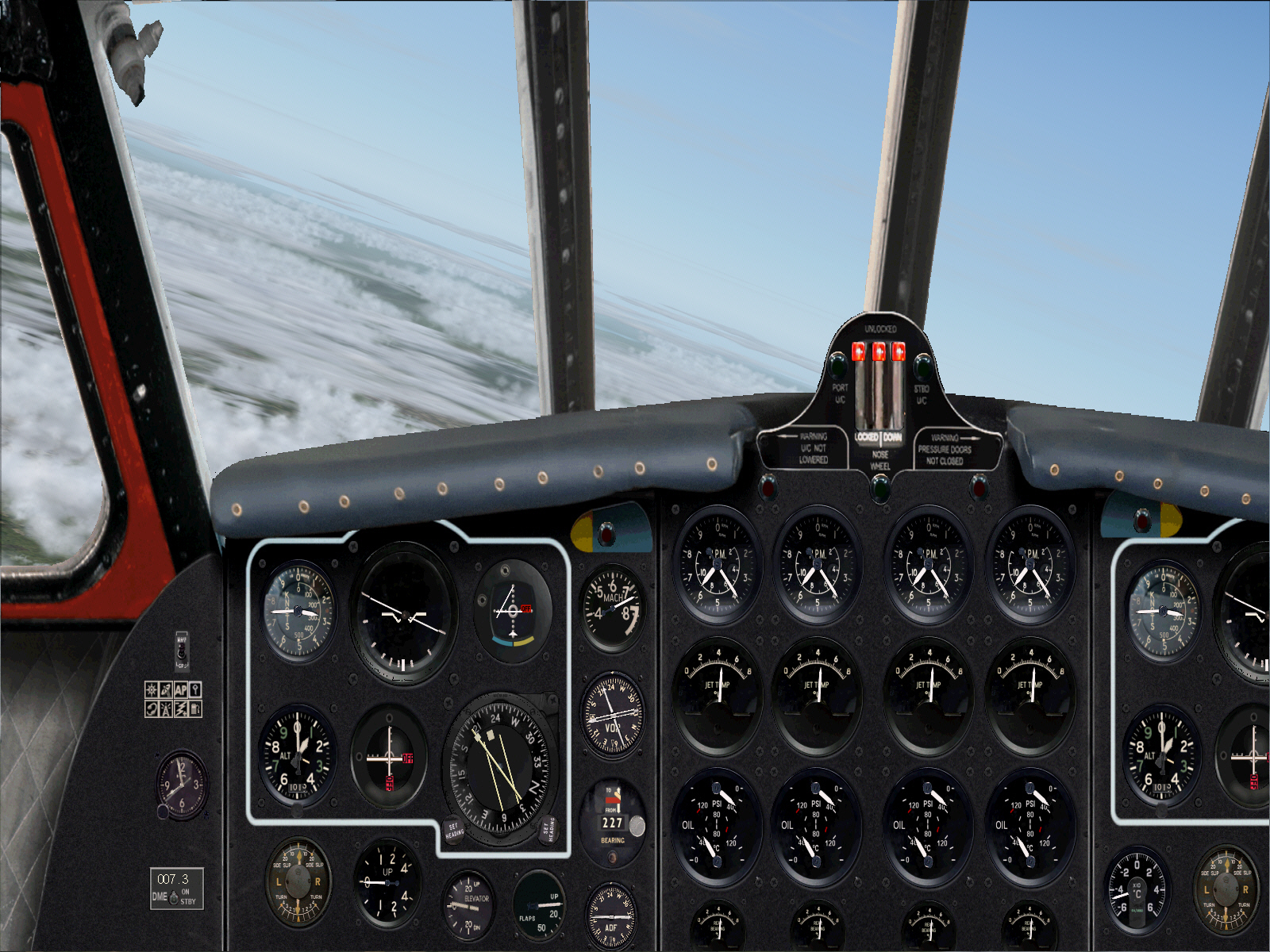
Image

Image

Image

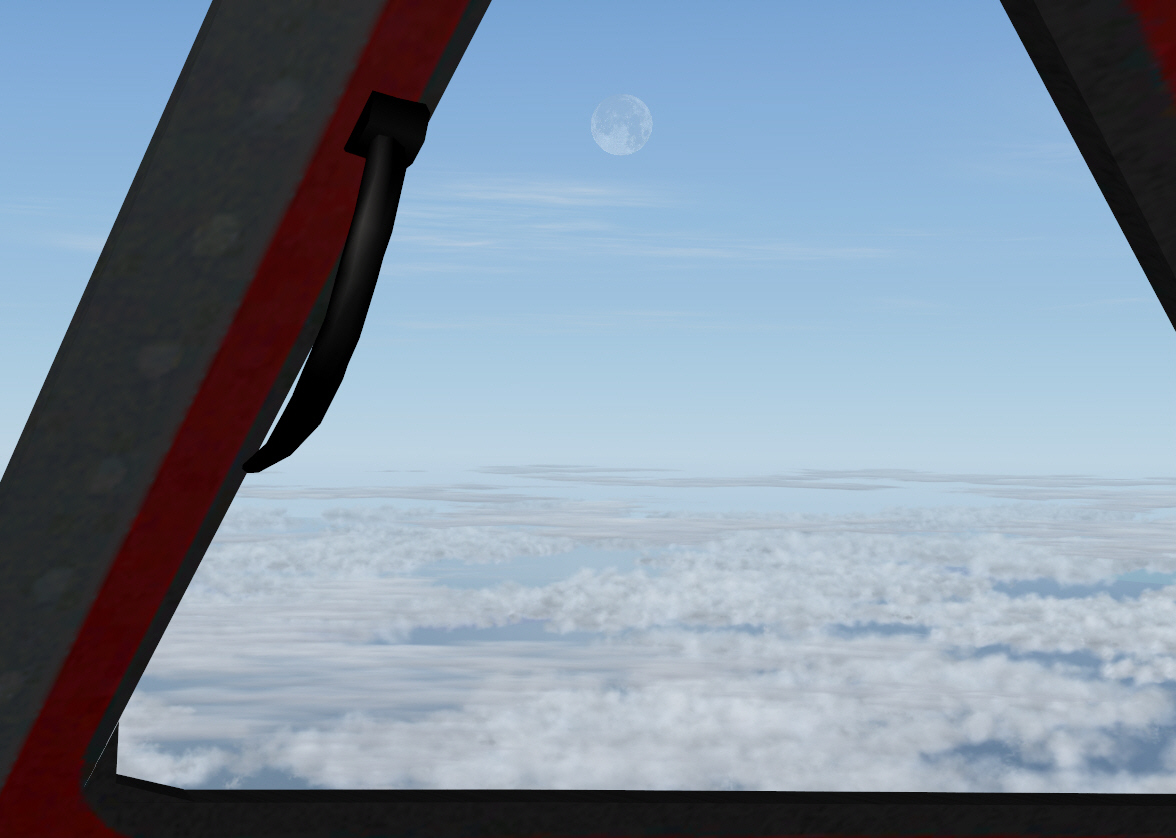
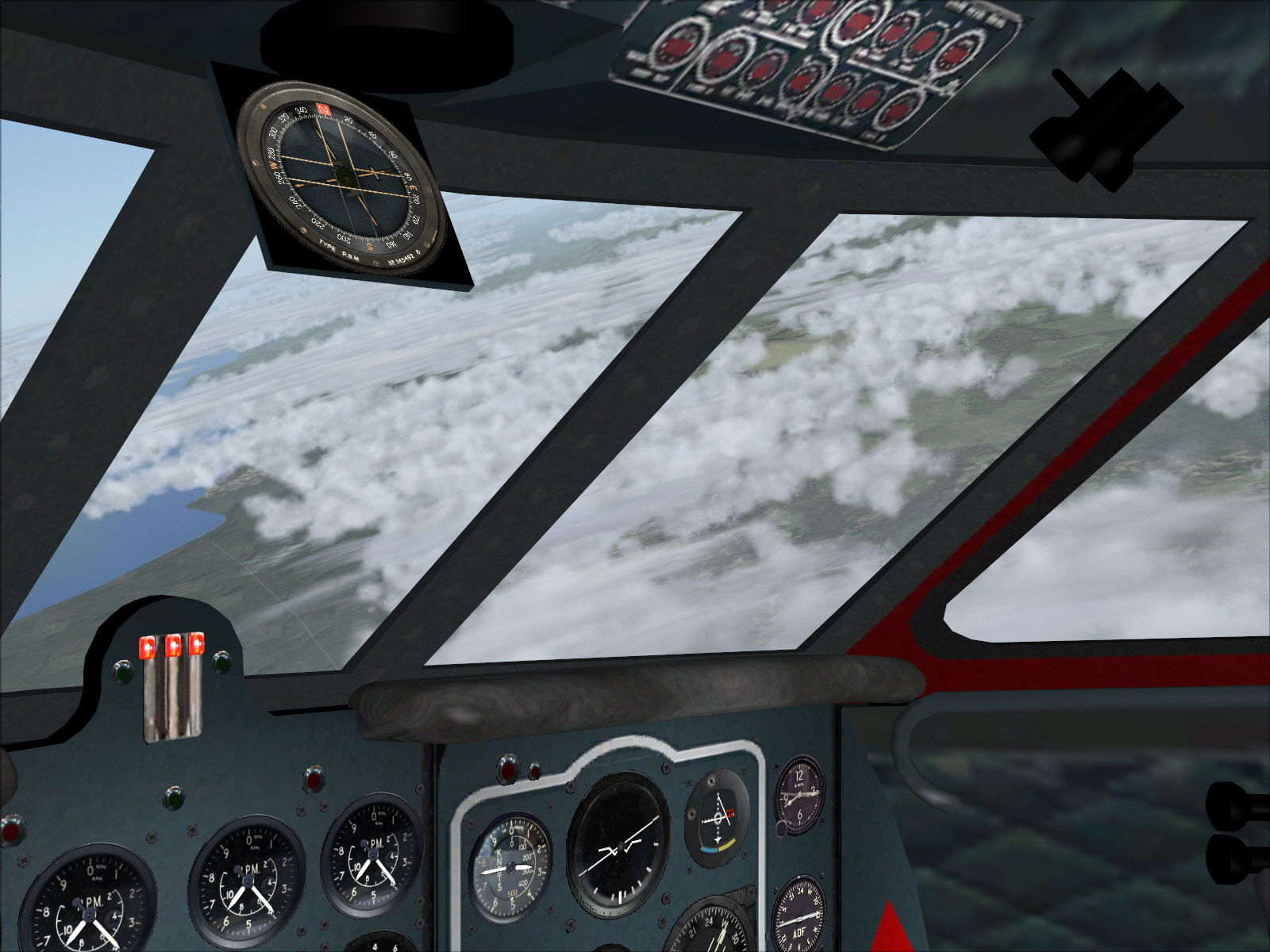
Intercepting the ALMERIA VOR to track 274* towards MALAGA VOR over a 101 mile course .... and with the moon suddenly in sight too ....
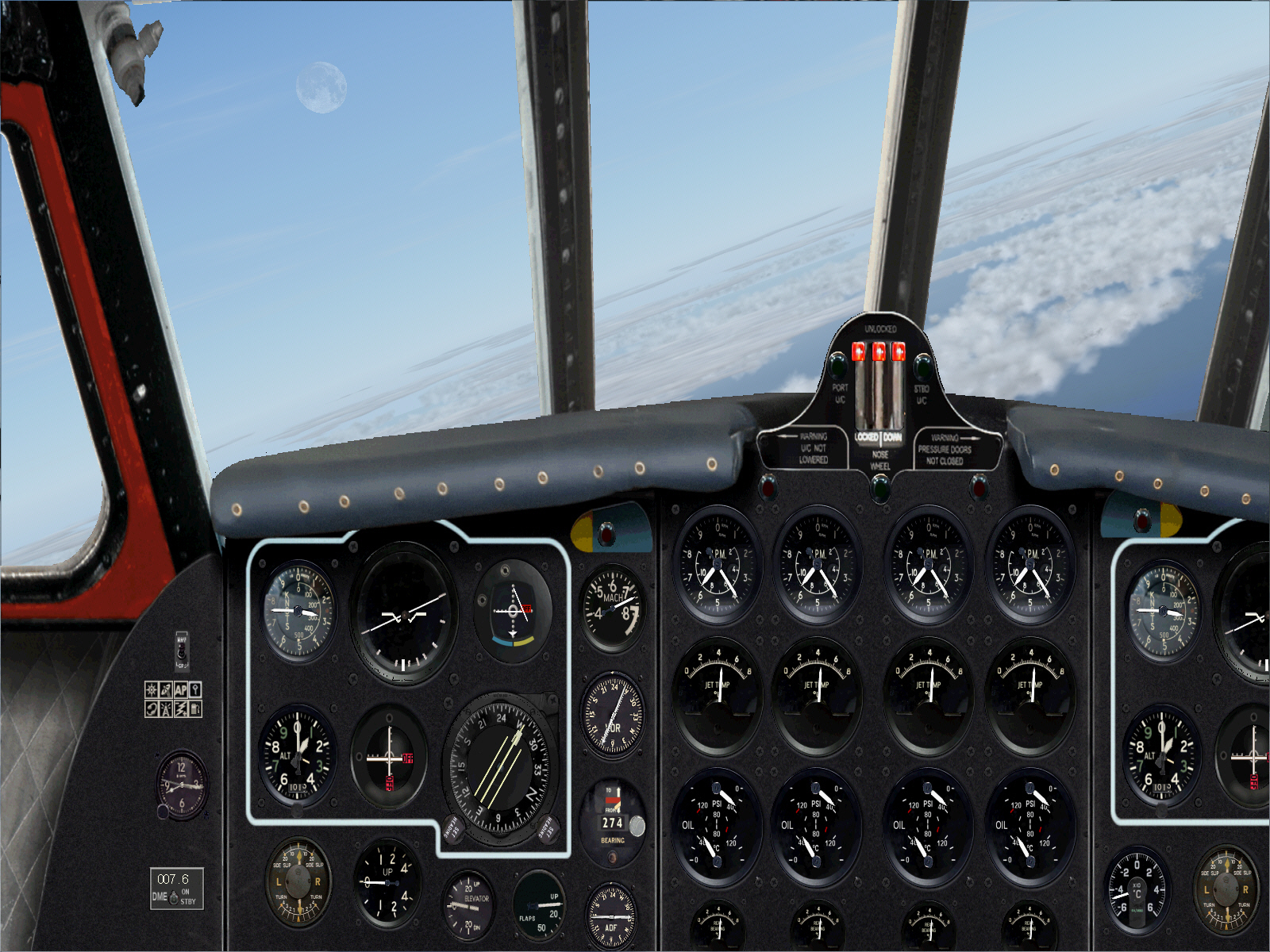
Image

Image

Image

Image


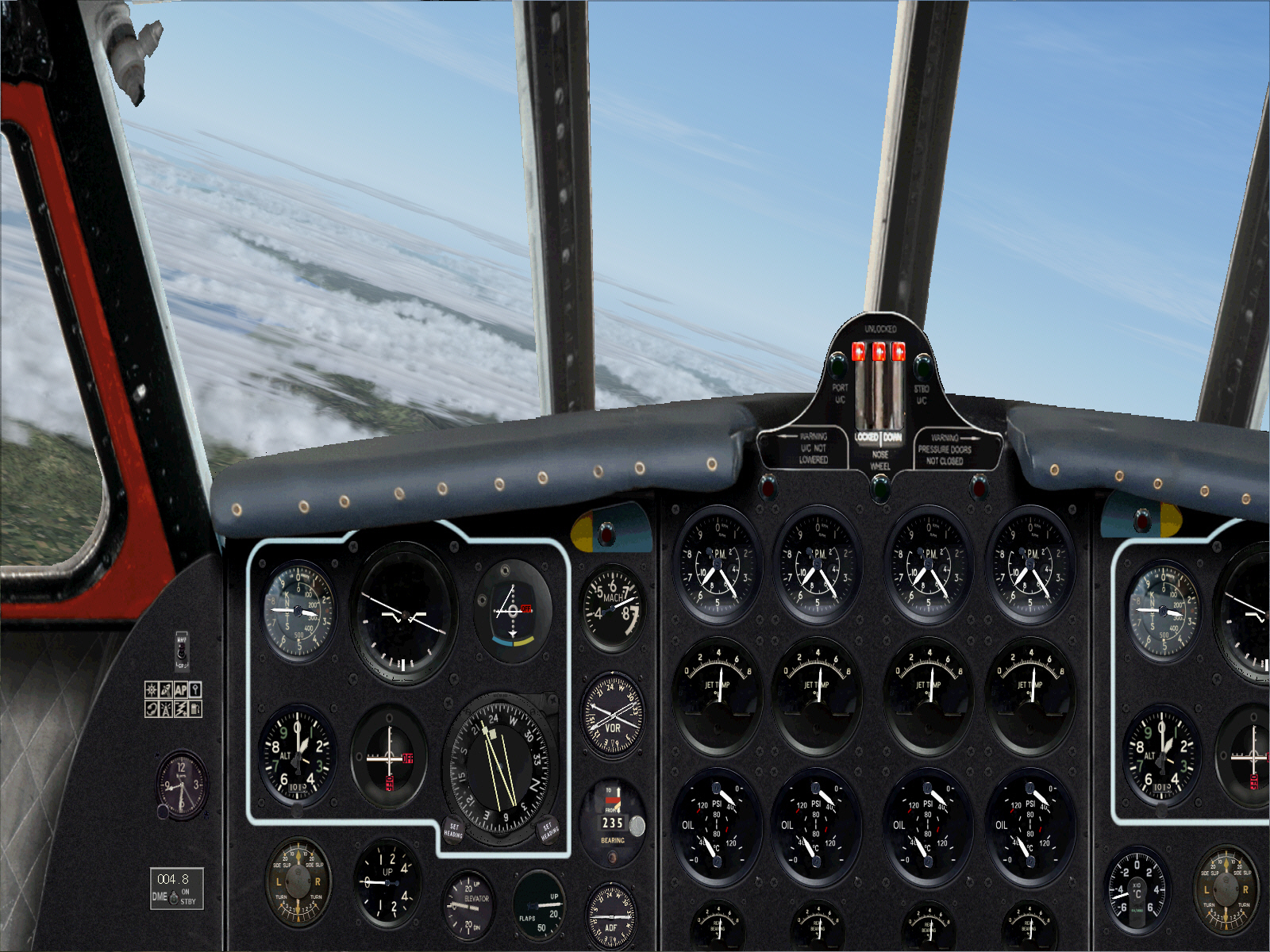
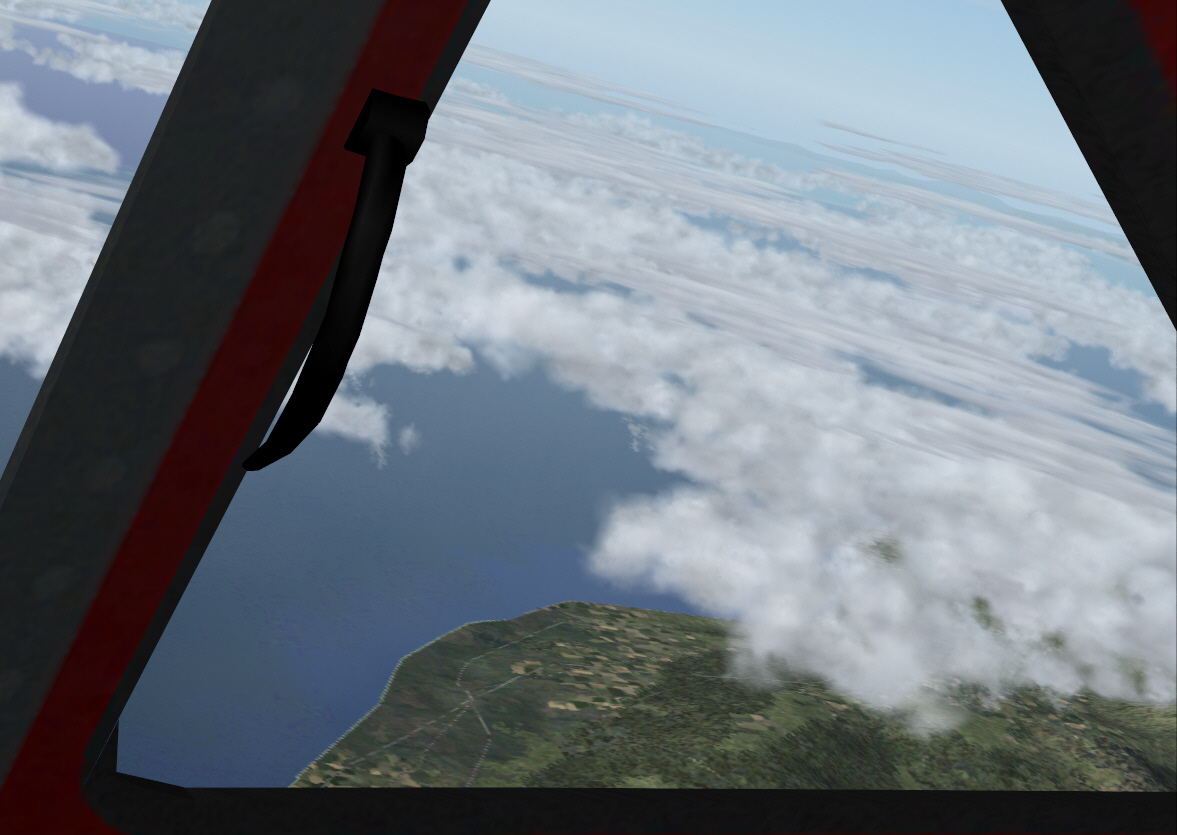
AND .... over-heading MALAGA VOR intending to track 235* towards GIBRALTAR VOR (or at least this was the intended plan) .... over a distance of some 80 miles ....
Image

Image

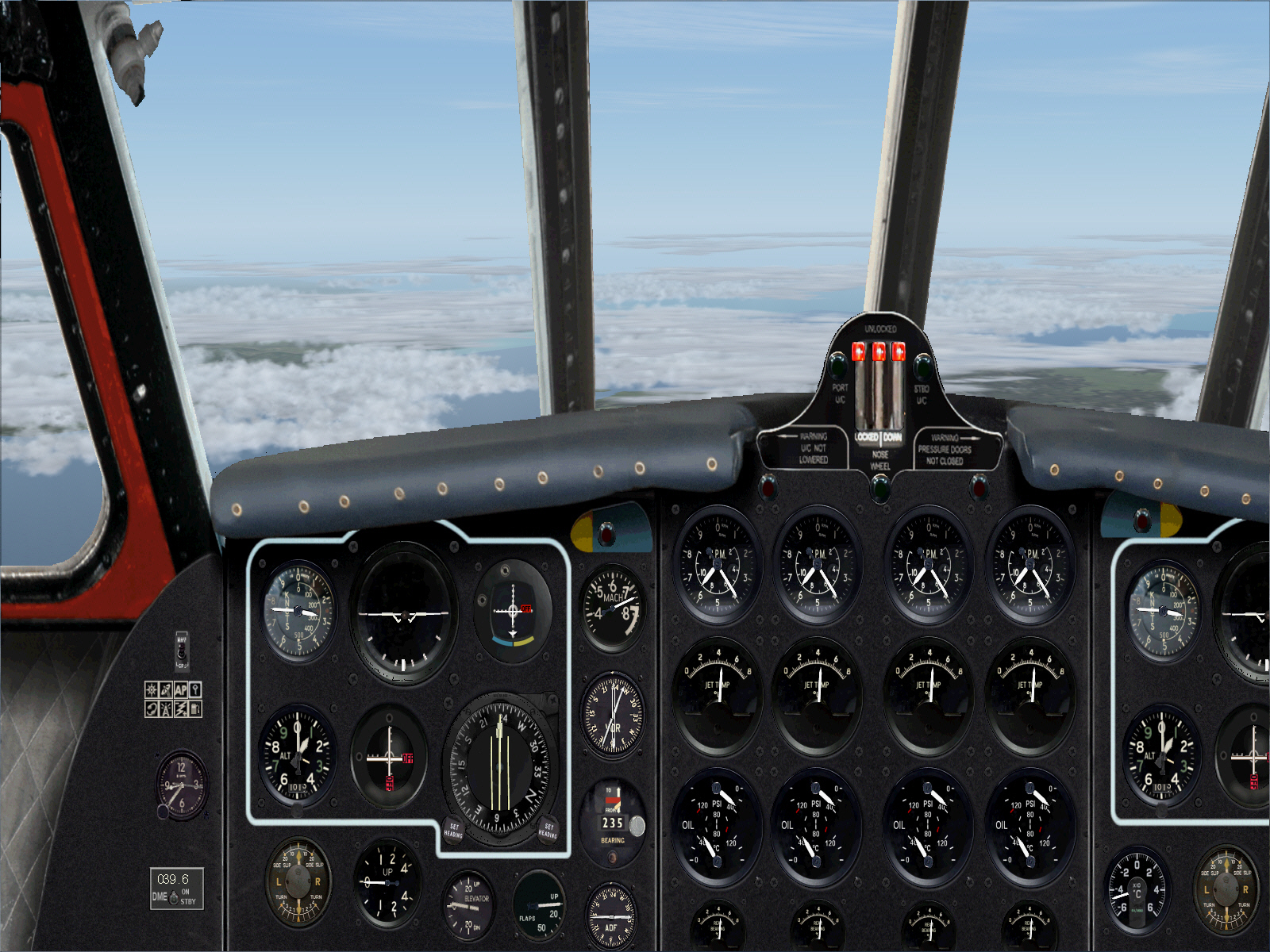
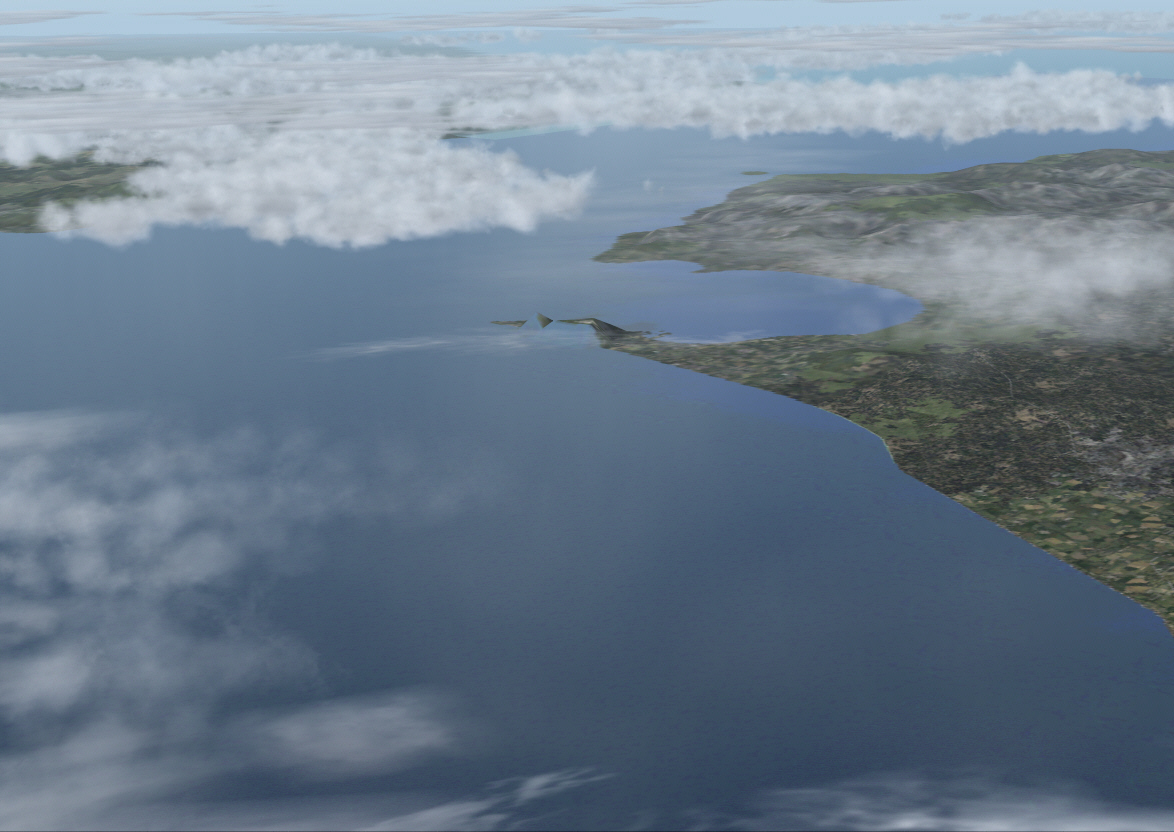
It was at this point yet another VOR discrepancy was encountered. As had occurred following departure from Nice .... I couldn't get an RMI bearing on Gibraltar. It seems there is either no VOR at Gibraltar, or if there is one, then, it is not represented within FS. This then forced dependence upon my alternative "low-tech" navigation system .... composed of a trusty flat world atlas, protractor, ruler, and dividers. I plotted the track between Malaga and Gibraltar to be 235*. My estimate/calculations must have been pretty good .... because within 80 miles there it was in sight .... Gibraltar .... dead ahead and 31,000 FT below ....
Image

Image

Image

Image

BTW that big lump of dog crap (evident upon the virtual tierra firma below) is "Mons Calpe" .... the old Roman name for what has since become known as "The Rock Of Gibraltar .... compliments of a freeware scenery I discovered, and installed, some years ago. Gibraltar was another one of those "critical navigation fixes" necessary in order to be able to determine "a precise track" from there and toward Casablanca (by now some 200+ miles to the S/SW). Without VOR assistance though (and nor could I get a fix on the nearby VEJAR VOR either) I was, yet again, and using my trusty flat world atlas and basic navigation tools, forced to manually plot the track between Gibraltar and Casablanca .... and which I estimated to be on a heading of 222*.

Another method of calculating position with precision is to use LAT/LON co-ordinates (where possible I always like to get dual, or even triple, confirmations in relation to location) .... which, for Gibraltar I researched to be N 36.14.08 W 5.35.36. Having done this I then selected FS key board commands "SHIFT+Z" .... to display FS LAT/LON .... and without making the slightest course alteration/s before these co-ordinates were displayed, by FS, to be in relative agreement with the researched data (as best could be ascertained given some FS NAV data isn't absolutely precise), and whilst also using FS MAP view to confirm when I was "directly overhead Gibraltar Airport" too, I then commenced my turn to 222* .... to track directly toward Casablanca .... whilst also entering its VOR frequency into NAV2, and once again engaging the NAV2 audio function as well. I was however aware my 1950's Anfa Airport scenery did not support any VOR aids, but, figured FS might still recognize the VOR frequency (116.90) for Casablanca's modern airport (located some distance further inland from the old/original and today no longer existent Anfa Airport), and which I reasoned hadn't been rendered temporarily INOP by my retro scenery installation nor removed from the FS NAV data base either.

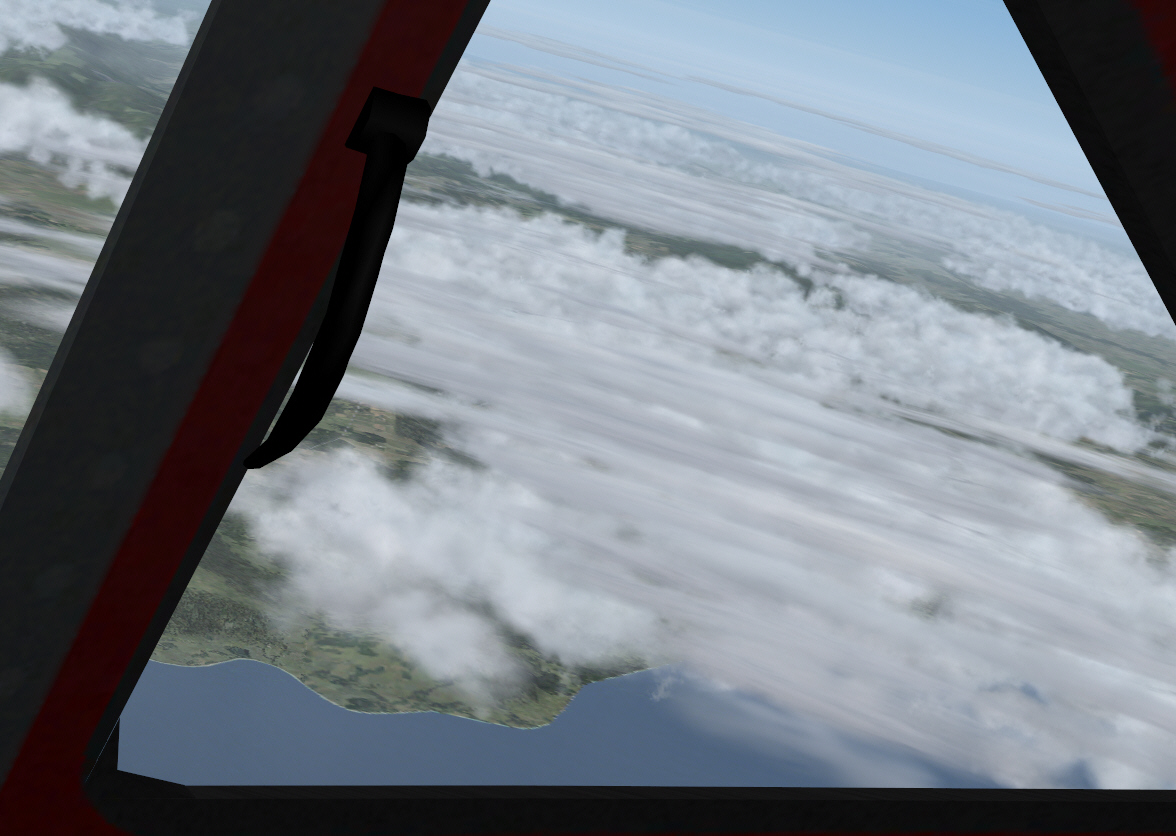
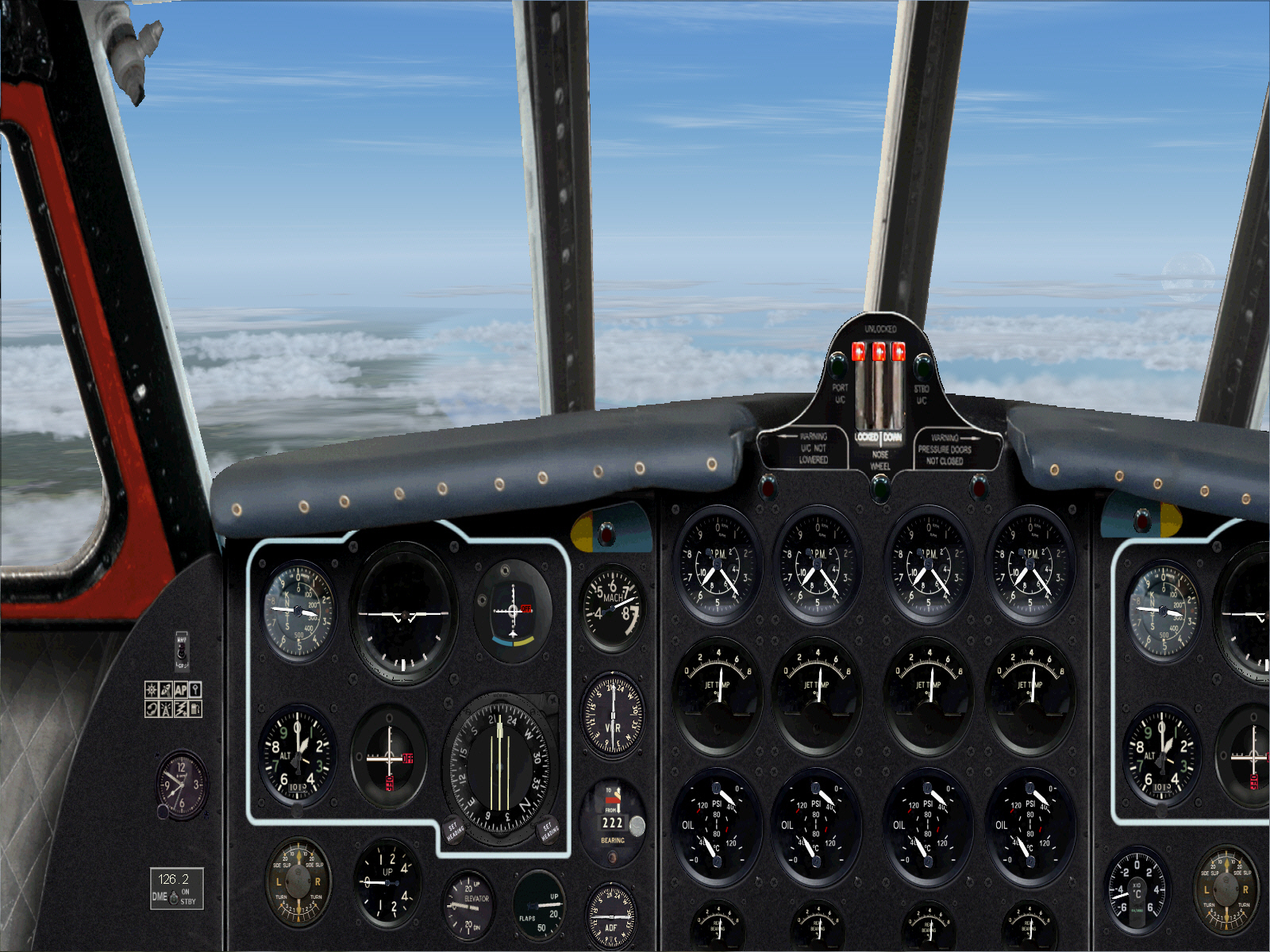
Altering course to 222* to commence the final sector .... from Gibraltar to Casablanca's Anfa Airport .... crossing the Straight Of Gibraltar to track down North Africa's western/Atlantic coast ....
Image

Image

Image

Within a relatively short period the NAV2 audio began chirping away in accordance with its ID signal .... confirming Casablanca was now within 194 miles distant. My hunch in relation to the VOR aid for the modern Casablanca airport had therefore been proven correct.

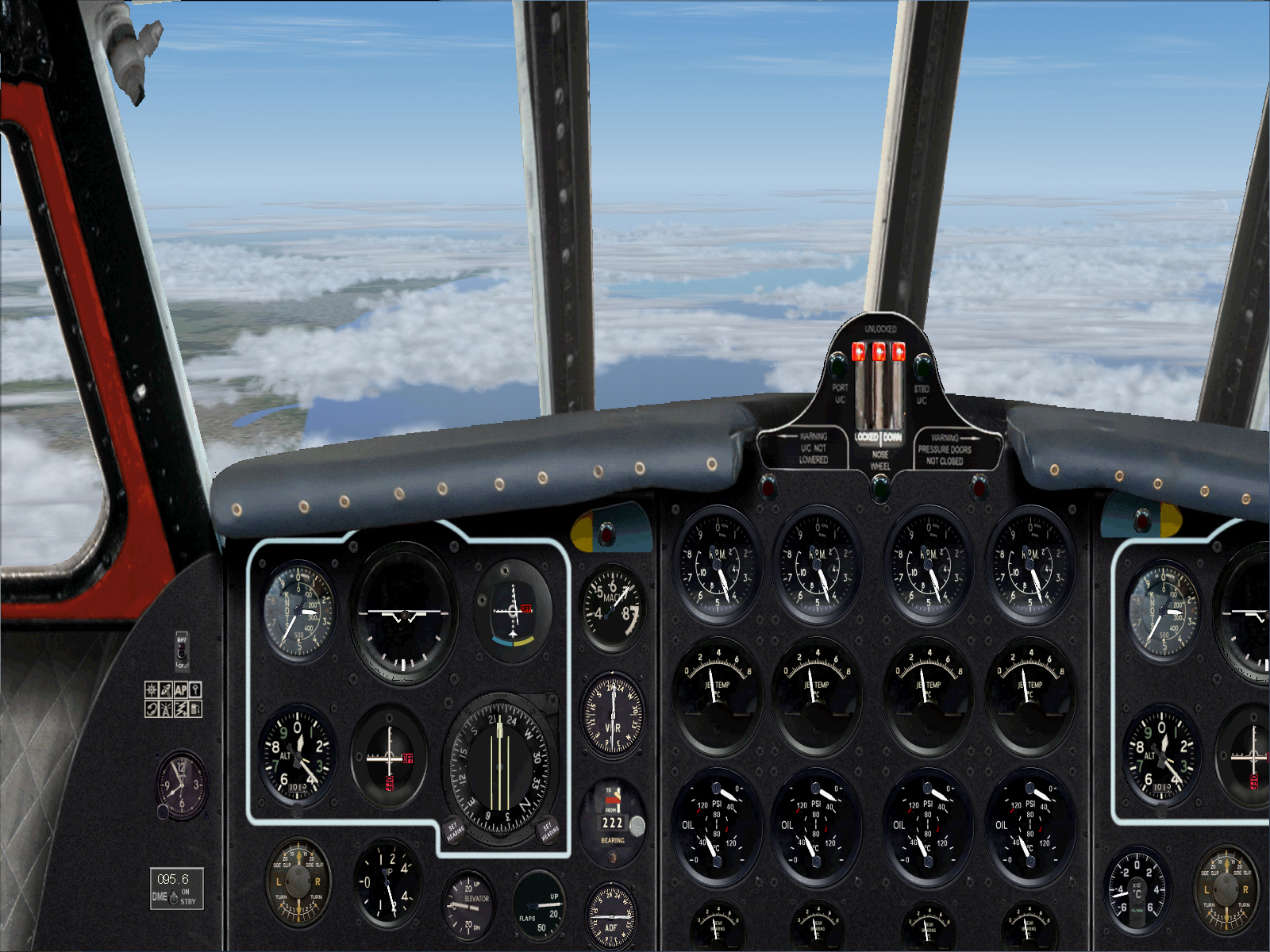
Descending toward Casablanca and 2,000 FT .... to loop out over the city and port area, and back inland again, for a straight in ADF approach to Anfa Airport's RWY 21 ....
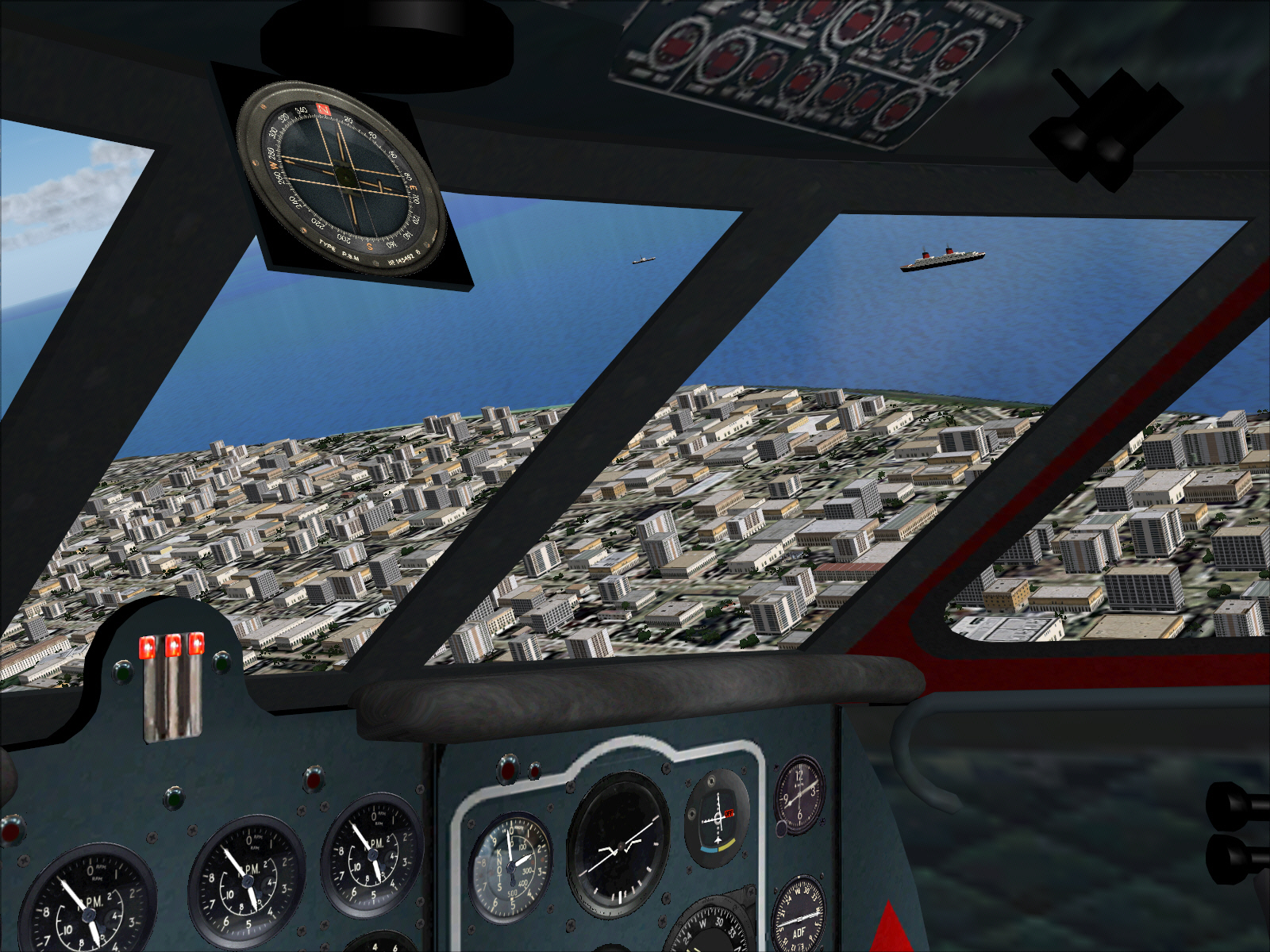
Image

Image

The VOR for Casablanca's modern Airport was of "limited" assistance. It was used merely to determine both direction and distance to run towards Casablanca prior descent .... but otherwise .... it was of no help at all in regard to determining the actual location of Anfa Airport. I had however pre-determined Anfa's location, in relation to the coast, city, and modern Casablanca Airport though .... so had by now formed my own mental set in regards to where everything was located. After a brief loop around the city and port I had no difficulty locating it/Anfa Airport.

On final approach to landing at Casablanca/Anfa Airport ....
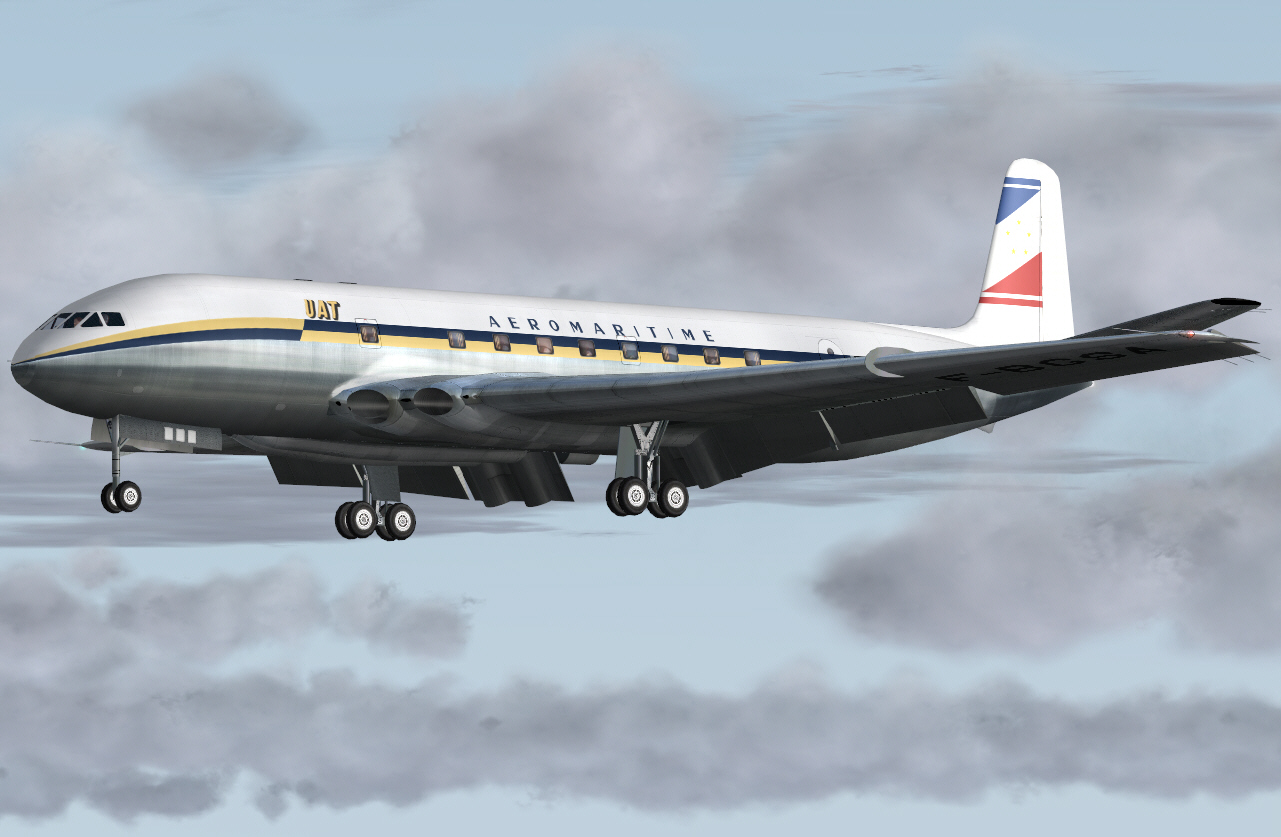
Image

Image

Image

Image

Image

Image

Image

Landing on Casablanca's Anfa Airport RWY 21 ....
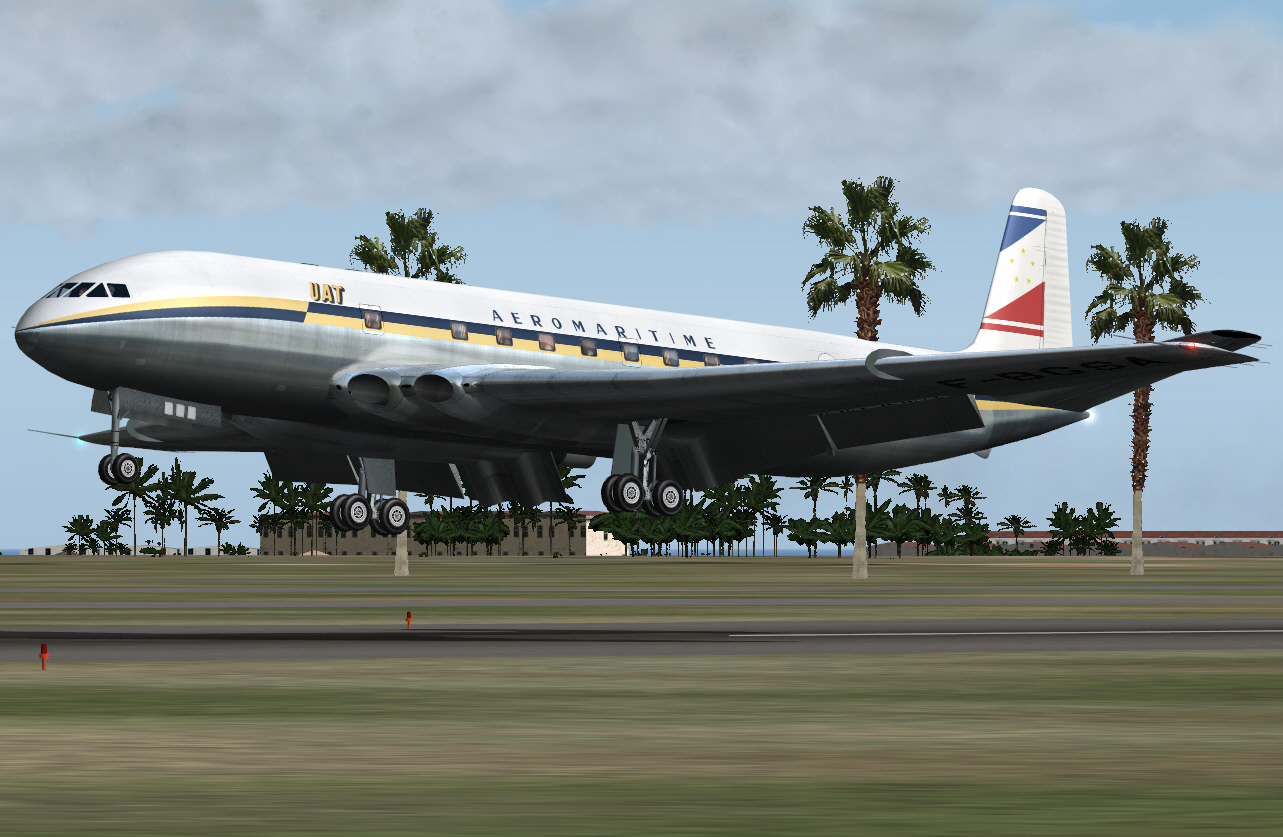
Image

Image

Arrival at Casablanca's 1950's era (and very basic) Anfa Airport Terminal .... upon conclusion of this direct flight from Nice/Cote D'Azur .... covering some 1,068 (+) miles over some 3(+) hours ....
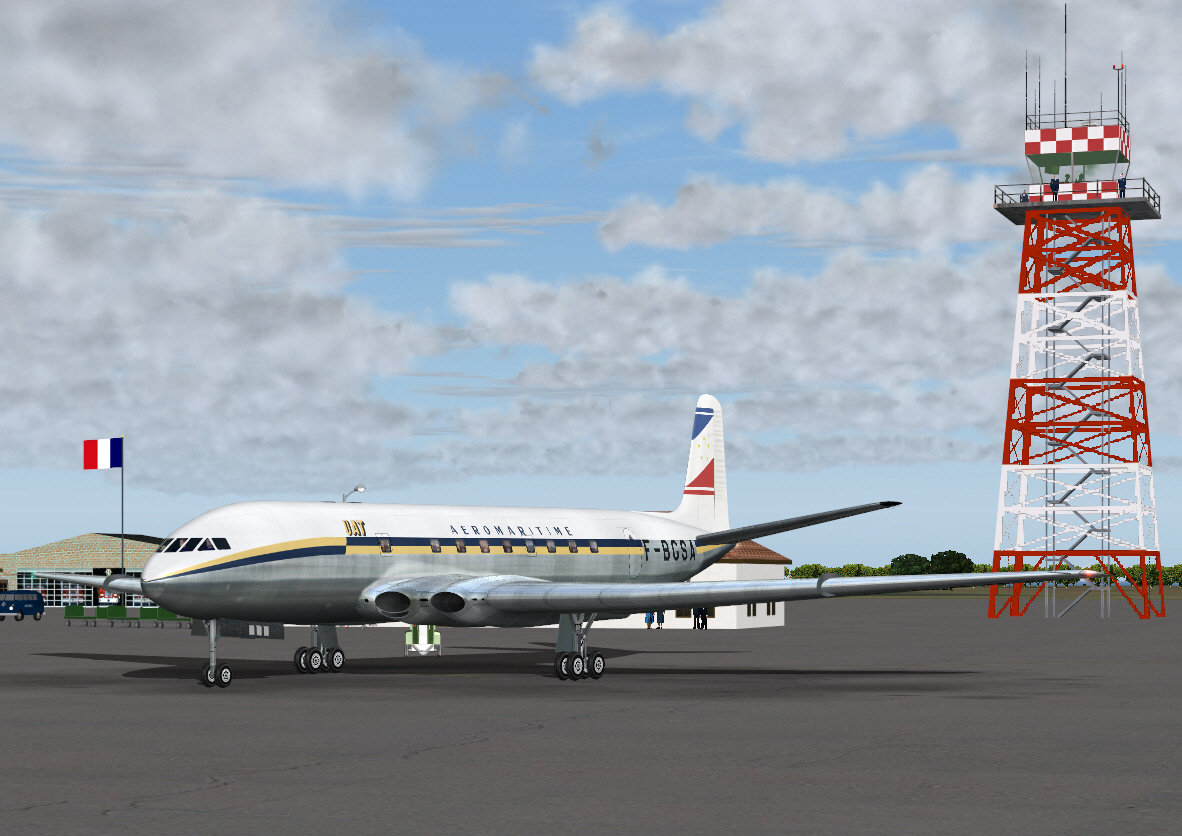

Image


A long flight (in the FS scheme of things at least), but, an enjoyable one too .... despite the unanticipated short-comings of FS NAV resources, and en-route challenges these imposed, and which only conspired to add "real fun and enjoyment (of a positive kind) as well as a sense of accomplishment" too, having successfully flown this particular sector.

Next sector will be Anfa/Casablanca to Dakar/Senegal.

Mark C
AKL/NZ

aerofoto
2nd Lieutenant
2nd Lieutenant
 
Posts: 84
Joined: Mon Feb 19, 2018 3:48 pm

Re: UAT AEROMARITIME - Paris To Brazzaville 1953

Postby aerofoto » Sat May 09, 2026 4:00 am

Time to get the 3rd sector of this "Great African Adventure"/UNION AEROMARITIME DE TRANSPORT 1952/53 COMET IA classic route re-enactment underway.

This particular sector will operate from Casablanca's 1950's era Anfa Airport (the military side of which was known as Nouasseur Air Base until 1959), Morocco, to Yoff International Airport, in the Republic Of Senegal. Both of which are located along North Africa's western/Atlantic coast albeit separated by some 1,424 air miles .... a mild testimony as to the geographic enormity of the African continent.

Again this exercise is being navigated VOR/VOR. The FS GPS "WILL NOT" be used. This particular route is some 400+ miles longer than that of the previous Nice/Casablanca sector. It is flight planned to operate from Casablanca to Dakar .... via the ANFA, MOGODOR, AL MASSIRA AGADIR, LAAYOUNE, DAKHLA, NOUADIBOU, and DAKAR VOR's .... effectively crossing the virtual FS airspace of Morocco (overheading both its Marakesh and Western Sahara regions to the south), Mauretania, and then on to the Republic Of Senegal. The route flown will follow the Atlantic coast of North Africa all the way down to Dakar .... except for a lengthy overwater stretch of flying between Nouadhibou and Dakar.

A full payload is being simulated. This trip will (again) be flown at FL310 and at MACH 0.73. Fuel required for this sector was calculated, by me, to be 37,596 lbs (including reserves). GW for this sector will be 105,956 lbs .... some 10,841 lbs below the COMET IA's certified MGW of 115,000 lb, but still, the heaviest this simulation has been flown yet "during this particular exercise".

ANYWAY ....

Time to virtually "kick the tire and light the fires" ....

Image

About to depart Anfa's RWY 22 .... this will be a "MAX POWER" TO (brakes "ON"/power "UP" then brakes released) due to the combination of RWY length and GW but which are both within the COMET 1A's performance capabilities (cooler early morning ambient temperatures do help a bit also :) ) ....

Image

So .... into the early morning (and early 1950's) virtual Morrocan skies we do go and with all the usual COMET grace and "NOISE" ....

Image

Image

Image

Image

A climbing right turn was executed after TO and from around 1,000 FT .... to head SSW in order intercept the ANFA VOR and track 220* towards the MOGODOR VOR (a distance of some 67 miles) whilst also climbing to FL310 ....

Image

Image

Image

Image

.... and during which Anfa Airport was passed over after TO and during the climb out ....

Image

This is effectively the last sight of Casablanca, so, in those famous words of Humphry BOGART I guess it's .... "HERES TO LOOKING AT YOU KID" ;) ....

https://www.youtube.com/watch?v=kV4R4u09kD0

Intercepting the ANFA VOR's 220* radial towards MOGODOR VOR .... a distance of some 163 miles.

Image

Image

Image

At FL310 and cruising at MACH 0.73 over western Morocco's Marrakesh-Safi region .... and now intercepting the MOGODOR VOR's 169* radial to track towards AL MASSIRA AGADIR VOR .... over a distance of some 67 miles ....

Image

Image

Image

Now intercepting the AL MASSIRA AGADIR VOR's 230* radial .... to track some 230 miles towards the LAAYOUNE VOR and over flying the Souss-Massa region of SW Morocco ....

Image

Image

Image

Image

Continuing down Morroco's Atlantic coast .... and now intercepting the LAAYOUNE VOR .... with a very minor course alteration to 221* in order to track some 343 miles toward the DAKHLA (not Dakar) VOR ....

Image

Image

Image

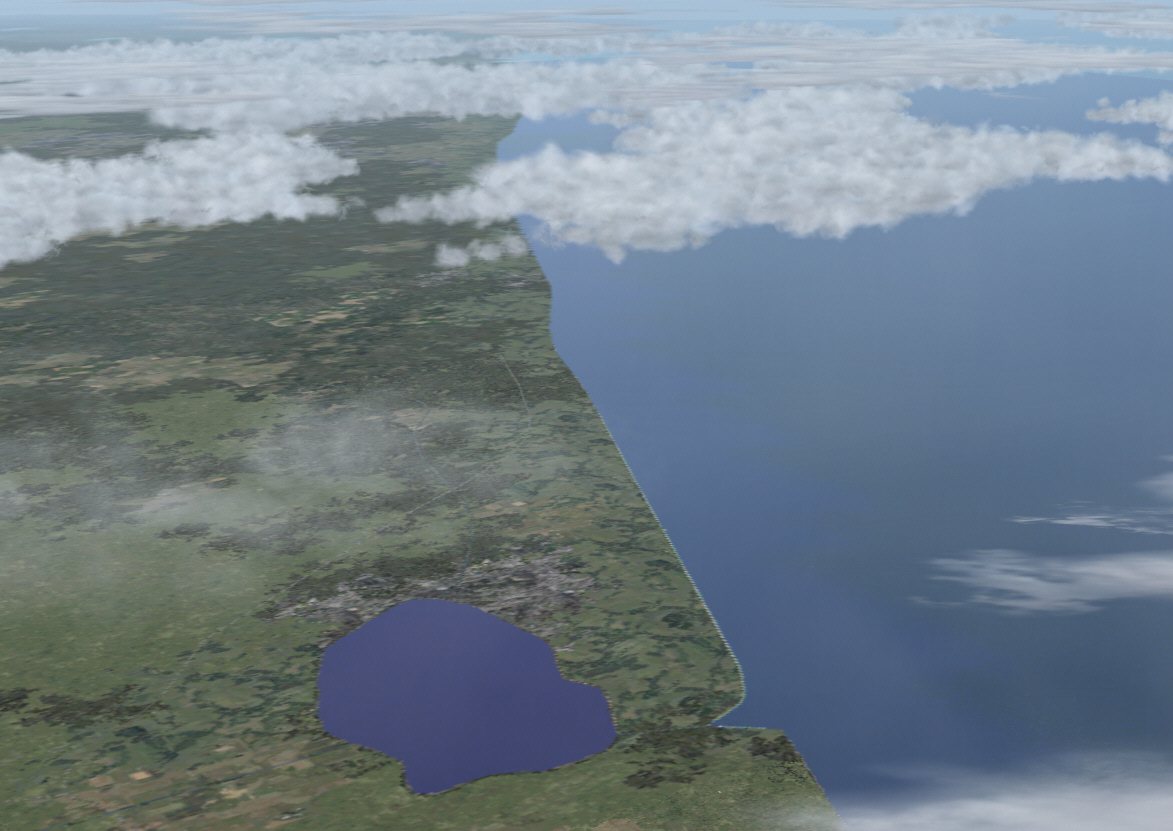
Continuing on the established 221* course and about to over fly southern Morroco's Western Sahara/Dakhla region .... with its geographically distinctive ("lush green" .... YEAH RIGHT .... FOR THE SAHARA !!!! ) and lengthy coastal peninsula ....

Image

Further to my above comment in relation to the "inappropriately green" default FS9 Sahara/African regions: FS Land Class, by Toni ARGRAMONT, for Morocco, the Sahara, and other African regions .... among other geographic regions of the world too, and also featuring other detail components .... "IS" available (it's just that I do not, as yet, have it installed). Since FS.COM is "TEMPORARILY OFF LINE" .... one's best bet in order to obtain this scenery upgrade data is to search for files by "Toni AGRAMONT" within the AVSIM.COM (and possibly SIMVIATION.COM) libraries.


Now intercepting the DAKHLA VOR with a course change to 205* toward the NOUADIBOU VOR .... over some 188 miles .... and overheading its peninsular which is vey geographically very similar to that of Dakhla ....

Image

Image

Image

Image

Image

Image

Image

Image

Intercepting the NOUADIBOU VOR's 190* radial (near Mauritania's northern border with Morocco's (disputed) Western Sahara region .... to track toward the DAKAR VOR .... still some 400+ miles distant ....

Image

Image

It is whilst traversing this 190* course (and remember FS VOR range is only good for 194 DME .... beyond which AP "HDG HLD" is best engaged in order to maintain any previously established track if the following/next VOR is still out of range), the western coast of North Africa trends eastward and out of view/away from this direct track between both NOUADIBOU VOR and DAKAR VOR's .... and this established track then continue to proceed SSW over the Atlantic Ocean until reaching Dakar .....

Image

Image

And some 400 miles later North Africa's Atlantic coast eventually trends back into view again/nearing the conclusion of this established 190* track upon nearing the northwestern-most shores of Senegal .... with descent, down to 3,000 FT, being commenced at precisely 100 DME/miles from Dakar ....

Image

Image

Image

Level at 3,000 FT now and maneuvering up the north-western coast of Senegal and towards the locality of Aeroport International De Dakar-Yoff (today known as Léopold Sédar Senghor International Airport .... since 1996) ....

Image

Image

Image

Intentions are to overfly the airport by a few miles beyond its western perimeter .... turn left to 180 to run south/ parallel to, and to the right of, RWY 18/36 .... run for some 10 miles on this downwind leg .... then turn left to 090* for the base leg .... and with another left turn to 360* to commence an ADF approach to landing.

Commencing the approach to landing ....

Image

Image

Image

On final approach to landing ....

Image

Image

Image

Landing on Aeroport International De Dakar-Yoff's RWY 36 ....

Image

Image

Image

Image

Image

To conclude with another safe arrival at the terminal .... and with a couple of days rest (for me :) )

Image

A very long trip (in FS terms) of some 4 hours. Despite my not having any charts for Africa (barring a large flat world map of the entire continent .... which I didn't even use on this occasion) I found the "FREE" aeronautical charts accessible at SKY VECTOR to be a real asset/absolutely indispensable ....

https://skyvector.com/

All required NAV aids along the entire route I selected to fly were included within the FS navigation data base .... unlike was the case for Southern France (and which surprised me somewhat at the time) upon commencement of the previous sector.

Mark C
AKL/NZ
aerofoto
2nd Lieutenant
2nd Lieutenant
 
Posts: 84
Joined: Mon Feb 19, 2018 3:48 pm

Re: UAT AEROMARITIME - Paris To Brazzaville 1953

Postby aerofoto » Sat May 09, 2026 4:01 am

Time to do some more virtual tire kicking and fire lighting in order to get the 4th sector of this "Great African Adventure"/UNION AEROMARITIME DE TRANSPORT 1952/53 COMET IA classic route re-enactment underway.

This particular sector will operate from Dakar's 1950's era Yoff International Airport (a nice rendition of which is represented by Tom GIBSON's retro scenery team), Republic Of Senegal, to Félix-Houphouët-Boigny International Airport International Airport (also known as Port Bouët Airport), Cote D'Ivoire .... albeit the airport scenery for this destination airport is unfortunately "a bloody awful" default FS9 rendition of what it could/should be (there's no 1950'/60's era retro addon sceneries available for this particular destination airport), so, it "is" what it "IS" .... because at the end of the day beggars can't be choosers :( :)

As has been the case throughout this exercise (and that of my earlier Paris/Beirut AF COMET caper too), the entirety of this flight will be navigated VOR/VOR. Despite not having RW aeronautical charts for this particular route I was able to source the data I needed online using the following-linked "free" SKY VECTOR service ....

DAKAR/ABIDJAN SKY VECTOR CHART
https://skyvector.com/

From the NAV references within this data I then compiled the following flight plan, to suit my intentions, and which is presented below .... listed in the order of NAV Aid name and frequency, Track/Course flown, and then the distances between each aid also ....

DAKAR/ABIDJAN FLIGHT PLAN

DAKAR, RWY 30 (departure)
ANITA/DAKAR (113.10), 156*, 97 Miles
BANJUL/YUNDUM (112.90, 147*, 285 Miles
GEBESKA/CONARCKY (114.90), 162*, 62 Miles
LUNGI/FREETOWN (115.50), 138*, 221 Miles
ROBERTS/MONROVIA (113.80) 104*, 389 Miles
ABIDJAN (114.30), RWY 21 (arrival)

TOTAL DISTANCE = 1,054 Miles
FUEL REQUIRED = 31,905 LBS (including reserve)
GW = 100,285 LBS
AIRSPEED = MACH 0.73 (cruise)
FLIGHT TIME = 3 HOURS (approx)


This particular route tracks SE/SSE from Dakar/Senegal and over the western/Atlantic coast of The Gambia, Guinea-Bissau, Sierra Leone, then inland across northern/central Liberia, and to the Abidjan region of Cote D'Ivoire on the Central African Atlantic coast. Having satisfied myself that loading, the selected routing, and my fuel calculations were all good it was then time to get underway ....

Ready to depart the ramp at Dakar-Yoff International Airport ....

Image

Image

Departure from Dakar's RWY 30 .... brakes locked "ON", power "UP, and holding the simulation until almost "MAX POWER" is achieved (the DH GHOST 50 MK2 turbojet engines do to tend to be "SLOW SPOOLERS" within their very high power regime) and prior to releasing the brakes for TO acceleration ....

Image

Airborne and out of Dakar .... with destination Abidjan, Cote D'Ivoire ....

Image

A climbing right turn was executed from 1,000 FT following TO to intercept the 156* radial from the ANITA/DAKAR VOR .... and during which the airport perimeter was overflown within close proximity to the south ....

Image

Image

Image

Image

Intercepting the ANITA/DAKAR VOR's 156* radial ....

Image

Image

Established on the ANITA/DAKAR VOR's 156* radial towards BANJUL/YUNDUM VOR some 97 miles distant .... and climbing towards FL310 ....

Image

Image

Image

The heavy COMET IA needed almost every mile of the 97 mile track between both ANITA/DAKAR and BANJUL/YUNDUM VOR's to reach its TOC .... before becoming established at FL310/cruising altitude then commencing the slow level acceleration toward MACH 0.73

Image

At 97 miles from the ANITA/DAKAR VOR a mild 9* course adjustment was made from the established 156* radial .... to intercept the BANJUL/YUNDUM VOR's 147* radial towards the GEBESKA/CONAKRY VOR .... some 205 miles distant ....

Image

Image

Image

Image

Image

Cruising at FL310, and at MACH 0.73, and now intercepting the GEBESKA/CONAKRY VOR's 162* radial towards LUNGI/FREETOWN .... some 221 miles distant ....

Image

Image

Image

Image

It was during/nearing the end of this particular sector I detected "a not uncommon" issue within FS .... to the extent that RW charts I was referencing for this particular track/route "ARE CORRECT", but, the actual "FS location" of the next VOR (LUNGI/FREETOWN) seemed to be "OUT OF POSITION" (to the west) by more than 10 miles. My first reaction was .... maybe I misread one of the available tracks between BANJUL/YUNDUM and LUNGI/FREETOWN VOR's (since there is an alternative diagonally parallel track toward another NAV Aid further south and inland from this North/Central African coastal route), but, upon reviewing my selected track later it was confirmed I had not made any such error .... my selected track was correct .... therefore it seems the FS placed target NAV Aid was "OUT OF POSITION" (and not me). When using current RW charts in the virtual and "flat FS9 world" every serious FS enthusiast/navigator should perhaps be aware of potential for these sorts of discrepancies ("FS Nav Aids" can be slightly "OUT OF POSITION" in relation to their actual location on current RW charts). This turned out to be "nothing of major consequence" though. Rather than alter my established 162* course towards the LUNGI/FREETOWN VOR .... I simply elected to maintain my established track (albeit obviously slightly more to the east of where I was expecting to be) and which would, eventually, still intercept the intended 138* radial from LUGI/FREETOWN anyway albeit a 3 or 4 dozen miles later .... c'est la vie .... et il n'y a pas de problème sauf si on en fait un (as is said in France or might be communicated aboard any French aircraft under such circumstances :) ). The essential things are .... I knew where I was, in conjunction with where I was going, and I was aware of observed discrepancy.

Intercepting the LUNGI/FREETOWN VOR's 138* radial towards the ROBERTS/MONOVIA VOR .... albeit slightly later (although successfully) than anticipated ....

Image

Image

Image

Some 221 miles later: Still cruising at both MACH 0.73 and at FL310 .... intercepting the ROBERTS/MONOROVIA VOR's 104* radial towards Abidjan .... and which is the longest sector on this particular route being a track of some 389 miles ....

Image

Image

Image

Image

Image

Image

Image

Again aided by current real world chart data I was referencing I detected yet another (possible) minor NAV Aid placement error near the conclusion of this particular sector too .... in that the "FS location" of the ABIDJAN VOR appeared to be slightly "OUT OF POSITION" also (to the west) .... not by much, but, enough for me to note, and then correct, in accordance with displayed RMI bearings as I neared ABIDJAN's VOR closer to the conclusion of this final sector.

TOD .... and descending toward ABIDJAN (and 2,500FT) now some 90 miles distant ....

Image

A little while later: On approach toward Abidjan's Félix-Houphouët-Boigny/Port Bouët Airport International Airport on the Cote D'Ivoire of Central/North Africa's Atlantic coast .... from the NE .... and no arrival pattern to fly prior to commencing this almost straight in approach to landing ....

Image

Image

Image

A late afternoon final approach to landing ....

Image

Image

Image

Landing on Abidjan's RWY 21 ....

Image

Image

And finally: Arrival at the "BLOODY AWFUL DEFAULT FS9 RENDITION" of Abidjan's Félix-Houphouët-Boigny/Port Bouët Airport International Airport's terminal :( :)

Image

Next sector will be the last .... Abidjan to Brazzaville in The Congo (a total distance of some 1,480 miles), and which is as far south as UAT's Paris based COMET IA services flew into the former French colonies of the North/Central African west coast .... unless I decide to extend this routing north, from Brazzaville to Kano (a distance of some 1,200) miles, and then on to Douala/Cameroon too (a further distance of some 560 miles) .... and at which point I will then, definitely, be taking an "enormity of the African continent imposed" break.

Mark C
AKL/NZ
aerofoto
2nd Lieutenant
2nd Lieutenant
 
Posts: 84
Joined: Mon Feb 19, 2018 3:48 pm

Re: UAT AEROMARITIME - Paris To Brazzaville 1953

Postby aerofoto » Sat May 09, 2026 4:02 am

It's the 5th sector and conclusion of this "Great African Adventure"/UNION AEROMARITIME DE TRANSPORT 1952/53 COMET IA classic route re-enactment ....


This particular sector will operate from (that appallingly poor default FS9 rendition of) Félix-Houphouët-Boigny International Airport (also known as Port Bouët Airport), in the Cote D'Ivoire, to Tom GIBSON's great little 1950's/60's rendition of N'Djili International Airport (also known during earlier times as Aeroport De Leopoldville), Brazzaville, in the DR Congo.

Nice little period airport creation Tom .... "THANKS" for that ;)

Brazzaville is as far south as UAT COMET IA aircraft operated from Paris, to France's former colonies of North and Central Western Africa, during 1953 and 54 .... prior to withdrawal of the COMET I/IA/II airworthiness certificate following the 1954 BOAC disasters.

As usual this "particularly long flight" (in FS terms) will be navigated VOR/VOR aided by relatively current (it seems) aeronautical navigation data accessible at SKY VECTOR .... per the following link ....

SKY VECTOR
https://skyvector.com/

Using NAV references accessible per the above-linked site I compiled the following flight plan (to again suit my own intent) and which is presented below .... once again listed in the order of NAV Aid name and frequency, Track/Course flown, and then the distances between each aid also ....

ABIDJAN/BRAZZAVILLE FLIGHT PLAN

ABIDJAN, RWY 21 (departure)
ABIDJAN (114.10), 089*, 226 Miles
ACCRA (113.10, 073*, 92 Miles
LOME (115.30), 084*, 68 Miles
CONTONOU (113.30), 072*, 60 Miles
LAGOS (113.70), 117*, 240 Miles
PORT HARCOURT (113.50) 116*, 156 Miles
DOUALA (112.90), 147*, 404 Miles
FRANCEVILLE (116.10), 146*, 189 Miles
BRAZZAVILLE (113.10) RWY 06 (arrival)

TOTAL DISTANCE = 1,435 Miles
FUEL REQUIRED = 34,000 LBS (including reserve)
GW = 102,343 LBS
AIRSPEED = MACH 0.73 (cruise)
FLIGHT TIME = 4+ HOURS (approximately)


This particular route starts out by tracking E from Abidjan/Cote D'Ivoire, along the Atlantic coast of Central Africa, across the territories of Ghana, Togo, Benin, and into Nigeria, then trending ESE and SSE across Cameroon, and into Kinhassa/Brazzaville region of the DR Congo.

Ready to depart the ramp at (that appallingly FS9 rendition of) Abidjan's/Core D'Voires Félix-Houphouët-Boigny International Airport ....

Image

Departure from Abidjan's RWY 21 .... again brakes locked "ON", power "UP, and holding the simulation on its brakes until almost "MAX POWER" is achieved (standard COMET I/IA routine .... only around 30 seconds or so delay .... one pushes the levers "UP and the power then comes along a little later/slowly) and prior to releasing the brakes for TO acceleration ....

Image

Airborne and out of Abidjan .... with destination Brazzaville, DR Congo ....

Image

Image

A climbing left turn was executed from 1,000 FT following TO to intercept the 089* radial from the ABIDJAN VOR .... and during which Abidjan's coastal region, and the airports southern perimeter, were overflown during climb out ....

Image

Image

Image

Image

Intercepting the ABIDJAN VOR's 089* radial ....

Image

Image

Established on the ABIDJAN VOR's 089* radial towards ACCRA VOR .... some 227 miles distant .... and cruising at FL310 and at MACH 0.73 ....

Image

Image

Image

Some 227 miles from Abidjan course was adjusted to intercept the ACCRA VOR's 073* radial towards the LOME VOR .... some 92 miles distant .... and during which the coastal regions of Ghana, Togo, and Benin were each overflown towards Nigeria ....

Image

Image

Image

Image

Cruising at FL310, and at MACH 0.73, and now intercepting the LOME VOR's 084* radial towards CONTONOU VOR .... over a short distance of some 62 miles ....

Image

Image

Image

Image

Image

Image

Now intercepting the CONTONOU VOR's 072* radial towards the LAGOS VOR .... another short track of some 60 miles ....

Image

Image

Image

Some 60 miles later, and still cruising at both MACH 0.73 and at FL310 .... intercepting the LAGOS VOR's 117* radial towards PORT HARCOURT VOR .... over a respectable distance of some 240 miles ....

Image

Image

Image

Image

Image

Image

Now intercepting the PORT HARCOURT VOR with a very minor course adjustment to 117* .... to track some 156 miles toward the DOUALA VOR whilst continuing to track down the Central African Atlantic coast ....

Image

Image

Image

Image

It was during this sector that the Central West African Island of Bioko (located in the Gulf Of Guinea .... and which a possession of Equatorial Guinea) passed off to starboard ....

Image

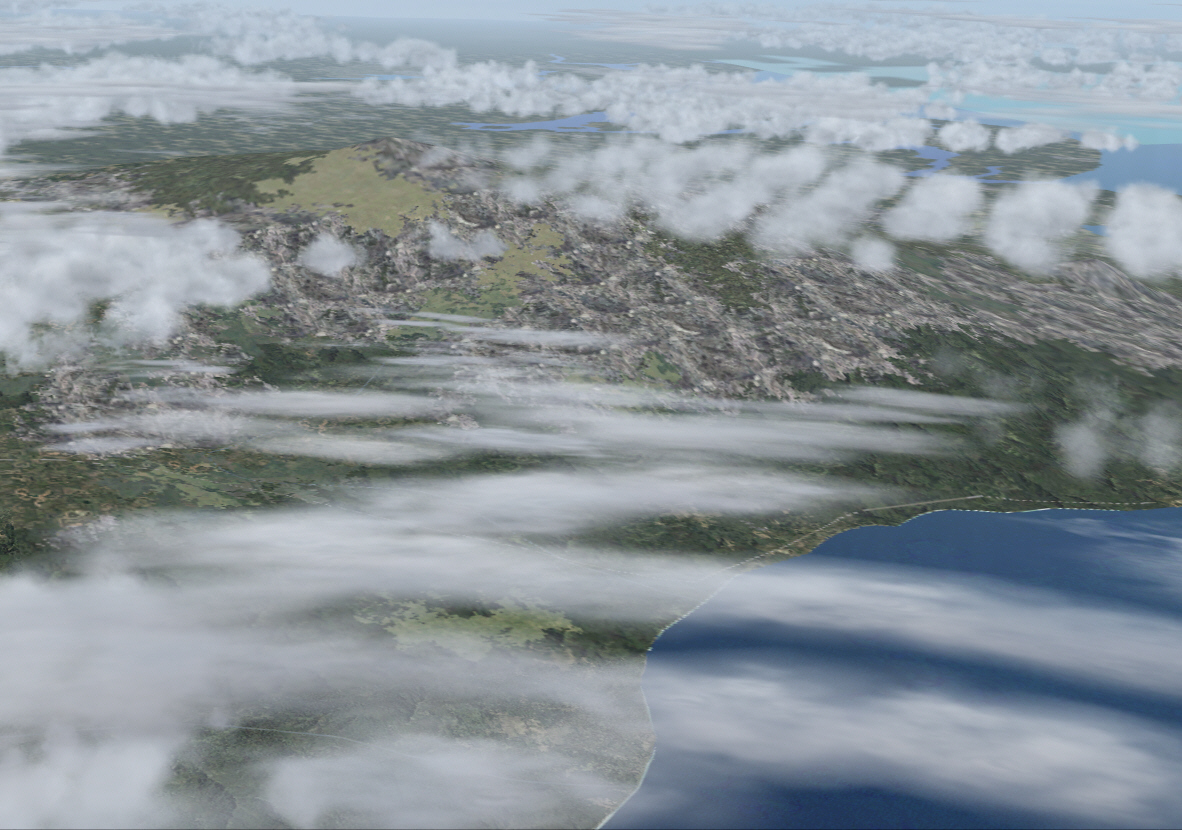
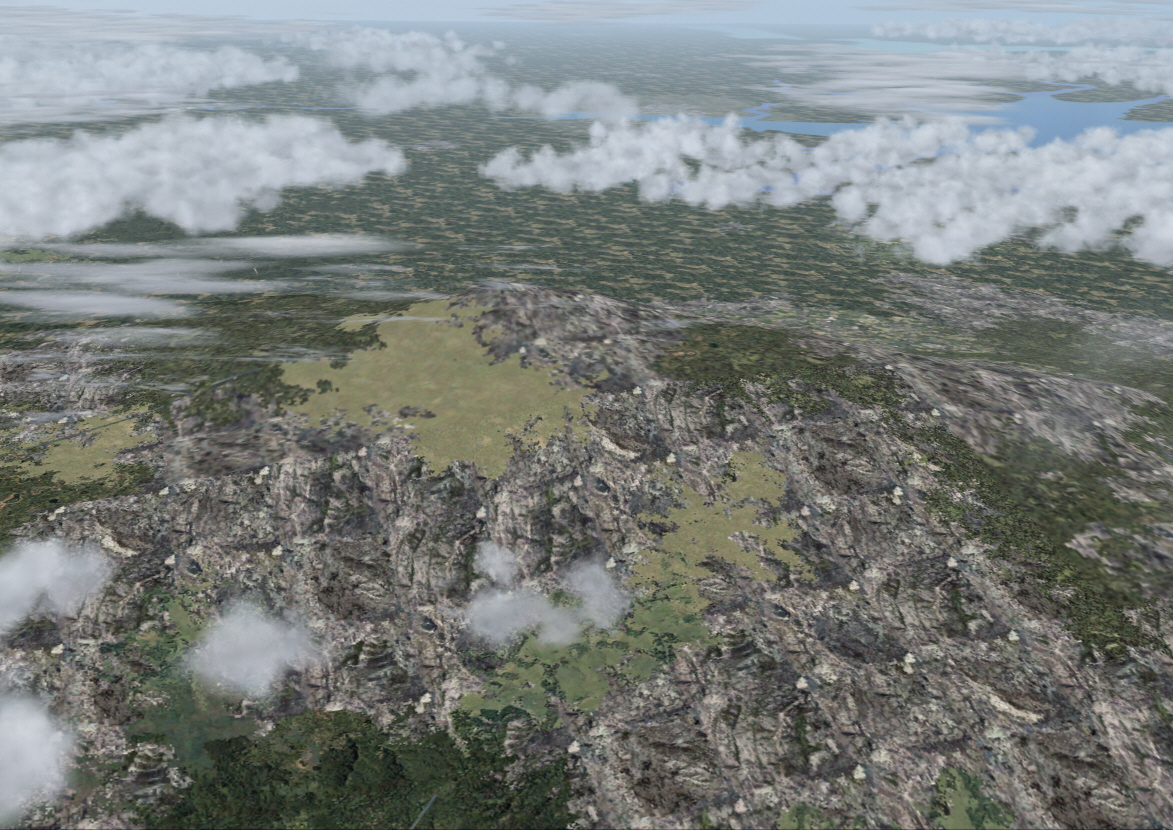
.... followed by the first sighting of any significant high ground seen during African sectors of this entire trip since overflying the alpine region of France between Paris and Nice .... as Douala is neared ....

Image

Image

And some 156 miles later still .... now intercepting the DOUALA VOR's 147* radial as the track now begins trending somewhat inland over the next 404 miles towards the FRANCEVILLE VOR .... the longest sector on this virtual flight ....

Image

Image

Image

Image

Image

Now intercepting the FRANCEVILLE VOR's 146* radial .... at the start of the final 189 mile leg/sector towards Brazaville/the DR Congo ....

Image

Image

Image

Image

TOD was reached, and descent commenced, some 100 DME/miles from the DR Congo's N'Djili/Leopoldville International Airport ....

Image

On approach to landing on N'Djili/Leopoldville International Airport's RWY 24 ....

Image

Image

Landing on N'Djili/Leopolddville International Airport's RWY 24 ....

Image

Image

Image

Image

Image

Image

AND FINALLY .... arriving safely at Tom GIBSON's "rather nice" 1950's/early 60's era rendition of the DR Congo's N'Djili/Leopoldville International Airport, upon the conclusion of this long, but otherwise very enjoyable, direct virtual service between Abidjan and Brazzaville ....

Image

Image

And "THAT'S IT" .... from me ;)

Just been doing some virtual mileage figures for this entire UAT COMET IA trip ....

Paris/Nice = 420 air miles
Nice/Casablanca = 1,068 air miles
Casablanca/Dakar = 1,420 air miles
Dakar/Abidjan = 1,110 air miles
Abidjan/Brazaville = 1,480 air miles

TOTAL DISTANCE = 5,498 air miles

Only virtual game miles .... of course and which accounts to nothing of any real significance really (other than it all being a whole lot of time wasted sitting on my bum doing "absolutely nothing at all"), but, these figures do/did surprise me ne-the-less. What surprised me .... looking back on these exercises .... is how time seemed to pass so quickly on the longest sectors. I guess the classic saying's true them .... "TIME FLIES (pun unintended) WHEN ONE's HAVING FUN" :)

Mark C
AKL/NZ
aerofoto
2nd Lieutenant
2nd Lieutenant
 
Posts: 84
Joined: Mon Feb 19, 2018 3:48 pm


Return to Simulation Screenshots Showcase

Who is online

Users browsing this forum: No registered users and 195 guests