The G.1. was designed and built in a record breaking time of 7 months under the supervision of ingenieurs Beeling and Schatzki, two senior designers of Fokker. Work started in March 1935 after receipt of a configuration from the French Airforce for a two engine heavy fighter that was supposed to utilize French equipment: Hispano Suiza engines, instruments, and a landing gear to be delivered by Olaer
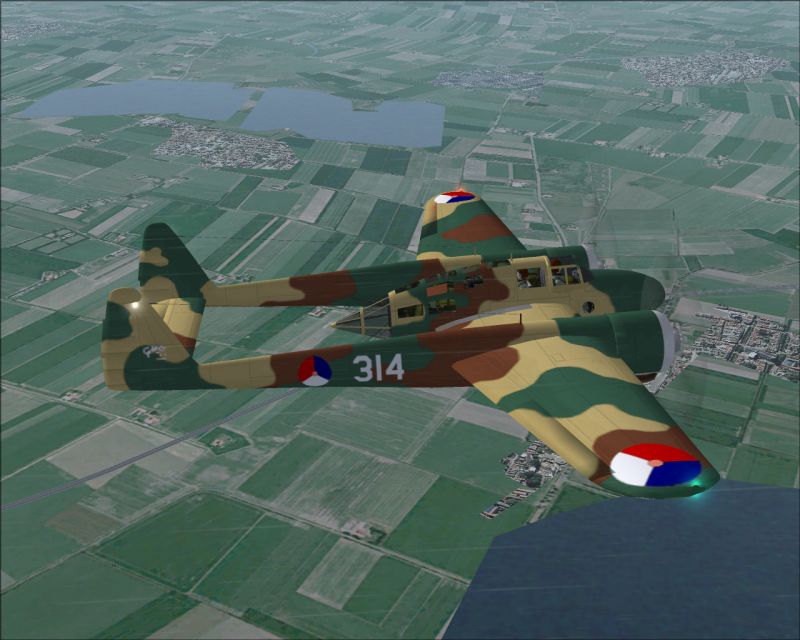
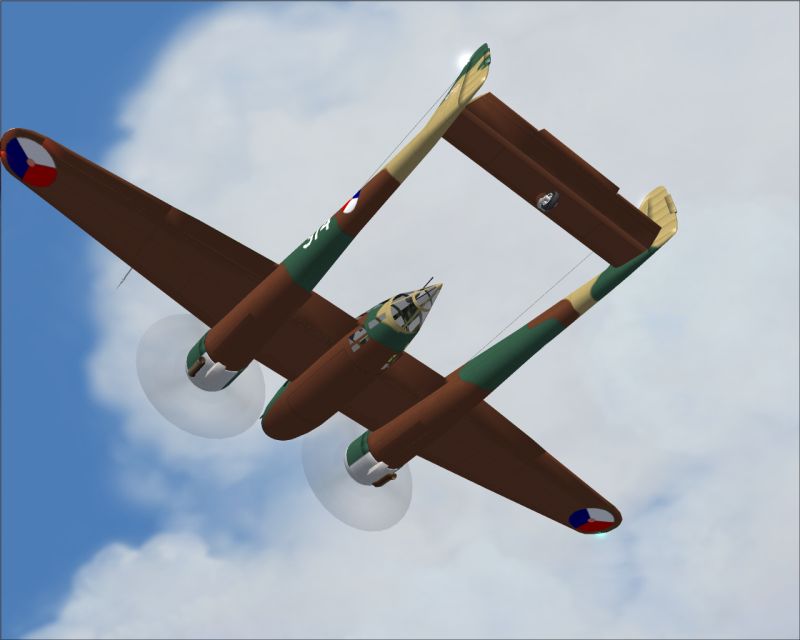
Designed as 'air cruiser', this was a twin-boom, twin-engined fighter aircraft. It was made before the second world war and used by the Dutch Air force in 1937.
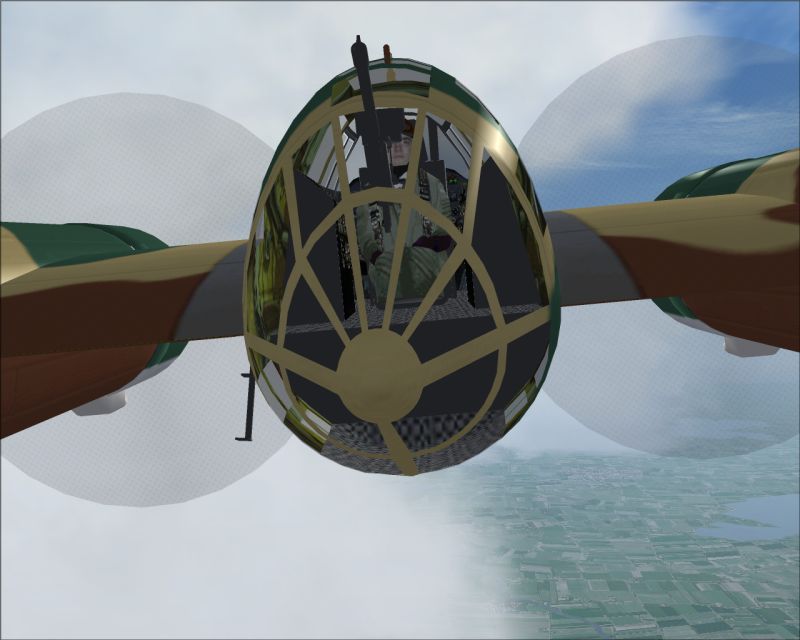
The rear part of the fuselage ended in a beautiful conical turret that could turn completely around its axis, giving the gunner a full 360 deg aim. The machine gun could be aimed by opening perspex panels running the full length of the turret.
The aviation salon of Paris
Even before the first flight of the G.1. Fokker sent its G.1. to the aviation salon of Paris. He expected a lot of interest for the creation of his designers. This expectation proved right and became true: the G.1. was the sensation of the show.
The prototype was hung under steel cables between planes of Polish and Russian contenders. The plane got several nicknames on this show that pointed to the heavy armament in the nose: the French called the G.1."le Faucheur", which means "Mower" and the British called the plane "Reaper". There is some doubt if the French came up with that name them selves; a lot of people think that Fokker made that name up himself.
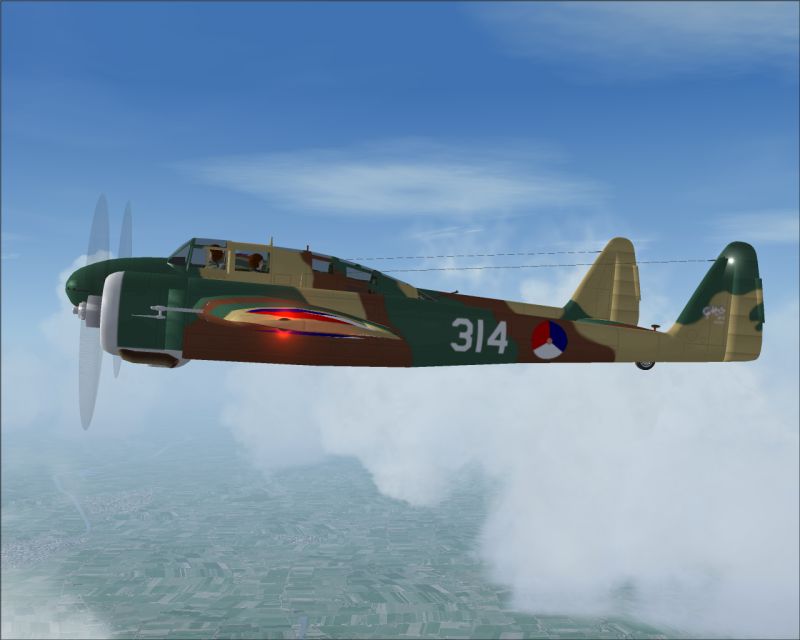
The armament in the nose, the prototype had 2 23 mm cannons with 100 shells and 2 7,9 mm machineguns with 550 cartridges, was connected to this frame.
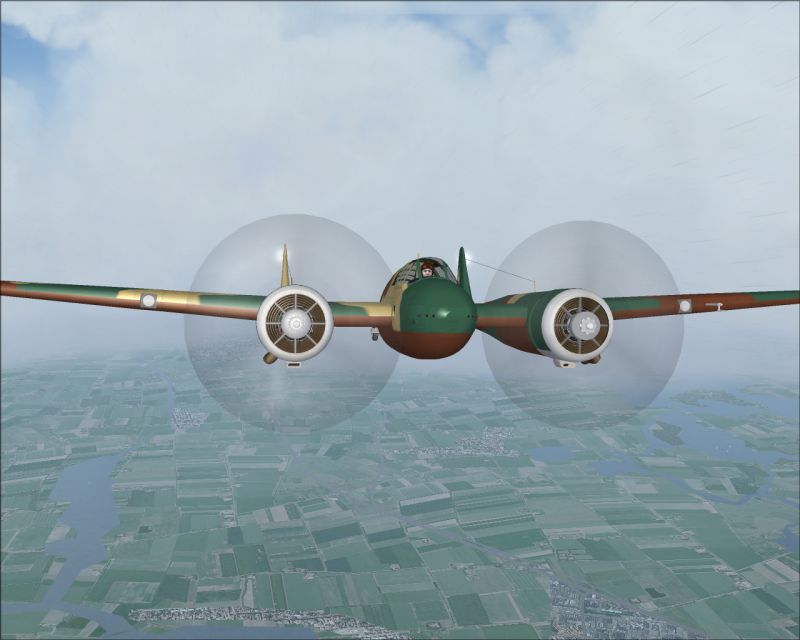
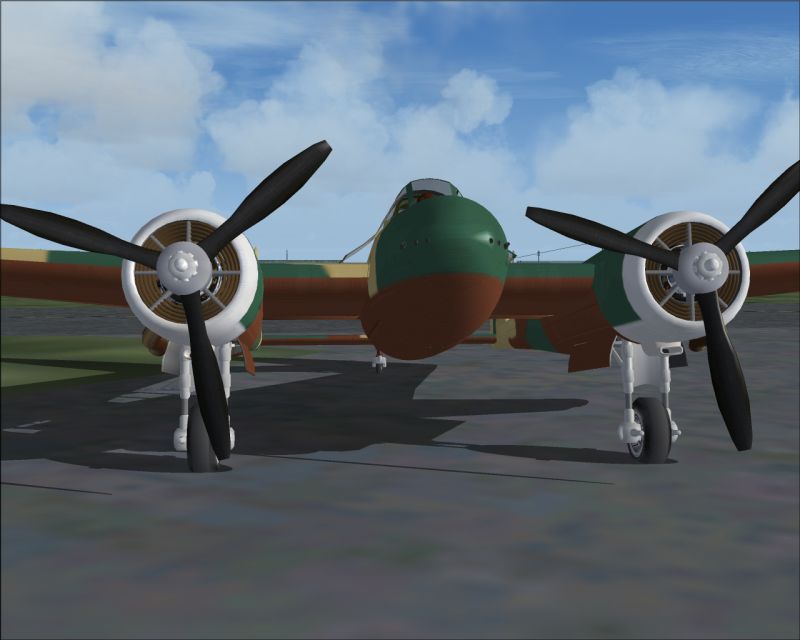
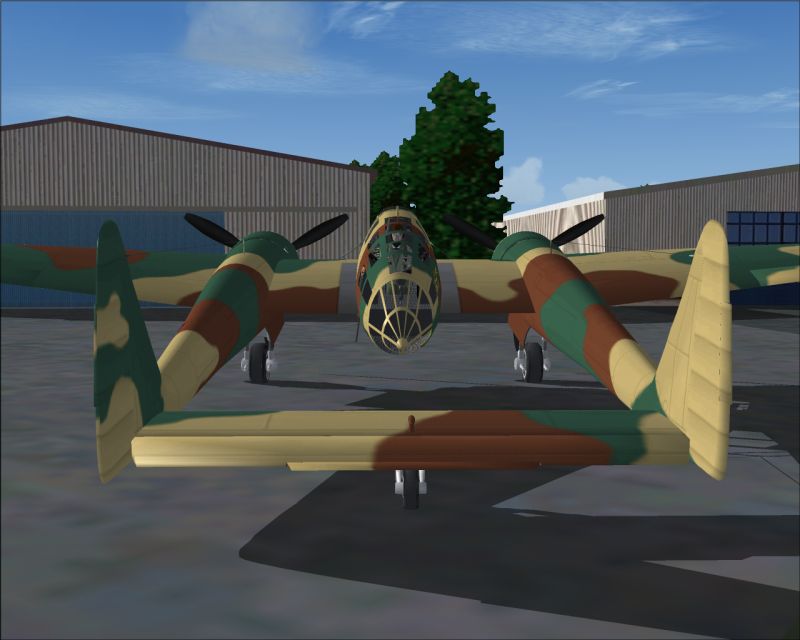
With its heavy armament and clean lines, the G.1. was the best aircraft the Dutch air force had in May 1940.
It was fitted with eight machine-guns in the front and one machine-gun in the rear to defend an attack from behind the aircraft.
Specs:
Typenumber G.1.
Type of aircraft Fighter
Country The Netherlands
Date 1935
Wingspan 16.50m
Height 3.35m
Wing Area:






 ????
????