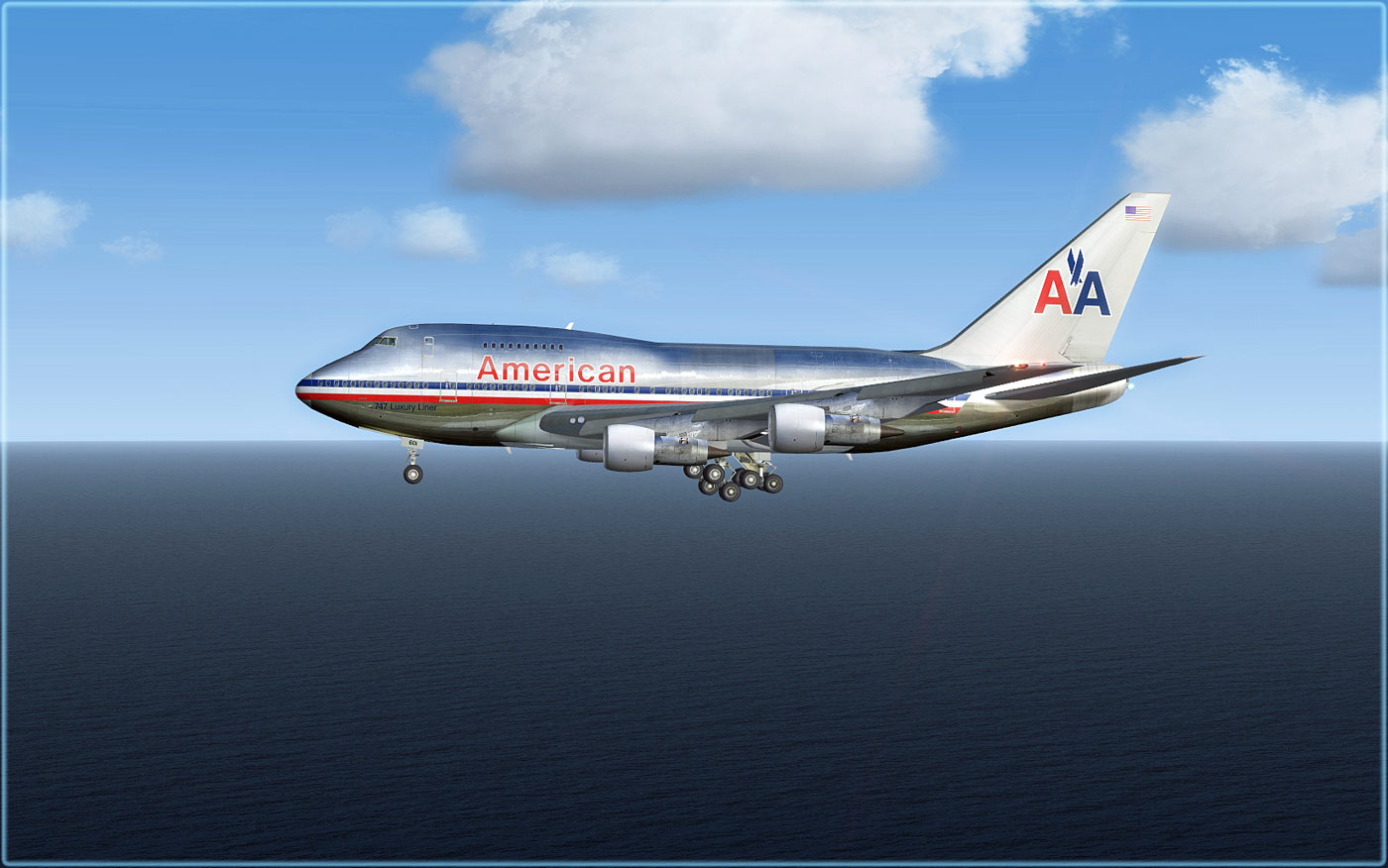
During the late 1960s, some 50,000 Boeing people belonged to a group called "The Incredibles." These were the construction workers, mechanics, engineers, secretaries and administrators who made aviation history by building the 747 -- the largest civilian airplane in the world -- in less than 16 months. The incentive for creating the giant 747 came from reductions in air fares, a surge in air-passenger traffic and increasingly crowded skies. Following the loss of the competition for the gigantic military transport, the C-5A, Boeing set out to develop a large advanced commercial airplane to take advantage of the high bypass engine technology developed for the C-5A. The design philosophy behind the 747 was to develop a completely new plane, and other than the engines, the designers purposefully avoided using any hardware developed for the C-5. The 747's final design was offered in three configurations: all passenger, all cargo and a convertible passenger/freighter model. The freighter and convertible models loaded 8- by 8-foot cargo containers through the huge hinged nose. The 747 was truly monumental in size. The massive airplane required construction of the 200-million-cubic-foot 747 assembly plant in Everett, Wash., the world's largest building (by volume). The fuselage of the original 747 was 225 feet long; the tail as tall as a six-story building. Pressurized, it carried a ton of air. The cargo hold had room for 3,400 pieces of baggage and could be unloaded in seven minutes. The total wing area was larger than a basketball court. Yet, the entire global navigation system weighed less than a modern laptop computer.


THE BOEING 747-100
Click Me!