Interesting article, although the part about WWII propellers is a little off the mark. It was very little to do with ground clearance and more to do with power absorption. An interesting way to look at it would be to compare two of the fighter aircraft that served throughout the war from September 1939 to 1945, the Spitfire and the Bf109.
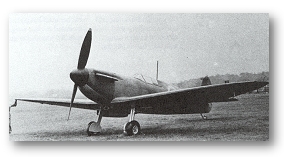
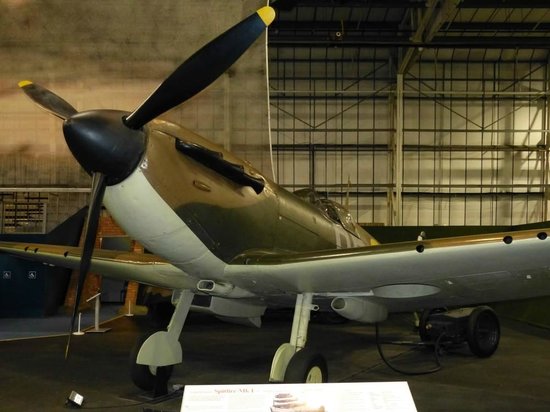
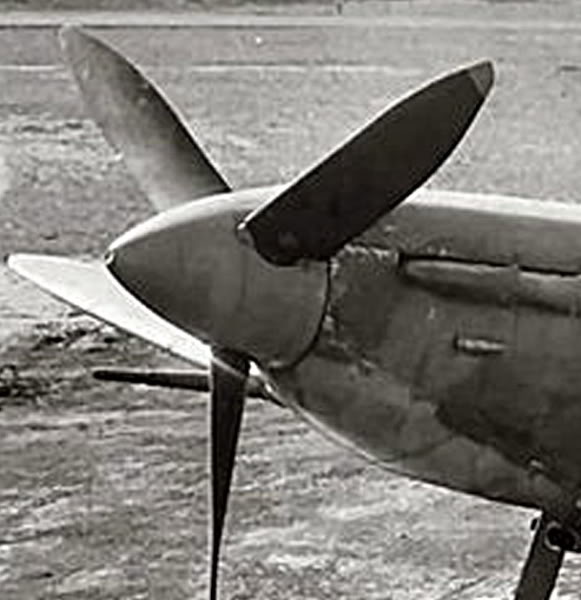
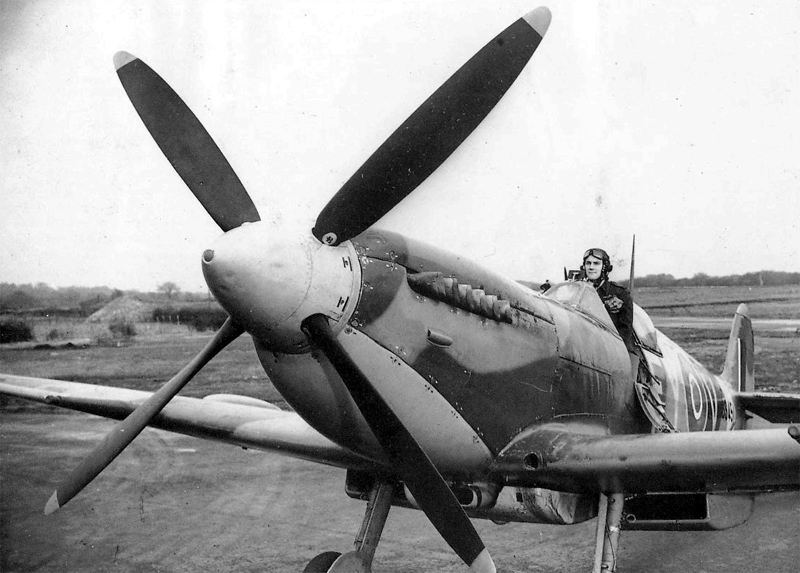
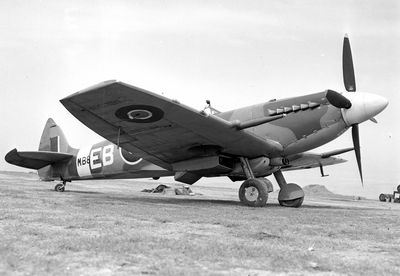
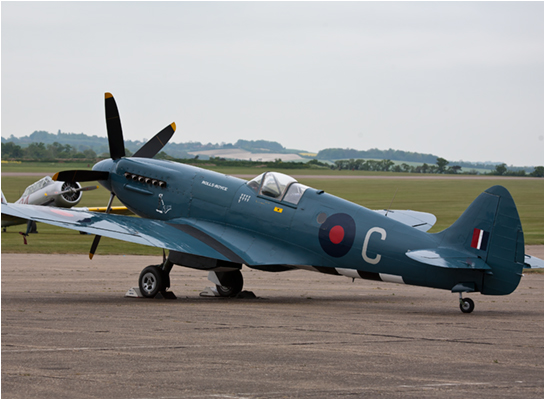
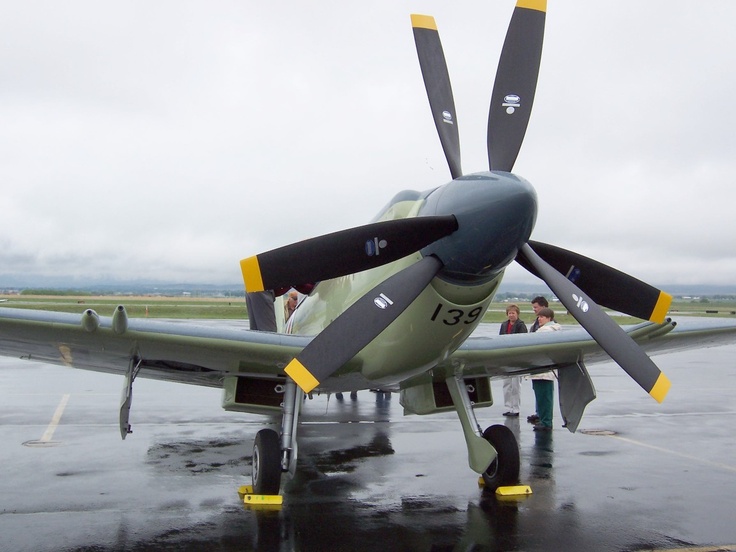
At the start of the war the Spitfire had just changed from having a broad chord (distance for leading edge of prop blade to trailing edge), fairly coarse fixed pitch prop, to a three bladed DH or Rotol prop, which had a narrower chord on each blade. It's worth noting that the Merlin engine was producing about 1000hp at this point. Move on to say the Mk IX Spitfire in 1942. By this time the Merlin is producing around 1500-1700hp. You need the propeller to adsorb the extra power and there are two ways to do this, and on the Spitfire the answer was to increase the number of blades on the propeller, whilst the individual blade size was about the same. Move onto the Griffon Spitfires, developing 2000hp+, and although initially using 4 blades, they moved onto 5 blades or 6 blades in a contra-rotating prop (with a slightly broader blade too).
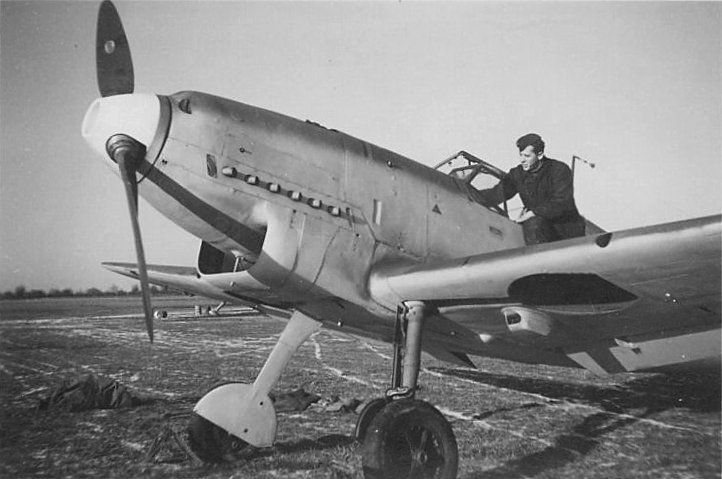
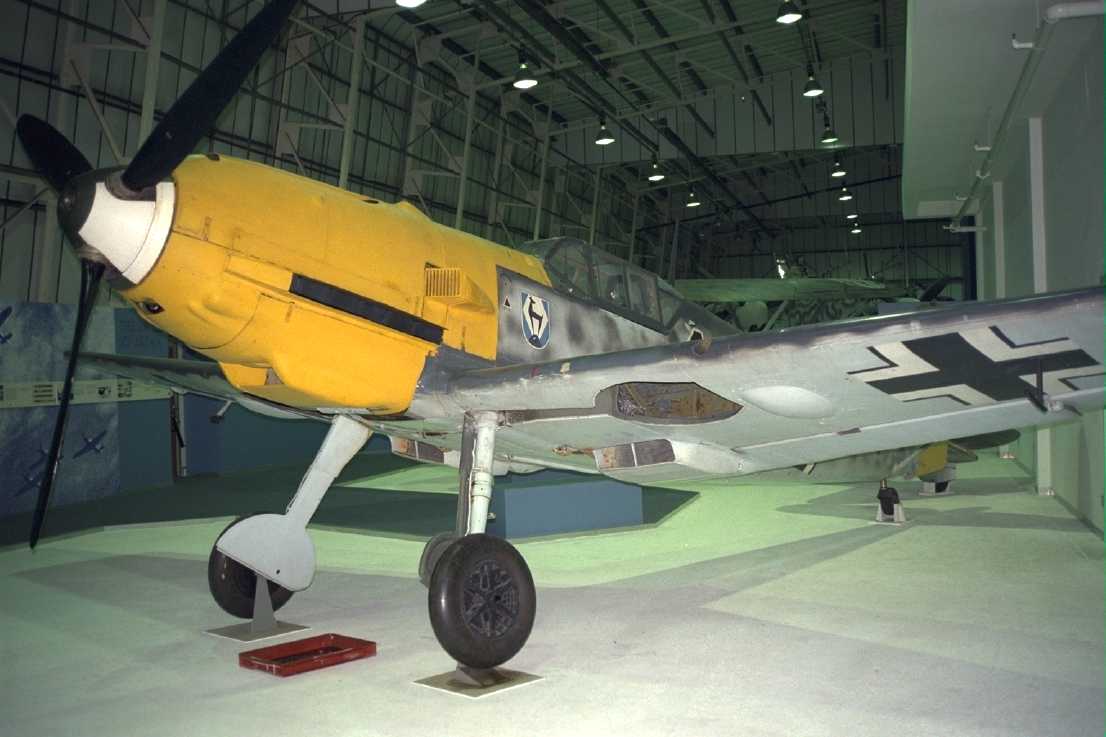
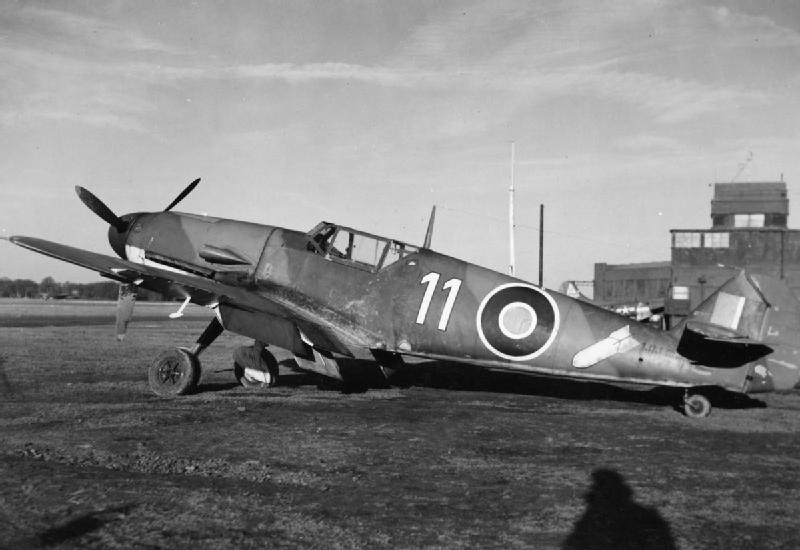
Look at the BF109... In the early examples (D,E) it had a narrow chord 3 blade prop. As it progressed through the F, G & K and the power output increased a shade over 1000hp to about 1600hp the prop remained a 3-blade prop, but the size of the blade increases, being similar to what we'd call a "paddle" blade today. The FW190 had similar blades.
Two answers to a similar design conundrum. So rather than having more blades to be able to use a smaller prop, as the article states, it was more having more blades so you didn't have to fit a bigger prop!


...!